Honey Gourami
Are you looking to add a splash of color and calm to your aquarium? The Honey Gourami might be just what you need.
With its warm golden hues and peaceful nature, this little fish can brighten up your tank and bring a sense of tranquility to your space. But before you bring one home, there are important things you should know to keep your Honey Gourami happy and healthy.
Keep reading to discover everything about caring for this beautiful fish, so your aquarium thrives like never before.
Credit: flipaquatics.com
Honey Gourami Basics
The Honey Gourami is a popular small fish for aquariums. Its calm nature and beautiful colors make it a favorite among fish lovers. Understanding the basics of this fish helps in providing the best care.
Physical Features
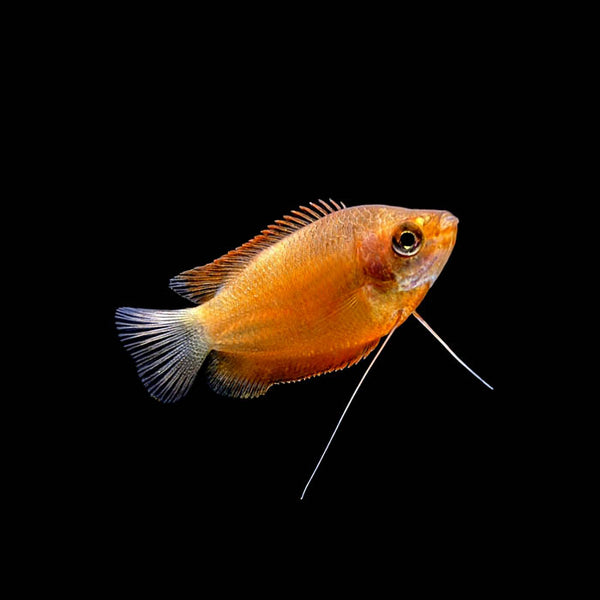
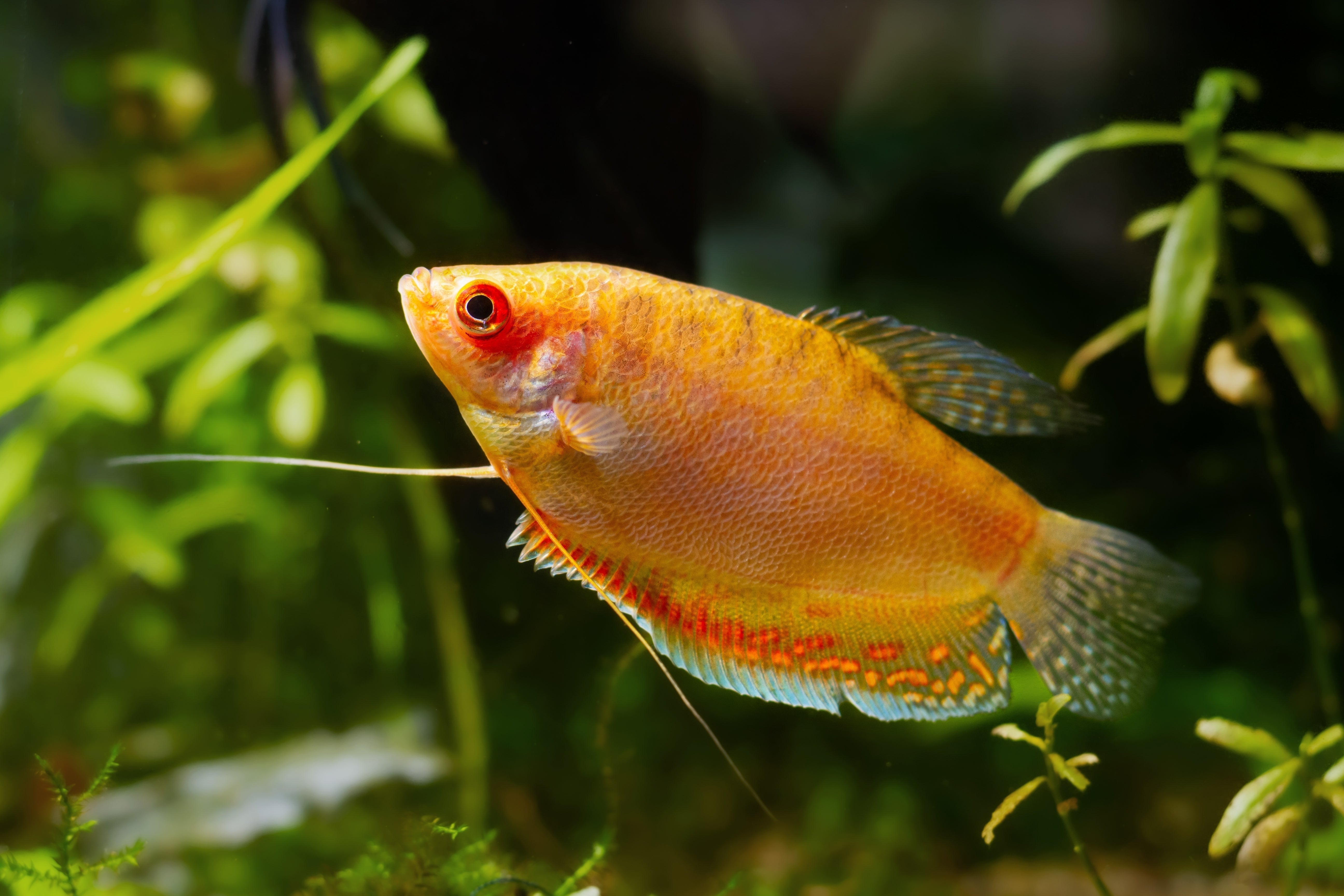
Honey Gouramis have a soft golden-orange color. Males usually show brighter colors than females. They grow up to 2 inches long. Their bodies are slender and oval-shaped. Small fins help them swim gently in water.
Natural Habitat
This fish lives in slow-moving waters. They come from parts of India and Bangladesh. Their homes include ponds, lakes, and streams with plants. Clear, warm water suits them best. They thrive in places with plenty of hiding spots.
Behavior Traits
Honey Gouramis are peaceful and shy fish. They enjoy swimming in groups but stay calm. Males can be slightly territorial during breeding. They communicate by changing colors and gestures. Their gentle nature makes them good for community tanks.
Credit: splashyfishstore.com
Setting Up The Aquarium
Setting up the aquarium for Honey Gourami is simple but important. These fish need a calm and stable home to thrive. Proper setup helps them stay healthy and show their beautiful colors.
Tank Size And Environment
A tank of at least 10 gallons is best for Honey Gourami. They like space to swim slowly and explore. Keep the tank covered to prevent them from jumping out. A gentle filter is needed to keep water clean without strong currents.
Water Conditions
Honey Gourami prefers warm water between 75°F and 82°F. The pH should stay near neutral, around 6.0 to 7.5. Soft to moderately hard water suits them well. Regular water changes keep the environment fresh and healthy.
Plant And Decoration Choices
Use live plants like Java fern and Anubias for hiding spots. Floating plants provide shade and reduce light intensity. Smooth decorations prevent injuries. Create open swimming areas mixed with dense plant spots for comfort.
Feeding Honey Gouramis
Feeding Honey Gouramis properly is essential for their health and happiness. These small fish need a balanced diet to stay active and colorful. Understanding their dietary needs helps you provide the right food. A good feeding routine keeps them healthy and energetic.
Dietary Needs
Honey Gouramis are omnivores. They eat both plant and animal matter. A mix of proteins and greens supports their growth. Protein helps build strong muscles. Plant material aids digestion and boosts immunity. Avoid overfeeding to prevent health problems.
Feeding Schedule
Feed Honey Gouramis twice a day. Small portions suit their small stomachs. Remove leftover food to keep water clean. Consistency in feeding times reduces stress. Stick to the schedule for better fish behavior.
Recommended Foods
Offer high-quality flakes or pellets made for tropical fish. Supplement with live or frozen foods like brine shrimp or bloodworms. Blanched vegetables such as spinach or zucchini also work well. Variety keeps their diet interesting and nutritious.
Health And Care Tips
Keeping Honey Gouramis healthy requires simple care and attention. Small changes can make a big difference. Healthy fish live longer and show their bright colors well. This section covers important tips to keep your Honey Gourami happy and strong.
Understanding common health problems helps you act fast. Preventive care lowers the risk of illness. Watching for signs of stress lets you fix problems early.
Common Diseases
Honey Gouramis can get diseases like ich, fin rot, and fungal infections. Ich shows as white spots on the body and fins. Fin rot causes ragged edges on fins. Fungal infections look like cotton patches on the fish.
Parasites may also attack Honey Gouramis. These cause itching, lethargy, and loss of appetite. Early treatment is key to prevent serious harm.
Preventive Measures
Keep the tank clean by changing water regularly. Use a good filter to remove waste. Maintain stable water temperature between 75-82°F (24-28°C). Test water for ammonia, nitrites, and nitrates often.
Feed a balanced diet with quality flakes, pellets, and live food. Avoid overcrowding the tank to reduce stress and disease risk. Quarantine new fish before adding them to the main tank.
Signs Of Stress
Stress weakens the immune system of Honey Gouramis. Watch for rapid gill movement or hiding more than usual. Loss of color and clamped fins show stress. Lack of appetite and erratic swimming are warning signs.
Identify the cause quickly. Stress may come from poor water conditions, aggressive tank mates, or sudden changes in the tank. Correcting these helps fish recover faster.
Breeding Honey Gouramis
Breeding Honey Gouramis is a rewarding experience for aquarium hobbyists. These small fish have unique behaviors during mating. They need specific conditions to reproduce successfully. Understanding their habits helps create a healthy environment for breeding. Patience and care are key to raising strong fry.
Breeding Conditions
Maintain water temperature between 78°F and 82°F. The pH should be slightly acidic, around 6.0 to 6.5. Keep water soft to help breeding. Use a separate tank with calm water. Add plenty of plants for hiding and bubble nest building. Reduce lighting to mimic natural conditions. Feed the pair high-quality live or frozen food daily.
Spawning Behavior
The male builds a bubble nest at the water surface. He guards the nest and shows vibrant colors. The female releases eggs under the nest. The male collects eggs and places them in the nest. Spawning may last several hours. After spawning, the female should be moved to avoid stress. The male protects the eggs until they hatch.
Raising Fry
Eggs hatch in about 24 to 36 hours. Fry stay in the nest for two to three days. Remove the male after fry leave the nest to prevent harm. Feed fry infusoria or liquid fry food at first. Gradually add baby brine shrimp as they grow. Keep water clean with gentle changes. Fry grow fast with proper care and food.

Credit: www.aquariumsource.com
Tank Mates For Honey Gouramis
Choosing the right tank mates for Honey Gouramis is key to a peaceful aquarium. These fish are gentle and shy. They thrive best with other calm species that do not cause stress. A well-planned community tank helps keep them healthy and active. Below are important points about compatible species, managing aggression, and tips for a happy community tank.
Compatible Species
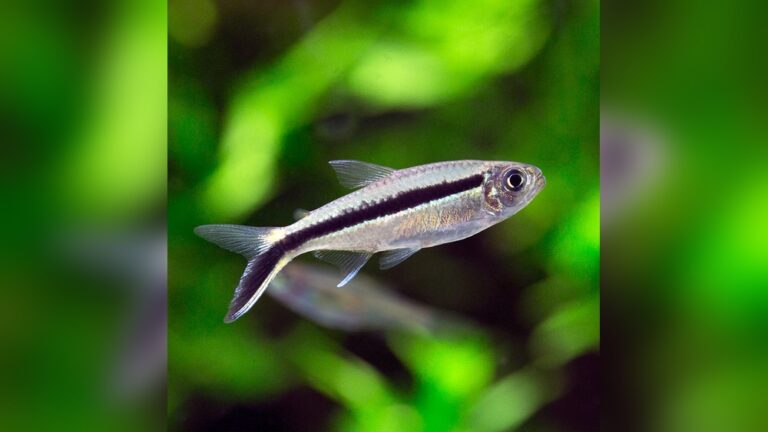
Honey Gouramis get along well with small, peaceful fish. Good choices include neon tetras, corydoras catfish, and small rasboras. Avoid large or aggressive fish that may bully them. Shrimp and snails also make great companions. Keep species that share similar water needs and temperature. This creates a stable environment for all fish.
Aggression Management
Honey Gouramis can be territorial, especially males. Provide plenty of hiding spots to reduce fights. Use plants, rocks, and decorations for breaks in sight lines. Avoid crowding the tank. More space means less stress and fewer conflicts. Watch fish behavior daily to spot any signs of aggression early. Separate aggressive fish if needed.
Community Tank Tips
Maintain good water quality with regular cleaning. Feed all fish small amounts multiple times a day. Keep noise and sudden movements near the tank low. This helps Honey Gouramis feel safe and less stressed. Choose peaceful tank mates and provide enough space for each fish. A calm community tank allows Honey Gouramis to show their colors and natural behaviors.
How Smart Pets Lover Can Help You with Honey Gourami
Learning Through Caring for Your Honey Gourami
Welcoming a Honey Gourami into your home is more than just adding a colorful fish to your aquarium—it’s an opportunity to deepen your understanding of aquatic life and responsible pet care. From mastering the ideal tank setup to ensuring the right diet, every step offers practical lessons in creating a thriving environment. For instance, setting up the aquarium properly teaches patience and attention to detail, while observing their feeding habits helps you recognize subtle signs of health and behavior.
Breeding Honey Gouramis, when approached thoughtfully, can be a fascinating learning journey about fish biology and the balance of nature within a small ecosystem. As part of Smart Pets Lover’s mission to help pet parents feel confident and connected, we encourage exploring these topics with curiosity and care.
- Regularly monitor water conditions to maintain optimal health
- Choose compatible tank mates to foster a peaceful community
- Stay attentive to changes in behavior as indicators of well-being
If you ever want to exchange ideas or need guidance, connecting with fellow enthusiasts or experts can be invaluable. Smart Pets Lover is here to support your journey—because every pet story is a chance to learn and grow together.
Frequently Asked Questions
What Is The Ideal Tank Size For Honey Gourami?
A 10-gallon tank is ideal for Honey Gouramis. This size provides enough space for swimming and hiding. Proper space ensures their health and reduces stress.
How To Care For Honey Gourami Fish?
Maintain clean water with a temperature of 72-82°F. Feed them a balanced diet including flakes and live food. Provide plants and hiding spots for comfort.
Are Honey Gouramis Peaceful Community Fish?
Yes, Honey Gouramis are peaceful and social. They thrive well with other non-aggressive fish. Avoid keeping them with fin-nippers or large aggressive species.
What Do Honey Gouramis Eat In Captivity?
Honey Gouramis eat flakes, pellets, and live foods like brine shrimp. A varied diet helps keep them healthy and vibrant. Feed small amounts twice daily.
Conclusion
Honey Gouramis bring charm and color to any freshwater tank. They stay peaceful and easy to care for, fitting well with many fish types. Feeding them a balanced diet keeps them healthy and active. Providing plants and hiding spots helps them feel safe and happy.
Watching their gentle behavior can relax and delight fish lovers. These small fish offer great joy without much effort. A perfect choice for beginners and experienced aquarists alike. Their beauty and calm nature make aquariums more inviting. Consider adding Honey Gouramis to brighten your aquatic world.