Zebra Pleco
If you’re looking to add a unique and striking fish to your aquarium, the Zebra Pleco might be exactly what you need. Its bold black and white stripes make it stand out, but there’s much more to this fascinating fish than just its looks.
You’ll want to know how to care for it properly, what makes it special, and why it’s such a prized addition for many fish keepers. Keep reading, and you’ll discover everything you need to make your Zebra Pleco thrive in your tank.

Credit: topickaquarium.com
Zebra Pleco Basics
The Zebra Pleco is a unique and striking fish popular among aquarium lovers. It has distinct stripes and a small size. Its beauty stands out in home tanks. Understanding its basics helps in caring for this fish properly.
This section covers the Zebra Pleco’s appearance, size, and natural habitat. These details give insight into its needs and lifestyle.
Appearance And Size
The Zebra Pleco has black and white stripes all over its body. Its pattern looks like a zebra’s, giving it a special name. The fish is small, usually growing up to 3 to 4 inches long. It has a flat body and a wide head. Its fins are strong and help it move well in water.
Natural Habitat
The Zebra Pleco lives in the clear, fast rivers of Brazil. It prefers rocky areas with many hiding spots. The water is cool and flows quickly in its home. This fish likes clean water with low dirt. It is a bottom dweller, often hiding under rocks during the day.
Tank Setup
Setting up the perfect tank for a Zebra Pleco is key to its health and happiness. This fish needs a calm environment with clean water. The right tank setup helps it thrive and show its natural behavior.
Keep the tank stable and avoid sudden changes. Make sure to provide plenty of hiding spots. The Zebra Pleco loves to explore but needs safe places to rest.
Ideal Tank Size
A 20-gallon tank is perfect for one Zebra Pleco. For more than one, add 10 gallons per fish. This space allows them to swim and hide comfortably. Avoid overcrowding to reduce stress and aggression.
Water Conditions
Maintain water temperature between 78°F and 86°F. The pH should be slightly acidic, around 6.5 to 7.0. Keep water hardness low to moderate. Use a good filter to keep water clean and oxygen-rich. Change 20% of the water weekly to keep it fresh.
Substrate And Decorations
Use fine sand or smooth gravel for the substrate. It helps protect the Pleco’s delicate belly. Add driftwood and caves for hiding spots. These decorations mimic their natural habitat. Plants are welcome but choose hardy types that can handle low light.
Feeding Habits
The Zebra Pleco is a unique fish with special feeding habits. Understanding these habits helps keep them healthy and happy. Their diet and feeding routine are simple but important to follow closely.
They prefer certain foods and need a regular schedule to thrive in an aquarium setting.
Diet Preferences
Zebra Plecos mostly eat small protein foods. They like sinking pellets designed for carnivores. Live or frozen foods work well too. Bloodworms, brine shrimp, and daphnia are favorites. Avoid plant-based foods as they do not eat them much. Their small mouths mean food must be bite-sized. Feeding a variety keeps them healthy and active.
Feeding Schedule
Feed Zebra Plecos once or twice daily. Small portions prevent leftover food in the tank. Remove uneaten food after 10 minutes to keep water clean. They are nocturnal, so feeding in the evening works best. Consistency helps reduce stress and encourages natural behavior. Monitor their appetite and adjust feeding as needed.
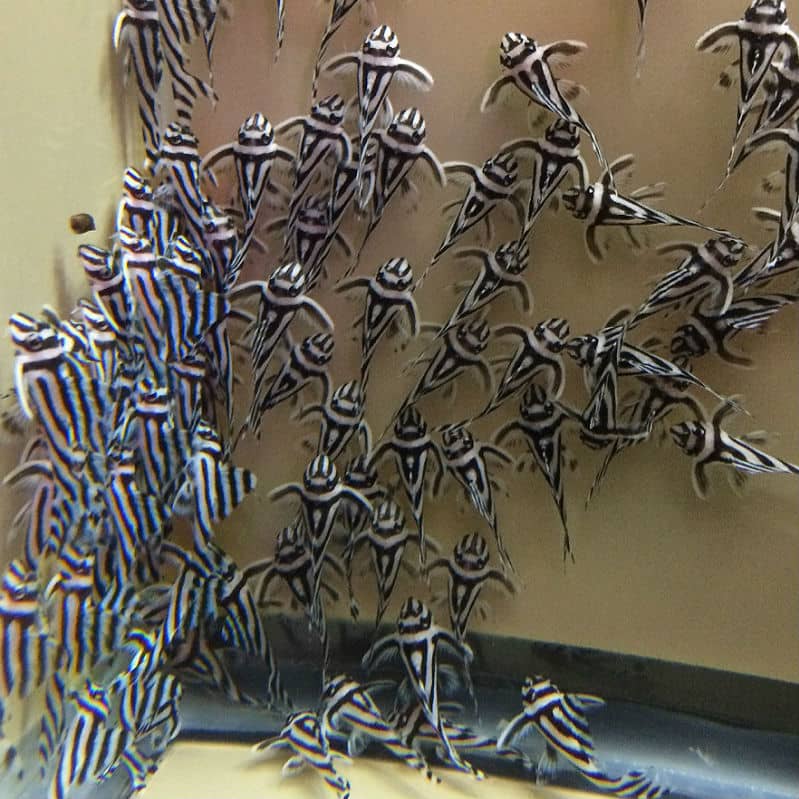
Credit: www.discusmadness.com
Behavior Traits
The Zebra Pleco is a fascinating fish with unique behavior traits. These traits help it survive and thrive in its natural habitat. Understanding these behaviors makes caring for this fish easier and more rewarding.
Social Interaction
Zebra Plecos are mostly solitary. They prefer to keep to themselves rather than swim in groups. They can be shy around other fish. They often hide in caves or crevices. This behavior helps them avoid stress and potential threats. During breeding, males become more territorial and protective.
Activity Patterns
Zebra Plecos are mainly nocturnal. They are most active at night when they search for food. During the day, they rest in dark hiding spots. This pattern helps them avoid predators and stay safe. Their calm and slow movements make them peaceful aquarium dwellers.
Breeding Zebra Plecos
Breeding Zebra Plecos is a rewarding task for many aquarium hobbyists. These fish need specific care to reproduce successfully. Understanding their needs helps create the right conditions. Patience and attention to detail are key.
The process involves setting up a proper environment, guiding the spawning behavior, and caring for the young fish. Each step requires care and knowledge. This guide will walk you through the main stages of breeding Zebra Plecos.
Breeding Environment
Zebra Plecos prefer warm water, around 82°F to 86°F. Soft, slightly acidic water suits them best. Provide plenty of hiding spots using caves or driftwood. A gentle water flow mimics their natural habitat. Keep the tank clean with regular water changes. Use a tank of at least 20 gallons for a breeding pair.
Spawning Process
Spawning starts when the male selects a cave. He cleans the chosen spot to attract the female. The female enters the cave to lay eggs. The male fertilizes the eggs and guards them. Eggs hatch in about 4 to 6 days. During this time, keep disturbances to a minimum.
Raising Fry
Once hatched, fry stay near the cave entrance. Feed them tiny foods like baby brine shrimp or crushed flakes. Change water carefully to keep it clean and safe. Avoid strong currents that can harm the fry. They grow slowly and need patience. Provide hiding spots to reduce stress and encourage healthy growth.
Common Health Issues
Zebra Plecos are hardy fish but can face some health problems. Knowing common health issues helps keep them strong. Early care prevents serious illness. Watch your fish closely for signs of trouble.
Disease Prevention
Clean water is key to preventing diseases. Change tank water regularly to keep it fresh. Avoid overcrowding to reduce stress and sickness. Use a good filter to keep water clear. Feed Zebra Plecos a balanced diet for good health. Quarantine new fish to stop disease spread. Keep tank temperature stable to avoid shock.
Signs Of Illness
Look for changes in behavior or appearance. Loss of appetite is a common sign. White spots or fuzzy patches can mean infection. Slow movement or hiding more than usual signals stress. Gasping at the water surface shows breathing problems. Check for torn fins or red marks on the body. Early detection helps treat illness fast.
Compatibility With Other Fish
Zebra Plecos have unique needs when living with other fish. Their peaceful nature means they do best with calm tank mates. Proper compatibility helps reduce stress and keeps your aquarium healthy. Choosing the right companions is key for a happy tank.
Suitable Tank Mates
Choose small, non-aggressive fish that swim in the middle or top of the tank. Examples include tetras, rasboras, and small catfish. Avoid large or fast fish that may bully the Zebra Pleco. Shrimp and snails can also be good companions. They do not compete for space or food.
Avoiding Aggression
Keep enough hiding spots with caves and plants. This reduces stress and gives Zebra Plecos safe places. Avoid fish known for aggressive behavior. Watch your tank closely for signs of bullying. Remove aggressive fish quickly to protect the Zebra Pleco. A calm environment helps all fish thrive.

Credit: www.monsterfishkeepers.com
How Smart Pets Lover Can Help You with Zebra Pleco
Learning from Your Zebra Pleco Journey
Welcoming a Zebra Pleco into your home is more than just tank setup or feeding schedules—it’s a hands-on lesson in patience and observation. As you monitor their unique behavior traits and delicate breeding habits, you gain valuable insights into aquatic life’s subtle rhythms. Watching how they interact with tank mates also teaches responsible fish compatibility, helping you create a peaceful underwater community.
At Smart Pets Lover, we believe every pet experience is a story worth understanding deeply. Caring for Zebra Plecos sharpens your skills in maintaining water quality, recognizing early signs of common health issues, and tailoring environments that nurture well-being. This journey not only enhances your knowledge but also strengthens the emotional bond with your aquatic friends.
For any questions along the way, connecting with fellow enthusiasts or experts can be a great support—feel free to reach out to community forums or trusted pet care resources. Remember, every fin flick is a chance to learn and grow as a confident, compassionate pet parent.
Frequently Asked Questions
What Is A Zebra Pleco Fish?
The Zebra Pleco is a small, striped freshwater catfish from Brazil. It has unique black and white patterns. It is popular in aquariums for its striking appearance and peaceful behavior.
How Do I Care For A Zebra Pleco?
Zebra Plecos need clean, well-oxygenated water with stable temperatures of 79-86°F. They prefer hiding spots and a soft substrate. Feed them a diet of sinking pellets, algae wafers, and occasional protein-rich foods.
What Is The Lifespan Of Zebra Pleco?
Zebra Plecos typically live 10 to 15 years in captivity with proper care. Maintaining good water quality and a balanced diet helps ensure their long lifespan.
Can Zebra Plecos Live With Other Fish?
Yes, Zebra Plecos are peaceful and can coexist with other non-aggressive fish. Avoid housing them with large or aggressive species that may stress or harm them.
Conclusion
Zebra Plecos add unique beauty to any aquarium. They need clean water and hiding places. Feeding them small, protein-rich foods keeps them healthy. Patience helps as they grow slowly and shyly. Their striking black and white stripes catch attention easily.
Caring for Zebra Plecos can be very rewarding. Enjoy watching these rare fish thrive in your tank.