Glass Catfish
Have you ever seen a fish so unique that it looks almost invisible? That’s exactly what the Glass Catfish offers.
Its transparent body lets you peek inside, creating a mesmerizing experience right in your aquarium. If you’re looking to add something truly special to your tank, this fish might be the perfect choice. Keep reading to discover why the Glass Catfish is not just beautiful but also surprisingly easy to care for—and how it can bring a calm, magical vibe to your home.

Credit: aquariumbreeder.com
Physical Features
Glass Catfish have transparent bodies that reveal their internal organs. Their long, slender shape helps them swim quickly and hide from predators. Small fins and a smooth texture make them graceful swimmers in fresh water.
Transparency And Body Structure
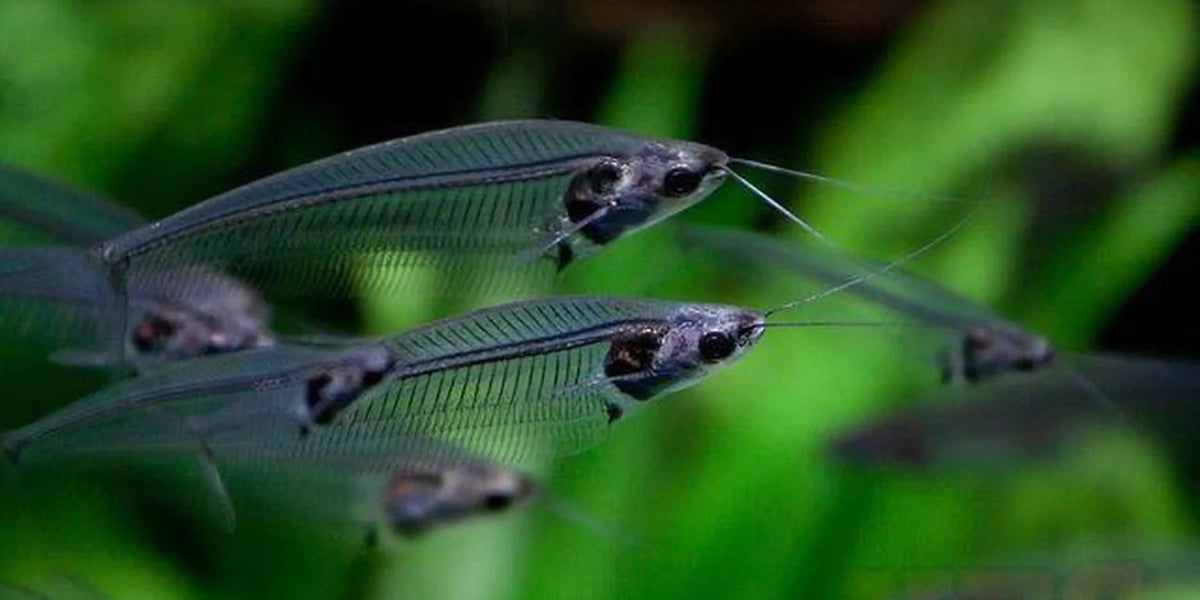
Glass Catfish have a unique transparent body. You can see their bones and organs through their skin. This clear look helps them hide from predators in the wild. Their body is long and thin, which makes them swim smoothly in water. The transparency is not complete; some parts like the head and fins are less clear.
Size And Shape
These fish grow to about 4 to 5 inches long. Their bodies are slender and flat from the sides. This shape lets them move quickly and easily in water currents. They have a small head with long barbels near the mouth. These barbels help them sense food and surroundings.
Distinctive Markings
Glass Catfish usually have a dark line running along their body. This line starts at the head and goes to the tail. It makes their shape clearer to other fish. Their fins are almost invisible but have a slight shimmer. These markings add to their delicate and elegant look.
Natural Habitat
Glass Catfish live in slow-moving rivers and streams in Southeast Asia. They prefer clear water with plants and hiding spots. Their transparent bodies help them blend into their natural surroundings.
Geographic Distribution
Glass catfish live mainly in Southeast Asia. They are found in Thailand, Malaysia, and Indonesia. These fish prefer slow-moving rivers and streams. They also live in flooded forests and rice paddies. Their natural range covers many small water bodies.
Preferred Water Conditions
Glass catfish like warm water between 75 and 82 degrees Fahrenheit. They thrive in soft, slightly acidic water. The pH usually stays between 6.0 and 7.0. Clear water with low minerals suits them best. They avoid water with strong currents or pollution.
Typical Environment
Their environment is calm and full of plants. Dense underwater plants offer hiding places and food sources. The water is usually shallow with lots of leaf litter. This helps glass catfish stay safe from predators. They often swim in groups for protection.
Behavioral Traits
Glass Catfish are fascinating creatures with unique behaviors. Their behavior helps them survive and thrive in their natural habitat. Observing their habits can make aquarium care easier and more enjoyable.
Social Habits
Glass Catfish prefer to live in groups. They feel safe and calm with others of their kind. Alone, they may become stressed and hide often. Keeping them in schools of five or more is ideal. Their peaceful nature makes them good tank mates for other calm fish.
Feeding Patterns
These fish eat small live or frozen foods like bloodworms and brine shrimp. They may also accept high-quality flakes or pellets. Glass Catfish feed mostly during the day and early evening. They use their barbels to sense food in water. Slow and steady feeding helps reduce stress.
Activity Levels
Glass Catfish are active swimmers but not overly energetic. They glide smoothly through the water, often near the mid to upper levels. They avoid bright light and prefer dim or shaded areas. Their calm movement adds grace to any aquarium setting.
Diet And Nutrition
Understanding the diet and nutrition of Glass Catfish is key to keeping them healthy. These fish need a balanced diet to thrive. Their food in the wild differs from what they eat in captivity. Knowing these differences helps provide the best care.
Natural Diet
Glass Catfish eat small insects and larvae in their natural habitat. They also consume tiny crustaceans and plankton. These foods provide essential nutrients. The fish use their sharp senses to find food in murky waters. Their diet is high in protein and easy to digest.
Feeding In Captivity
Feeding Glass Catfish in captivity requires mimicking their natural diet. They prefer live or frozen food. This keeps them active and healthy. Avoid overfeeding as it can cause water pollution. Feed small amounts two to three times daily. Watch their response to adjust feeding amounts.
Recommended Foods
Offer live or frozen bloodworms, brine shrimp, and daphnia. These foods match their natural diet closely. High-quality flake or pellet food can be added occasionally. Avoid foods that are too large or hard. Fresh, clean water and a good diet keep Glass Catfish vibrant.
Care In Aquariums
Glass catfish are peaceful and fascinating fish. They need special care in aquariums to stay healthy. This section explains how to create a good home for them. Follow these tips to keep your glass catfish happy and safe.
Tank Setup
Choose a tank of at least 20 gallons. Glass catfish like space to swim in groups. Provide plenty of plants for hiding. Use a dark substrate to reduce stress. Keep the tank covered to avoid jumping. Gentle water flow helps mimic their natural habitat.
Water Parameters
Maintain water temperature between 75°F and 80°F. Keep pH levels from 6.5 to 7.5 for comfort. Water hardness should be soft to moderate. Change 20% of the water weekly. Use a good filter to keep water clean. Avoid sudden changes in water quality.
Tank Mates
Choose calm fish that do not bother glass catfish. Small tetras, rasboras, and peaceful gouramis work well. Avoid aggressive or large fish that may attack them. Keep glass catfish in groups of five or more. This reduces stress and encourages natural behavior.
Breeding Glass Catfish
Breeding Glass Catfish can be a rewarding experience for aquarium hobbyists. These fish have unique needs and behaviors during reproduction. Understanding their breeding process helps create the right environment. Proper care increases the chances of successful spawning and healthy fry growth.
Glass Catfish are peaceful and shy, so creating a calm space is important. They prefer clean water and gentle currents. Providing these conditions encourages natural breeding habits.
Breeding Conditions
Maintain water temperature between 78°F and 82°F. Use soft, slightly acidic water with pH around 6.5. Keep the tank well-filtered but avoid strong water flow. Provide plenty of plants and hiding spots. Dim lighting helps reduce stress and mimics their natural habitat.
Spawning Behavior
Glass Catfish spawn in pairs or small groups. Males chase females gently during courtship. Females lay eggs on plant leaves or tank surfaces. Spawning often happens early in the morning. Adults do not eat the eggs, but removing them prevents damage.
Raising Fry
After hatching, fry are very small and transparent. Feed them tiny live foods like infusoria or newly hatched brine shrimp. Change water regularly to keep it clean. Gradually increase food size as fry grow. Provide hiding places to protect fry from stress.
Common Health Issues
Glass Catfish are delicate fish that need care to stay healthy. They can face several common health problems. Recognizing these issues early helps keep them safe. Understanding signs, prevention, and treatments improves their life.
Signs Of Illness
Look for changes in behavior or appearance. Glass Catfish may stop swimming or hide a lot. Faded color or spots on their body can indicate sickness. Gasping at the water surface or clamped fins are warning signs. Watch for loss of appetite or slow movement.
Preventive Measures
Keep the tank clean and water parameters stable. Regular water changes reduce harmful bacteria and waste. Avoid overcrowding to lower stress and disease risk. Provide a balanced diet to boost their immune system. Quarantine new fish before adding them to the tank.
Treatment Options
Isolate sick fish to stop disease spread. Use aquarium-safe medications for infections or parasites. Follow dosage instructions carefully to avoid harm. Maintain optimal water conditions to help recovery. Consult a specialist if symptoms persist or worsen.

Credit: eshalabs.com
Fun Facts
Glass catfish are fascinating creatures. They are popular in home aquariums because of their unique look and interesting behavior. Here are some fun facts that show why these fish stand out.
Transparent Body
Glass catfish have almost see-through bodies. You can see their bones and organs inside. This helps them hide from predators in the wild.
Peaceful Nature
These fish are very calm and gentle. They like to swim in groups and rarely fight with other fish. This makes them great for community tanks.
Special Senses
Glass catfish can sense movements in the water. Their long whiskers help them find food and avoid danger. They use this skill since they have poor eyesight.
Unique Swimming Style
They swim in a horizontal line, often tilting their bodies. This strange style helps them blend into plants and avoid threats.
Origin And Habitat
Glass catfish come from rivers in Southeast Asia. They live in slow-moving, clear waters with lots of plants. This environment suits their shy nature.
Credit: www.coastgemusa.com
How Smart Pets Lover Can Help You with Glass Catfish
Learning Through the Transparent World of Glass Catfish
Getting to know Glass Catfish goes beyond admiring their unique physical features or understanding their natural habitat. These delicate swimmers offer a wonderful chance to observe behavioral traits firsthand—like their peaceful schooling nature and subtle social cues. For anyone curious about aquarium care, paying close attention to their diet and nutrition teaches valuable lessons about maintaining balanced aquatic ecosystems.
At Smart Pets Lover, we believe that every pet journey is a story of connection and growth. Observing how Glass Catfish interact encourages patience and mindfulness, qualities essential for responsible pet ownership. If you’re ever unsure about their care or health, reaching out to experienced communities or pet care experts can provide tailored guidance. Remember, nurturing these transparent wonders is as much about understanding their needs as it is about enjoying their quiet grace.
For further advice or support, consider contacting local aquatic societies or trusted pet care resources. Embracing these learning moments enriches your bond with your aquatic companions—because every wag, purr, and ripple truly tells a story.
Frequently Asked Questions
What Is A Glass Catfish?
A Glass Catfish is a transparent freshwater fish known for its clear body. It belongs to the family Siluridae and is popular in aquariums for its unique see-through appearance.
How Big Do Glass Catfish Grow?
Glass Catfish typically grow up to 4-5 inches in length. They remain small, making them suitable for community tanks and home aquariums.
What Is The Ideal Tank Setup For Glass Catfish?
Glass Catfish thrive in a 20-gallon tank with soft, slightly acidic water. They prefer dim lighting and plenty of plants for hiding.
What Do Glass Catfish Eat?
Glass Catfish eat small live or frozen foods like brine shrimp and bloodworms. They may also accept high-quality flake or pellet food.
Conclusion
Glass catfish add a unique charm to any aquarium. Their clear bodies make them stand out beautifully. These fish prefer calm water and gentle care. Feeding them small live or frozen food helps them thrive. They also enjoy swimming in groups, so keep several together.
Watching their graceful movements can be very relaxing. Glass catfish bring life and calmness to your tank. Try adding them to see their peaceful beauty in action.