Blood Pigeon Discus
Are you looking to add a splash of vibrant color and elegance to your aquarium? The Blood Pigeon Discus might be exactly what your underwater world needs.
Known for its striking red hues and graceful shape, this fish is a favorite among both beginners and experienced aquarists. You’ll discover everything you need to know about caring for Blood Pigeon Discus, from their ideal tank setup to feeding tips.
Keep reading to unlock the secrets to keeping these stunning fish healthy and happy in your home.
Credit: myrtlebeachdiscus.com
Blood Pigeon Discus Traits
The Blood Pigeon Discus is a stunning fish known for its unique traits. It stands out in any aquarium with its bright colors and smooth shape. These traits make it popular among fish lovers and collectors.
Understanding the Blood Pigeon Discus traits helps you appreciate its beauty and care needs. Each trait plays a role in its health and appeal.
Color Patterns
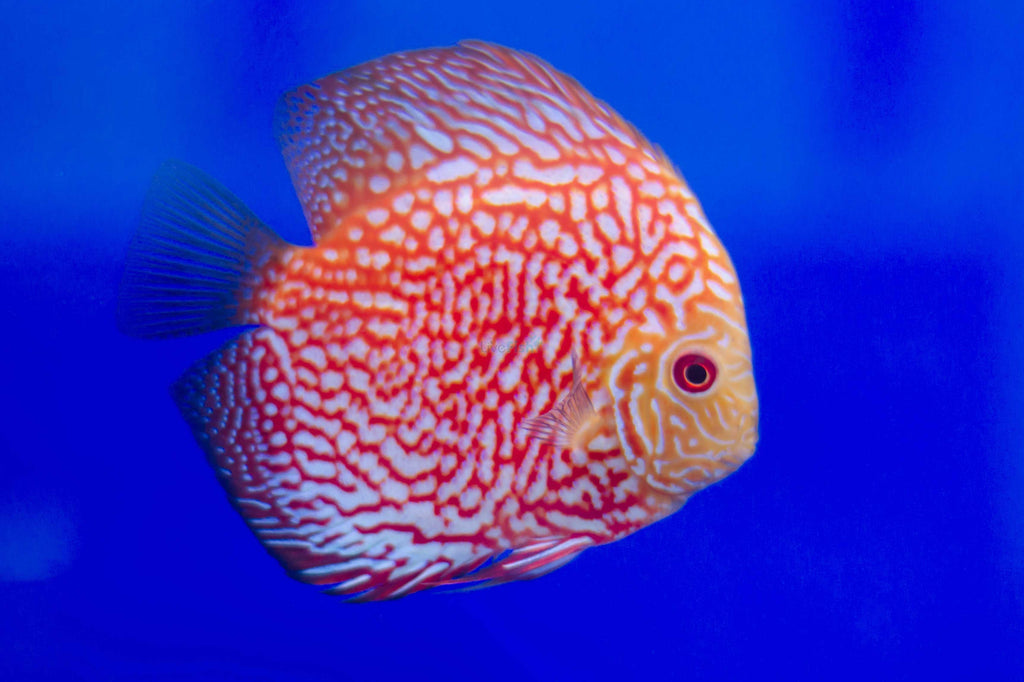
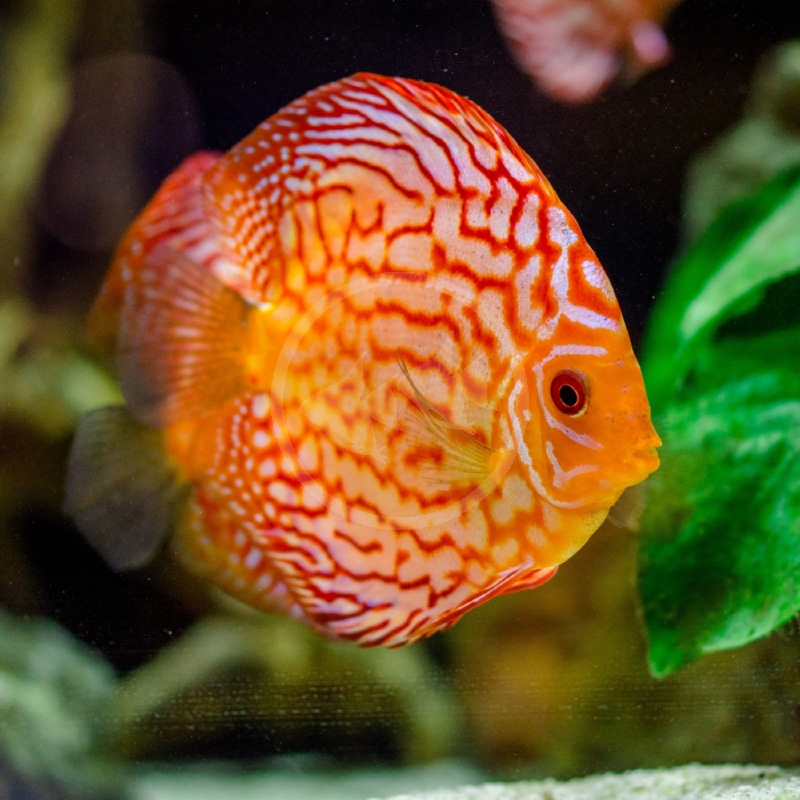
The Blood Pigeon Discus shows bright red and white colors. Its body has a mix of solid red and splashes of white. The pattern looks like a pigeon’s feathers, giving it its name. This pattern makes each fish unique and attractive. The colors stay bright with good water conditions and diet.
Body Shape
This discus has a round and flat body shape. It looks like a disc, which is where its name comes from. The body is smooth and symmetrical. Its fins are wide and flow well in water. This shape helps it swim easily and look graceful.
Size And Weight
The Blood Pigeon Discus grows up to 6 to 8 inches long. They usually weigh around 200 to 300 grams. Their size makes them perfect for medium to large tanks. Despite their size, they need calm water to stay healthy and active.
Habitat Needs
Blood Pigeon Discus fish need a special home to stay healthy and happy. Their natural habitat is warm, soft water with lots of plants. Creating a similar environment in your tank helps them thrive. Understanding their habitat needs is key to caring for these beautiful fish.
Water Conditions
Blood Pigeon Discus prefer soft and slightly acidic water. The ideal pH level is between 6.0 and 7.0. Water hardness should be low, around 1 to 4 dGH. Keep the water clean with regular changes. Use a good filter to maintain water quality.
Tank Setup
Choose a tank that is at least 50 gallons. Provide plenty of swimming space. Add plants, driftwood, and smooth rocks for hiding spots. Avoid sharp decorations that can harm the fish. Use a dark substrate to mimic their natural riverbed.
Temperature Requirements
Blood Pigeon Discus need warm water between 82°F and 86°F (28°C to 30°C). Stable temperature helps reduce stress. Use a reliable heater to keep the temperature steady. Avoid sudden changes that can harm the fish.
Diet And Nutrition
Blood Pigeon Discus fish need a balanced diet for good health and bright colors. Proper nutrition helps them grow strong and stay active. Feeding them the right food keeps their immune system strong and reduces disease risks. Understanding their diet helps you care for these beautiful fish better.
Preferred Foods
Blood Pigeon Discus enjoy a mix of foods. High-quality flakes or pellets made for discus fish work well. Live foods like brine shrimp and bloodworms excite their natural hunting skills. Frozen foods such as daphnia and tubifex worms are good choices too. A variety of foods ensures they get all needed nutrients.
Feeding Schedule
Feed Blood Pigeon Discus small amounts two to three times a day. Overfeeding can cause water problems and health issues. Observe their eating habits and adjust portions accordingly. Younger fish may need more frequent feedings to support growth. Remove leftover food to keep the tank clean.
Supplements
Supplements improve the discus’s diet and boost immunity. Vitamins and minerals help maintain vibrant colors and good health. Adding garlic extract can support digestion and reduce stress. Use supplements sparingly and follow product instructions carefully. Healthy discus need a balanced diet with occasional boosters.
Behavior And Temperament
The Blood Pigeon Discus is known for its calm and gentle nature. This fish prefers a peaceful environment to thrive. Understanding its behavior helps maintain a healthy aquarium.
Blood Pigeon Discus enjoys social interaction but has specific needs. Observing their temperament ensures a harmonious tank community.
Social Interaction
Blood Pigeon Discus prefers to stay in groups. They feel safer and more confident with others. Small groups of five or more reduce stress. These fish communicate through subtle body movements. They often swim close to their tank mates. Isolation can cause them to become shy or withdrawn.
Compatibility With Other Fish
They do well with calm, peaceful fish species. Avoid aggressive or very active fish that may stress them. Good tank mates include tetras, corydoras, and smaller catfish. Keep the tank environment stable and quiet. Blood Pigeon Discus appreciates slow swimmers nearby. This balance helps reduce conflicts and promotes peace.
Stress Signs
Watch for sudden color changes or dullness. Hiding often or loss of appetite signals stress. Rapid breathing or erratic swimming also indicate discomfort. Stress weakens their immune system quickly. Clean water and proper temperature reduce stress risks. Recognizing these signs early helps protect your fish.
Breeding Tips
Breeding Blood Pigeon Discus can be very rewarding. Their colors and patterns make the effort worth it. Understanding their behavior and needs helps increase success. Preparing the right environment is key to healthy offspring. Careful attention during each stage ensures strong fry growth.
These tips will guide you through mating, spawning, and raising fry for Blood Pigeon Discus.
Mating Behavior
Blood Pigeon Discus form strong pairs. They often clean a flat surface together. The male and female swim side by side. This shows they are ready to breed. Watch for gentle nudging and chasing. These actions signal courtship and bonding. Avoid disturbing the pair during this time.
Spawning Setup
Use a separate tank for spawning. Keep the water soft and warm, around 82°F (28°C). Provide a flat slate or broad leaf for egg laying. Ensure good water flow but not too strong. Dim lighting helps reduce stress. Remove other fish to protect eggs from harm.
Raising Fry
After hatching, fry stick to the spawning surface. Parents often clean and guard the eggs and fry. Feed fry with infusoria or liquid fry food first. Gradually introduce baby brine shrimp after a week. Keep water clean with gentle filtration. Regular small water changes improve fry health.
Common Health Issues
Blood Pigeon Discus are beautiful fish but can face health problems. These issues affect their color, behavior, and lifespan. Knowing common health problems helps keep them safe and happy.
Disease Prevention
Keep the tank clean by changing water regularly. Use a good filter to remove waste. Avoid overfeeding to prevent water pollution. Quarantine new fish before adding them to the tank. Maintain stable water temperature and pH levels. Stress weakens fish and causes illness. Provide a calm environment with hiding spots.
Symptoms To Watch
Watch for spots or patches on the body. Loss of color or faded fins is a warning. Fish that scratch against objects may have parasites. Slow movement or hiding often shows sickness. Gasping at the water surface means low oxygen. Swollen belly or bloating can signal internal problems. Unusual swimming patterns need attention.
Treatment Options
Use medicated fish food for minor infections. Add aquarium salt to reduce stress and parasites. Apply specific medicines for fungal or bacterial diseases. Increase aeration to improve oxygen levels. Remove sick fish to prevent spreading. Keep water clean during treatment. Follow medicine instructions carefully for best results.
Tank Maintenance
Maintaining a tank for Blood Pigeon Discus requires careful attention. Healthy water and a clean environment keep these fish happy. Regular care prevents diseases and stress. It also supports their bright colors and active behavior.
Setting a routine for tank maintenance helps you avoid big problems. Small tasks done often make a big difference. Let’s explore key parts of tank care.
Water Changes
Change 25% to 30% of the water weekly. Use dechlorinated water at the same temperature. This keeps the water fresh and safe. Fresh water removes waste and toxins. It also balances minerals needed by discus fish.
Filter Care
Clean the filter every two weeks. Rinse filter media in tank water only. Avoid using tap water to keep beneficial bacteria alive. Replace parts if they look worn out. A clean filter ensures good water flow and clarity.
Cleaning Routine
Remove leftover food and debris daily. Vacuum the gravel during water changes. Wipe algae from tank walls weekly. Check plants and decorations for dirt. A clean tank looks better and improves fish health.
Credit: aquaticsunlimited.com
Buying Guide
Buying a Blood Pigeon Discus requires care and attention. This guide helps you find the best fish for your aquarium. Learn how to pick healthy fish, understand price ranges, and find reliable sellers.
Each step matters to ensure a happy and vibrant discus in your tank.
Selecting Healthy Fish
Choose fish with bright colors and clear eyes. Avoid fish with torn fins or white spots. Look for active swimming behavior and steady breathing. Healthy discus have a smooth body and no visible injuries.
Ask the seller about the fish’s diet and water conditions. Good health starts with a clean environment.
Price Range
Blood Pigeon Discus prices vary based on size and quality. Small juveniles cost less, while larger, well-colored fish cost more. Expect prices from $30 to $100 or more per fish. Set a budget but focus on quality over cost.
Remember, cheap fish may have hidden health problems.
Reputable Sellers
Buy from sellers with good reviews and clear policies. Trusted sellers provide health guarantees and advice on care. Visit local fish stores or online shops with positive feedback. Avoid sellers who hide information or offer no support.
Reliable sellers help ensure your discus arrives healthy and ready for your tank.

Credit: myrtlebeachdiscus.com
How Smart Pets Lover Can Help You with Blood Pigeon Discus
Practical Learning with Your Blood Pigeon Discus
Caring for a Blood Pigeon Discus is more than just maintaining an aquarium—it’s an ongoing journey that deepens your connection with these vibrant creatures. Understanding their unique diet and nutrition, along with their specific habitat needs, provides a hands-on way to learn about aquatic ecosystems and responsible pet ownership. Observing their gentle behavior and temperament can teach patience and empathy, valuable lessons for any pet parent.
At Smart Pets Lover, we believe every interaction with your Discus fish is a chance to grow as a caregiver. Keeping up with tank maintenance not only ensures a healthy environment but also offers practical experience in water chemistry and filtration systems. If questions arise about breeding or spotting common health issues, reaching out to knowledgeable communities or experts can be incredibly helpful.
- Experiment with balanced feeding routines tailored to your Discus’s needs.
- Practice regular water testing and maintenance to keep their habitat ideal.
- Note behavioral changes as clues to their wellbeing.
For further guidance, connecting with fellow enthusiasts or pet care resources can enrich your learning curve. Remember, each step you take helps build a thriving home where every fin flick tells a story.
Frequently Asked Questions
What Is A Blood Pigeon Discus Fish?
The Blood Pigeon Discus is a vibrant, selectively bred discus fish. It features a striking red body with a white face. This variety is popular in aquariums due to its unique coloration and peaceful nature. It requires warm, clean water and a balanced diet to thrive.
How To Care For Blood Pigeon Discus Fish?
Blood Pigeon Discus needs stable water conditions with temperatures between 82-86°F. They prefer soft, acidic water with a pH of 6. 0-7. 0. Feed them high-quality flakes, pellets, and frozen foods. Regular water changes and a stress-free environment ensure healthy growth.
What Tank Size Suits Blood Pigeon Discus Best?
A minimum 50-gallon tank is ideal for a group of Blood Pigeon Discus. They are social fish and thrive in groups of at least five. Larger tanks provide better water stability and swimming space for these active fish.
Are Blood Pigeon Discus Fish Compatible With Other Species?
Blood Pigeon Discus are peaceful and get along with other calm fish. Suitable tank mates include tetras, corydoras, and angelfish. Avoid aggressive or fin-nipping species to prevent stress and injury.
Conclusion
Blood Pigeon Discus fish bring bright colors to any aquarium. They need clean water and gentle care to stay healthy. Feeding them a varied diet helps them grow strong. Their peaceful nature makes them good tank mates. Watching their graceful movements is truly relaxing.
Start with a proper tank setup for best results. Enjoy the beauty and calm they add to your home. Keep learning and caring, and your discus will thrive. A wonderful choice for both new and experienced fish keepers.