Fahaka Puffer
Are you curious about a fish that stands out with its unique look and surprising behavior? The Fahaka Puffer is not just any ordinary aquarium fish.
It has a fascinating ability to puff up when threatened, making it a true underwater marvel. If you want to learn how to care for this intriguing creature and understand what makes it so special, this article is made just for you.
Keep reading, and discover everything you need to know about the Fahaka Puffer.

Credit: aquadiction.world
Fahaka Puffer Profile
The Fahaka Puffer is a unique fish known for its distinct look and interesting habits. It stands out with its bold patterns and shapes. Understanding its profile helps appreciate this species more deeply.
This profile covers key aspects: its physical traits, where it lives, and how it behaves.
Physical Traits
The Fahaka Puffer has a round, bulbous body. Its skin is tough and covered with small spikes. The color is often yellowish with black spots. It has large eyes and a strong beak-like mouth. These traits help it protect and feed itself.
Habitat Range
This fish lives mainly in freshwater rivers and lakes. It is found in parts of Africa, especially along the Nile River. It prefers slow-moving waters with plenty of plants. The Fahaka Puffer adapts well to different water conditions.
Behavior Patterns
The Fahaka Puffer moves slowly but can inflate its body when threatened. It uses inflation to scare away predators. This fish is mostly solitary and defends its space. It feeds on snails, crustaceans, and small fish. Its behavior shows both caution and curiosity.

Credit: gmdckalakote.in
Diet And Feeding
The Fahaka Puffer has a unique diet that suits its natural habitat. Its feeding habits are important for its health and growth. Understanding what and how it eats helps in caring for it, especially in captivity.
Natural Diet
In the wild, the Fahaka Puffer eats mainly mollusks and crustaceans. It also feeds on small fish and insects. The strong beak-like teeth help crush hard shells. This diet provides essential nutrients and keeps its teeth healthy.
Hunting Techniques
The Fahaka Puffer hunts with patience and speed. It waits quietly near the riverbed or plants. When prey comes close, it attacks quickly. The puffer uses its strong jaws to crack open shells. This method helps it catch food efficiently.
Feeding In Captivity
In aquariums, feeding Fahaka Puffers requires care. Offer a variety of foods like snails, shrimp, and small fish. Hard-shelled foods help wear down their teeth. Feed them every two days to avoid overfeeding. Fresh and clean water is also necessary for good health.
Reproduction And Lifespan
The Fahaka Puffer has unique traits when it comes to reproduction and lifespan. Understanding these can help in caring for this fascinating fish. The process from mating to adulthood is quite interesting. Their lifespan also varies depending on their environment and care.
Mating Habits
Fahaka Puffers show strong territorial behavior during mating. Males create nests by clearing small areas on the riverbed. They then perform a series of courtship displays to attract females. These displays include body movements and color changes. Once the female accepts, mating occurs quickly. Afterward, the male guards the nest fiercely.
Egg Laying
The female lays hundreds of eggs in the prepared nest. These eggs stick to the substrate and stay clustered together. The male protects the eggs from predators and keeps them clean. Eggs usually hatch within five to seven days. During this time, the male rarely leaves the nest.
Growth Stages
Young Fahaka Puffers start as tiny, transparent fry. They feed on small plankton and grow rapidly. After a few weeks, they develop their distinctive puffing ability. Juveniles gradually change color as they mature. Adults reach full size in about one year. Proper diet and environment help them live up to 10 years.

Credit: en.wikipedia.org
Care In Aquariums
The Fahaka Puffer is a unique fish that needs special care in aquariums. This fish has specific needs to stay healthy and happy. Understanding its care requirements helps create a safe home for it. This section covers the main points of Fahaka Puffer care.
Tank Setup
Choose a large tank, at least 75 gallons. Fahaka Puffers grow big and need space to swim. Use a secure lid to prevent escapes. Add hiding spots like rocks and caves. Provide open areas for swimming. Avoid sharp decorations that may harm the fish.
Water Conditions
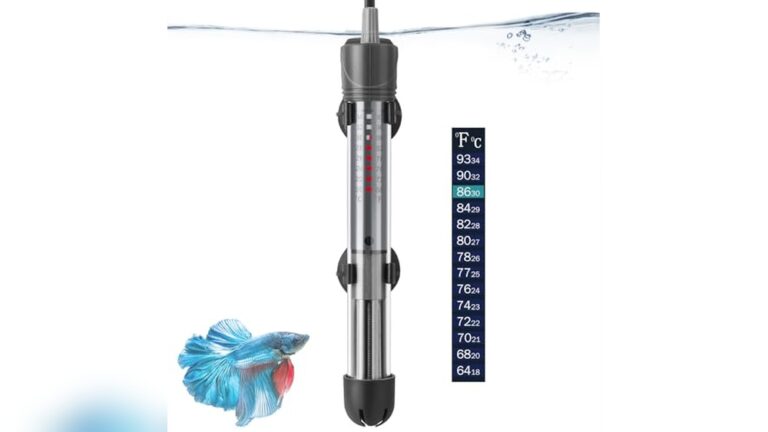
Keep water temperature between 74 and 82°F (23-28°C). Maintain pH around 7.0 to 7.5 for best health. Use a strong filter to keep water clean. Change 20-30% of the water weekly. Monitor ammonia and nitrite levels closely. Stable water conditions reduce stress and disease risks.
Tank Mates
Fahaka Puffers are aggressive and territorial. Choose tank mates with care. Avoid small or slow fish that may become prey. Larger, robust fish can sometimes coexist. Watch for signs of aggression and separate if needed. Often, keeping the Fahaka Puffer alone is safest.
Health And Diseases
Maintaining the health of your Fahaka Puffer is vital for its long life. This fish can get sick like any pet. Knowing about its common health issues helps you act fast. Healthy fish means a happy tank and less stress for you.
Common Ailments
Fahaka Puffers often face bacterial infections. These can cause white spots or redness. Parasites are another issue, causing itching and poor swimming. Swim bladder disease may make the fish float or sink. Poor water quality often leads to fin rot and skin problems.
Preventive Care
Keep the tank clean and water fresh. Test water regularly for ammonia, nitrites, and pH levels. Feed a balanced diet with fresh, meaty foods. Avoid overcrowding the tank to reduce stress and disease. Quarantine new fish to stop disease spread.
Signs Of Stress
Stress signs include loss of appetite and hiding. Rapid breathing or gasping at the surface shows trouble. Erratic swimming or rubbing against objects means discomfort. Color fading or clamped fins are warning signs. Spot these early to keep your puffer healthy.
Conservation Status
The Fahaka Puffer is a unique fish that lives in African rivers. Its conservation status shows how safe or at risk the species is. Understanding this status helps protect the Fahaka Puffer and its home. The following sections explain its population trends, threats, and protection efforts.
Population Trends
The Fahaka Puffer population has changed over time. Some areas see fewer fish than before. This decline worries scientists and nature lovers. In some rivers, numbers stay steady, but overall, the trend points down. Tracking these changes is vital to stop further loss.
Threats
The Fahaka Puffer faces several dangers. Water pollution harms its habitat and health. Overfishing reduces its numbers quickly. Habitat loss from farming and building also affects the fish. These threats make survival harder for the Fahaka Puffer.
Protection Efforts
Efforts to protect the Fahaka Puffer focus on habitat safety. Some regions set fishing limits to prevent overcatching. Clean water projects help reduce pollution in rivers. Awareness campaigns teach local communities about the fish’s needs. These steps aim to keep the Fahaka Puffer safe for the future.
Interesting Facts
The Fahaka Puffer is a fascinating fish with many unique traits. Its strange looks and behaviors catch the eye of many nature lovers. These interesting facts reveal why this fish stands out in the water. Understanding these points helps us appreciate the Fahaka Puffer more.
From its special body features to its place in culture, this fish has much to share. Some stories about this fish have become quite famous too. Let’s dive deeper into these aspects.
Unique Adaptations
The Fahaka Puffer can inflate its body to scare predators. It uses air or water to puff up quickly. This makes it look bigger and harder to eat. Its skin contains toxins that protect it from harm. These poisons make many animals avoid the fish. The Fahaka Puffer also has strong teeth to crush shells and hard food.
Cultural Significance
Many African communities know the Fahaka Puffer well. Some use its image in art and crafts. It often appears in stories and myths about the water. The fish is a symbol of protection in some places. People respect it for its power and strange looks.
Famous Sightings
Many travelers and photographers share photos of the Fahaka Puffer. It is often spotted in the Nile River and other African waters. Some aquariums display this fish for visitors to see. Its unique shape and colors make it a favorite subject. These sightings help spread knowledge about the Fahaka Puffer worldwide.
How Smart Pets Lover Can Help You with Fahaka Puffer
Practical Learning Opportunities with Your Fahaka Puffer
Getting to know your Fahaka Puffer beyond the basics of diet and care opens up a world of practical learning that deepens your connection with this fascinating fish. Observing their unique feeding habits and behaviors can teach patience and attentiveness—skills every pet parent cherishes. Understanding their health signals and common diseases sharpens your ability to provide timely care, ensuring your puffer thrives in a home aquarium.
At Smart Pets Lover, we believe that every pet interaction is a chance to learn. Whether you’re tracking your Fahaka Puffer’s growth or exploring its reproduction patterns, these moments become meaningful lessons in responsibility and empathy. Remember, a well-informed pet parent creates a happier environment for their aquatic companion.
- Keep a journal of your puffer’s feeding and activity patterns.
- Research and note any changes in behavior to catch health issues early.
- Connect with fellow enthusiasts to share insights and tips.
If you ever need guidance or want to dive deeper into puffer care, trusted resources and communities are just a message away. Embracing these learning opportunities not only benefits your Fahaka Puffer but also enriches your journey as a caring pet parent—where every wag, purr, and chirp tells a story.
Frequently Asked Questions
What Is A Fahaka Puffer Fish?
The Fahaka Puffer is a freshwater pufferfish native to Africa. It is known for its large size and distinctive spotted pattern. Fahaka Puffers are popular in aquariums due to their unique appearance and interesting behavior.
How Big Do Fahaka Puffer Fish Grow?
Fahaka Puffers can grow up to 18 inches (45 cm) in captivity. They require large tanks to accommodate their size. Proper care and space are essential for their healthy growth and well-being.
Are Fahaka Puffers Aggressive Towards Other Fish?
Yes, Fahaka Puffers are territorial and can be aggressive. They may nip fins or attack smaller fish. It is best to keep them with similarly sized or larger fish or in a species-only tank.
What Do Fahaka Puffers Eat In Captivity?
Fahaka Puffers are carnivorous and prefer a diet of snails, crustaceans, and insects. They need hard-shelled foods to help maintain their beak-like teeth. A varied diet ensures good health and vibrant colors.
Conclusion
The Fahaka Puffer is a unique and fascinating fish. It has strong defenses and a bold look. Many people enjoy keeping it in aquariums. It needs careful care and a proper tank. Watching its behavior can be very interesting. This fish adds life and character to any water space.
Understanding its needs helps it stay healthy and happy. A Fahaka Puffer can be a great pet for those ready to learn. It shows nature’s creativity in a small, spiky package.