Emerald Eye Rasbora
Are you looking to add a splash of vibrant color and lively energy to your aquarium? The Emerald Eye Rasbora might be exactly what your underwater world needs.
With its striking emerald eyes and shimmering scales, this small fish catches attention effortlessly. But it’s not just about looks—this little swimmer is easy to care for and full of personality. Keep reading to discover why the Emerald Eye Rasbora could be the perfect addition to your tank and how you can create the ideal home for it.
Your aquarium will never look the same!

Credit: aquariumfishonline.com.au
Emerald Eye Rasbora Basics
The Emerald Eye Rasbora is a small, colorful fish popular in home aquariums. Its bright eyes and shimmering body catch the attention of many fish keepers. This fish is easy to care for and adds life to any freshwater tank.
Understanding its basic traits helps create a healthy environment for this species. Below are key details about appearance, habitat, and behavior.
Appearance And Size
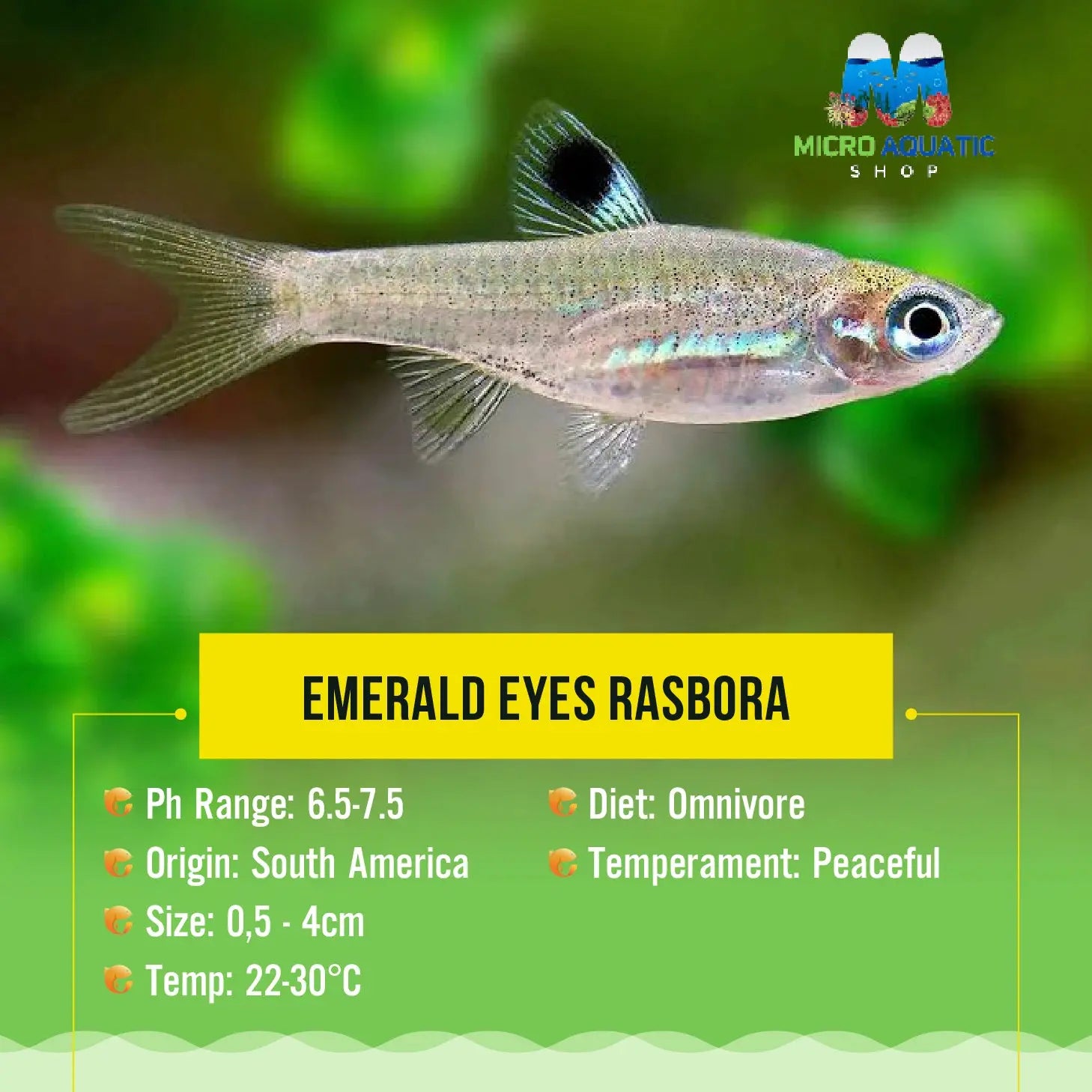
The Emerald Eye Rasbora has a slender, streamlined body. Its most notable feature is the bright green eyes that shine like emeralds. The body color ranges from silver to light gold with a subtle greenish tint.
Adults grow up to 2 inches long. Their small size makes them ideal for community tanks.
Natural Habitat
This fish lives in slow-moving streams and ponds. It prefers clear water with plenty of plants for shelter. The natural environment is warm and slightly acidic, with soft water conditions.
They come from Southeast Asia, where they thrive in shaded waters surrounded by vegetation.
Behavior Traits
Emerald Eye Rasboras are peaceful and social fish. They swim in groups and enjoy company. Schooling helps reduce stress and keep them active.
They are active swimmers but avoid strong currents. These fish prefer calm areas with hiding spots.
Credit: microaquaticshop.com.au
Tank Setup
Setting up the perfect tank for Emerald Eye Rasbora creates a healthy and vibrant home. Proper tank conditions help these small fish thrive and show their best colors. Careful choices in size, water, plants, and decorations make a big difference.
Ideal Tank Size
A tank of at least 10 gallons suits Emerald Eye Rasboras well. They swim actively and need space to move freely. A wider tank is better than a tall one. This allows more horizontal swimming area for these schooling fish. Keep them in groups of six or more to reduce stress.
Water Conditions
Emerald Eye Rasboras prefer soft water with low to moderate hardness. Maintain the pH between 6.0 and 7.0 for best health. Water temperature should stay between 72°F and 79°F (22°C to 26°C). Regular water changes keep the tank clean and stable. Avoid sudden shifts in water parameters to prevent stress.
Plants And Decorations
Live plants create a natural feel and improve water quality. Choose easy plants like Java fern and Anubias. Floating plants add shade and reduce light intensity. Use smooth decorations to prevent injury. Provide hiding spots using driftwood or small caves. A planted tank mimics their natural habitat well.
Feeding Emerald Eye Rasboras
Feeding Emerald Eye Rasboras is simple and rewarding. These small fish enjoy a varied diet that keeps them healthy and active. Understanding their feeding needs helps maintain their bright colors and lively behavior.
Providing the right food and feeding schedule supports their growth and well-being. Below are key details about their diet preferences, feeding frequency, and suitable foods.
Diet Preferences
Emerald Eye Rasboras prefer small, protein-rich foods. They like live or frozen foods that mimic their natural diet. Tiny insects, larvae, and small crustaceans are ideal. They also eat high-quality flake or pellet foods designed for small tropical fish.
Feeding Frequency
Feed Emerald Eye Rasboras twice a day. Small portions prevent overfeeding and water pollution. Offer food they can finish within two minutes. Regular feeding keeps their energy steady and colors bright.
Suitable Foods
Good food choices include brine shrimp, daphnia, and bloodworms. Freeze-dried or frozen versions work well. Flake food with balanced nutrients supports health. Occasionally, add vegetable matter for variety. This mix ensures a balanced diet for these vibrant fish.
Tank Mates
The Emerald Eye Rasbora is a peaceful and small fish. Choosing the right tank mates is important. Good companions help reduce stress and keep the tank balanced.
They thrive best with calm and gentle fish that share similar water needs. Mixing aggressive or large fish can cause problems. Proper tank mates create a happy, healthy environment.
Compatible Fish Species
Small tetras like neon and ember tetras match well. Corydoras catfish add bottom activity without stress. Small rasboras and danios also fit perfectly.
Snails and shrimp can be good tank mates too. They help clean and do not bother the rasboras. Keep the tank peaceful for best results.
Avoiding Aggressive Fish
Avoid large or aggressive fish like cichlids and bettas. They may nip fins or chase the rasboras. Larger fish can intimidate or even eat them.
Fast-moving or territorial fish stress the Emerald Eye Rasbora. Always watch fish behavior to keep peace. A calm tank helps all fish stay healthy.
Community Tank Tips
Provide plenty of plants and hiding spots. Plants reduce stress and create safe spaces. Keep the tank clean and do regular water checks.
Feed a balanced diet that suits all tank mates. Observe fish daily for signs of stress or illness. A well-planned community tank supports healthy rasboras.
Breeding Tips
Breeding Emerald Eye Rasbora can be a rewarding experience. These small fish show bright colors that make breeding exciting. Understanding their needs helps you succeed. The right environment and care are key.
Below are simple tips to guide you through the breeding process. From creating the right conditions to caring for eggs and raising fry, each step matters.
Spawning Conditions
Keep the water soft and slightly acidic. Temperature should be around 77°F to 82°F (25°C to 28°C). Use a separate breeding tank to protect eggs and adults. Provide plenty of plants or spawning mops. Dim lighting helps reduce stress. Feed adults with live or frozen food to encourage spawning.
Egg Care
Remove adults after spawning to avoid egg eating. Keep water clean and well-aerated. Avoid strong water currents that can damage eggs. Check for fungus and remove affected eggs. Eggs usually hatch in 24 to 36 hours. Maintain stable temperature during this time.
Raising Fry
Feed fry tiny foods like infusoria or newly hatched brine shrimp. Feed small amounts several times a day. Change water regularly but carefully to avoid stress. Keep the tank well-filtered and warm. Fry grow fast with good care and clean water. Separate fry if needed to prevent overcrowding.

Credit: www.youtube.com
Common Health Issues
Emerald Eye Rasboras are beautiful and peaceful fish. They are hardy but can face some health problems. Knowing common health issues helps keep them healthy longer. Early care can prevent serious diseases and stress.
Signs Of Illness
Watch for changes in behavior or appearance. Fish may stop eating or swim oddly. Look for faded colors or spots on the body. Clamped fins or rapid breathing show stress. White patches or fuzzy growths mean infection. These signs need quick attention.
Preventive Measures
Maintain clean water and stable temperature. Test water regularly for ammonia and nitrate levels. Feed a balanced diet with high-quality food. Avoid overcrowding the tank. Quarantine new fish before adding them. Keep plants and decorations clean to stop germs.
Treatment Options
Isolate sick fish in a separate tank. Use aquarium salt to reduce stress and infections. Apply medicine for specific diseases like ich or fungus. Change water often during treatment. Follow medicine instructions carefully for best results. Monitor fish closely until they recover.
Emerald Eye Rasbora Care Challenges
The Emerald Eye Rasbora is a beautiful freshwater fish. Many hobbyists enjoy keeping it. Despite its charm, caring for this fish can be tricky. It needs special attention to thrive in home aquariums. Understanding its care challenges helps keep it healthy and happy.
Water Quality Sensitivity
Emerald Eye Rasboras need clean, stable water. They do not tolerate sudden changes well. Ammonia and nitrite levels must stay at zero. Regular water testing is important. Soft, slightly acidic water suits them best. Keeping water parameters steady prevents stress and illness.
Stress Factors
This fish is shy and easily stressed. Loud noises or sudden movements frighten it. Overcrowded tanks cause anxiety. They prefer peaceful tank mates. Bright lighting can also upset them. Creating a calm environment helps reduce stress.
Long-term Maintenance
Maintaining an Emerald Eye Rasbora tank takes effort. Frequent water changes keep conditions ideal. Proper filtration is necessary to remove waste. Feeding small amounts several times daily works best. Watching for signs of illness helps catch problems early. Consistent care ensures these fish live longer.
How Smart Pets Lover Can Help You with Emerald Eye Rasbora
Learning Through Emerald Eye Rasbora Care
Understanding the delicate balance of an Emerald Eye Rasbora’s environment offers more than just fishkeeping satisfaction—it’s a hands-on lesson in aquatic ecosystems and responsible pet care. From setting up the ideal tank to mastering feeding routines, each step deepens your appreciation for these shimmering swimmers.
For example, navigating tank mates teaches patience and observation, helping you spot social behaviors and subtle health cues early on. Breeding tips introduce you to the fascinating world of fish life cycles, encouraging a mindful approach to propagation and population control.
At Smart Pets Lover, we believe that every pet journey is a story of connection and growth. If you ever need guidance on managing common health issues or overcoming care challenges, reaching out to experienced communities or aquatic specialists can turn curiosity into confidence.
Remember, your care for Emerald Eye Rasboras reflects a larger commitment to nurturing life—one thoughtful ripple at a time.
Frequently Asked Questions
What Is An Emerald Eye Rasbora?
Emerald Eye Rasbora is a small, colorful freshwater fish popular in aquariums. It has vibrant green eyes and a sleek body. This species thrives in well-planted tanks with soft, slightly acidic water. It is peaceful, making it ideal for community aquariums.
How To Care For Emerald Eye Rasbora?
Provide a stable environment with soft, acidic water and temperatures between 72-79°F. Feed them a balanced diet of flakes, pellets, and live foods. Maintain good water quality with regular changes. Keep them in groups of six or more to encourage natural behavior.
What Is The Ideal Tank Setup For Emerald Eye Rasbora?
A 20-gallon tank with plenty of plants and hiding spots suits Emerald Eye Rasboras. Use dark substrate to enhance their colors. Moderate lighting and gentle filtration are recommended. Ensure enough swimming space and stable water parameters for their well-being.
Are Emerald Eye Rasboras Peaceful With Other Fish?
Yes, Emerald Eye Rasboras are peaceful and social fish. They do well with other small, non-aggressive species. Avoid large or aggressive tank mates that may stress or harm them. Keeping them in groups promotes natural schooling behavior and reduces stress.
Conclusion
The Emerald Eye Rasbora is a bright, lively fish. It fits well in small community tanks. This fish loves clean water and gentle currents. Feeding it is simple with flakes or small live food. Watching its sparkling eyes and colors brings joy.
Caring for this fish teaches patience and attention. A peaceful aquarium needs such calm and beauty. Try adding one to your fish tank soon. You will enjoy its graceful swimming and charm. Easy to care for, it suits beginners well.
A perfect choice for any home aquarium.