Halfmoon Betta Fish
Are you looking to add a splash of vibrant color and graceful movement to your aquarium? The Halfmoon Betta Fish might be exactly what you need.
With its stunning, fan-shaped tail that spreads out like a half moon, this fish captures attention instantly. But there’s more to it than just beauty—understanding how to care for your Halfmoon Betta can make all the difference in keeping it healthy and happy.
Keep reading to discover everything you need to know to bring this mesmerizing fish into your home and watch it thrive.
Credit: tropicflow.com
Appearance And Colors
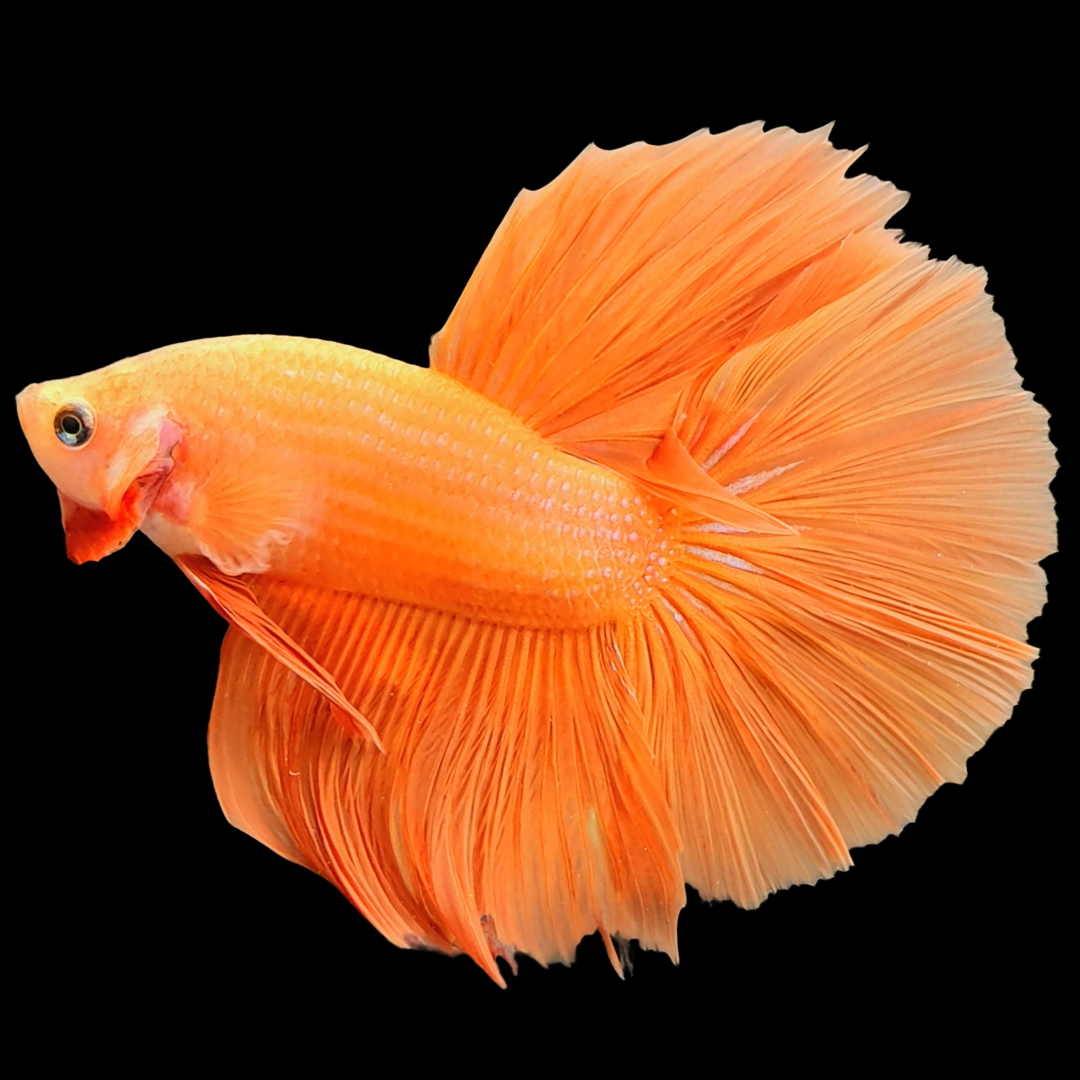
The Halfmoon Betta fish is famous for its stunning look and bright colors. This fish draws attention with its large, fan-shaped tail. Its colors shine beautifully under light. Many fish keepers love this species for its vibrant appearance and graceful movements. Understanding its tail shape, color types, and fin patterns helps appreciate its beauty better.
Tail Shape And Size
The Halfmoon Betta has a wide, round tail. The tail spreads out to 180 degrees, like a half moon. This large tail makes the fish look bigger and more elegant. The tail’s edges are smooth and curved. It moves gently in water, creating a flowing effect. The size of the tail varies but always stays broad and full.
Common Color Variations
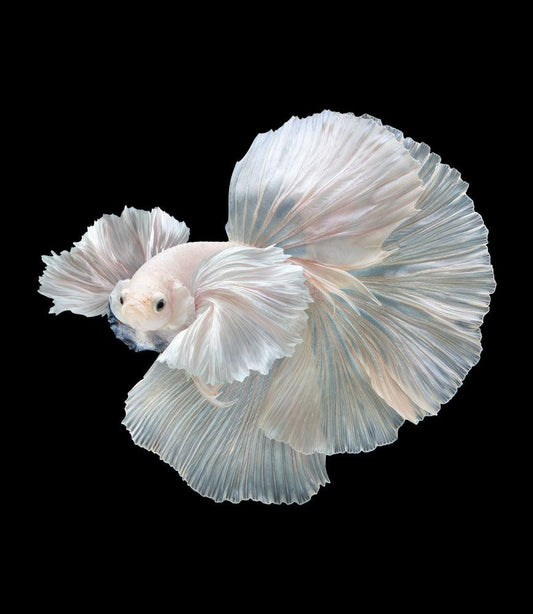
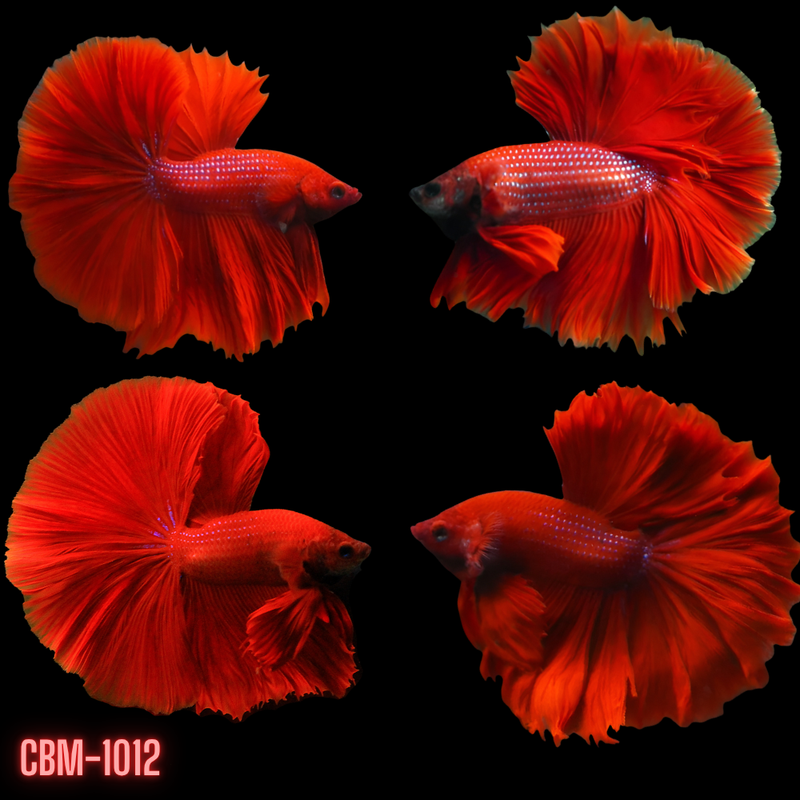
Halfmoon Bettas come in many colors. Red, blue, and white are popular choices. Some fish show a mix of colors on their body. Metallic and iridescent shades add extra shine. Colors can be solid or blended. Bright colors help the fish stand out in any aquarium.
Fin Patterns
Fin patterns give each Halfmoon Betta a unique look. Some have clear fins with color only at the edges. Others show spots or stripes on their fins. Marble patterns create a mix of colors in random spots. These patterns add charm and make each fish special. The fins look soft and delicate, enhancing the fish’s beauty.
Habitat Needs
Halfmoon Betta fish need a special home to stay healthy and happy. Their habitat must meet certain needs. These needs include the right tank size, water conditions, and decorations. Each part helps them live well and show their beautiful colors.
Providing the best environment helps your Halfmoon Betta thrive. It also reduces stress and keeps diseases away. Let’s explore what makes a perfect habitat for this stunning fish.
Tank Size And Setup
A tank of at least 5 gallons is best for a Halfmoon Betta. Small tanks can cause stress and poor health. Use a tank with a lid to prevent jumping. Gentle water flow is important because strong currents tire them out. A heater keeps the water warm and steady.
Water Conditions
Halfmoon Bettas like water temperatures between 76 and 82°F. The pH should be around 6.5 to 7.5 for comfort. Clean water is key; change 25% weekly to keep it fresh. Avoid sudden changes in temperature or pH. These can shock your fish and cause illness.
Plants And Decorations
Soft plants provide hiding spots and reduce stress. Live plants also improve water quality naturally. Avoid sharp decorations that can tear their delicate fins. Use smooth stones or silk plants instead. Decorations create a natural feel and keep your Betta active.
Feeding Habits
Halfmoon Betta fish have unique feeding habits that keep them healthy and vibrant. Understanding their diet helps in providing the right nutrition. Their eating routine is simple but needs care and attention. Feeding the correct food in proper amounts supports their bright colors and active behavior.
Diet Options
Halfmoon Bettas eat mostly protein-rich foods. High-quality betta pellets work well as a staple diet. Live or frozen foods like bloodworms, brine shrimp, and daphnia add variety. These options mimic their natural food and boost health. Small amounts of frozen or freeze-dried food keep their diet interesting.
Feeding Frequency
Feed your Halfmoon Betta twice a day. Small portions prevent overfeeding and waste. Each feeding should last only a few minutes. Uneaten food can pollute the tank and harm the fish. Observe your Betta’s behavior to adjust feeding amounts if needed.
Foods To Avoid
Avoid feeding your Betta fatty or processed human food. Bread, chips, or meat are harmful and cause digestive issues. Do not offer flakes meant for other fish species. These lack the necessary nutrients and may lead to malnutrition. Stick to betta-specific foods for best health.
Behavior Traits
The behavior traits of Halfmoon Betta fish reveal their unique personality. These fish are known for their beauty and lively nature. Understanding their behavior helps in better care and a happier tank environment.
Temperament
Halfmoon Bettas are bold and active swimmers. They often flare their large fins to show dominance. Males tend to be aggressive toward other males. Females are usually less aggressive but still protective. They enjoy exploring their surroundings constantly.
Interaction With Other Fish
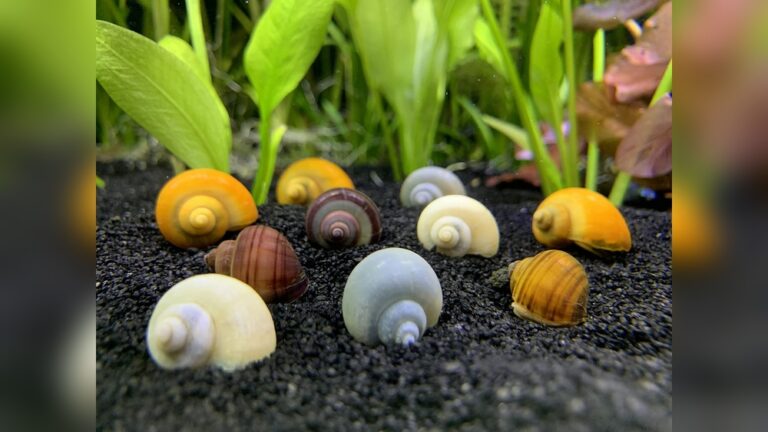
Halfmoon Bettas prefer living alone or with peaceful tank mates. They may attack fish with long, flowing fins. Small, calm fish like snails or shrimp often coexist well. Avoid placing them with other aggressive species. Proper tank setup reduces conflicts and stress.
Signs Of Stress
Stress in Halfmoon Bettas shows through clamped fins and hiding. Loss of appetite is another common sign. They may also become lethargic or show unusual swimming. Watch for color fading or rapid breathing. Early detection helps in quick recovery.
Breeding Tips
Breeding Halfmoon Betta fish can be a rewarding hobby. It needs patience and care. Understanding the basics helps create a healthy environment for the fish. This section covers key breeding tips to help you start.
Selecting Breeding Pairs
Choose healthy, vibrant fish with good colors. Select a male with a wide, full tail. The female should have a round belly but not be too fat. Avoid fish with signs of disease or stress. Keep the pair separate before breeding. This reduces aggression and stress.
Spawning Process
Prepare a clean tank with low water depth. Add a few plants or floating leaves for the nest. Introduce the male first to build the bubble nest. Then add the female carefully. Watch for courtship behaviors like flaring fins and circling. The male wraps the female and fertilizes the eggs. Remove the female once spawning ends to prevent harm.
Raising Fry
Keep the male in the tank to guard the eggs. Eggs hatch in about 24 to 36 hours. Fry become free-swimming after 3 to 4 days. Feed tiny foods like infusoria or newly hatched brine shrimp. Change water gently to keep it clean. Remove the male after fry start swimming freely to avoid aggression.
Health Issues
Halfmoon Betta fish are beautiful but delicate pets. They need good care to stay healthy. Understanding health issues helps you keep them safe. Watch for signs of illness early. Quick action can save your fish’s life.
Common Diseases
Halfmoon Bettas often face diseases like fin rot, ich, and velvet. Fin rot causes torn or ragged fins. Ich looks like white spots on the body. Velvet makes the fish look dusty or gold. Swim bladder disorder can make swimming hard. These diseases stress your fish and can be fatal.
Prevention Strategies
Keep the tank clean and water fresh. Change water regularly to avoid bacteria build-up. Feed your Betta high-quality food in small amounts. Avoid overfeeding to prevent health problems. Use a heater to keep water temperature steady. Avoid sudden changes in water conditions. Quarantine new fish before adding them to your tank.
Treatment Options
Use medicines designed for Betta fish diseases. Salt baths help treat some infections. Remove sick fish to prevent spreading disease. Increase water temperature slightly to fight parasites. Follow medicine instructions carefully. Keep the tank clean during treatment. Monitor your fish’s behavior and appetite closely.
Maintenance Checklist
Caring for a Halfmoon Betta Fish requires a clear maintenance checklist. This list helps keep your fish healthy and happy. Simple steps done regularly make a big difference. Follow these easy tasks to create a safe environment for your pet.
Regular Tank Cleaning
Clean the tank every week to remove waste and debris. Use a soft cloth or sponge to wipe the glass gently. Replace 20-30% of the water to keep it fresh. Avoid cleaning the whole tank at once to protect beneficial bacteria. This routine keeps the tank clean and your fish comfortable.
Water Quality Testing
Test the water twice a week using a water test kit. Check for ammonia, nitrite, nitrate, and pH levels. Keep ammonia and nitrite at zero for a safe tank. Maintain nitrate below 20 ppm to avoid stress. Keep pH stable between 6.5 and 7.5 for the best health. Good water quality helps your Halfmoon Betta thrive.
Monitoring Fish Health
Watch your Betta daily for signs of illness or stress. Look for changes in color, behavior, or appetite. Check for torn fins, spots, or unusual swimming. Early detection helps treat problems quickly. Healthy fish show bright colors and active movements. Regular monitoring keeps your Betta safe and well.
Credit: tropicflow.com
Credit: www.coastgemusa.com
How Smart Pets Lover Can Help You with Halfmoon Betta Fish
Learning from Your Halfmoon Betta Fish Journey
Welcoming a Halfmoon Betta Fish into your home offers more than just vibrant colors and graceful fins—it’s a hands-on lesson in responsible pet care. As you dive into understanding their habitat needs, such as proper tank size and water conditions, you’re also sharpening skills in aquarium maintenance and environmental balance. Observing their unique behavior traits teaches patience and attentiveness, essential qualities for any pet parent.
Feeding habits present another practical learning opportunity. By choosing nutritious foods and establishing a feeding routine, you nurture not only your betta’s health but also your ability to provide consistent care. At Smart Pets Lover, we believe every interaction with your fish helps build confidence and a deeper emotional connection, where each ripple in the tank tells a story.
- Keep a maintenance checklist to monitor water quality and health indicators.
- Note behavioral changes that might signal health issues early on.
- Research from trusted pet care resources or reach out to experts if questions arise.
If you ever need guidance or want to share your experiences, Smart Pets Lover is here as a friendly companion on your pet parenting journey. After all, learning is part of the joy in caring for these beautiful aquatic friends.
Frequently Asked Questions
What Is A Halfmoon Betta Fish?
A Halfmoon Betta Fish is a popular freshwater fish known for its large, 180-degree tail. It displays vibrant colors and graceful fins. This fish is a favorite among aquarium enthusiasts for its beauty and relatively easy care.
How Do You Care For A Halfmoon Betta Fish?
Provide a clean, heated tank with 75-80°F water. Feed high-quality betta pellets and occasional treats. Maintain proper filtration and perform regular water changes to keep the fish healthy and vibrant.
What Tank Size Is Best For Halfmoon Betta Fish?
A 5-gallon tank or larger is ideal for a Halfmoon Betta. It offers enough space for swimming and reduces stress. Larger tanks also help maintain water quality more easily.
Are Halfmoon Betta Fish Aggressive?
Halfmoon Bettas can be aggressive, especially males. They often fight with other males and similar-looking fish. It’s best to house them alone or with peaceful, non-fin-nipping tank mates.
Conclusion
Halfmoon Betta fish add beauty to any aquarium. They need clean water and proper care. Feeding them well keeps them healthy and bright. Their unique tail shape makes them special and loved. Patience helps you enjoy watching them grow. With the right setup, they thrive happily.
A peaceful tank makes your Betta less stressed. Keep learning about their needs for best results. Small efforts bring great joy with these fish. Enjoy the calm and charm they bring daily.