Fire Eel
Have you ever seen a fish that looks like it’s glowing with fiery colors? That’s the Fire Eel—a unique and fascinating creature that can add a splash of excitement to your aquarium.
If you want to learn how to care for this striking fish and make sure it thrives in your tank, you’re in the right place. Keep reading, and discover everything you need to know about the Fire Eel, from its behavior to the best tips for keeping it healthy and happy.
Your aquarium will never be the same!

Credit: aquadiction.world
Fire Eel Species
The Fire Eel species is a striking freshwater fish known for its bright colors and unique shape. It belongs to the loach family and is popular in aquariums. This eel-like fish has a calm nature but also shows interesting behaviors. Its appearance and habits make it a favorite among hobbyists and nature lovers.
Physical Characteristics
The Fire Eel has a long, slender body similar to an eel. Its skin is dark brown or black with bright red or orange stripes. These stripes run along its body, making it easy to recognize. It can grow up to 24 inches in length. Its small eyes and mouth help it find food in the dark waters.
Natural Habitat
Fire Eels live in slow-moving rivers and streams in Southeast Asia. They prefer muddy or sandy riverbeds with plenty of hiding spots. These fish thrive in warm, tropical waters with temperatures around 75-82°F. They often stay near plants, rocks, or submerged wood for shelter.
Behavior Patterns
This species is mostly active at night. It hides during the day to avoid predators. Fire Eels use their strong sense of smell to find food. They eat small fish, insects, and plant matter. Despite their size, they are peaceful but may defend their space if threatened.
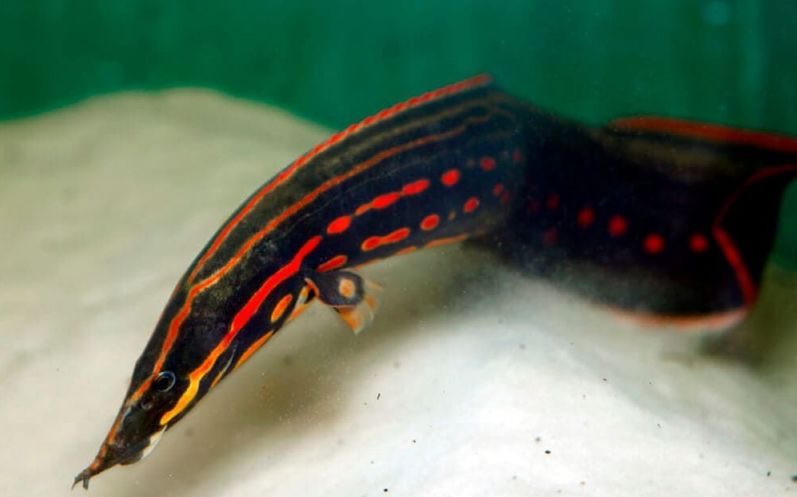
Credit: freshwateraquatica.org
Tank Setup
Setting up the right tank for a Fire Eel is very important. This eel needs space and proper water to stay healthy. A good tank setup helps the eel feel safe and active. It also makes cleaning easier and keeps water quality stable.
Below are key points to prepare the best tank for your Fire Eel.
Tank Size And Shape
Fire Eels grow quite long. They need a tank at least 55 gallons. A long and wide tank works best. Tall tanks are not good because Fire Eels like to swim near the bottom. A spacious tank helps them move freely and reduces stress.
Water Conditions
Keep water temperature between 75 and 82°F. The pH should be neutral to slightly acidic, around 6.5 to 7.5. Fire Eels prefer soft to medium hardness water. Regular water changes keep the tank clean. Good filtration is important to remove waste and toxins.
Decor And Substrate
Use soft sand or smooth gravel as substrate. Fire Eels like to dig and burrow. Add hiding spots like caves, driftwood, and plants. These decorations make the eel feel safe. Avoid sharp objects that can hurt the eel’s skin. Plants also help keep water clean and oxygenated.
Feeding Fire Eels
Feeding fire eels requires attention to their natural diet and habits. These fascinating fish have specific needs that keep them healthy and active. Understanding their food preferences helps provide the best care in captivity.
Diet In The Wild
Fire eels eat small fish, insects, and crustaceans in their natural habitat. They hunt mostly at night, using their strong sense of smell. Their diet is high in protein and varied to meet their energy needs. They also consume worms and small amphibians found in riverbeds.
Feeding In Captivity
In an aquarium, fire eels accept live, frozen, or prepared foods. Offer bloodworms, shrimp, and small fish to mimic their wild diet. High-quality sinking pellets also work well. Avoid overfeeding to prevent water pollution and health issues. Variety in food keeps them interested and nourished.
Feeding Frequency
Feed young fire eels daily for proper growth. Adult fire eels do well with feeding every two to three days. Watch their behavior to adjust feeding amounts. Remove leftover food to keep the tank clean. Regular feeding maintains their energy without causing obesity.
Compatibility With Other Fish
Fire Eels are fascinating fish but need careful choice of companions. Their size and behavior affect tank harmony. Knowing which fish can live peacefully with Fire Eels is important. This helps avoid stress and injuries in the aquarium. Understanding their temperament helps maintain a calm and healthy environment.
Suitable Tank Mates
Choose tank mates that are large and peaceful. Avoid very small fish that Fire Eels might see as food. Fish like silver dollars, large tetras, and some catfish work well. Bottom dwellers that share space without fighting are good choices. Keep in mind that Fire Eels like hiding spots, so tank mates should be able to swim freely.
Aggression Management
Fire Eels can be territorial and show aggression sometimes. Provide plenty of hiding places using plants and decorations. This reduces stress and fights. Feed Fire Eels well to prevent food-related aggression. Watch for signs of bullying or injury. Separate aggressive fish quickly to keep peace. Regular tank checks help maintain a safe space for all fish.
Health And Diseases
Fire Eels are hardy fish but can face health issues. Knowing their common illnesses helps keep them healthy. Early care prevents serious problems. Watch for signs of stress to act fast. Healthy Fire Eels live longer and look vibrant.
Common Illnesses
Fire Eels often suffer from ich, a white spot disease. It causes small white dots on their body. Another common illness is fin rot. It makes fins look ragged and torn. Bacterial infections can also affect their skin and gills. Parasites may cause itching and lethargy. Regular tank checks help catch these early.
Preventive Care
Keep the water clean and well-filtered for Fire Eels. Change water regularly to reduce toxins. Avoid sudden temperature changes; they stress the fish. Feed a balanced diet with live or frozen food. Quarantine new fish before adding them to the tank. Maintain proper tank size to reduce stress.
Signs Of Stress
Fire Eels show stress by hiding more than usual. They may stop eating or swim erratically. Color fading or loss can signal poor health. Gasping at the water surface is a serious sign. Watch for clamped fins or rapid breathing. Early detection helps prevent disease spread.
Breeding Fire Eels
Breeding fire eels requires patience and proper care. These fish have unique needs during breeding. Understanding their habits helps create the right environment. Success depends on mimicking natural conditions closely.
Breeding Conditions
Fire eels need a large tank with soft, slightly acidic water. Keep the temperature between 78°F and 82°F. Provide hiding spots using plants and caves. Low lighting reduces stress and encourages breeding. Regular water changes keep the tank clean and healthy.
Spawning Behavior
Fire eels often spawn during the rainy season in nature. They become more active and chase each other. Males display brighter colors to attract females. Eggs are usually laid on flat surfaces or plants. After spawning, adults may eat the eggs, so separate them.
Raising Fry
Fire eel fry are very small and fragile. Feed them tiny live foods like infusoria or baby brine shrimp. Keep water clean and well-oxygenated to help growth. Avoid strong water currents that can harm the fry. Gradually increase food size as they grow.
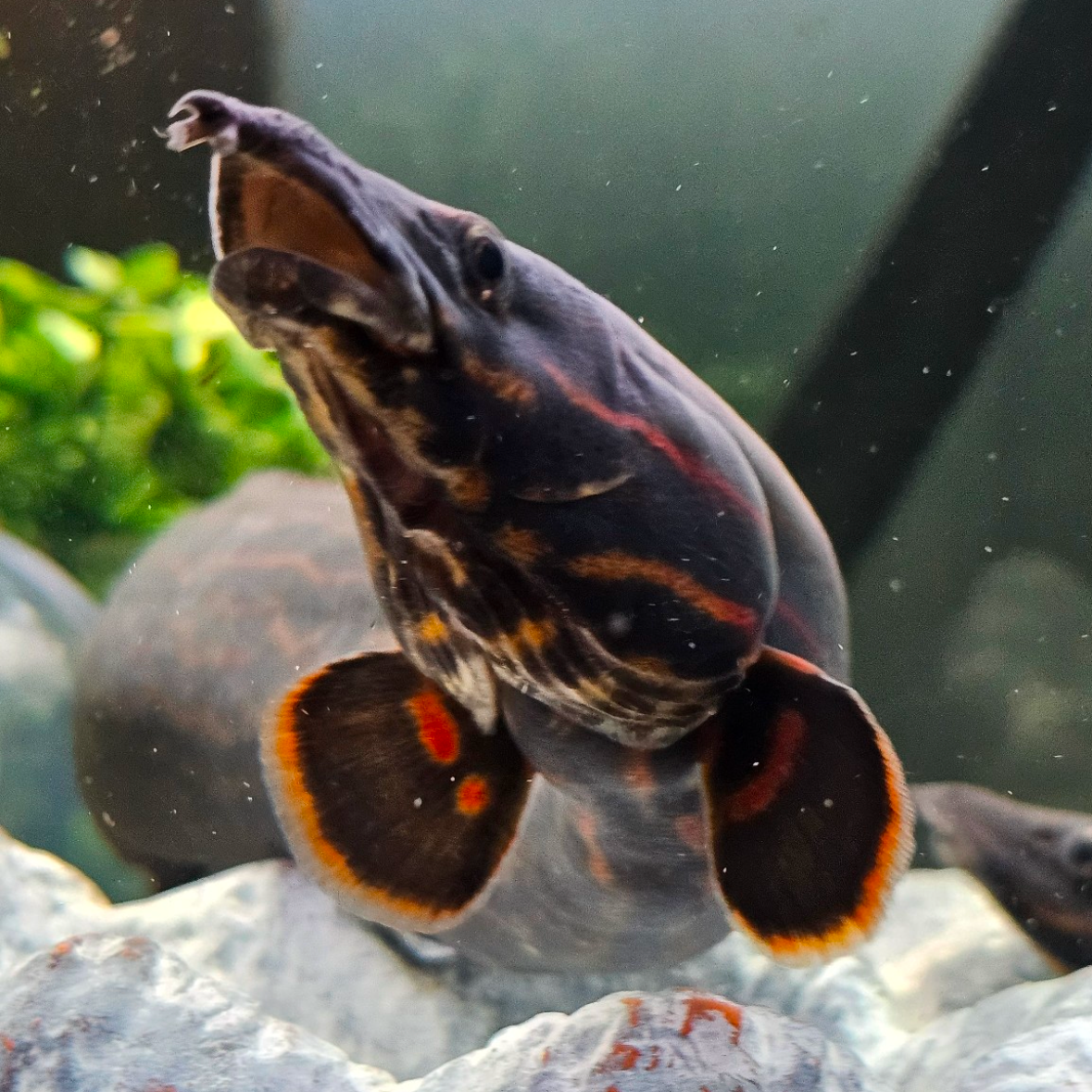
Credit: exoticfishguy.com
How Smart Pets Lover Can Help You with Fire Eel
Turning Fire Eel Care Into a Learning Journey
Welcoming a Fire Eel into your home isn’t just about setting up a tank or feeding routines—it’s an opportunity to deepen your understanding of aquatic life and responsible pet ownership. As you prepare the ideal tank setup, you’ll naturally explore water chemistry and habitat mimicry, skills that enrich your overall pet care knowledge. Observing your Fire Eel’s feeding habits not only helps ensure its health but also sharpens your ability to recognize subtle changes in behavior that might signal health issues.
Compatibility with other fish encourages a thoughtful approach to community aquariums, teaching patience and respect for each species’ unique needs. At Smart Pets Lover, we believe every pet parent’s journey is a story worth telling, one where learning and connection go hand in hand. If questions arise or you want to share your experiences, reaching out to aquatic experts or visiting forums can be a great resource to keep growing alongside your Fire Eel.
Frequently Asked Questions
What Is A Fire Eel And Where Is It Found?
The Fire Eel is a freshwater fish native to Southeast Asia. It thrives in slow-moving rivers and streams with muddy bottoms. Known for its vibrant red and black coloration, it adds color and movement to aquarium setups.
How Large Do Fire Eels Typically Grow?
Fire Eels can grow up to 3 feet (90 cm) in length. Their size requires spacious tanks for healthy growth. They need at least a 75-gallon aquarium to accommodate their active swimming habits.
What Is The Ideal Tank Setup For Fire Eels?
Fire Eels prefer tanks with soft substrate, hiding spots, and dim lighting. They enjoy caves and dense vegetation for security. Maintaining water temperatures between 75-82°F and a pH of 6. 0-7. 0 is ideal.
Are Fire Eels Aggressive Towards Other Fish?
Fire Eels are semi-aggressive and may show territorial behavior. They usually coexist with larger, robust fish but might intimidate smaller tank mates. Careful selection of compatible species helps maintain harmony.
Conclusion
The Fire Eel stands out with its bright colors and calm nature. It adds beauty and life to freshwater tanks. Care is simple with the right environment and diet. This fish suits hobbyists who enjoy peaceful, unique pets. Watching its smooth movements brings a relaxing feel.
Remember to keep the tank clean and spacious. Fire Eels offer both charm and easy care. A wonderful choice for anyone starting or expanding their aquarium.