Hillstream Loach
If you’re looking to add a unique and fascinating fish to your aquarium, the Hillstream Loach might be just what you need. This little swimmer isn’t just another fish; it’s a natural cleaner, a peaceful companion, and a conversation starter all in one.
Imagine watching your tank come alive with a fish that clings to rocks and glides gracefully through fast-moving water. Curious to know why so many aquarists are hooked on Hillstream Loaches? Keep reading, and you’ll discover everything you need to care for these remarkable creatures and make your aquarium stand out.

Credit: www.aqua-imports.com
Hillstream Loach Habitat
Hillstream Loaches live in unique places with fast, clear water. Their habitat shapes how they swim and eat. Understanding their natural home helps keep them healthy in tanks.
These fish need specific environments to feel safe and active. Replicating their habitat in aquariums can improve their life span and behavior.
Native Regions
Hillstream Loaches come from Asia, mainly in China and Southeast Asia. They live in mountain streams and rivers. These areas have rocky beds and strong water flow. The fish use rocks to hide and find food.
Water Conditions
The water must be clean and oxygen-rich. Temperatures between 68°F and 75°F suit them best. The pH level should stay neutral or slightly acidic, around 6.5 to 7.5. Strong water movement mimics their natural streams.
Tank Setup Tips
Use smooth rocks and pebbles to copy their natural floor. Keep water flowing with a good filter or powerhead. Bright lighting helps grow algae, their main food source. Add plants that can handle fast water. Regular water changes keep the tank fresh and healthy.
Credit: freshwateraquatica.org
Physical Features
The physical features of the Hillstream Loach make it a unique fish in freshwater habitats. Its body is built to live in fast-flowing streams and rocky areas. Each feature helps the fish survive and move easily in strong currents. Understanding these features helps appreciate this fascinating species.
Body Shape And Size
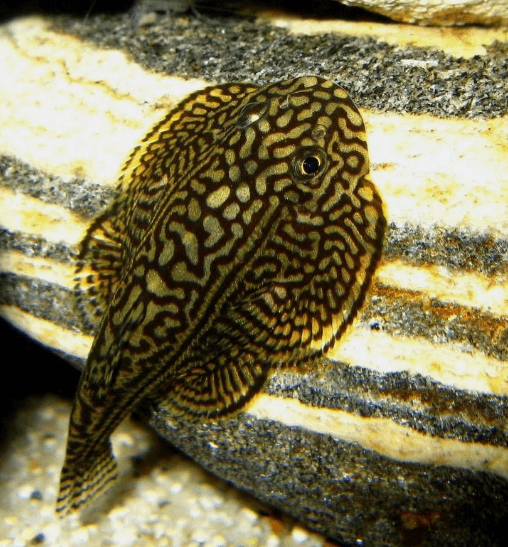
The Hillstream Loach has a flat, wide body. This shape helps it stay close to rocks. It reduces the force of flowing water on the fish. Its size is usually small, about 2 to 4 inches long. The compact body helps it hide in crevices and avoid predators.
Color Patterns
The fish shows many color patterns. Most have shades of brown, gray, or black. These colors blend with rocks and sand. Some have spots or stripes. These patterns help the fish stay hidden from predators. The natural camouflage is key to its survival.
Adaptations For Survival
Hillstream Loach has special fins that act like suction cups. These fins help the fish stick to slippery rocks. It does not get washed away by strong currents. Its mouth is shaped to scrape algae from rocks. This is its main food source. The fish also has strong muscles for swimming in fast water.
Behavior And Activity
Hillstream Loaches have unique behaviors that make them interesting pets. They show active and curious traits. Watching them helps you understand how they live.
Their activity changes with the environment. They prefer calm, flowing water. This affects how they move and eat.
Feeding Habits
Hillstream Loaches eat mostly algae and small plants. They use their mouth to scrape surfaces clean. This helps keep the tank clean too. They also enjoy small insects or pellets. Feeding should mimic their natural diet for best health.
Social Behavior
These fish like to be in groups. They feel safer with others of their kind. Fighting is rare but can happen if space is tight. They communicate through small movements and body language. Keeping several Hillstream Loaches together helps them thrive.
Movement Patterns
Hillstream Loaches move slowly and steadily. They cling to rocks and surfaces using their fins. Their shape helps them resist strong currents. They explore the tank but stay close to hiding spots. Their calm movement adds peace to any aquarium.
Diet And Nutrition
Hillstream Loaches need a special diet to stay healthy and active. Their food should match what they eat in nature. This helps them grow strong and show their best colors.
Providing the right nutrition supports their unique body and energy needs. It also keeps their digestive system working well. Feeding them properly makes your aquarium a happier place.
Natural Food Sources
Hillstream Loaches eat algae and small plants in streams. They also eat tiny insects and biofilm. Biofilm is a slimy layer made of bacteria and algae. This food is rich in nutrients and easy to digest.
In the wild, they scrape food from rocks and stones. This action helps keep their teeth clean and strong. Natural food helps them stay close to their natural behavior.
Recommended Aquarium Diet
In an aquarium, offer algae wafers and sinking pellets. These foods mimic their natural diet well. Fresh vegetables like zucchini or cucumber also work. Blanched peas can improve digestion.
Occasional treats of bloodworms or daphnia add protein. Avoid fatty or processed foods. These can harm their health and cause illness.
Feeding Frequency
Feed Hillstream Loaches small amounts twice a day. They prefer grazing over big meals. Remove uneaten food after a few hours. This helps keep the tank clean and safe.
Watch their behavior to adjust feeding times. Healthy fish are active and eager to eat. Overfeeding can lead to health problems and water pollution.
Tank Mates And Compatibility
Hillstream Loaches are peaceful fish that enjoy calm tank environments. Choosing the right tank mates is key for their health and happiness. These fish prefer species that share similar water needs and gentle behavior. Avoiding aggressive or overly active fish helps prevent stress and injuries.
Suitable Species
Good companions include small, non-aggressive fish. Examples are Corydoras catfish, Otocinclus, and small rasboras. Shrimp and snails also work well in the same tank. These species live in similar water conditions and do not bother Hillstream Loaches.
Aggressive Species To Avoid
Avoid large or aggressive fish like cichlids and tiger barbs. These fish may chase or harm Hillstream Loaches. Even fast swimmers such as danios can stress them out. Stick with peaceful species to keep the tank safe and calm.
Community Tank Tips
Provide plenty of hiding places with rocks and plants. This helps Hillstream Loaches feel secure and less stressed. Keep water flow moderate, as they prefer gentle currents. Feed all fish properly to avoid competition. Watch behavior closely for signs of stress or bullying.
Health And Common Issues
Hillstream Loaches are hardy fish but can face health problems. Knowing common issues helps keep them healthy. Early care prevents many diseases. Watch your fish closely for any unusual signs.
Signs Of Illness
Look for changes in behavior or appearance. Loss of appetite is a common sign. Gasping at the water surface shows breathing problems. White spots or patches on skin signal infections. Clamped fins or slow movement mean stress or illness. Swelling or bloating can indicate internal problems.
Preventive Care
Maintain clean water with regular changes. Keep water temperature stable around 68-75°F. Provide good water flow and oxygen. Avoid overcrowding the tank to reduce stress. Feed a balanced diet with algae and sinking pellets. Quarantine new fish before adding to the main tank.
Treatment Options
Isolate sick fish in a separate tank. Use aquarium salt to treat minor infections. Apply antifungal or antibacterial medicines if needed. Increase aeration to improve oxygen levels. Remove uneaten food to prevent water pollution. Monitor fish daily and adjust treatment as required.
Breeding Hillstream Loach
Breeding Hillstream Loach can be a rewarding challenge for fish keepers. These fish have unique needs that differ from typical aquarium species. Understanding their breeding habits helps improve success rates. Patience and attention to detail make a big difference in this process.
Breeding Conditions
Hillstream Loach prefers cool, fast-flowing water. Keep the temperature between 68°F and 75°F (20°C to 24°C). Use a strong water current to mimic natural streams. Provide smooth rocks and plenty of hiding spaces. Maintain clean water with good oxygen levels. Low light helps reduce stress and encourages breeding.
Spawning Process
Spawning often occurs on flat rocks in the tank. The female lays eggs on these surfaces. Males fertilize the eggs immediately after laying. Eggs stick well to the rocks and hatch within 7 to 10 days. Watch for increased activity and chasing behaviors. These signs indicate breeding readiness.
Raising Fry
Once hatched, fry need gentle water flow and clean conditions. Feed them tiny, high-protein foods like baby brine shrimp. Change water regularly to keep it fresh. Avoid strong currents that may tire the fry. Provide hiding spots with smooth surfaces for safety. Growth is slow but steady under proper care.

Credit: www.aquariumcoop.com
How Smart Pets Lover Can Help You with Hillstream Loach
Learning from the Hillstream Loach Experience
Getting to know the Hillstream Loach offers more than just a glimpse into a fascinating aquatic world—it’s a hands-on lesson in responsible pet care and aquarium management. Observing their unique behavior and activity patterns can teach patience and attentiveness, essential skills for any fish keeper. Understanding their specific diet and nutrition needs encourages thoughtful feeding practices that keep your tank healthy and balanced.
As you dive deeper into their habitat preferences and compatibility with other tank mates, you develop a better sense of creating harmonious environments, mirroring natural ecosystems. This process reflects the core mission of Smart Pets Lover: helping pet parents feel confident and connected through informed care. Remember, each small detail, from water flow to tank setup, contributes to your Hillstream Loach’s well-being.
- Keep a journal of your observations to track behavior changes or health concerns.
- Explore community forums or local experts for shared experiences and tips.
- Don’t hesitate to reach out to aquatic specialists if questions arise—knowledge is your best tool.
By embracing these practical learning opportunities, you’re not just caring for a fish—you’re nurturing a story, one fin flick at a time.
Frequently Asked Questions
What Is A Hillstream Loach?
A Hillstream Loach is a freshwater fish known for its unique flattened body. It thrives in fast-flowing streams and rivers. Its specialized fins help it cling to rocks in strong currents. Hillstream Loaches are popular in aquariums for their algae-eating habits and interesting appearance.
How Do Hillstream Loaches Behave In Aquariums?
Hillstream Loaches are peaceful and shy fish. They prefer well-oxygenated water with strong currents. These fish enjoy hiding among rocks and plants. They are active during the day and help control algae growth. Keeping them in groups improves their natural behavior and reduces stress.
What Is The Ideal Tank Setup For Hillstream Loach?
A tank with high water flow and oxygenation suits Hillstream Loaches best. Use smooth rocks and driftwood for hiding spots. Maintain a temperature between 68-75°F (20-24°C). Keep the pH slightly acidic to neutral, around 6. 5-7. 5. Regular water changes help mimic their natural environment.
What Do Hillstream Loaches Eat In Captivity?
Hillstream Loaches primarily eat algae and biofilm in the wild. In aquariums, supplement their diet with algae wafers and blanched vegetables. They also accept small live or frozen foods like daphnia and bloodworms. A varied diet ensures their health and vibrant coloration.
Conclusion
Hillstream Loaches bring life and interest to freshwater tanks. They stay active and help keep algae under control. These fish need clean, fast-flowing water to thrive. Their unique look makes them a favorite for many hobbyists. Caring for them is simple with the right setup.
They fit well in community tanks with peaceful species. Enjoy watching their natural behavior every day. Choosing Hillstream Loaches adds variety and charm to your aquarium.