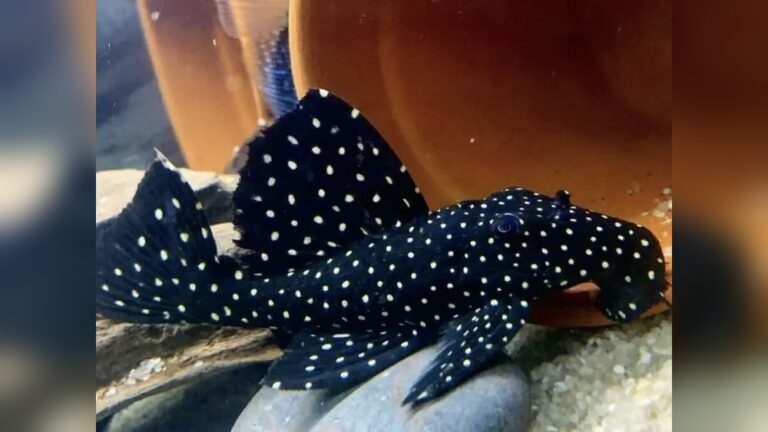
Blue Cichlid
Are you looking to add a splash of vibrant color to your aquarium? The Blue Cichlid might be exactly what your underwater world needs.
Known for its striking blue hues and lively personality, this fish can transform your tank into a stunning display. But before you bring one home, it’s important to understand what makes the Blue Cichlid unique and how to care for it properly.
Keep reading to discover everything you need to know to make your aquarium shine with this beautiful fish.
Credit: aquariumfishonline.com.au
Blue Cichlid Species
The Blue Cichlid species are a striking group of fish known for their vibrant blue colors. These fish attract many aquarium hobbyists. Their beauty and behavior make them popular pets worldwide.
Understanding the different types of Blue Cichlids helps in choosing the right one for your tank. Each species has unique traits and care needs. Learning about their habitat and features is essential for proper care.
Popular Varieties
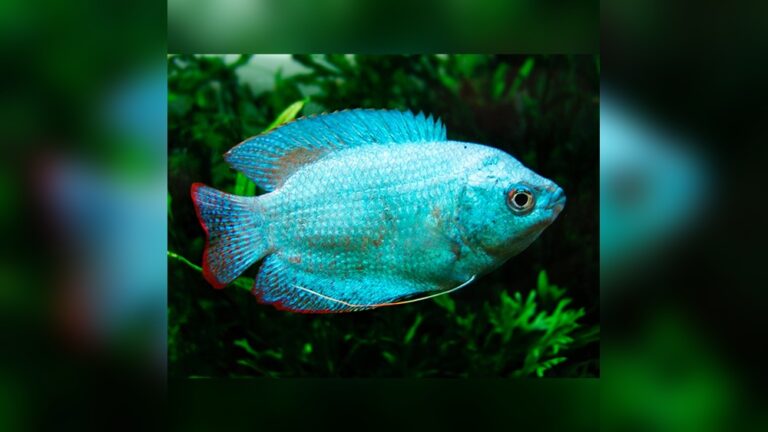
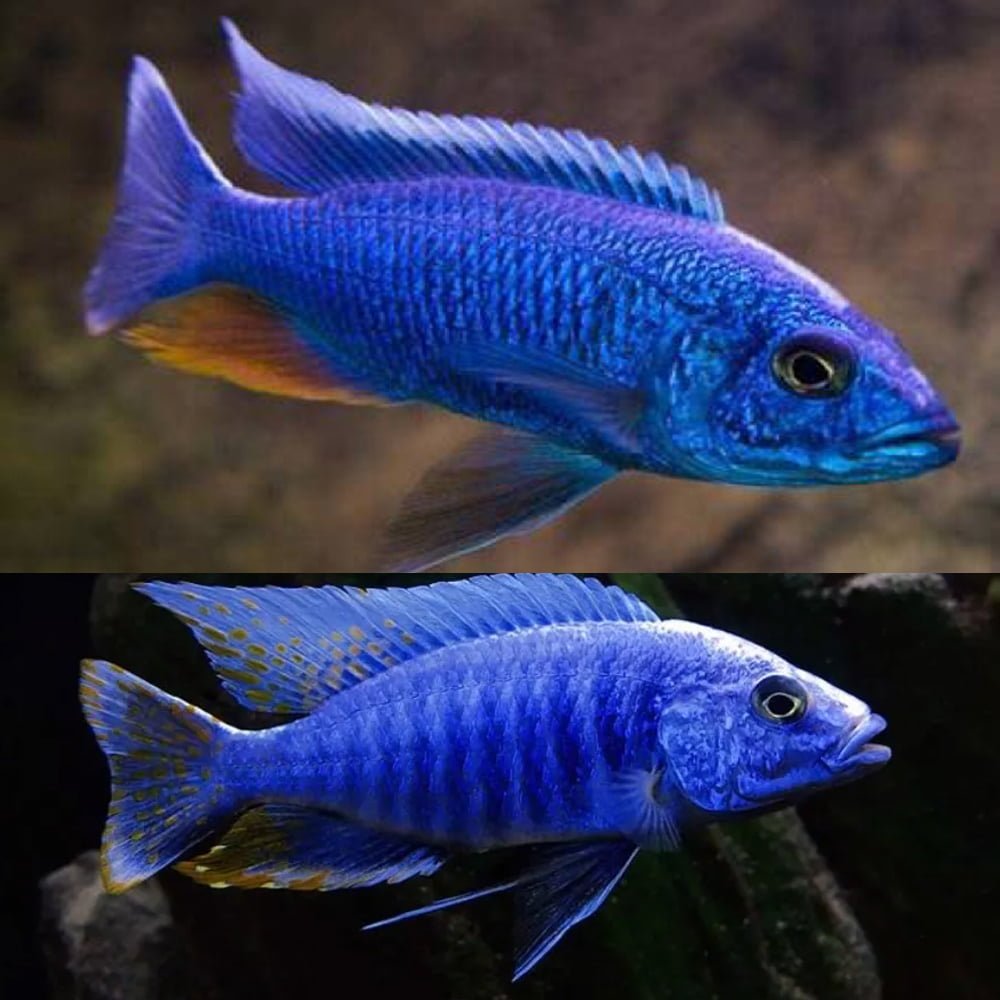
Several Blue Cichlid varieties exist. The Electric Blue Hap is a favorite for its bright electric blue shade. The Blue Peacock Cichlid shows a mix of blue and yellow. The Electric Blue Johanni is smaller but equally stunning. Each variety offers a unique look and personality.
Natural Habitat
Blue Cichlids come from African lakes like Lake Malawi. These lakes have clear water and rocky shores. The fish hide among rocks to avoid predators. They thrive in warm water with stable temperatures. Knowing their habitat helps create a similar environment in aquariums.
Physical Features
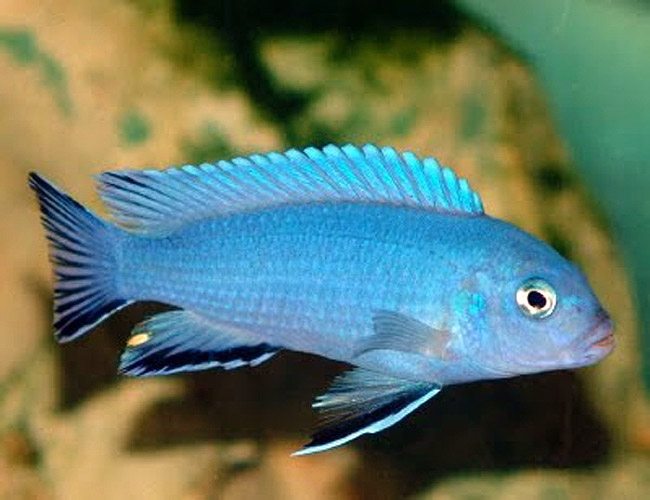
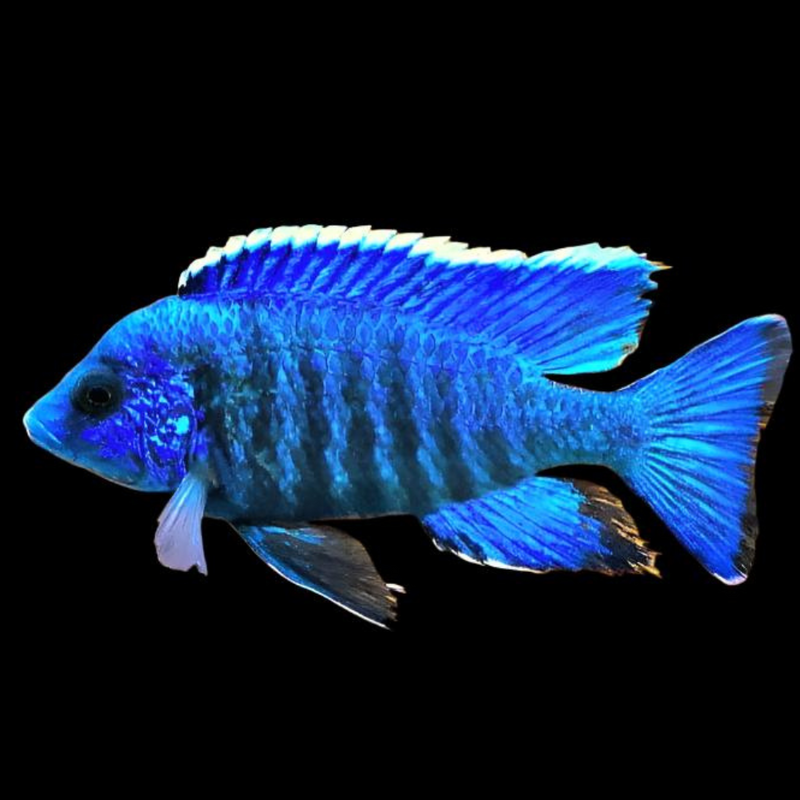
Blue Cichlids have bright blue scales that shimmer under light. Their body shape is elongated and slightly compressed. Males often show brighter colors and larger fins. They have sharp teeth for feeding on small insects and plants. These features make them easy to recognize and admire.
Tank Setup
Setting up a tank for Blue Cichlids requires attention to detail. Proper tank setup helps these fish stay healthy and active. It also makes their colors shine bright. A good environment mimics their natural habitat in Lake Malawi. This creates a safe and comfortable space for them.
Below are the key points to consider when preparing your tank for Blue Cichlids.
Ideal Tank Size
Blue Cichlids need space to swim freely. A tank of at least 30 gallons is best. Larger tanks help reduce aggression among fish. They also give room for decorations and hiding spots. For multiple Blue Cichlids, consider a 50-gallon or bigger tank.
Water Conditions
These fish thrive in warm water. Keep the temperature between 75 and 82 degrees Fahrenheit. The water pH should be between 7.8 and 8.6. Hard water with good mineral content is ideal. Regular water changes keep the tank clean and healthy. Use a good filter to maintain water quality.
Decor And Substrate
Blue Cichlids enjoy rocky environments with caves. Use rocks to build hiding spots and territories. Sand or fine gravel works well for the substrate. Avoid sharp decorations that can hurt the fish. Live plants are optional but choose hardy ones. Plants can provide extra hiding places and improve water quality.
Feeding Blue Cichlids
Feeding Blue Cichlids is key to their health and color. Proper nutrition helps them grow strong and stay active. Knowing what and how to feed them makes a big difference in their life.
Blue Cichlids need a balanced diet. They eat both plants and small animals. Feeding them right keeps their natural colors bright and their behavior lively.
Diet Types
Blue Cichlids are omnivores. They eat flakes, pellets, and live foods. Offer high-quality cichlid pellets for basic nutrition. Include frozen or live foods like brine shrimp or bloodworms. Vegetables like spinach or peas are good too. A mix of these foods keeps them healthy and satisfied.
Feeding Schedule
Feed Blue Cichlids twice a day. Give small amounts each time. Overfeeding causes water problems and health issues. Feed what they can eat in 2-3 minutes. Keep a regular schedule to reduce stress and improve digestion.
Supplements And Treats
Occasional treats boost Blue Cichlids’ health. Use vitamin-enriched foods or spirulina flakes. These improve color and immune strength. Avoid too many treats to keep a balanced diet. Treats should be a small part of their food intake.
Credit: azgardens.com
Behavior And Temperament
The Blue Cichlid is known for its lively and interesting behavior. Understanding its temperament helps in creating a good home environment. These fish have unique traits that make them popular among aquarium lovers. Observing their social and aggressive behaviors is key to keeping them healthy and happy.
Social Dynamics
Blue Cichlids enjoy living in groups. They form clear social hierarchies. Dominant fish lead the group while others follow. This structure reduces constant fighting. Watching their interactions can be fascinating. They communicate through body language and color changes.
Aggression Management
Blue Cichlids can be aggressive, especially males. Territorial disputes are common. Providing plenty of hiding spots lowers fights. Keeping enough space in the tank is important. Regular monitoring helps catch early signs of stress. Feeding on time also reduces aggression.
Compatibility With Other Fish
These fish do best with similar-sized tank mates. Avoid small, slow, or very shy fish. Other cichlids with similar temperaments can work. Peaceful community fish may get bullied. Careful selection keeps the tank peaceful. Grouping Blue Cichlids with care ensures harmony.
Breeding Tips
Breeding Blue Cichlids can be a rewarding experience. These fish show interesting behaviors during spawning. Understanding their needs helps increase the chances of success. Below are key tips for breeding Blue Cichlids.
Spawning Conditions
Keep the water temperature between 78 and 82 degrees Fahrenheit. Maintain a pH level close to neutral, around 7.0. Provide plenty of hiding spots using rocks and plants. Use a separate breeding tank to reduce stress. Ensure the tank is clean and well-filtered. Bright light encourages spawning activity in Blue Cichlids.
Egg Care
Blue Cichlids lay eggs on flat surfaces like rocks. Remove the parents after spawning to protect the eggs. Use a gentle air stone to keep water moving around the eggs. Check for fungus and remove dead eggs carefully. Keep water temperature stable to avoid harming eggs. Eggs usually hatch within 3 to 5 days.
Raising Fry
Feed newly hatched fry with infusoria or liquid fry food. After a week, introduce baby brine shrimp or finely crushed flakes. Change water often to keep it clean. Keep the tank dim to reduce stress on fry. Avoid overfeeding to maintain water quality. Fry grow fast and need plenty of space.
Common Health Issues
Blue Cichlids are beautiful and popular aquarium fish. Like all fish, they can face health problems. Knowing common health issues helps keep your fish safe and happy. Early care can prevent many diseases. Understanding signs, prevention, and treatment is key for healthy Blue Cichlids.
Signs Of Illness
Watch for changes in behavior or appearance. A sick Blue Cichlid may swim less or hide more. Look for spots, discoloration, or torn fins. Gasping at the water surface can mean low oxygen or illness. Loss of appetite is also a common sign. Keep an eye on these signs daily.
Preventive Care
Clean water is the best way to prevent illness. Change water regularly and check temperature often. Avoid overcrowding the tank to reduce stress and disease. Feed a balanced diet to keep your fish strong. Quarantine new fish before adding them to your tank. Healthy habits stop many health problems.
Treatment Options
Isolate sick fish to stop disease spread. Use medicine made for aquarium fish only. Follow the instructions carefully for best results. Improve water quality to help fish heal faster. Sometimes, a water change is the simplest treatment. Seek advice from a vet or expert if needed.
Maintaining Water Quality
Maintaining water quality is vital for the health of Blue Cichlids. Clean water keeps them active and bright. Poor water quality can cause stress and illness. Regular care ensures a safe environment for these fish.
Filtration Systems
Use a good filtration system to remove waste and toxins. Filters help keep water clear and safe. Choose filters that match your tank size. Mechanical, biological, and chemical filtration all work together. Change filter media as recommended for best results.
Regular Testing
Test water often to check ammonia, nitrite, and nitrate levels. Use simple test kits from pet stores. Keep pH and hardness stable for Blue Cichlids. Testing helps catch problems early before fish get sick. Record results to track changes over time.
Water Change Practices
Change part of the water regularly to reduce toxins. Replace 20-30% of the water weekly. Use dechlorinated water at the same temperature as the tank. Avoid changing all water at once to prevent stress. Consistent water changes keep fish healthy and vibrant.
Credit: www.coastgemusa.com
How Smart Pets Lover Can Help You with Blue Cichlid
Learning Through Caring for Your Blue Cichlid
Welcoming a Blue Cichlid into your home aquarium offers more than just visual delight—it’s a hands-on lesson in aquatic care and responsibility. Observing their behavior and temperament can teach patience and understanding, especially as you navigate their sometimes territorial nature. Maintaining water quality becomes a practical exercise in environmental stewardship, reminding us how vital clean, balanced habitats are for healthy pets.
Feeding your Blue Cichlid encourages you to explore nutritional needs, sharpening your ability to provide a diet that supports vibrant health and activity. For many pet parents, these daily routines evolve into a meaningful connection, where every ripple in the tank tells a story of care and commitment.
- Monitor water parameters regularly to ensure a stable environment.
- Note behavioral changes as indicators of health or mood shifts.
- Keep a feeding schedule that mimics natural dietary patterns.
At Smart Pets Lover, we believe every interaction with your pet is a chance to learn and grow together. If you ever need guidance or want to share your Blue Cichlid journey, feel free to reach out—because where every wag, purr, and chirp tells a story, your fish’s tale is just as important.
Frequently Asked Questions
What Is A Blue Cichlid Fish?
The Blue Cichlid is a popular freshwater fish known for its vibrant blue color. It is native to Lake Malawi in Africa and is favored in aquariums for its striking appearance and active behavior.
How To Care For Blue Cichlid At Home?
Blue Cichlids need a spacious tank with clean, well-filtered water. Maintain pH between 7. 8-8. 6 and temperature around 75-82°F. Provide rocks and hiding spots. Feed them a balanced diet of pellets, flakes, and occasional live food.
Are Blue Cichlids Aggressive Fish?
Yes, Blue Cichlids can be territorial and aggressive, especially males. They do best with similar-sized fish and plenty of space to reduce conflicts. Avoid overcrowding to maintain a peaceful aquarium environment.
What Do Blue Cichlids Eat?
Blue Cichlids are omnivores. They eat high-quality cichlid pellets, flakes, and occasional live or frozen foods like brine shrimp. A varied diet helps maintain their health and vibrant coloration.
Conclusion
Blue Cichlids bring color and life to any aquarium. They are hardy and easy to care for. Their bright blue shade makes them stand out. They enjoy a peaceful tank with similar fish. Feeding them well helps keep them healthy and active.
Watching their behavior can be quite fun. A Blue Cichlid can be a great pet for beginners. Enjoy the beauty and calm they add to your home. Simple care leads to happy, vibrant fish. Give them a proper home, and they will thrive.