Lemon Tetra
Are you looking to add a splash of color and life to your aquarium? The Lemon Tetra might be exactly what you need.
With its bright yellow body and sparkling fins, this little fish can instantly brighten up your tank. But there’s more to the Lemon Tetra than just good looks. Understanding its care needs and behavior will help you create the perfect home for it—and keep it thriving.
Keep reading to discover everything you need to know about bringing this vibrant fish into your underwater world.
Credit: thefishroom.co.nz
Lemon Tetra Basics
The Lemon Tetra is a popular freshwater fish loved by many aquarium hobbyists. It is easy to care for and adds bright color to any tank. Understanding its basics helps create a healthy environment for these fish. Let’s explore the key facts about the Lemon Tetra.
Appearance And Size
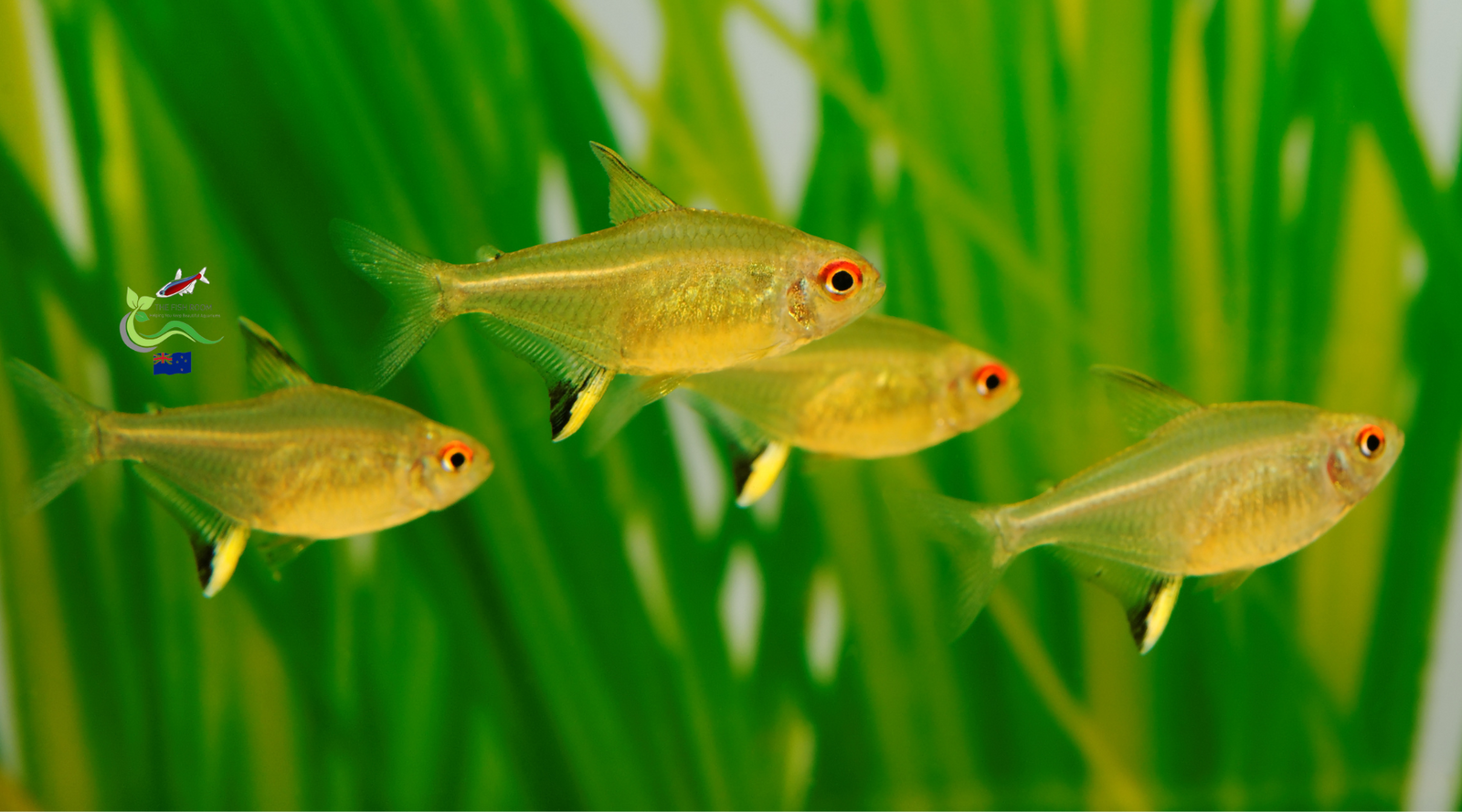
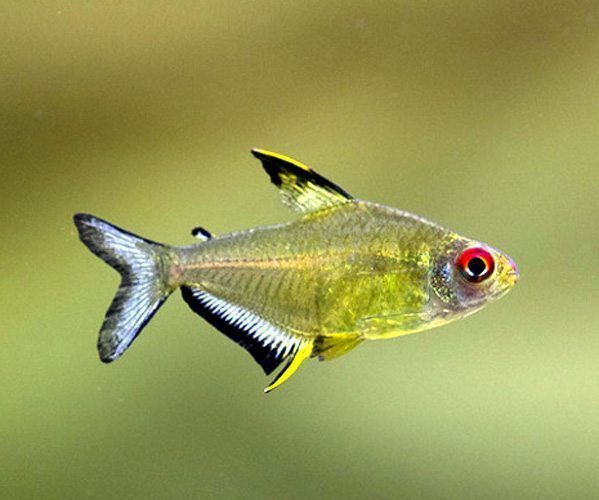
The Lemon Tetra has a bright yellow body that shines under light. Its translucent fins have a slight blue tint. These fish grow up to 1.5 inches long. Their small size makes them perfect for community tanks.
Natural Habitat
Lemon Tetras live in slow-moving rivers and streams in South America. They prefer clear water with plants and rocks. These areas have soft, slightly acidic water. Mimicking these conditions helps the fish stay healthy in aquariums.
Behavior Traits
Lemon Tetras are peaceful and social fish. They swim in groups and feel safer in numbers. They are active during the day and enjoy swimming in the middle levels of the tank. These fish rarely bother other species and stay calm.
Tank Setup
Setting up the right tank for Lemon Tetras helps them stay healthy and happy. A good tank setup creates a safe place for them to swim and explore. It also keeps the water clean and balanced, which is very important.
Here are key points to consider for a perfect Lemon Tetra tank setup.
Ideal Tank Size
Lemon Tetras need space to swim freely. A tank of at least 20 gallons is best. This size fits a small school of Lemon Tetras comfortably. More space means less stress and better health for the fish.
Keep the tank longer than it is tall. This shape matches their swimming style well.
Water Parameters
Keep the water temperature between 72°F and 79°F. Lemon Tetras like slightly soft water. The pH should be around 6.0 to 7.0. Regular water changes help keep these levels steady.
Good filtration is key. It keeps water clean and clear without strong currents.
Decor And Plants
Use plants to create hiding spots and shelter. Live plants like Java fern and Anubias work well. Add smooth rocks and driftwood for natural decoration.
Open swimming areas are important too. This balance helps Lemon Tetras feel safe but free to move.
Feeding Lemon Tetras
Feeding Lemon Tetras is a key part of keeping them healthy and active. These small fish need a balanced diet to thrive in your aquarium. Providing the right food helps maintain their bright colors and lively behavior.
Diet Types
Lemon Tetras are omnivores. They eat both plant and animal matter. A mix of flakes, pellets, and live or frozen food works well. Variety keeps their diet interesting and nutritious.
Feeding Frequency
Feed Lemon Tetras two times each day. Small portions are best. Overfeeding can cause water problems. Remove any leftover food after a few minutes.
Common Food Choices
Common foods include high-quality flake food and micro pellets. Live foods like daphnia, brine shrimp, or bloodworms are great treats. Frozen foods are a good alternative to live options.
Tank Mates
Lemon Tetras are peaceful fish that thrive in community tanks. Choosing the right tank mates helps maintain harmony and reduce stress. They do well with other small, calm fish that share similar water needs. Understanding their behavior and aggression levels helps pick suitable companions. Schooling behavior also plays a big role in their social life.
Compatible Species
Lemon Tetras get along with many small fish. Good options include other tetras like Neon Tetras and Glowlight Tetras. Corydoras catfish and small rasboras also work well. Avoid large or aggressive fish. Snails and shrimp can be good tank mates too. Keep species that prefer similar water conditions.
Aggression Levels
Lemon Tetras are peaceful and rarely show aggression. They might become shy around aggressive fish. Aggressive tank mates cause stress and hide behavior. Choose calm fish to keep the tank peaceful. Monitor fish behavior regularly for signs of bullying. Aggression can hurt their health and happiness.
Schooling Behavior
Lemon Tetras love to swim in groups. Keep at least six to encourage natural schooling. This reduces stress and makes them feel safe. Schooling also adds color and movement to the tank. Avoid keeping them alone or in small numbers. A proper group creates a lively and healthy environment.
Breeding Lemon Tetras
Breeding Lemon Tetras can be a rewarding experience for fish keepers. These small, bright fish show interesting behavior during spawning. Understanding their needs helps ensure success in breeding. The process requires patience and attention to detail.
Proper care of eggs and fry is crucial. This section explains how to create ideal conditions and raise healthy young fish.
Spawning Conditions
Lemon Tetras prefer soft, slightly acidic water for spawning. Keep the temperature around 78°F (25.5°C). Use a separate breeding tank with dim lighting. Add fine-leaved plants or spawning mops for egg attachment. Maintain clean water and avoid sudden changes.
Egg Care
After spawning, remove adult fish to prevent egg eating. Keep the water clean and well-oxygenated. Eggs hatch in about 24 to 36 hours. Avoid strong water flow, as it can damage the eggs. Watch for fungus and remove affected eggs carefully.
Raising Fry
Fry start swimming after 3 to 4 days. Feed them infusoria or liquid fry food at first. Gradually introduce baby brine shrimp or crushed flakes. Change water regularly but gently. Provide hiding places to reduce stress. Growth is slow but steady with proper care.

Credit: en.wikipedia.org
Health And Diseases
Lemon Tetras are small, bright fish that brighten any aquarium. Keeping them healthy is important for their colors and activity. Understanding common diseases helps keep your fish safe. Early care can prevent illness and keep your tank clean. Healthy fish live longer and swim happily.
Common Illnesses
Lemon Tetras can get several common illnesses. Ich is a frequent parasite causing white spots on the body. Fin rot leads to torn or ragged fins. Swim bladder disease makes it hard for fish to swim properly. Fungal infections may appear as white cottony growths.
Prevention Tips
Keep the tank clean by changing water regularly. Use a good filter to remove waste and toxins. Avoid overcrowding to reduce stress and disease spread. Feed a balanced diet with quality flakes or pellets. Quarantine new fish before adding them to your tank.
Treatment Options
Medicines can treat most Lemon Tetra diseases quickly. Use ich treatment solutions for white spot disease. Antibiotic medicines help with fin rot and bacterial infections. Salt baths can ease stress and fight parasites. Always follow instructions carefully when using treatments.
Tips For Beginners
Lemon Tetras are small, bright, and peaceful fish. They bring life to any freshwater aquarium. Beginners must learn how to care for them well. Simple tips help keep these fish healthy and happy. Follow these easy steps for a smooth start with Lemon Tetras.
Maintenance Routine
Clean the tank regularly to keep water clear. Change about 20% of the water every week. Use a water conditioner to remove harmful chemicals. Check the water temperature daily; it should stay between 74°F and 78°F. Test the water for pH and hardness. Lemon Tetras prefer slightly acidic to neutral water. Feed small amounts twice a day. Remove uneaten food after a few minutes to avoid pollution.
Avoiding Common Mistakes
Do not overfeed your Lemon Tetras. Overfeeding causes water quality problems and health issues. Avoid keeping them with aggressive fish. Lemon Tetras are peaceful and can get stressed easily. Do not place them in a tank that is too small. A minimum of 10 gallons is best. Avoid sudden changes in water temperature or chemistry. These can shock the fish and cause illness.
Enhancing Fish Colors
Feed a varied diet including high-quality flakes and live or frozen foods. Foods rich in carotenoids bring out the bright yellow color. Provide good lighting but avoid direct sunlight. A natural day and night cycle helps maintain their colors. Keep plants and decorations in the tank. These create a natural environment that reduces stress. Stress-free fish show their best colors every day.
Credit: azgardens.com
How Smart Pets Lover Can Help You with Lemon Tetra
Learning Through Caring for Your Lemon Tetra
Taking care of Lemon Tetras offers more than just the joy of watching their vibrant colors; it’s a hands-on way to deepen your understanding of aquatic life. From setting up the perfect tank environment to mastering their feeding needs, each step is a practical learning opportunity. For instance, creating a balanced tank setup not only supports their health but also teaches you about water chemistry and ecosystem balance.
- Observing tank mates helps you appreciate the dynamics of community aquariums and fish behavior.
- Monitoring health and recognizing early signs of disease sharpens your skills in responsible pet care.
At Smart Pets Lover, we believe that every pet parent can build a meaningful connection with their fish by embracing these learning moments. If you ever need more detailed advice or support, reaching out to experienced aquarists or visiting trusted pet care forums can be incredibly helpful. After all, nurturing your Lemon Tetra is a wonderful way to grow as a compassionate and informed pet owner.
Frequently Asked Questions
What Is A Lemon Tetra Fish?
A Lemon Tetra is a small, vibrant freshwater fish. It features bright yellow coloring and a distinctive black spot near its tail. It’s popular in community aquariums due to its peaceful nature and ease of care.
How Big Do Lemon Tetras Grow?
Lemon Tetras grow up to 1. 5 inches (4 cm) in length. Their small size makes them ideal for medium-sized aquariums. They remain compact and active throughout their lifespan.
What Tank Conditions Do Lemon Tetras Need?
Lemon Tetras thrive in water with temperatures between 72-79°F (22-26°C). They prefer a pH of 6. 0-7. 5 and soft to moderate water hardness. A well-planted tank with gentle filtration suits their natural habitat.
Are Lemon Tetras Peaceful Community Fish?
Yes, Lemon Tetras are peaceful and social fish. They do best in groups of six or more. They coexist well with other small, non-aggressive fish, making them excellent community tank residents.
Conclusion
Lemon Tetras bring bright color and life to any aquarium. They are small, peaceful fish that fit well in groups. Caring for them is simple with the right water and food. They add beauty and calmness to your fish tank.
Enjoy watching their lively swimming and shimmering yellow shade. These fish make a great choice for beginners and hobbyists alike. Keep your Lemon Tetras healthy, and they will thrive happily. A lovely addition to your aquatic world.