Butterfly Betta
If you’re looking to add a splash of color and elegance to your aquarium, the Butterfly Betta is a perfect choice. These stunning fish are known for their vibrant, flowing fins that look like delicate butterfly wings.
But there’s more to them than just beauty. Understanding their care needs and unique traits will help you keep them happy and thriving. Ready to discover everything about Butterfly Bettas and how to make your tank a captivating underwater haven?
Keep reading, and you’ll learn all the secrets to becoming the best Betta owner.
Betta Basics
Understanding the basics of Betta fish helps you care for them better. These small, colorful fish have a unique charm. They brighten any aquarium with their vibrant colors and lively movements. Knowing their traits and species can make your experience more enjoyable.
Betta fish are popular pets. Their beauty and personality attract many fish keepers. Learning about their needs is the first step to a healthy, happy fish.
Betta Species Overview
Betta fish belong to the gourami family. They live naturally in Southeast Asia’s shallow waters. These waters include rice paddies, ponds, and slow-moving streams. There are over 70 Betta species, but Betta splendens is the most common pet fish. This species is known for its bright colors and long fins. Butterfly Bettas are a special variety of Betta splendens. They have distinct fin patterns that look like butterfly wings.
Key Betta Traits
Bettas are famous for their vivid colors. Their fins come in many shapes and sizes. They use their fins to show mood and attract mates. Bettas can breathe air from the surface. This trait helps them survive in low-oxygen water. They are territorial and often aggressive to other males. Bettas prefer warm water between 76-82°F. They eat mostly protein, like insects and larvae. Bettas are smart and can learn simple tricks.
Butterfly Betta Traits
The Butterfly Betta is a popular fish known for its unique looks. This betta species stands out with special traits. These traits make it a favorite among fish lovers. Understanding these features helps in caring for them better.
These traits include their fin patterns, colors, and behavior. Each trait adds to the charm of the Butterfly Betta. Let’s explore these key traits in detail.
Distinctive Fin Patterns
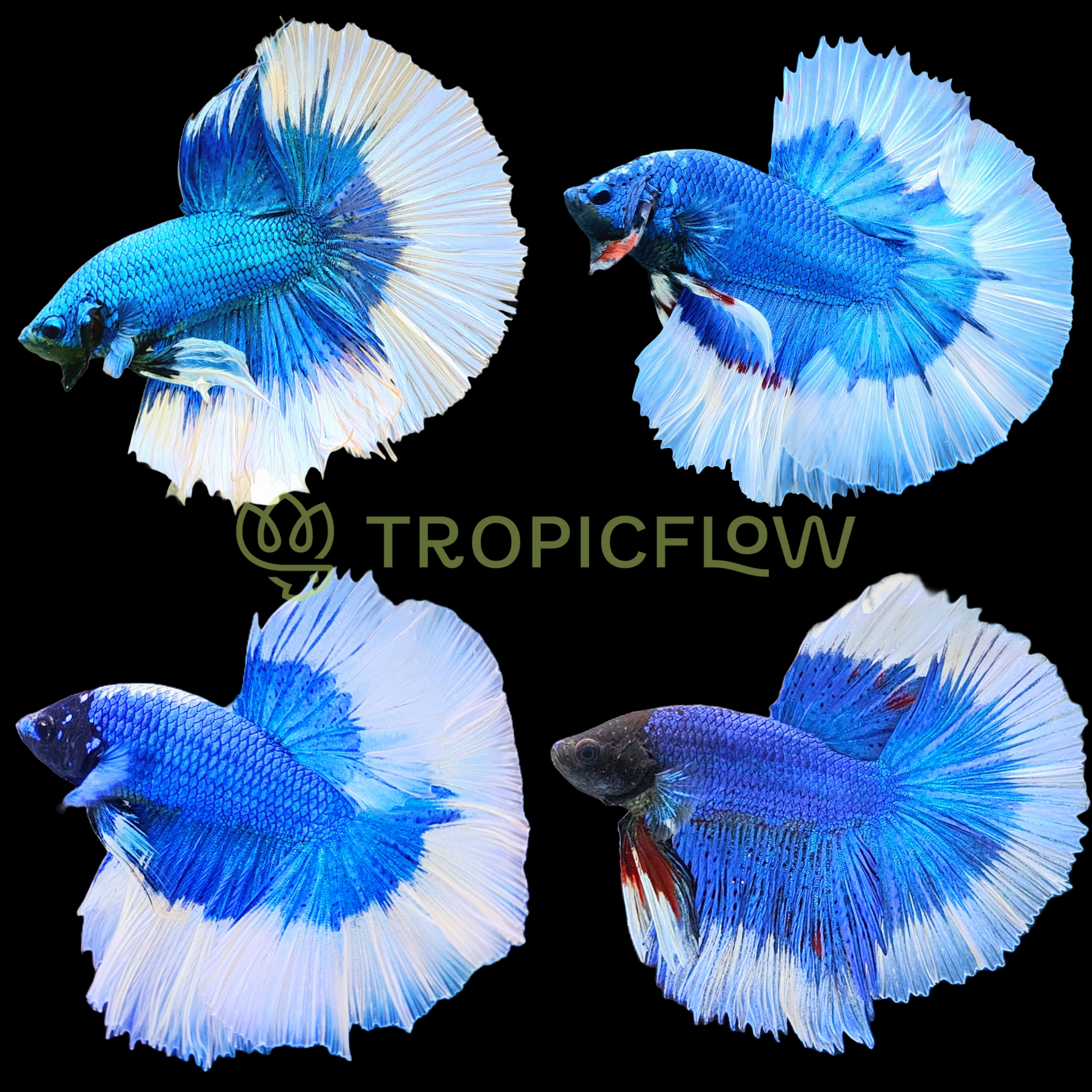
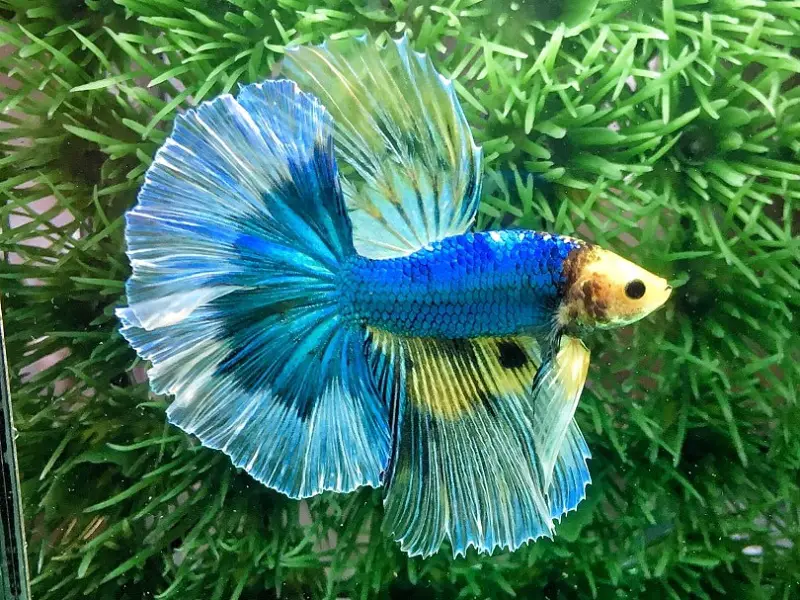
Butterfly Bettas have wide fins with clear edges. Their fins often show a gradient of colors. The edges of the fins look like butterfly wings. This gives the fish its name. The pattern is sharp and eye-catching. It looks like a perfect fan in water.
Color Variations
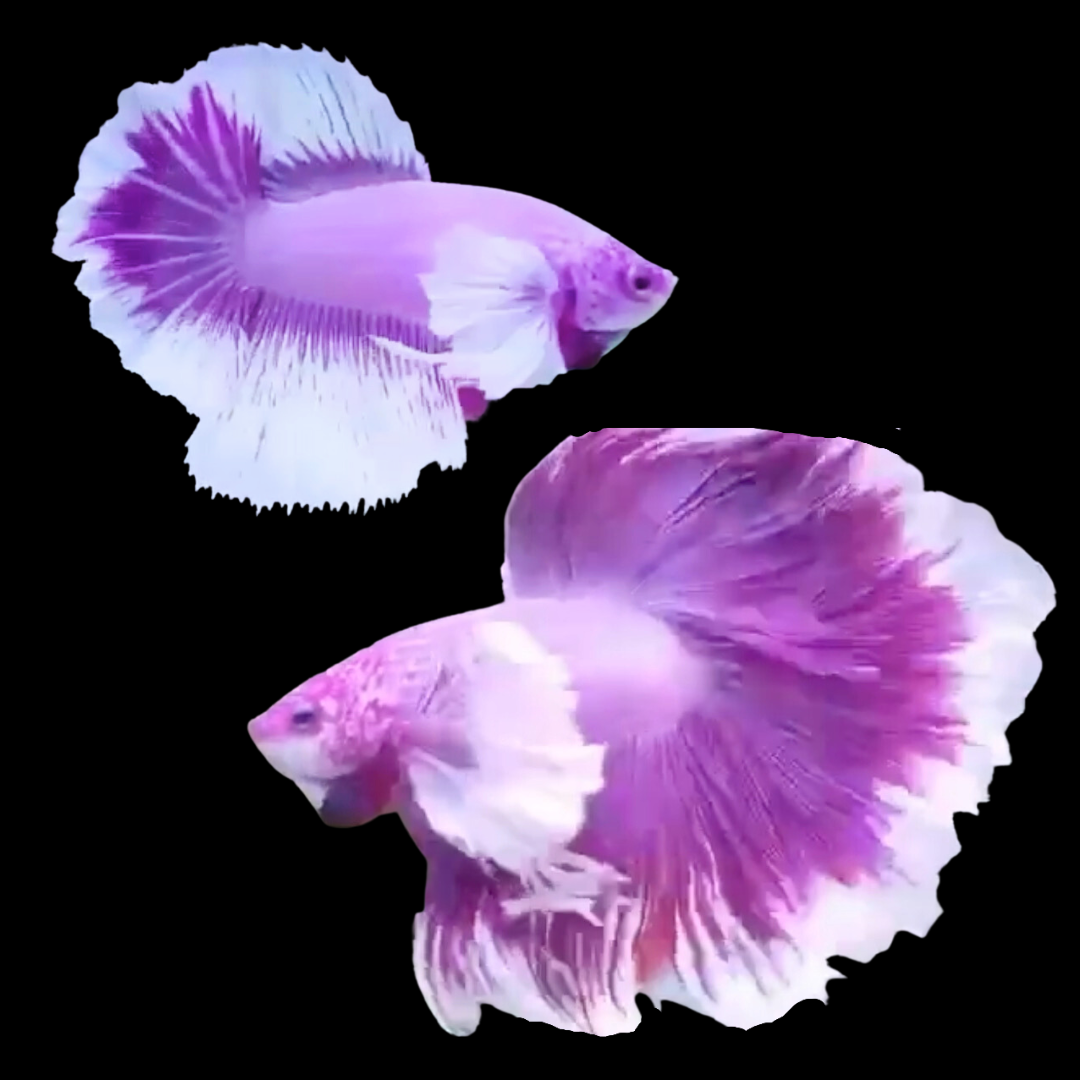
These bettas come in many bright colors. Common colors include red, blue, and white. Some have a mix of two or three colors. The body and fins often show different shades. This mix creates a beautiful contrast. Colors can change slightly with light and mood.
Behavioral Characteristics
Butterfly Bettas are curious and active swimmers. They explore their tank often and enjoy space. Males can be territorial and may flare fins to show strength. They respond well to gentle interaction. These fish prefer calm environments with minimal stress.
Tank Setup
Setting up the right tank is key for a healthy Butterfly Betta. A well-prepared tank keeps your fish happy and vibrant. It also helps you avoid common health problems. Let’s explore how to create the perfect environment for your Butterfly Betta.
Ideal Tank Size
A tank of at least 5 gallons works best for one Butterfly Betta. This size gives enough swimming space. It also helps keep water stable. Avoid very small tanks as they stress the fish. A larger tank is better if you want more fish or decorations.
Water Conditions
Keep the water temperature between 76°F and 82°F. Use a heater to maintain steady warmth. The pH should stay near 6.5 to 7.5 for comfort. Regular water changes, about 25% weekly, keep the water clean. Use a gentle filter to avoid strong currents that upset the Betta.
Decor And Plants
Butterfly Bettas love hiding spots and gentle areas to rest. Add soft plants like Java fern or Anubias. Floating plants also provide shade and shelter. Smooth decorations prevent fin damage. Avoid sharp or rough objects. Create a natural look with driftwood or rocks, but keep open space for swimming.
Credit: tropicflow.com
Feeding Butterfly Bettas
Feeding Butterfly Bettas is key to keeping them healthy and vibrant. Their diet affects their colors and energy. Proper feeding helps prevent illness and supports growth. Understanding what and how much to feed is important for every betta owner.
Diet Essentials
Butterfly Bettas need a balanced diet. High-quality betta pellets are a good base. These pellets contain protein needed for strong muscles. Supplement with live or frozen foods like bloodworms or brine shrimp. These add variety and nutrients. Avoid feeding only flakes, as they lack nutrients.
Feeding Frequency
Feed Butterfly Bettas twice a day. Small portions work best. Overfeeding can cause health problems. Give only what they can eat in two minutes. Young bettas may eat more often. Adults do well with two meals daily. Regular feeding keeps their metabolism steady.
Avoiding Overfeeding
Overfeeding can lead to bloating and water pollution. Watch your betta’s belly for swelling. Remove uneaten food promptly. Use a feeding schedule to control portions. Too much food causes poor water quality. Poor water harms betta’s health. Stick to small, measured meals for best results.
Health Tips
Keeping your Butterfly Betta healthy takes effort and care. Knowing common diseases, preventive steps, and stress signs helps your fish live longer. Healthy fish look bright and swim actively. A clean tank and good food are key to their health.
Common Diseases
Butterfly Bettas can get fin rot, ich, and velvet disease. Fin rot causes torn, ragged fins. Ich shows as white spots on the body. Velvet disease looks like gold dust on the fish. Early detection is important for treatment success.
Preventive Care
Change water regularly to keep the tank clean. Use a water conditioner to remove harmful chemicals. Feed high-quality food in small amounts daily. Avoid overcrowding the tank. Keep water temperature steady between 75-80°F (24-27°C). Use a filter but ensure gentle water flow.
Signs Of Stress
Stress makes your Butterfly Betta hide or stay still. Loss of appetite and faded colors are common signs. Gasping at the water surface may mean low oxygen. Watch for rapid gill movement or clamped fins. Stress lowers immunity, increasing disease risk.
Credit: thailandbettafish.com
Breeding Butterfly Bettas
Breeding Butterfly Bettas can be a rewarding experience. These fish are known for their beautiful fins and vibrant colors. Watching the breeding process helps you understand their behavior. It also allows you to raise healthy baby fish. Proper care during breeding ensures strong and lively fry.
Breeding Setup
Choose a separate tank for breeding. The tank should be at least 5 gallons. Keep the water warm, around 78 to 80°F. Use a gentle filter to keep water clean. Add some plants or floating leaves for shelter. The tank must have soft, slightly acidic water. Introduce one male and one female Butterfly Betta. Let them see each other but not touch at first.
Spawning Process
The male builds a bubble nest at the water surface. This nest holds the eggs after spawning. Watch the male court the female with gentle movements. The female will release eggs, and the male collects them. He places the eggs in the bubble nest. Spawning may take a few hours. After spawning, remove the female to avoid stress.
Raising Fry
Eggs hatch in about 24 to 36 hours. Fry stay in the bubble nest for a few days. Do not feed them during this time. Once they swim freely, start feeding baby brine shrimp or infusoria. Feed small amounts several times a day. Change water regularly to keep it clean. Avoid strong currents that may harm the fry.
Tank Mates
Choosing tank mates for Butterfly Betta requires care and planning. These fish have unique needs and a gentle temperament. A well-chosen community helps reduce stress and promotes health. Understanding which species live well with Butterfly Betta improves your aquarium experience.
Compatible Species
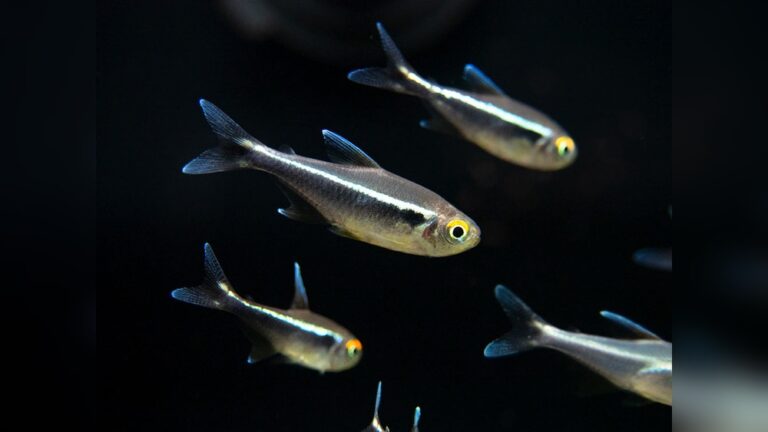
Small, peaceful fish are best companions. Neon tetras, ember tetras, and harlequin rasboras usually get along well. Bottom dwellers like corydoras catfish avoid conflicts. Snails and shrimp also make good tank mates. Avoid fin-nippers and large aggressive fish.
Aggression Management
Butterfly Bettas show mild aggression, mostly during feeding. Provide plenty of hiding spots to reduce stress. Use plants and decorations to create visual barriers. Keep the tank spacious to give each fish room. Monitor interactions closely to catch any signs of bullying.
Community Tank Tips
Maintain clean water with regular changes for healthy fish. Feed a balanced diet to keep all species strong. Avoid overcrowding to limit stress and aggression. Introduce new fish slowly to allow adjustment. Watch behavior daily and separate fish if needed.
Credit: www.fishkeepingworld.com
How Smart Pets Lover Can Help You with Butterfly Betta
Learning Through the Beauty of Butterfly Betta
Getting to know your Butterfly Betta goes beyond just admiring its stunning fins. It’s an opportunity to dive into the essentials of tank setup, feeding, and health care—each step teaching us how to provide a nurturing home. Observing their unique traits, like the delicate wing-like patterns, can deepen our appreciation for selective breeding and responsible pet ownership.
By maintaining a well-balanced tank and choosing compatible tank mates thoughtfully, you’re practicing practical aquarium skills that benefit all fish enthusiasts. These experiences not only build confidence but also connect you emotionally with your aquatic companion, echoing the spirit of Smart Pets Lover’s mission—to help pet parents feel informed and connected.
- Monitor water quality regularly to keep your Butterfly Betta healthy.
- Learn about their feeding habits to avoid overfeeding and nutritional issues.
- Observe interactions with tank mates to ensure harmony in your aquarium.
For further guidance or questions, reaching out to trusted pet communities or experts can be invaluable. Remember, every ripple in your tank tells a story of care and connection.
Frequently Asked Questions
What Is A Butterfly Betta Fish?
A Butterfly Betta is a type of Betta fish with distinct, multicolored fins. Its fins have a gradient effect, resembling butterfly wings. This unique pattern makes it popular among aquarium hobbyists. They require specific care to maintain their vibrant colors and health.
How Do I Care For A Butterfly Betta?
Provide a clean tank with warm water (78-82°F) and gentle filtration. Feed high-quality Betta pellets or live foods. Avoid overcrowding and sudden water changes. Regular tank maintenance and proper diet keep Butterfly Bettas healthy and colorful.
What Tank Size Suits A Butterfly Betta?
A minimum 5-gallon tank is ideal for a Butterfly Betta. This size offers enough swimming space and stable water conditions. Larger tanks reduce stress and improve fish health. Always include plants and hiding spots for comfort.
Can Butterfly Bettas Live With Other Fish?
Butterfly Bettas can be aggressive, especially males. They are best kept alone or with peaceful, non-fin-nipping species. Avoid housing them with other male Bettas or fin-biters. Proper tank mates enhance their wellbeing and reduce stress.
Conclusion
Butterfly Betta fish bring beauty to any aquarium. Their unique colors and patterns catch the eye. They need clean water and gentle care to thrive. Feeding them well helps keep them healthy and active. Watching their graceful movements brings calm and joy.
These fish suit both beginners and experienced hobbyists. Enjoy the charm and peace Butterfly Bettas offer daily. A simple tank can become a lively, colorful world. Caring for them teaches patience and responsibility. A Butterfly Betta makes a lovely, peaceful pet.