Japanese Trapdoor Snail
If you’ve ever wondered about the hidden treasures in freshwater aquariums, the Japanese Trapdoor Snail might just be the surprise you’re looking for. This little creature isn’t just a snail—it’s a natural cleaner that can transform your tank’s environment.
Imagine having a tiny helper that keeps your aquarium spotless while adding a unique touch to your underwater world. Curious to learn how this fascinating snail works and why it could be the perfect addition to your setup? Keep reading, and you’ll discover everything you need to know about the Japanese Trapdoor Snail.

Credit: azgardens.com
Habitat And Distribution
The Japanese Trapdoor Snail is a unique species with distinct living areas. Understanding its habitat and distribution helps us know where it thrives. This knowledge is crucial for those interested in aquatic life or snail care.
Native Regions
This snail is originally from Japan. It lives mainly in freshwater areas across the country. Rivers, lakes, and ponds in Japan provide natural homes. The snail’s presence is common in these native regions. It has adapted well to the local climate and water conditions.
Preferred Environments
The snail prefers calm and clean freshwater. It often hides under rocks or plants. Shallow waters with plenty of vegetation are ideal. These spots offer food and shelter. The snail avoids fast currents and polluted water. Stable water temperature and clear surroundings help it survive.
Physical Features
The Japanese Trapdoor Snail has unique physical features that help it survive in water. Its body and shell work together for protection and movement. Understanding these features helps us appreciate this small creature’s adaptations.
Shell Structure
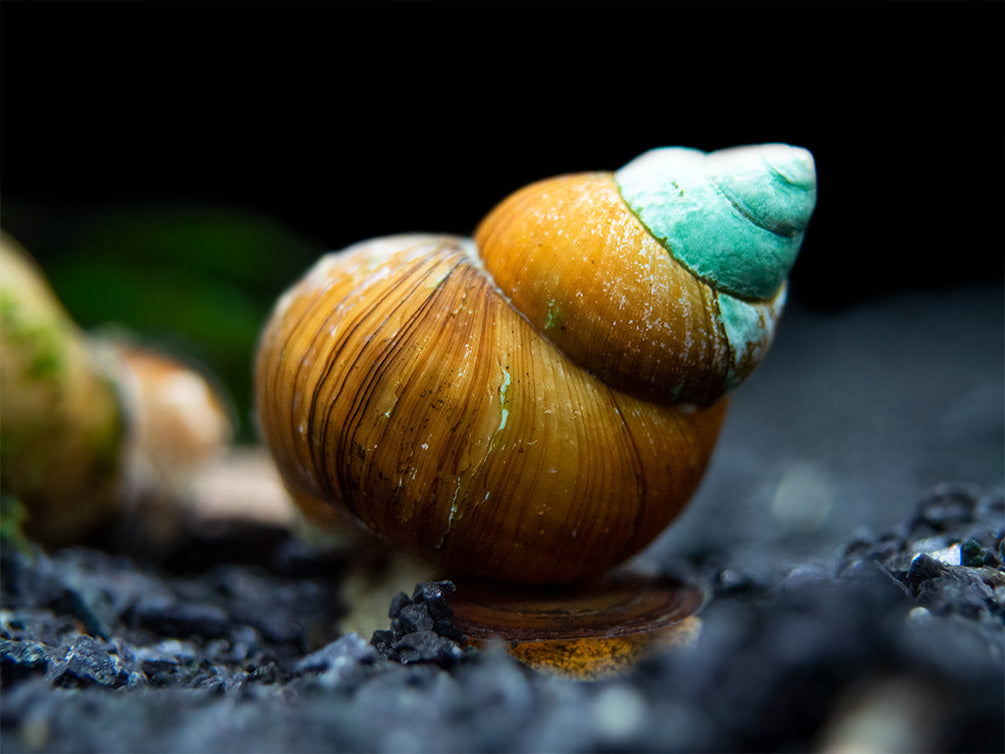
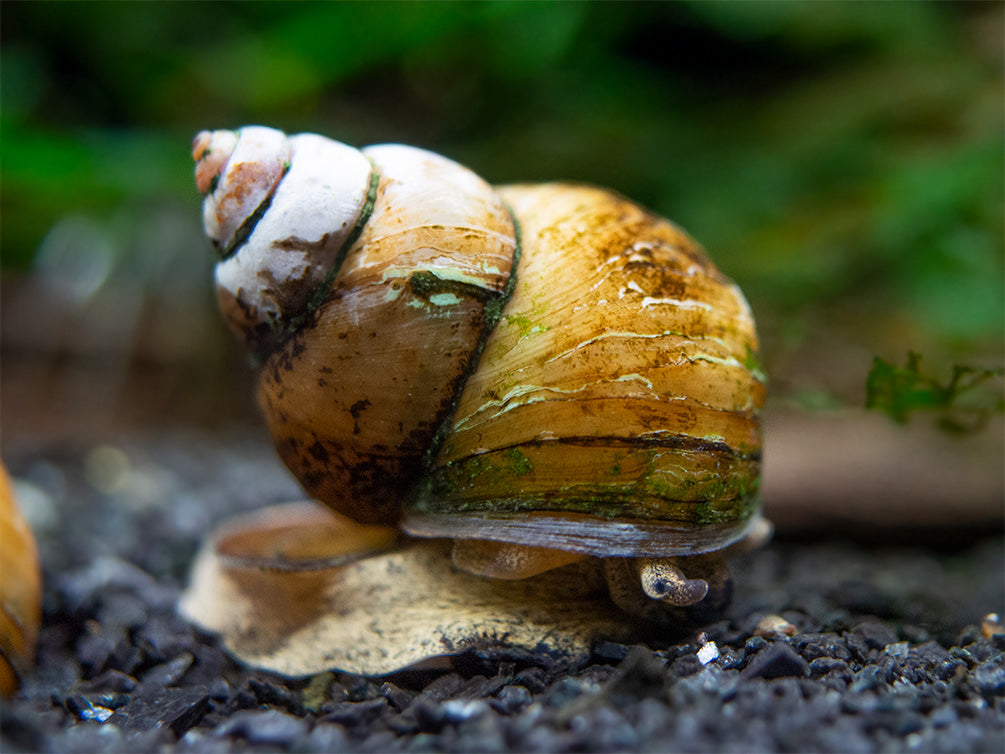
The shell of the Japanese Trapdoor Snail is thick and strong. It has a hard, smooth surface that protects the snail from predators. The shell has a special “trapdoor” or operculum. This trapdoor closes the shell opening tightly. It stops water from escaping and keeps the snail safe. The shell coils in a spiral shape. This shape adds strength and space for the snail’s body.
Size And Color Variations
These snails are small, usually about 1 to 2 centimeters long. Their size makes them easy to hide in plants and rocks. They show different colors, mostly brown or dark green. Some have lighter or darker spots. These colors help the snail blend into its environment. Color changes can depend on diet and water conditions.
Behavior And Lifestyle
The Japanese Trapdoor Snail shows unique behavior and lifestyle traits. It adapts well to its environment and has interesting habits. Understanding these helps in caring for them or observing them in nature.
Feeding Habits
This snail feeds mainly on algae and plant matter. It scrapes surfaces with its radula, a tongue-like organ. It prefers fresh, clean water with plenty of food sources. Sometimes, it also consumes detritus and small microorganisms. Its feeding helps keep tanks and ponds clean.
Activity Patterns
The snail is mostly active during the night. It hides under rocks or plants during the day. This helps avoid predators and harsh sunlight. Activity increases in cooler, damp conditions. It moves slowly but steadily while exploring its space.
Reproduction And Life Cycle
The Japanese Trapdoor Snail has a unique way of reproducing and growing. Its life cycle includes clear stages. Each stage plays a vital role in its survival. Understanding this process helps in caring for these snails properly.
Breeding Season
The breeding season of the Japanese Trapdoor Snail usually starts in spring. During this time, snails become more active. They search for mates in warm, shallow waters. The female lays eggs in clusters on hard surfaces. These eggs stick firmly and stay protected.
Development Stages
Eggs hatch after about two weeks. Tiny snails emerge fully formed but very small. They grow by molting their shells several times. Juvenile snails feed on algae and organic matter. It takes months for them to reach full size. The adult snails then begin the cycle again.
Role In Ecosystem
The Japanese Trapdoor Snail plays an important role in its ecosystem. It helps keep water clean by eating algae and dead plants. This action controls algae growth and keeps the water healthy. The snail also recycles nutrients back into the environment. This supports other plants and animals in the habitat.
By living in the mud and sand, the snail helps mix the soil. This improves oxygen flow and makes the habitat better for other creatures. Its presence shows good water quality. Many animals depend on this snail as part of their food chain.
Environmental Impact
This snail improves water clarity by grazing on algae. It prevents algae from covering plants and blocking sunlight. Clear water allows plants to grow well. The snail’s waste adds nutrients to the soil, helping plant growth. It also helps keep the mud soft and loose. This benefits small animals living in the sediment.
Interactions With Other Species
The Japanese Trapdoor Snail serves as food for fish and birds. It supports many species higher in the food chain. Some small animals use the snail’s shell for shelter. The snail competes with other snails for food and space. Its activities can affect the balance of species in the habitat. These interactions keep the ecosystem strong and diverse.
Credit: aquaticarts.com
Conservation Status
The Japanese Trapdoor Snail faces growing risks in its natural habitat. Its population is declining due to several human and environmental factors. Understanding its conservation status helps protect this unique species.
Threats And Challenges
Loss of habitat is a major threat to the Japanese Trapdoor Snail. Urban development destroys the wetlands and streams it needs. Pollution also harms water quality, making survival difficult.
Invasive species compete for food and space. Climate change affects water levels and temperature. These challenges reduce the snail’s chances to thrive.
Protection Efforts
Conservation groups work to protect the snail’s natural areas. They clean polluted waters and restore habitats. Local laws restrict land use near important snail sites.
Public awareness campaigns educate people about the snail’s role in the ecosystem. Scientists monitor snail populations to track their health. These efforts aim to ensure the snail’s future.
Aquarium Care Tips
Japanese Trapdoor Snails are peaceful and helpful in aquariums. They clean algae and leftover food. Proper care keeps them healthy and active. This section covers essential tips for their aquarium care.
Tank Setup
Choose a tank of at least 5 gallons. Use fine sand or smooth gravel as substrate. These snails like hiding spots. Add plants or decorations for shelter. Keep water temperature between 68 and 78°F (20-26°C). Maintain pH level around 7.0. Clean water regularly to avoid toxins.
Feeding And Maintenance
Feed snails with algae wafers or blanched vegetables. Avoid overfeeding to prevent water pollution. Remove uneaten food after a few hours. Check water quality weekly. Perform partial water changes every two weeks. Watch for signs of illness or stress. Healthy snails are active and have intact shells.
Credit: aquaticarts.com
How Smart Pets Lover Can Help You with Japanese Trapdoor Snail
Learning from the Japanese Trapdoor Snail: Practical Insights for Pet Enthusiasts
Understanding the Japanese Trapdoor Snail’s behavior and habitat offers more than just fascinating facts—it opens doors to practical learning opportunities for any pet parent. Observing their unique lifestyle, especially how they interact within their ecosystem, can inspire a deeper appreciation for aquatic care. For instance, knowing their role in maintaining tank cleanliness can influence how you approach aquarium care tips, ensuring a balanced environment for all your aquatic companions.
By paying attention to their reproduction and life cycle, you gain insight into responsible pet ownership—recognizing when and how to manage snail populations without disrupting your tank’s harmony. This kind of hands-on learning aligns with what we value at Smart Pets Lover: empowering you with knowledge so every pet, whether furry, feathered, or finned, thrives happily.
- Observe their behavior in different habitats to understand environmental needs.
- Track their life cycle stages to anticipate care adjustments.
- Apply ecosystem role knowledge to create healthier aquarium setups.
If you ever want to dive deeper or have questions about caring for these fascinating snails, connecting with fellow enthusiasts and experts can be a great resource. At Smart Pets Lover, we’re always here to share insights and stories—because every wag, purr, and chirp (or in this case, gentle crawl) tells a story worth knowing.
Frequently Asked Questions
What Is A Japanese Trapdoor Snail?
The Japanese Trapdoor Snail is a freshwater snail known for its unique operculum. It has a hard “trapdoor” that seals its shell. This feature protects it from predators and drying out. It thrives in aquariums and natural water bodies.
How To Care For Japanese Trapdoor Snails?
Provide clean, well-oxygenated freshwater with stable pH. Feed them algae, detritus, or sinking pellets. Avoid copper-based medications as they are toxic. Maintain moderate temperatures between 68-82°F (20-28°C) for optimal health.
Are Japanese Trapdoor Snails Good For Aquariums?
Yes, they help clean algae and organic debris. They improve water quality naturally without harming plants or fish. Their peaceful nature makes them ideal tank mates. However, control their population to avoid overpopulation.
How Do Japanese Trapdoor Snails Reproduce?
They reproduce by laying eggs in gelatinous clusters on surfaces underwater. Eggs hatch in one to two weeks. They breed quickly under favorable conditions, so monitor their numbers regularly.
Conclusion
The Japanese trapdoor snail is a unique and interesting creature. It lives in freshwater and has a special shell that helps it hide. Many people enjoy learning about this snail because it shows nature’s variety. Keeping its habitat clean is important for its survival.
Watching this snail can teach us about small but important life forms. A simple creature with a big role in the environment. It reminds us to respect all living things, no matter their size.