Tiger Shovelnose Catfish
Are you fascinated by unique and striking fish that can transform your aquarium? The Tiger Shovelnose Catfish might just be the perfect addition to your collection.
With its bold stripes and sleek, powerful body, this fish stands out like no other. But before you bring one home, there are important things you need to know about its care, behavior, and tank requirements. Keep reading to discover how to keep your Tiger Shovelnose Catfish healthy and happy, and why it could be the most exciting fish you’ve ever owned.

Credit: www.aqua-imports.com
Appearance And Identification
The Tiger Shovelnose Catfish stands out with its unique look. This fish has features that make it easy to spot in any aquarium or river. Recognizing it helps in proper care and appreciation.
Distinctive Markings
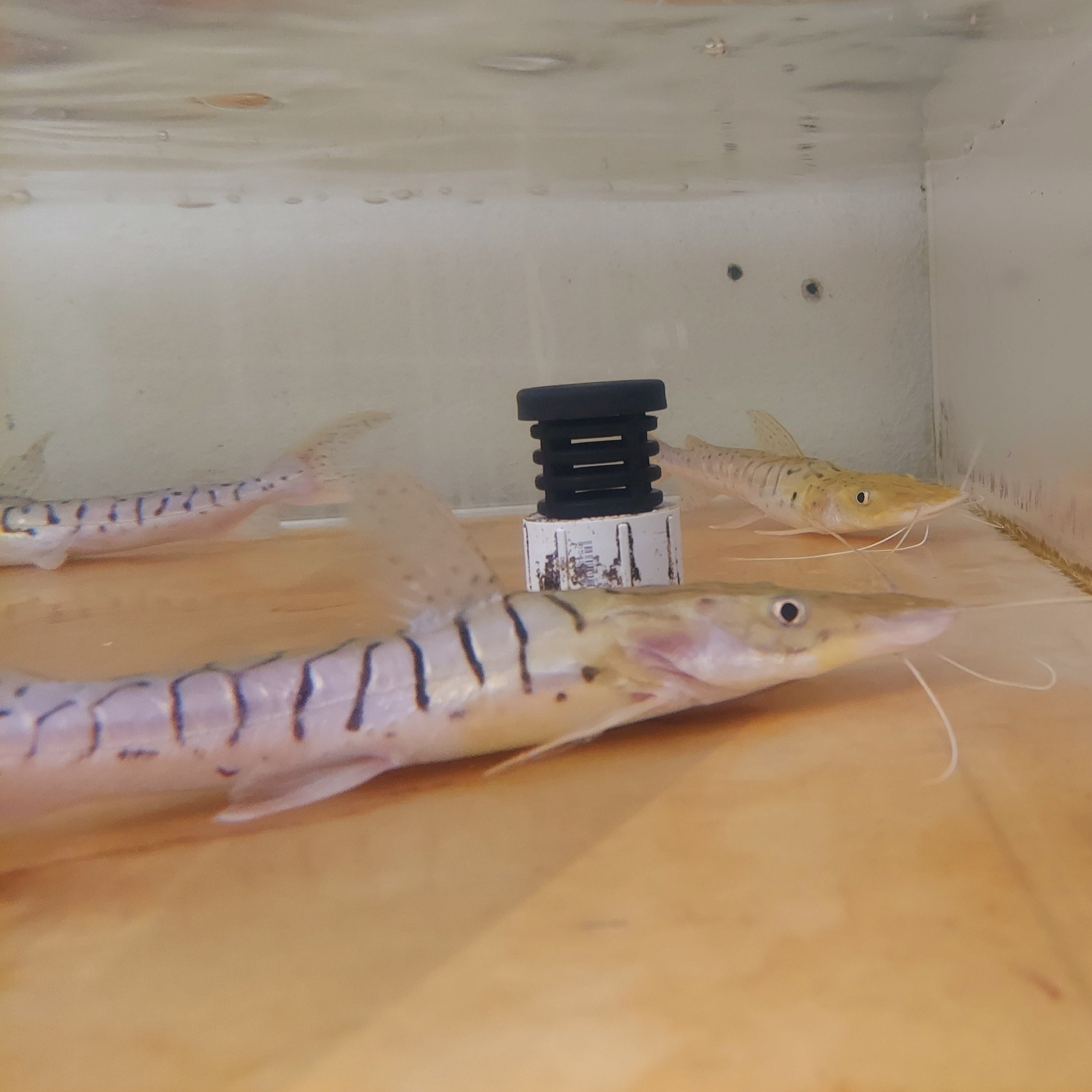
The Tiger Shovelnose Catfish has bold black stripes on its body. These stripes run across its head and down the sides. They look like tiger stripes, giving the fish its name. The pattern helps it blend with river plants and shadows.
Size And Shape
This catfish has a long, slim body with a pointed head. Its nose is wide and flat, shaped like a shovel. It grows quite large, often reaching up to 3 feet in the wild. The fins are sharp and help it swim quickly.
Color Variations
The base color is usually yellow or gold. The black stripes contrast strongly with this light color. Some fish may have a more orange or brown tint. The colors may change slightly with age or water conditions.
Credit: www.predatoryfins.com
Natural Habitat
The Tiger Shovelnose Catfish thrives in specific natural environments. Understanding its habitat helps appreciate this unique fish. This catfish prefers warm, flowing freshwater areas. It adapts well to river systems with plenty of hiding spots. The natural habitat supports its feeding and breeding habits.
Geographic Distribution
The Tiger Shovelnose Catfish is native to South America. It mainly lives in the Amazon and Orinoco River basins. These regions provide the perfect environment with rich biodiversity. The fish moves through tributaries and flooded forests. It avoids stagnant waters, favoring clean, oxygen-rich rivers.
Preferred Water Conditions
This catfish prefers warm water temperatures between 75°F and 82°F. It thrives in slightly acidic to neutral pH levels, around 6.0 to 7.5. The water must be well-oxygenated and have moderate currents. It often hides among submerged roots and rocks. These conditions help it stay safe and hunt efficiently.
Diet In The Wild
The Tiger Shovelnose Catfish feeds mainly on smaller fish. It also eats insects, crustaceans, and other aquatic animals. This catfish is a nocturnal hunter, active mostly at night. It uses its strong sense of smell to find prey. Its diet reflects the abundance of food in its natural habitat.
Behavior And Temperament
The Tiger Shovelnose Catfish is known for its unique behavior and gentle temperament. Understanding its habits helps in keeping this fish happy and healthy. This catfish shows interesting social traits and activity patterns that make it a fascinating pet for aquarists. Observing its interactions and compatibility with other fish reveals much about its nature.
Social Interactions
Tiger Shovelnose Catfish enjoy company. They often swim in groups and feel safer with others. This species rarely shows aggression toward its own kind. They communicate through body movements and gentle touches. Social bonds help reduce stress and encourage natural behavior.
Activity Patterns
This catfish is mostly active during the day. It explores the tank and searches for food regularly. Its movements are smooth and deliberate. At night, it rests in hidden spots. Providing a calm environment helps maintain its natural rhythm.
Compatibility With Other Fish
Tiger Shovelnose Catfish get along well with many species. They prefer fish of similar size to avoid stress. Avoid keeping them with very small fish, as they may see them as food. Peaceful and robust tank mates make the best companions for this catfish.
Aquarium Setup
The Tiger Shovelnose Catfish needs a special home to thrive. Setting up the aquarium correctly keeps the fish healthy and happy. This setup helps the fish grow and show its natural beauty.
Each part of the tank must meet the fish’s needs. The size, water conditions, and decorations all matter. Below are the key points to create a good environment for this fish.
Tank Size Requirements
Tiger Shovelnose Catfish grow very large. They can reach over 3 feet in length. A small tank will cause stress and health problems. The minimum tank size should be 125 gallons. Bigger tanks give the fish more space to swim. A wide tank is better than a tall one. This fish likes to explore the bottom and middle parts of the tank.
Water Parameters
Stable water conditions are very important. The ideal temperature is between 75°F and 82°F. Keep the pH level around 6.5 to 7.5. The water should be soft to moderately hard. Use a good filter to keep water clean. Regular water changes help remove waste. Avoid sudden changes in water chemistry. These fish are sensitive to poor water quality.
Decor And Substrate
Use soft sand or smooth gravel as substrate. Hard or sharp materials can hurt the fish’s delicate skin. Provide hiding places like driftwood and caves. These fish like to rest and hide during the day. Plants can add cover but choose sturdy ones. Avoid overcrowding the tank. Leave enough open space for swimming. Decor should mimic the fish’s natural river environment.
Feeding And Nutrition
Feeding and nutrition are key to keeping your Tiger Shovelnose Catfish healthy. This fish needs a balanced diet to grow strong and stay active. Proper feeding supports their natural behavior and vibrant colors. Understanding their diet helps avoid health problems.
Let’s explore their dietary needs, how often to feed them, and the best types of food.
Dietary Needs
Tiger Shovelnose Catfish are carnivores. They need protein-rich food to thrive. Their diet should include fish, shrimp, and insects. These foods provide essential nutrients for muscle and tissue growth. Avoid feeding plant-based foods, as they do not digest them well.
Feeding Frequency
Young catfish need feeding twice a day for steady growth. Adults can eat once a day or every other day. Overfeeding causes water pollution and health issues. Feed only what they can eat in a few minutes. Observe their behavior to adjust feeding times.
Suitable Food Types
Live foods like small fish or shrimp are ideal. Frozen or freeze-dried bloodworms and krill also work well. High-quality carnivore pellets can be part of their diet too. Avoid fatty foods that may cause liver problems. Rotate food types to provide balanced nutrition.

Credit: aquadiction.world
Health And Common Issues
The Tiger Shovelnose Catfish is a strong and unique fish. Keeping it healthy needs care and attention. Understanding its health and common issues helps you keep it safe. This section explains signs of illness, preventive care, and treatments.
Knowing these points helps you act fast. It also helps your fish live longer and stay happy.
Signs Of Illness
Watch for changes in behavior. Slow swimming or hiding often show a problem. Loss of appetite is a common sign. Look for white spots or patches on the skin. Red or swollen areas can mean infection. Gasping at the surface may signal low oxygen or illness. Clamped fins and unusual swimming patterns are warning signs too.
Preventive Care
Keep the tank clean and water fresh. Change water regularly to avoid toxins. Use a good filter to keep water healthy. Feed your catfish a balanced diet. Avoid overfeeding to prevent water pollution. Keep tank temperature steady. Avoid sudden changes in water conditions. Quarantine new fish before adding them. This stops the spread of disease.
Treatments
Isolate sick fish to stop disease spread. Use medicine made for fish illnesses. Follow instructions on medicine carefully. Increase water oxygen during treatment. Keep water clean to help healing. Remove uneaten food to avoid bacteria growth. Consult a vet for serious problems. Early treatment improves chances of recovery.
Breeding Tips
Breeding Tiger Shovelnose Catfish can be rewarding but requires patience and care. These fish have unique needs for spawning and raising young. Understanding their behavior helps create the right environment. Follow these tips to improve your success in breeding.
Spawning Behavior
Tiger Shovelnose Catfish are egg layers. They show some courtship before spawning. The male often chases the female gently. Spawning happens on flat surfaces like rocks or wood. Parents may guard the eggs for a short time. Watch for changes in color and activity as signs.
Breeding Conditions
Maintain water temperature between 78°F and 82°F. Keep water clean with regular changes. Provide hiding spots and flat surfaces for egg laying. Soft, slightly acidic water helps stimulate spawning. Lower the water level slightly during breeding. Use gentle water flow to mimic natural rivers.
Raising Fry
Fry hatch in about 3 to 5 days. Move eggs to a separate tank to protect them. Feed fry with infusoria or newly hatched brine shrimp. Change water frequently to keep it clean. Increase food size as fry grow. Avoid overfeeding to maintain water quality.
Tips For Beginners
The Tiger Shovelnose Catfish is a striking fish that can brighten any large aquarium. Beginners often find this species exciting but a bit challenging. This section offers simple tips to help new owners care for these unique fish. Follow these steps to provide a healthy environment for your catfish.
Handling And Care
Handle Tiger Shovelnose Catfish with care. Their sharp fins can cause injury. Use a soft net when moving them. Avoid grabbing the fish by its body. Provide plenty of hiding spots in the tank. Keep the water clean and well-filtered. Maintain water temperature between 75 and 82 degrees Fahrenheit. Feed them a diet rich in protein. Live or frozen foods like shrimp and worms work well.
Avoiding Common Mistakes
Do not keep Tiger Shovelnose Catfish in small tanks. They grow large and need space to swim. Avoid mixing them with very small fish. They may see them as food. Do not overfeed. Excess food pollutes the water. Avoid sudden changes in water conditions. It stresses the fish and can cause illness. Always check water parameters regularly.
Long-term Maintenance
Regular tank cleaning is essential. Change 25% of the water weekly. Test water for ammonia, nitrites, and nitrates. Keep the tank filter in good condition. Monitor the fish for signs of disease. Healthy fish are active and eat well. Provide a stable environment to help them thrive. Patience and consistency lead to success in care.
How Smart Pets Lover Can Help You with Tiger Shovelnose Catfish
Bringing the Tiger Shovelnose Catfish into Your Learning Journey
Understanding the Tiger Shovelnose Catfish goes beyond just admiring its striking appearance. As you dive deeper into its natural habitat and behavior, you’ll discover practical lessons in patience and aquarium setup that are invaluable for any fish enthusiast. Setting up a proper environment tailored to their needs reinforces the importance of research-backed aquarium care, ensuring your catfish thrives.
Feeding and nutrition knowledge gained from caring for this species also highlights how diet directly impacts health, teaching responsible pet ownership in a hands-on way. At Smart Pets Lover, we believe every interaction with your pet is an opportunity to build confidence and connection, turning curiosity into meaningful experience.
- Observe their temperament to better understand social dynamics in your tank.
- Apply breeding tips to explore the fascinating world of fish reproduction responsibly.
- Use health care insights to spot early signs of common issues and act promptly.
If you ever need more guidance or have specific questions about your Tiger Shovelnose Catfish, reaching out to community experts or visiting Smart Pets Lover’s resource hub can be a great next step. Remember, learning is part of the adventure when every wag, purr, and chirp tells a story—even underwater!
Frequently Asked Questions
What Is A Tiger Shovelnose Catfish?
The Tiger Shovelnose Catfish is a freshwater fish known for its unique snout shape. It has striking tiger-like stripes. This species is popular among aquarium enthusiasts. It originates from South American rivers. It requires a large tank and specific care.
How Big Do Tiger Shovelnose Catfish Grow?
Tiger Shovelnose Catfish can grow up to 3 feet in length. In captivity, they usually reach about 2 feet. Their size requires ample tank space. Proper tank size ensures healthy growth and well-being. They grow quickly with good nutrition and environment.
What Do Tiger Shovelnose Catfish Eat?
These catfish are carnivorous and prefer live or frozen foods. They eat fish, shrimp, and insects in the wild. In aquariums, they accept pellets and frozen food. A varied diet helps maintain their health. Avoid overfeeding to prevent water quality issues.
Are Tiger Shovelnose Catfish Aggressive?
Tiger Shovelnose Catfish are semi-aggressive and territorial. They may show aggression towards smaller fish. It is best to keep them with larger, compatible species. Providing hiding spots can reduce aggression. Proper tank size helps minimize territorial behavior.
Conclusion
The Tiger Shovelnose Catfish is a unique and fascinating fish. It grows large and has striking patterns. This catfish needs space and care to thrive. Feeding it a proper diet helps keep it healthy. Its active nature makes it a lively tank mate.
Remember, patience is key when raising this fish. Enjoy watching its graceful movements every day. This fish adds beauty and interest to any aquarium. Choose the Tiger Shovelnose Catfish for a rewarding hobby.