Bladder Snail
Have you ever noticed tiny snails gliding quietly on the leaves of your aquarium plants or pond? Those little creatures are called bladder snails, and they might be more important to your water habitat than you realize.
Whether you’re an aquarium lover or just curious about nature, understanding bladder snails can help you keep your tank healthy and balanced. You’ll discover what bladder snails are, how they live, and why they might be the unexpected allies you need.
Keep reading—you’ll be surprised by how these small snails can make a big difference for your water environment.
Bladder Snail Basics
The bladder snail is a small freshwater snail often found in ponds and aquariums. It plays a role in aquatic environments by helping clean algae and debris. Understanding its basics helps appreciate its place in nature and tanks.
These snails are easy to care for and popular among aquarium hobbyists. Their simple needs and interesting habits make them a common subject for study and observation.
Physical Features
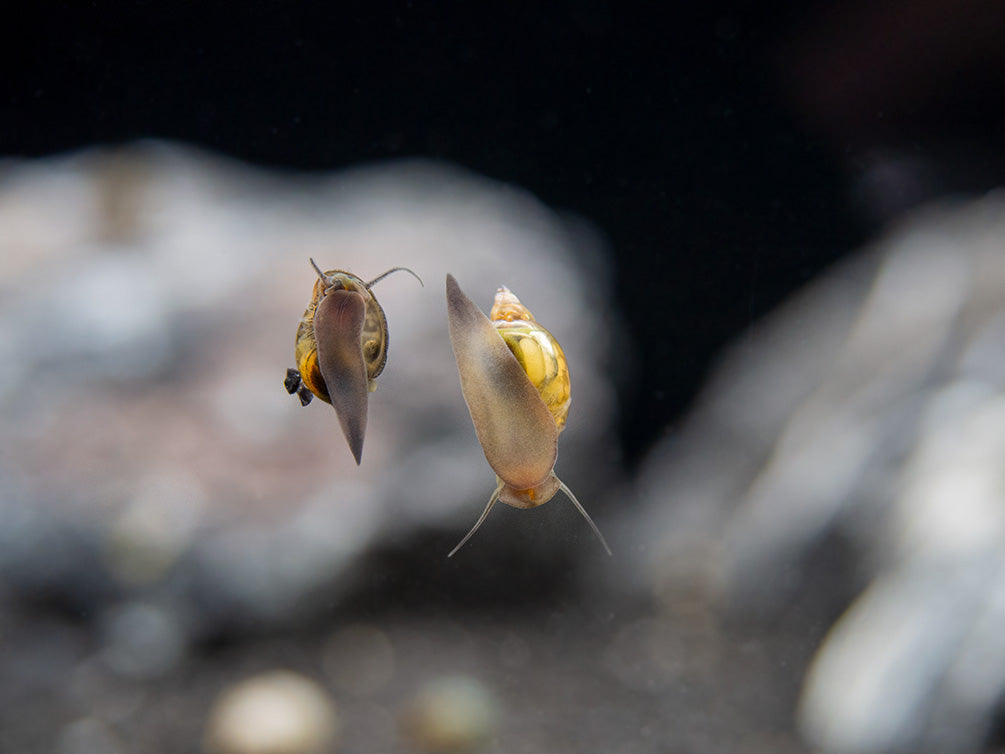
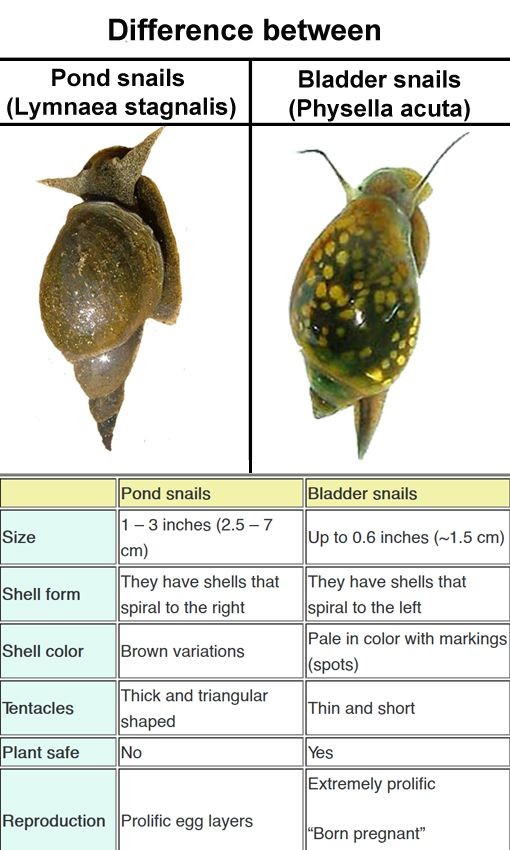
Bladder snails have a smooth, rounded shell shaped like a small bladder. The shell is usually light brown or greenish. They grow up to 1.5 centimeters in size. Their soft body is visible when they move out of the shell. They have two tentacles on their head, which help sense the environment.
Natural Habitat
Bladder snails live in calm freshwater areas such as ponds, lakes, and slow rivers. They prefer places with plants and algae, which provide food and shelter. These snails can also survive in aquariums and water gardens. They adapt well to different water conditions but need clean water to thrive.
Behavior Patterns
Bladder snails are mostly active during the day. They crawl on plants, glass, and substrate searching for food. They feed on algae, dead plants, and leftover fish food. These snails move slowly and often hide under leaves or rocks. They can reproduce quickly, laying small clusters of eggs on surfaces.
Credit: aquaticarts.com
Life Cycle And Reproduction
The bladder snail has a simple but interesting life cycle. Its reproduction and growth allow it to thrive in many freshwater habitats. Understanding these stages helps in caring for aquariums or studying freshwater ecosystems.
Egg Laying Habits
Bladder snails lay tiny, clear eggs in clusters. They attach these clusters to plants, rocks, or aquarium glass. Each cluster can hold dozens of eggs. The eggs stay safe until they hatch in about two weeks. Warm water speeds up the hatching process.
Growth Stages
After hatching, young snails look like small adults. They grow by adding new shell layers. Their shells start soft and harden over time. Young snails eat algae and tiny plants. Growth is faster in warmer water with plenty of food.
Lifespan
Bladder snails live for about one to two years. Their lifespan depends on water quality and food availability. In good conditions, they reproduce often. This helps maintain their population in natural and aquarium settings.
Diet And Feeding Habits
The bladder snail has simple but effective eating habits. It plays a key role in cleaning aquatic environments. Its diet mainly consists of small particles found in water and on surfaces. Understanding its feeding behavior helps appreciate its role in the ecosystem.
Preferred Food Sources
Bladder snails eat algae, plant debris, and tiny microorganisms. They feed on biofilm, a thin layer of bacteria and algae on surfaces. These snails prefer soft, decaying plant material as well. Their diet helps control algae growth in ponds and tanks.
Feeding Mechanisms
The bladder snail uses a radula, a tongue-like organ with tiny teeth. It scrapes food particles from rocks, plants, and glass surfaces. This slow but steady method collects enough food for survival. The snail moves slowly to find fresh feeding spots. Its feeding helps keep water clean and balanced.
Credit: valleyaquariums.co.za
Role In The Ecosystem
Bladder snails play a small but important role in freshwater ecosystems. They help keep the water clean and serve as food for many animals. Their presence affects the balance of life in ponds, lakes, and streams.
Impact On Water Quality
Bladder snails feed on algae and decaying plants. This helps reduce excess algae growth that can harm water quality. They also consume bacteria and organic waste, which helps keep water clear. Their grazing action prevents the buildup of harmful substances in the water. This makes the environment healthier for fish and other aquatic life.
Interactions With Other Species
Many fish and birds eat bladder snails. They provide an important food source in the food chain. Bladder snails also compete with other small animals for food and space. They can influence the population size of algae and bacteria. This interaction helps maintain a natural balance in the ecosystem. Bladder snails also carry parasites that affect other animals. This can impact the health of some species in the water.
Common Species Varieties
Bladder snails come in various species, each with unique traits. These snails are small and often found in water environments. Their diversity helps them adapt to different habitats. Some types thrive in freshwater, while others are popular in home aquariums. Knowing the common species can help you identify and care for them better.
Freshwater Types
Freshwater bladder snails live in rivers, lakes, and ponds. They usually have a smooth, rounded shell that protects their soft bodies. These snails help clean water by eating algae and dead plants. Common species include Physa acuta and Physella gyrina. They reproduce quickly and can survive in many conditions. Their presence shows a balanced ecosystem.
Aquarium Varieties
Aquarium bladder snails are popular among fish keepers. They control algae growth and remove leftover food. Many aquariums have Physa and Physella species. These snails are small and easy to care for. They breed fast, so owners must monitor their numbers. Aquarium varieties add natural beauty and function to tanks.
Keeping Bladder Snails In Aquariums
Keeping bladder snails in aquariums can be simple and rewarding. These small snails help keep tanks clean by eating leftover food and algae. They live well with many fish and plants, making them great tank companions. Understanding their needs helps maintain a healthy environment for them and the whole aquarium.
Tank Setup Tips
Choose a tank with enough space for snails to move freely. A 5-gallon tank or larger works well. Use a soft substrate like sand or fine gravel to protect their bodies. Provide live plants and hiding spots such as rocks or decorations. Keep water temperature between 68°F and 82°F for best comfort. Maintain pH between 7.0 and 8.0 to keep snails healthy.
Care And Maintenance
Feed bladder snails a small amount of algae wafers or blanched vegetables. Avoid overfeeding to prevent water pollution. Change 20% of the water weekly to keep it clean. Check water parameters regularly to avoid harmful levels of ammonia or nitrites. Remove dead snails promptly to stop decay and bad smells. Observe snails often to spot any signs of illness or stress.
Controlling Population
Bladder snails reproduce quickly, so control their numbers carefully. Limit excess food to reduce breeding. Use a snail trap or manually remove some snails to keep population balanced. Avoid overcrowding to prevent stress and tank damage. Introducing natural predators, like certain fish, can help manage snail growth. Keep the tank clean to discourage rapid snail reproduction.
Potential Problems And Solutions
Bladder snails are common in freshwater tanks and ponds. They can cause problems if their numbers grow too fast. Understanding these issues helps keep your water clean and safe. Solutions are simple and effective if you act early.
Overpopulation Issues
Bladder snails multiply quickly. Too many snails can crowd your tank. They eat plants and leave waste behind. This can make the water dirty. Overpopulation also means less space for fish and other animals. Controlling their numbers keeps the tank balanced.
Disease Risks
Snails can carry parasites and bacteria. These can harm fish and other pets. Dirty water from snail waste spreads germs. Watching for signs of disease is important. Removing sick snails prevents problems from spreading.
Pest Control Methods
Manual removal is a safe way to reduce snails. Use traps or nets to catch them easily. Adding snail-eating fish can help. Avoid overfeeding to stop snail growth. Chemicals may harm fish and plants. Natural control keeps your tank healthy.

Credit: en.wikipedia.org
How Smart Pets Lover Can Help You with Bladder Snail
Exploring Bladder Snails: A Hands-On Learning Experience
Getting to know bladder snails offers more than just curiosity—it opens doors to practical learning about aquatic life cycles and ecosystem roles. Observing their life cycle and reproduction firsthand can deepen your understanding of natural processes, while noting their diet and feeding habits highlights the delicate balance they help maintain in aquarium environments.
For pet parents who want to feel more connected and confident, tracking these small creatures’ impact within your tank fosters a sense of responsibility and appreciation. It’s a gentle reminder that every tiny snail plays a part in the larger story of your aquatic habitat.
- Document their growth stages to see nature in motion.
- Note how they interact with algae and detritus, supporting tank cleanliness.
- Identify signs of potential problems early, ensuring a healthy environment.
At Smart Pets Lover, we believe that every pet, big or small, tells a story worth understanding. If you have questions or want to share your experiences with bladder snails, connecting with fellow enthusiasts or experts can be invaluable. Feel free to reach out via our community forums or contact channels—because learning together makes every pet journey richer.
Frequently Asked Questions
What Is A Bladder Snail?
A bladder snail is a small freshwater snail with a distinctive bubble-shaped shell. It is common in aquariums and ponds. These snails help clean algae and detritus, promoting a healthy aquatic environment.
How Do Bladder Snails Reproduce?
Bladder snails reproduce quickly by laying eggs in gelatinous clusters. They are hermaphrodites, meaning each snail has both male and female reproductive organs. This allows rapid population growth in suitable conditions.
Are Bladder Snails Harmful To Aquariums?
Bladder snails are generally harmless and can benefit aquariums by eating algae. However, overpopulation may lead to excessive waste. Proper tank maintenance helps control their numbers and keeps the environment balanced.
What Do Bladder Snails Eat?
Bladder snails primarily feed on algae, decaying plant matter, and leftover fish food. They help clean the tank naturally, reducing the need for manual cleaning and maintaining water quality.
Conclusion
Bladder snails play a small but important role in freshwater tanks. They help clean up leftover food and algae. These snails are easy to care for and can live with many fish. Watch their numbers to avoid overpopulation. Understanding bladder snails helps keep your aquarium healthy.
They add life and balance without much effort. A simple addition for a cleaner tank.