Red Tail Shark
Are you looking to add a splash of excitement to your aquarium? The Red Tail Shark might be exactly what your tank needs.
With its striking colors and lively personality, this fish catches the eye and keeps your underwater world vibrant. But before you bring one home, there are important things you should know to keep your Red Tail Shark happy and healthy.
Keep reading to discover everything about caring for this unique fish and making your aquarium truly stand out.
Red Tail Shark Basics
The Red Tail Shark is a popular freshwater fish. It is known for its bright colors and active nature. Many aquarium hobbyists enjoy keeping this fish because it adds beauty and life to tanks.
This fish is easy to care for and adapts well to home aquariums. Understanding its appearance, habitat, and behavior helps keep it healthy and happy.
Appearance And Colors
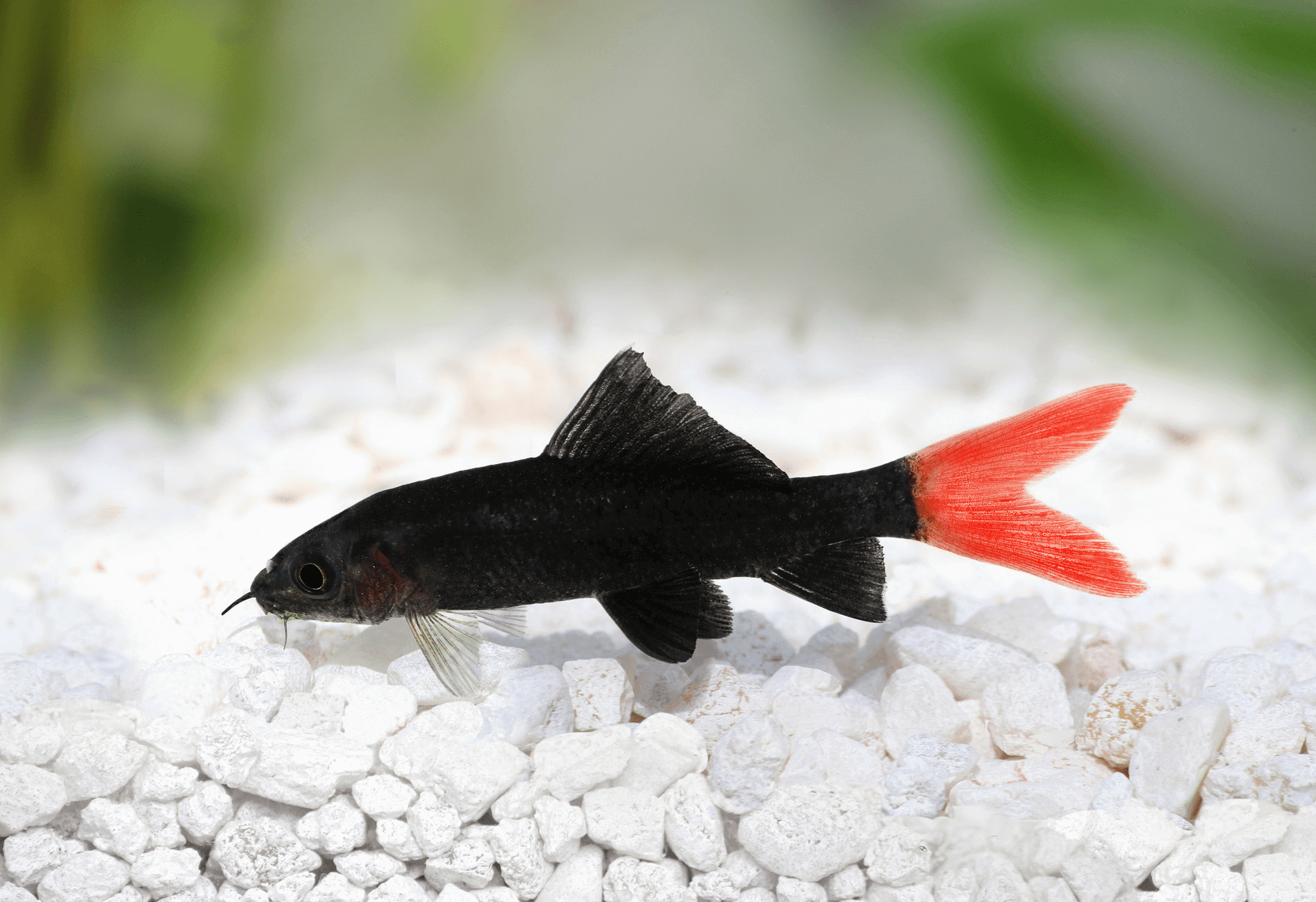
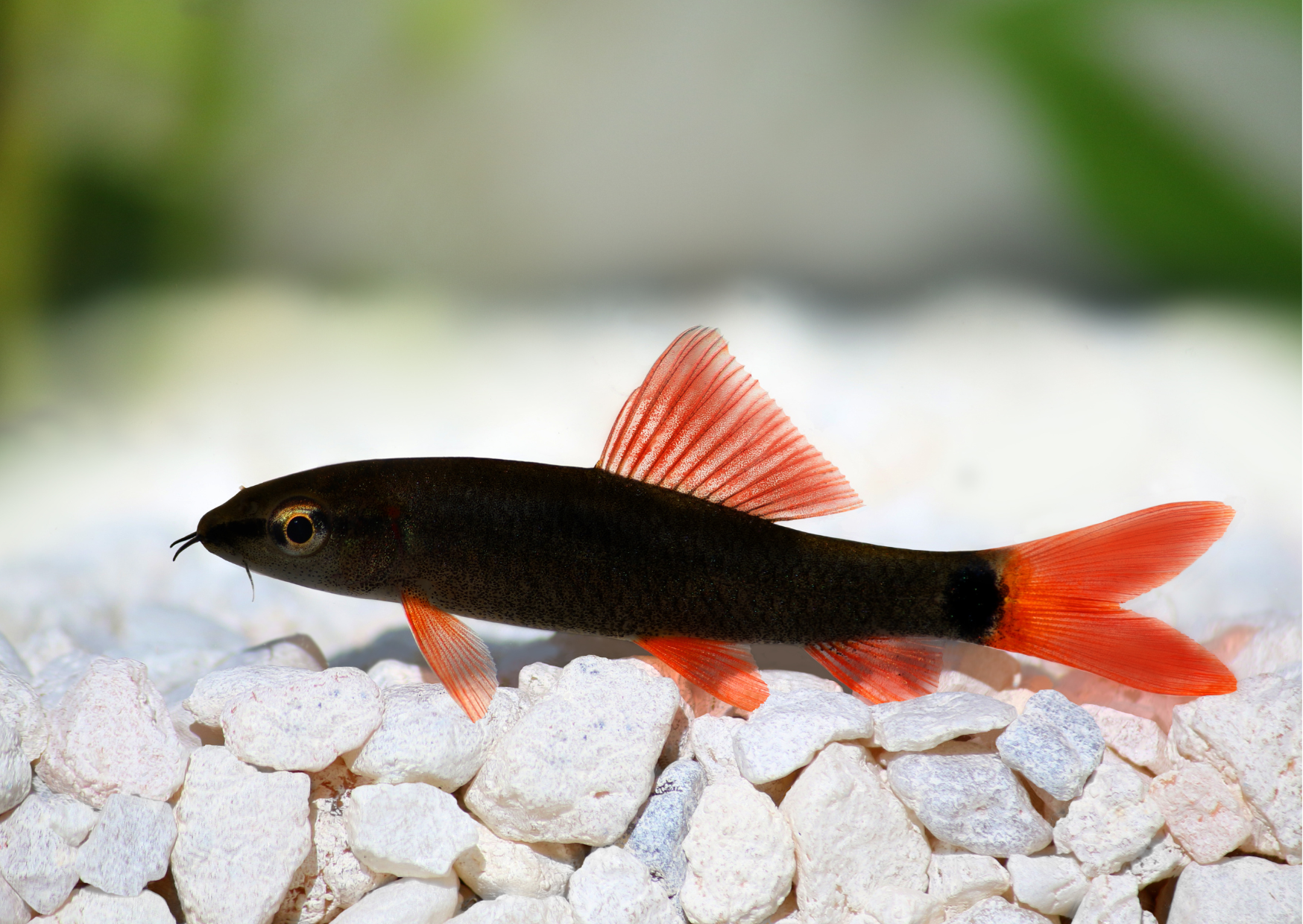
The Red Tail Shark has a sleek, shark-like body shape. Its body is mostly black or dark gray. The tail fin is bright red or orange. This contrast makes it stand out in any tank.
Its fins are sharp and pointed. The eyes are large and round. This fish grows up to 6 inches long. Its colors become more vivid as it matures.
Natural Habitat
Red Tail Sharks come from rivers in Southeast Asia. They live in fast-flowing streams and rivers. These waters have plenty of plants and rocks. The fish use these for hiding and exploring.
They prefer clean, warm water with a pH around 6.5 to 7.5. The temperature usually ranges from 72 to 79°F. Knowing their natural habitat helps create a similar home in tanks.
Behavior Traits
This fish is active and curious. It swims near the bottom of the tank. Red Tail Sharks can be territorial with other fish. They may chase smaller or similar-shaped fish.
Despite this, they usually live well with larger, peaceful fish. They enjoy hiding spots and places to explore. Feeding them a varied diet keeps them energetic and healthy.
Credit: www.fishkeepingworld.com
Tank Setup
Setting up the perfect tank for your Red Tail Shark is important. This fish needs space, clean water, and a good environment. A well-prepared tank helps the fish stay healthy and active. Each part of the setup plays a role in their happiness and growth.
Tank Size Requirements
Red Tail Sharks need at least a 30-gallon tank. They like to swim and explore. A larger tank gives them room to move freely. Crowded tanks cause stress and can lead to fights. Keep enough space for other fish too.
Water Conditions
Maintain water temperature between 72°F and 79°F. The pH level should be from 6.5 to 7.5. These fish prefer clean, well-filtered water. Test the water regularly to keep it safe. Avoid sudden changes in water conditions.
Decor And Plants
Use smooth rocks and hiding spots for comfort. Red Tail Sharks like caves and dark areas. Live plants help create a natural feel. They also improve water quality. Avoid sharp objects that can harm the fish.
Feeding Needs
The feeding needs of the Red Tail Shark are simple and clear. Proper feeding helps keep this fish healthy and active. Understanding what and how often to feed is important. This guide covers the main points about feeding your Red Tail Shark.
Diet Types
Red Tail Sharks eat mostly plant-based foods. They are omnivores, so they enjoy some protein too. A mix of algae, vegetables, and small insects works well. Commercial fish flakes or pellets designed for omnivores are suitable. Variety in diet helps them get all needed nutrients.
Feeding Frequency
Feed your Red Tail Shark two times a day. Give only the amount they can eat in two minutes. Overfeeding can cause water problems and health issues. Young sharks may need feeding three times daily. Watch their behavior to adjust feeding amounts properly.
Preferred Foods
These fish love algae wafers and blanched vegetables like zucchini. Small live or frozen foods such as bloodworms or brine shrimp are good treats. Fresh greens help keep their color bright and body strong. Avoid fatty or heavy foods that can harm digestion.

Credit: aquadiction.world
Compatibility
The Red Tail Shark is a popular fish for many aquariums. It has a unique look and a lively nature. Understanding its compatibility with other fish helps create a peaceful tank. Compatibility depends on choosing the right tank mates and managing its behavior well.
Suitable Tank Mates
Choose fish that are not too small or too slow. Good tank mates include barbs, danios, and larger tetras. These fish can keep up with the Red Tail Shark’s energy. Avoid small or shy fish that may get stressed.
Aggression Management
The Red Tail Shark can be territorial. It may chase other fish, especially its own kind. Provide plenty of hiding spots with plants and decorations. Space helps reduce fights and keeps peace in the tank.
Community Tank Tips
Keep the tank size at least 30 gallons. More space lowers stress and aggression. Feed the fish well and on time to avoid competition. Watch for signs of bullying and act fast to separate fish if needed.
Health And Care
The Red Tail Shark is a vibrant and active fish that needs good care to stay healthy. Proper health and care ensure it lives a long and happy life. Understanding its health needs helps prevent problems early.
Keeping the aquarium clean and stable supports the fish’s wellbeing. Watching for signs of illness or stress helps catch issues fast. Let’s explore common diseases, signs of stress, and ways to prevent problems.
Common Diseases
Red Tail Sharks can get diseases like ich, fin rot, and fungal infections. Ich causes white spots on the body and fins. Fin rot makes the fins look ragged and weak. Fungal infections appear as white or gray patches on the skin. These diseases often happen due to poor water quality or stress.
Signs Of Stress
Stress in Red Tail Sharks shows through changes in behavior and appearance. The fish may hide more or stop eating. It can also swim erratically or gasp at the water surface. Color fading is another sign of stress. These signs mean the fish needs better care or environment.
Preventive Measures
Keep water clean by doing regular water changes. Test water parameters often to maintain the right conditions. Provide a balanced diet with good quality food. Avoid overcrowding the tank to reduce stress. Add hiding spots with plants or decorations for security. Quarantine new fish before adding them to the tank. These steps help keep Red Tail Sharks healthy and happy.
Credit: realaquatics.co.uk
Breeding Red Tail Sharks
Breeding Red Tail Sharks can be a rewarding experience for aquarium hobbyists. These fish are known for their striking colors and active behavior. Breeding them requires patience and the right environment. Understanding their needs helps increase the chance of success.
Breeding Conditions
Red Tail Sharks need a well-maintained tank to breed. Keep water temperature between 75 and 79°F (24-26°C). The pH level should be slightly acidic to neutral, around 6.5 to 7.0. Provide plenty of hiding spots using plants and decorations. A clean tank with regular water changes is essential. Avoid overcrowding by keeping only one male with several females.
Spawning Behavior
Male Red Tail Sharks become territorial during breeding. They chase other males and display bright red tails. Spawning usually happens near flat surfaces like rocks or broad leaves. The female lays eggs, which the male fertilizes externally. After spawning, parents do not care for the eggs. The eggs hatch in about 24 to 36 hours.
Raising Fry
Once eggs hatch, move the fry to a separate tank. Keep water clean and stable for the young fish. Feed them tiny foods such as baby brine shrimp or crushed flakes. Fry grow slowly and need gentle care. Avoid sudden changes in water or temperature. After a few weeks, they start looking like miniature adults.
How Smart Pets Lover Can Help You with Red Tail Shark
Learning from Your Red Tail Shark Experience
Welcoming a Red Tail Shark into your aquarium offers more than just a splash of vibrant color—it’s a chance to deepen your understanding of aquatic life and responsible pet care. Observing their feeding needs and compatibility with other fish can teach valuable lessons about balance and harmony in a shared environment. For example, mastering the right tank setup and monitoring their health not only ensures your shark thrives but also sharpens your skills in aquarium management.
At Smart Pets Lover, we believe that every interaction with your pet is an opportunity to connect and learn. Whether you’re navigating their unique care requirements or exploring the fascinating process of breeding Red Tail Sharks, these moments foster patience and attentiveness—qualities that enrich your journey as a devoted pet parent.
If you ever need more insights or support, reaching out to local aquatic experts or reputable forums can be a great way to exchange knowledge and experiences. Remember, nurturing your Red Tail Shark is about more than upkeep; it’s about embracing a shared story beneath the water’s surface.
Frequently Asked Questions
What Is A Red Tail Shark Fish?
The Red Tail Shark is a freshwater fish known for its vibrant red tail and dark body. It is popular in home aquariums due to its striking appearance and active behavior. Native to Thailand, it thrives in warm, well-oxygenated water.
How Big Do Red Tail Sharks Grow?
Red Tail Sharks typically grow up to 6 inches (15 cm) in length. Their size makes them suitable for medium to large aquariums. Proper tank conditions and diet help them reach their full growth potential healthily.
Are Red Tail Sharks Aggressive Towards Other Fish?
Red Tail Sharks can be territorial and show aggression, especially in small tanks. They usually avoid confrontation if given enough space. Adding hiding spots and maintaining a spacious tank reduces aggressive behavior.
What Is The Ideal Tank Setup For Red Tail Sharks?
A 30-gallon tank with hiding places, plants, and smooth substrate suits Red Tail Sharks. They prefer clean, well-filtered water with temperatures between 72°F and 79°F (22°C – 26°C). Regular water changes maintain their health and vibrancy.
Conclusion
The Red Tail Shark adds color and life to any aquarium. It stays active and interacts well with other fish. Feeding it is simple with basic fish food. Keep the tank clean and provide hiding spots. This fish is a great choice for beginners and experts alike.
Enjoy watching its bright tail swim through your tank. A Red Tail Shark can bring joy and beauty to your home. Give it proper care, and it will thrive happily.