Convict Cichlid
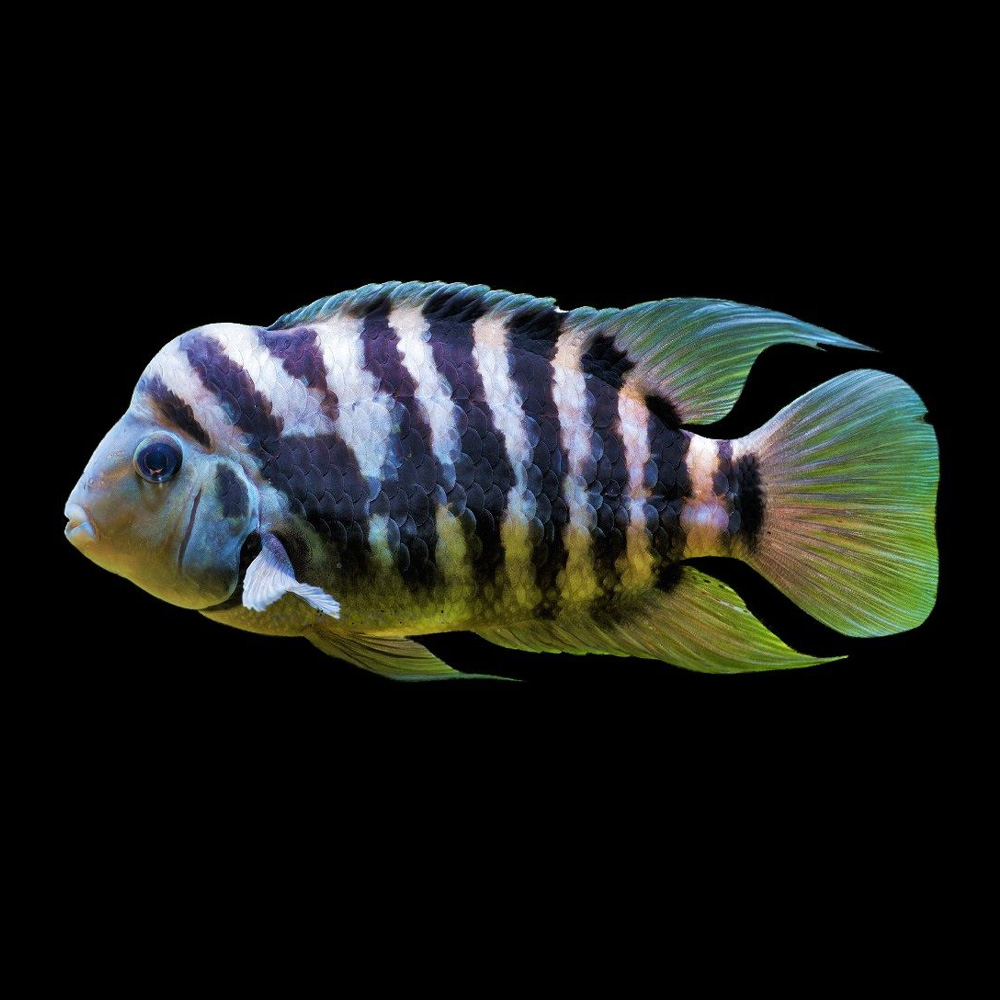
If you’re looking for a fish that’s full of personality and easy to care for, the Convict Cichlid might just be your perfect match. Known for their striking black and white stripes and feisty attitude, these fish can bring life and excitement to your aquarium.
But there’s more to Convict Cichlids than meets the eye. Whether you’re a beginner or an experienced aquarist, understanding how to care for and enjoy these vibrant fish can make all the difference. Keep reading to discover everything you need to know to make your Convict Cichlid thrive and stand out in your tank.

Credit: www.youtube.com
Appearance And Colors
The Convict Cichlid is a small but striking fish. Its look grabs attention quickly. The patterns and colors make it stand out in any aquarium. This fish has a unique style that many fish keepers admire.
Understanding its appearance helps in identifying and caring for this species. The colors and body shape give clues about its health and mood. Let’s explore what makes the Convict Cichlid’s look so special.
Body Shape And Size
The Convict Cichlid has a rounded, oval body. It grows to about 4-6 inches long. Its compact shape helps it swim through rocks and plants easily. The fish’s body is strong and slightly compressed from the sides.
Distinctive Black Stripes
Bold black stripes run vertically across its body. Usually, there are five or six stripes. These stripes contrast with the lighter background color. The pattern looks like a prisoner’s uniform, which gives the fish its name.
Base Colors And Variations
The base color is usually gray to light blue. Some Convict Cichlids show a pale white or yellowish tint. Color intensity can change with mood, health, or breeding. Bright colors often mean the fish is healthy and happy.
Color Changes During Breeding
Breeding Convict Cichlids become more vibrant. Their stripes darken, and the body color intensifies. Some develop a bluish or greenish shine. These changes signal readiness to mate and protect eggs.
Natural Habitat
The natural habitat of the Convict Cichlid plays a big role in its behavior and care needs. This fish lives in freshwaters that are warm and calm. Understanding where it comes from helps us provide the right environment in home aquariums.
Convict Cichlids are found mostly in Central America. They thrive in rivers and streams with rocky bottoms. The water in these areas is clear and has a steady flow. Rocks and crevices offer shelter and places to hide.
Geographical Location
Convict Cichlids are native to Mexico and parts of Central America. Their range extends from southern Mexico down to Honduras. These areas have tropical climates with warm temperatures year-round.
Water Conditions
The water in their habitat is usually soft to moderately hard. It has a slightly acidic to neutral pH level. Temperatures range between 72°F and 82°F (22°C to 28°C). These conditions support their health and breeding.
Environment And Shelter
Rivers and streams have many rocks and plants. Convict Cichlids use these for hiding and nesting. The rocky environment protects them from predators. It also helps them lay eggs safely.
Diet In The Wild
In their natural habitat, Convict Cichlids eat small insects and plants. They search among rocks and plants for food. This diet keeps them strong and healthy in the wild.
Behavior And Temperament
The Convict Cichlid is known for its bold and active behavior. This fish shows strong personality traits that make it interesting to watch. Its temperament plays a key role in how it interacts with other fish and its environment.
This species is very territorial. It defends its space with confidence. Understanding its behavior helps create a better aquarium setup. It also ensures a peaceful tank community.
Territorial Nature
Convict Cichlids guard their space fiercely. They mark their territory with displays and movements. Other fish entering their zone may face aggression. This behavior is common during breeding times. It helps protect their eggs and young.
Social Interactions
Convict Cichlids can be both aggressive and social. They often show dominance to weaker fish. At the same time, they may form pairs or small groups. Proper tank size helps reduce fights. Careful selection of tank mates is important.
Breeding Behavior
These cichlids become very protective when breeding. They clean a flat surface for laying eggs. Both parents guard the eggs and fry closely. They chase away threats without hesitation. Watching this behavior is fascinating for hobbyists.
Tank Setup
Setting up a tank for Convict Cichlids is key to their health and happiness. These fish need space, clean water, and a safe environment. Proper tank setup helps reduce stress and shows their best colors.
Tank Size
A minimum tank size of 30 gallons is best for one pair of Convict Cichlids. They are aggressive and need space to swim and hide. For more fish, increase tank size to avoid fights.
Water Conditions
Convict Cichlids prefer water temperatures between 74°F and 80°F. Keep pH levels between 6.5 and 8.0 for a healthy environment. Change water regularly to maintain cleanliness and reduce toxins.
Decor And Substrate
Use rocks and caves to create hiding spots and territories. Sand or fine gravel works well as substrate for digging. Avoid sharp decorations that can harm these active fish.
Feeding Habits
Convict Cichlids have simple yet interesting feeding habits. They eat a variety of foods in the wild and in aquariums. Understanding their diet helps keep them healthy and active.
These fish are omnivores. They enjoy both plant matter and small animals. Their eating style is quick and eager.
Natural Diet In The Wild
In nature, Convict Cichlids feed on insects, larvae, and small crustaceans. They also nibble on algae and plant material. This mix gives them good nutrition and energy.
Feeding Behavior In Aquariums
At home, Convict Cichlids eat flakes, pellets, and live food. They often eat at the bottom and middle of the tank. They tend to be aggressive eaters and may chase other fish during feeding.
Recommended Foods For Convict Cichlids
Offer a balanced diet with high-quality pellets or flakes. Add frozen or live foods like brine shrimp and bloodworms. Include some vegetable matter to mimic their natural diet.
Feeding Frequency And Tips
Feed small amounts two to three times daily. Avoid overfeeding to prevent water problems. Remove leftover food to keep the tank clean and healthy.
Breeding Tips
Breeding Convict Cichlids can be a rewarding experience for aquarium enthusiasts. These fish are known for their strong parental care and interesting spawning habits. Understanding their breeding behavior helps create the right environment for success. Follow these simple tips to encourage spawning and raise healthy fry.
Spawning Behavior
Convict Cichlids form monogamous pairs during breeding. The female chooses a flat surface like a rock or aquarium glass for laying eggs. The male guards the territory and protects the female. They clean the spawning site thoroughly before laying eggs. The female lays 300 to 600 eggs. Both parents take turns fanning the eggs to keep them oxygenated. Spawning usually happens at night or early morning. Watch for increased aggression as they guard their nest.
Raising Fry
After eggs hatch, parents continue to protect the fry. They move the young fish in small groups to safe areas. Fry become free-swimming in about five to seven days. Feed them finely crushed flakes or baby brine shrimp. Change water regularly to keep conditions clean. Remove parents only if they show signs of stress or aggression. Healthy fry grow quickly with proper care and feeding. Provide hiding spots with plants or decorations for extra safety.
Common Health Issues
Convict Cichlids are strong fish but can face health problems. Knowing these issues helps keep them healthy. Watch for signs to act fast and save your fish.
Clean water and good food reduce many risks. Stress and poor tank conditions increase sickness chances. Regular checks help catch problems early.
Ich (white Spot Disease)
Ich causes small white spots on the fish’s body and fins. It makes the fish scratch against objects. The fish may breathe fast or hide more than usual. Treatment involves raising water temperature and using medicine.
Fin Rot
Fin rot causes frayed and discolored fins. It often happens from poor water quality or injuries. Clean water and antibacterial treatments help heal fin rot. Keep the tank clean and avoid overcrowding.
Swim Bladder Disorder
This disorder affects the fish’s ability to swim properly. The fish may float on the side or sink to the bottom. Overfeeding or infections often cause this problem. Feeding peas and improving water conditions can help.
Bacterial Infections
Bacterial infections cause red spots or ulcers on the skin. The fish might lose appetite and become weak. Good tank hygiene and antibiotics are needed. Quarantine new fish to stop spreading infections.
Parasites
Parasites live on or inside the fish, causing irritation. Symptoms include scratching, flashing, and weight loss. Use anti-parasitic treatments and keep the tank clean. Monitor fish closely for early signs.
Credit: www.seahorseaquariums.com
Tank Mates
Choosing the right tank mates for your Convict Cichlid is important for a peaceful aquarium. These fish can be aggressive, especially during breeding. It is best to pick fish that can handle their bold nature. Some species are good companions, while others can cause trouble.
Compatible Species
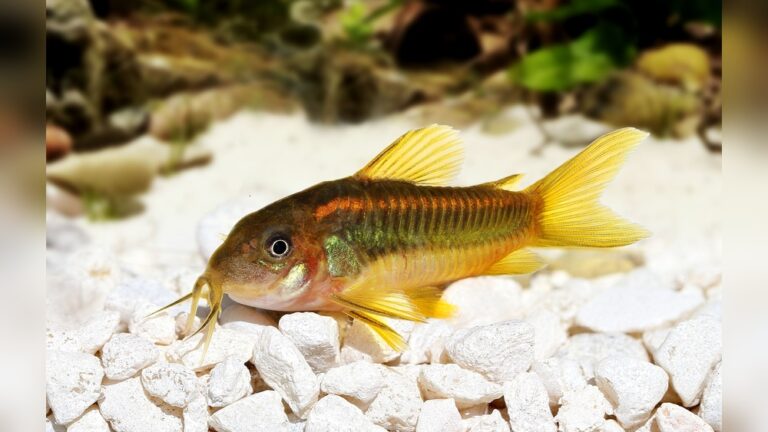
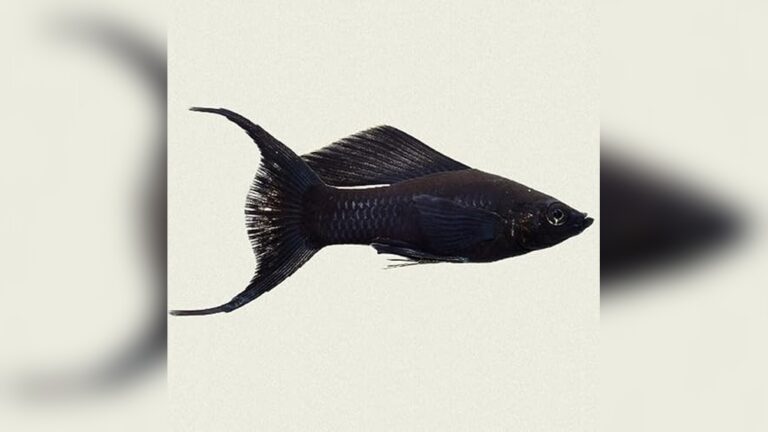
Good tank mates are usually strong and fast swimmers. Large Tetras like Buenos Aires or Congo Tetras work well. Other cichlids such as Firemouths and Green Terrors can also live with Convicts. Catfish like Plecos or Corydoras provide bottom comfort and avoid conflicts. Livebearers such as Mollies or Platies add color and usually stay safe. These fish share similar water needs and temperament.
Species To Avoid
Avoid small, slow, or shy fish. They often become targets for Convicts. Neon Tetras and Guppies are too small and can be stressed. Long-finned fish like Angelfish can get nipped. Other aggressive cichlids with similar size might lead to fights. Avoid overcrowding the tank to reduce stress and aggression.

Credit: aquariumfishonline.com.au
How Smart Pets Lover Can Help You with Convict Cichlid
Learning from Your Convict Cichlid Journey
Welcoming a Convict Cichlid into your home is more than just setting up a tank—it’s an opportunity to deepen your understanding of fish behavior and aquatic care. Observing their unique temperament and interactions can teach patience and respect for their territorial nature, helping you tailor the tank setup to their needs. Their fascinating breeding habits also provide a hands-on lesson in fish reproduction, encouraging responsible care during this sensitive phase.
- Notice how their natural habitat influences their tank environment, emphasizing the importance of replicating those conditions.
- Pay attention to feeding habits to ensure balanced nutrition and avoid common health issues.
- Understanding their behavior helps in selecting compatible tank mates, fostering a harmonious aquarium.
At Smart Pets Lover, we believe every pet experience enriches your connection with nature. If you ever need guidance or want to share your Convict Cichlid stories, feel free to reach out at [email protected]. Remember, every fin flick tells a story worth learning from.
Frequently Asked Questions
What Is A Convict Cichlid Fish?
Convict Cichlid is a small, aggressive freshwater fish native to Central America. It is popular in aquariums due to its striking black and white stripes and easy care requirements.
How Big Do Convict Cichlids Grow?
Convict Cichlids typically grow up to 4 to 6 inches in length. Males are usually larger and more colorful than females, making size a key identification factor.
What Is The Ideal Tank Setup For Convict Cichlids?
A 30-gallon tank with hiding spots and rocks suits Convict Cichlids best. They prefer slightly acidic to neutral water with stable temperatures around 75-80°F.
Are Convict Cichlids Aggressive Towards Other Fish?
Yes, Convict Cichlids can be territorial and aggressive, especially during breeding. It’s best to keep them with similarly sized or robust fish to avoid conflicts.
Conclusion
Convict Cichlids make great pets for beginner fish keepers. They are hardy and easy to care for. These fish show interesting behavior and vibrant colors. Keep their tank clean and provide hiding spots. Watch them interact and enjoy their lively presence.
With proper care, they live long and stay healthy. Add a convict cichlid to your aquarium for fun and color. Simple care brings rewarding results. A small effort goes a long way.