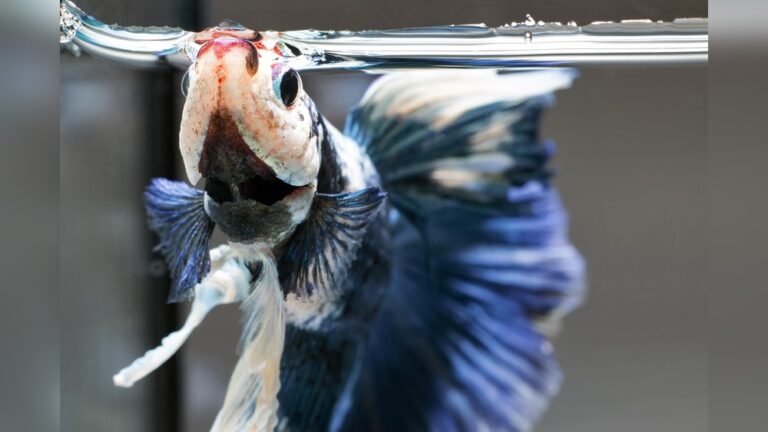
Betta Fish
Are you thinking about adding a splash of color and life to your home? Betta fish might be the perfect choice for you.
These beautiful, vibrant fish are not only easy to care for but also full of personality. Whether you’re a beginner or have some experience with fishkeeping, understanding how to care for your betta fish can make all the difference. You’ll discover simple tips and secrets to keep your betta healthy and happy.
Ready to unlock the full potential of your new aquatic friend? Let’s dive in!

Credit: en.wikipedia.org
Betta Fish Basics
Betta fish are popular pets known for their bright colors and flowing fins. They are easy to care for and can live happily in small tanks. Understanding the basics helps keep bettas healthy and vibrant.
Here are some important facts about betta fish to know before bringing one home.
Species And Origins
Betta fish, also called Siamese fighting fish, come from Southeast Asia. They live in shallow waters like rice paddies and slow rivers. Wild bettas have duller colors than those bred for pets. Their natural habitat is warm and still water.
Physical Characteristics
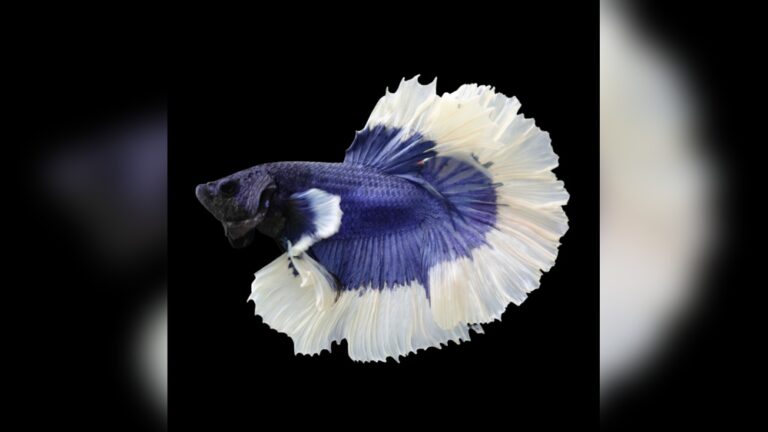
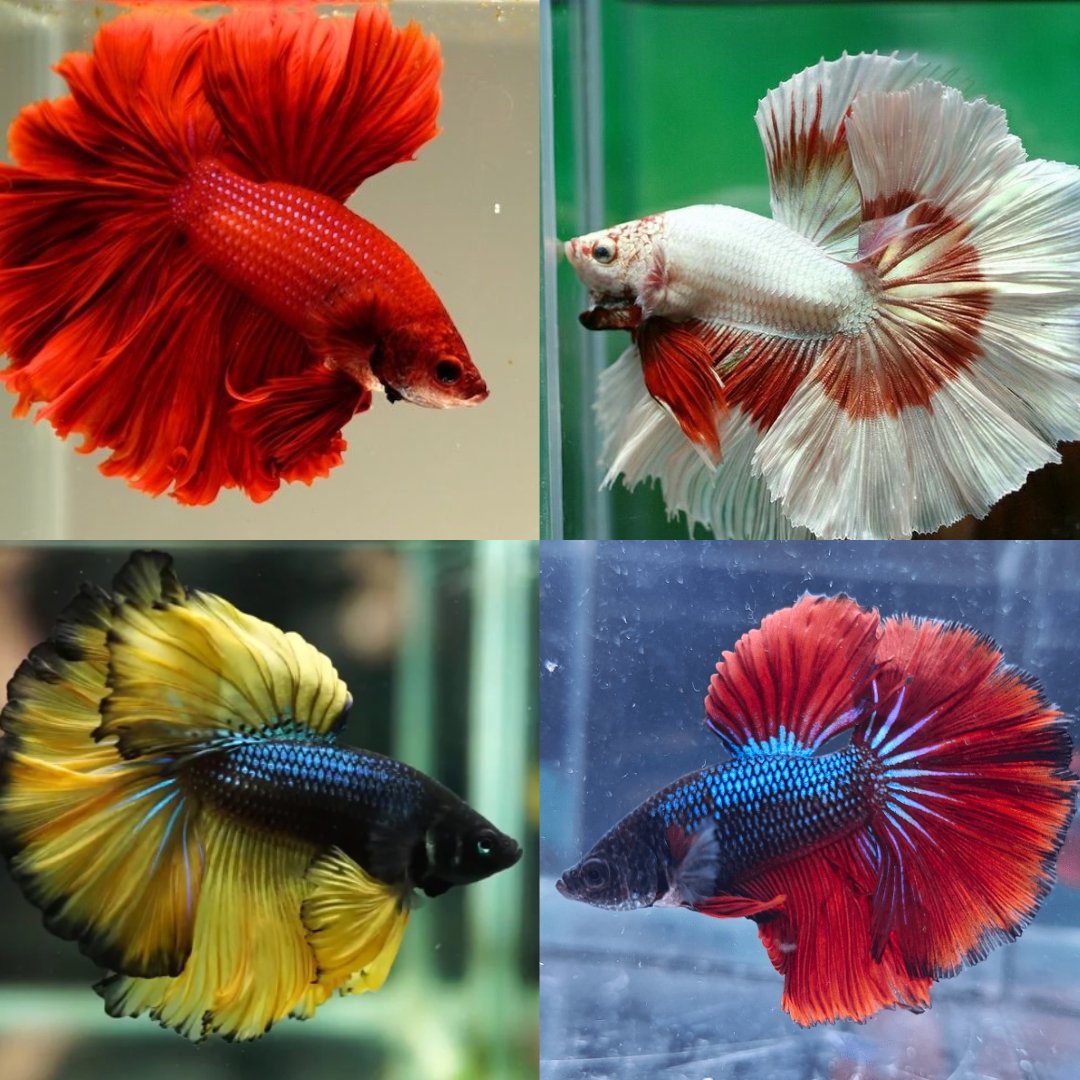
Betta fish have long, flowing fins that come in many shapes. Their colors range from red and blue to green and purple. Males are usually more colorful and have bigger fins. Bettas grow up to 3 inches long. They have a small mouth and sharp eyesight.
Behavior And Temperament
Male bettas are very aggressive toward other males. They flare their fins to show dominance. Females are less aggressive but still territorial. Bettas are curious and like exploring their tanks. They can recognize their owners and respond to feeding time.
Setting Up A Betta Tank
Setting up a proper tank is the first step to keeping a happy Betta fish. The right environment helps your Betta live longer and stay healthy. Each part of the tank setup matters. Let’s explore the key points to create a safe home for your Betta.
Tank Size And Shape
Choose a tank that holds at least 5 gallons of water. Small bowls are not good for Bettas. A wider tank offers more swimming space. Avoid tall and narrow tanks since Bettas like to swim near the surface. A rectangular tank is best for Betta fish.
Water Conditions
Keep the water temperature between 76°F and 82°F. Bettas are tropical fish and need warm water. Test water pH regularly; it should be between 6.5 and 7.5. Change 25% of the water weekly to keep it clean. Use a water conditioner to remove harmful chemicals.
Filtration And Heating
Use a gentle filter to avoid strong currents. Bettas prefer calm water. Choose a heater with an adjustable thermostat. Keep the heater stable to maintain the right temperature. Check both filter and heater often to ensure they work well.
Feeding Betta Fish
Feeding betta fish is key to their health and happiness. Their diet should be balanced and suited to their needs. A good feeding routine keeps them active and colorful. Understanding what and how to feed bettas helps avoid common problems.
Let’s explore the types of food, how often to feed, and how to prevent overfeeding. Each step supports a strong, vibrant fish.
Diet Types
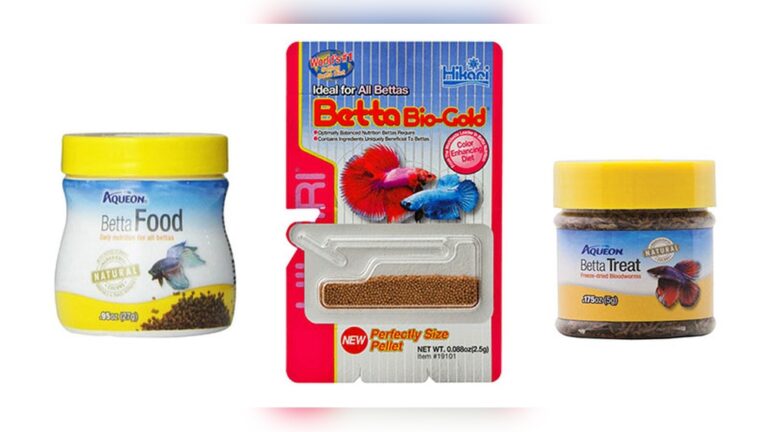
Betta fish eat mainly protein-rich foods. High-quality betta pellets are a popular choice. They contain nutrients designed for bettas’ needs. Freeze-dried or frozen bloodworms and brine shrimp are great treats. Live food can boost their natural hunting skills. Avoid foods with fillers like wheat or corn. These can harm bettas and cause bloating.
Feeding Frequency
Feed adult bettas twice a day. Give small amounts that they finish in two minutes. Baby bettas may need three to four feedings daily. Young bettas grow quickly and need more food. Regular feeding times help maintain their digestion and energy. Remove any leftover food to keep the water clean.
Avoiding Overfeeding
Overfeeding is a common mistake. Excess food can pollute the tank and harm your fish. Feed only what bettas can eat quickly. Watch their behavior and adjust portions if needed. Uneaten food leads to poor water quality. This can cause diseases and shorten their lifespan. Use a feeding schedule and stick to it strictly.
Betta Fish Care Tips
Betta fish are beautiful and popular pets. They need proper care to stay healthy and happy. Simple steps can make a big difference in their life. Following these Betta fish care tips will help you provide the best environment for your fish.
Understanding their needs is key. Clean water, good food, and regular checks keep them active. Here are some important care tips to follow.
Regular Maintenance
Change 25-50% of the water weekly. Use water conditioner to remove chlorine. Keep the tank clean by removing leftover food and waste. Check the water temperature daily. Betta fish prefer 75-80°F. Use a heater if needed. Clean the filter regularly but do not replace all the filter media at once. This helps keep beneficial bacteria alive.
Health Monitoring
Watch your Betta daily for changes in behavior or color. Healthy Bettas swim actively and eat well. Look for signs like lethargy, faded colors, or clamped fins. These can indicate stress or illness. Test water parameters often. Keep ammonia, nitrite, and nitrate levels low. Good water quality prevents many health problems.
Common Illnesses
Betta fish can get fin rot, ich, and velvet disease. Fin rot causes torn or ragged fins. Ich shows as white spots on the body and fins. Velvet disease appears as a gold or rust-colored dust. Early treatment is important. Quarantine sick fish to stop spread. Use medicine designed for Bettas. Keep the tank clean to avoid infections.
Breeding Betta Fish
Breeding Betta fish can be a rewarding experience for aquarium hobbyists. It requires patience, care, and the right environment. Understanding the process helps ensure healthy fry and happy fish. This guide covers the basics of breeding Betta fish.
Preparing The Breeding Tank
Start with a clean tank of about 5 to 10 gallons. Fill it with warm water, around 78 to 80°F. Keep the water shallow, about 4 to 6 inches deep. Add a gentle sponge filter to keep water clean without strong currents. Provide hiding spots using plants or small decorations. Use a floating leaf or a breeding mop for the male to build his bubble nest. Check water parameters to keep them stable before introducing the fish.
Breeding Process
Introduce the female Betta to the tank using a clear divider or a jar. Let the male see her but not touch her. Watch for signs like the female showing vertical stripes and the male building a bubble nest. Remove the divider once the male is ready. The male wraps around the female to fertilize the eggs. After spawning, the male collects the eggs and places them in the bubble nest. Remove the female to prevent aggression.
Caring For Fry
Keep the breeding tank dark and quiet to reduce stress. The male guards the nest and cares for the eggs. Remove the male once the fry start swimming freely. Feed the fry tiny foods like infusoria or baby brine shrimp. Change water regularly but avoid strong currents. Monitor growth and remove any dead fry to keep the tank clean. Gradually increase food size as the fry grow.
Betta Fish Tankmates
Choosing the right tankmates for your betta fish is very important. Bettas are known for their bright colors and flowing fins. They can also be quite aggressive. This means not all fish can live peacefully with them. Finding compatible tankmates helps keep your betta calm and healthy.
Understanding which species get along with bettas is key. You also need to manage their behavior carefully. Setting up the tank properly makes a big difference too. This guide will help you make the best choices for a happy community tank.
Compatible Species
Small, peaceful fish usually work well with bettas. Fish like neon tetras, corydoras, and harlequin rasboras are good choices. These fish stay low or in groups, not bothering the betta. Snails and shrimp can also live with bettas, but watch for signs of aggression. Avoid other male bettas or fish with long fins. They can cause fights or stress your betta.
Aggression Management
Bettas can be territorial and aggressive. Keep an eye on their behavior daily. Separate fish if you see chasing or biting. Using plants and hiding spots reduces fights. Betta fish feel safer with places to hide. Feed your betta well to lower its stress and aggression. Sometimes, individual bettas are calmer than others. Know your fish’s personality before adding tankmates.
Community Tank Setup
Use a tank at least 10 gallons for a community setup. Add many plants and decorations to create spaces. Floating plants help break the betta’s line of sight. Use gentle filters to avoid strong currents. Keep water temperature between 76 and 82°F. Regular cleaning keeps the tank healthy for all fish. A well-planned tank helps bettas live peacefully with others.
Enhancing Betta Environment
Creating a good environment is key to keeping Betta fish happy and healthy. Bettas enjoy space to swim and places to hide. A well-set tank can reduce stress and bring out their bright colors. Simple changes can make a big difference in their daily life.
Small details matter. Decorations, lighting, and activities keep your Betta active and calm. Each part of the tank plays a role in making your fish feel safe and interested.
Decorations And Plants
Decorations give Bettas spots to hide and explore. Smooth stones, caves, and silk plants work well. Avoid sharp edges that can harm their fins. Live plants clean the water and add oxygen. They also create a natural look that Bettas enjoy.
Lighting Effects
Lighting affects Betta behavior and health. Soft, gentle light is best. Too bright lights cause stress. Use a timer to mimic natural day and night. This helps Bettas rest and stay active at the right times.
Stimulating Activities
Bettas need mental and physical exercise. Floating toys or mirrors can spark curiosity. Change tank layout sometimes to keep things new. Hand-feeding or training with small targets builds trust. These activities reduce boredom and improve their mood.
Credit: vijayaquarium.com
:strip_icc()/siamese-fighting-fish-bettas-1378308-hero-f459084da1414308accde7e21001906c.jpg)
Credit: www.thesprucepets.com
How Smart Pets Lover Can Help You with Betta Fish
Discovering Practical Learning Through Betta Fish Care
Taking care of a Betta fish offers more than just a chance to enjoy their vibrant colors and graceful movements—it’s a wonderful way to engage in hands-on learning. From setting up a Betta tank with the right environment to understanding their feeding needs and care tips, each step teaches patience, observation, and responsibility.
For example, creating a balanced habitat not only benefits your Betta’s health but also introduces basic principles of aquatic ecosystems. Feeding routines help you recognize the importance of nutrition and portion control, while regular care routines build consistency and commitment. Even exploring compatible tankmates invites a deeper appreciation of animal behavior and social dynamics.
- Observe how water quality affects your Betta’s behavior and vitality.
- Learn about breeding challenges and what they reveal about genetics and life cycles.
- Practice gentle interaction that builds trust and reduces stress for your fish.
At Smart Pets Lover, we understand how these small lessons can strengthen the bond between pet parents and their aquatic companions. Should you have questions or need guidance, connecting with fellow enthusiasts or experts can be a valuable resource—feel free to reach out to our community for support. After all, every wag, purr, and swim tells a story worth learning from.
Frequently Asked Questions
What Is The Ideal Tank Size For A Betta Fish?
A 5-gallon tank is ideal for a Betta fish. It provides enough space for swimming and maintains water quality. Larger tanks reduce stress and promote a healthy environment. Regular cleaning and filtration are also important for Betta fish health.
How Often Should I Feed My Betta Fish?
Feed your Betta fish once or twice daily. Provide 2-3 pellets per feeding to avoid overfeeding. Remove uneaten food to maintain water quality. A balanced diet includes pellets, flakes, and occasional live or frozen food.
Can Betta Fish Live With Other Fish?
Betta fish can live with peaceful, non-fin-nipping species. Avoid other male Bettas or aggressive fish. Suitable tank mates include snails, shrimp, and small schooling fish. Always monitor interactions to prevent stress or injury.
How Do I Maintain Water Quality For Betta Fish?
Perform weekly water changes of 25-30% to keep water clean. Use a water conditioner to remove chlorine and chloramine. Test water parameters regularly, keeping pH around 6. 5-7. 5. Avoid sudden temperature changes; maintain 76-82°F for Betta fish comfort.
Conclusion
Betta fish bring color and life to any aquarium. They need clean water and proper care to thrive. Feeding them the right food keeps them healthy and happy. Watching their graceful movements can be very relaxing. Caring for bettas is a fun and rewarding hobby.
Give your betta a cozy home and enjoy the beauty. Small steps make a big difference in their well-being. Betta fish are a perfect choice for new fish owners.