Cardinal Tetra
If you’re looking to add a splash of color and life to your aquarium, the Cardinal Tetra is a perfect choice. These small, vibrant fish not only brighten up any tank but are also peaceful and easy to care for.
Imagine watching their striking red and blue stripes shimmer as they glide through the water. Whether you’re a beginner or an experienced aquarist, understanding how to keep Cardinal Tetras happy and healthy will transform your aquarium into a stunning underwater paradise.
Keep reading to discover everything you need to know about these beautiful fish and how they can bring your tank to life.
Cardinal Tetra Basics
The Cardinal Tetra is a small, colorful fish popular in home aquariums. It has bright colors that make any tank look lively. This fish is peaceful and easy to care for, making it a favorite among beginners and experts.
Understanding the basics of the Cardinal Tetra helps keep it healthy and happy. Here are the main points about its appearance and natural home.
Physical Features
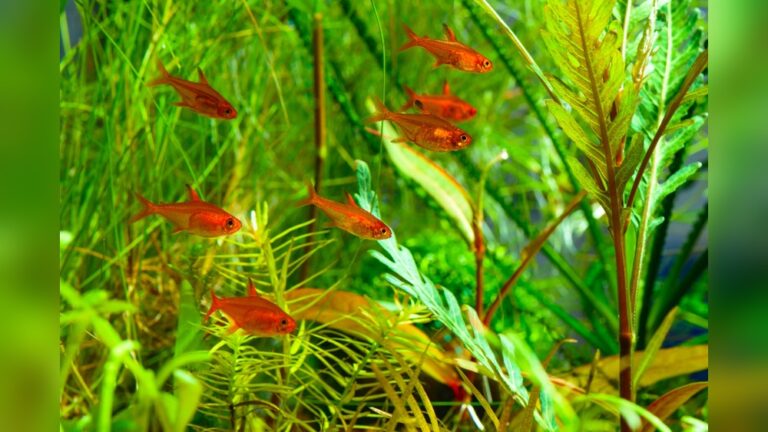
The Cardinal Tetra is tiny, growing up to 2 inches long. Its body shines with bright blue and red stripes. The blue stripe runs from the nose to the tail. The red stripe is below the blue, covering the middle to the tail. Its fins are small and clear. The fish looks sleek and elegant as it swims.
Natural Habitat
Cardinal Tetras live in slow-moving rivers and streams in South America. They prefer warm water with temperatures between 73 and 81 degrees Fahrenheit. The water is usually soft and slightly acidic. These fish hide among plants and roots to feel safe. Their natural environment is dark, with lots of shade and plants.
Tank Setup
Setting up the right tank is essential for Cardinal Tetras to thrive. Their natural habitat has clear, soft water and plenty of plants. Mimicking this environment helps keep them healthy and active.
Careful attention to water and tank details creates a peaceful space. This space encourages natural behavior and vibrant colors.
Ideal Water Conditions
Cardinal Tetras prefer soft, slightly acidic water. Aim for a pH between 5.5 and 7.0. Temperature should stay between 73°F and 81°F. Keep water clean with regular changes. Use a gentle filter to avoid strong currents. Stable water conditions reduce stress and disease risks.
Tank Size And Decoration
A tank size of at least 20 gallons suits a small group of Cardinal Tetras. They swim in schools, so space matters. Add plenty of live plants to provide hiding spots. Dark substrate helps show off their bright colors. Use driftwood or smooth rocks for natural decoration. Leave open swimming areas for their active nature.
Diet And Feeding
Cardinal Tetras need a balanced diet to stay healthy and colorful. They thrive on a mix of small foods that suit their size and natural habits. Feeding them the right types and amounts is key to their well-being. A good diet supports their energy and bright colors.
Recommended Foods
Cardinal Tetras enjoy small, protein-rich foods. High-quality flake food made for tropical fish works well. Freeze-dried or frozen foods like bloodworms, daphnia, and brine shrimp add variety. These foods mimic their natural diet in the wild. Avoid large or hard foods that are difficult to eat.
Feeding Frequency
Feed Cardinal Tetras small amounts two to three times daily. Offering tiny portions prevents overfeeding and water pollution. Observe their eating habits to adjust the quantity. Remove any uneaten food after a few minutes. Keeping a regular feeding schedule helps maintain their health and activity.

Credit: en.wikipedia.org
Behavior And Social Traits
The Cardinal Tetra is a small, peaceful fish that loves to be with others. Its behavior shows a strong need for social interaction. This makes it a favorite for community aquariums. Understanding its social habits helps keep them happy and healthy.
Schooling Habits
Cardinal Tetras swim in groups called schools. They feel safe and confident when together. A school usually has six or more fish. They move in sync, creating a beautiful display. This schooling reduces stress and prevents loneliness. Keep them in groups for their well-being.
Compatibility With Other Fish
These fish get along well with many species. They prefer calm, non-aggressive tank mates. Avoid keeping them with big or aggressive fish. Cardinal Tetras are shy and may hide if threatened. They thrive with peaceful fish like Corydoras or small Rasboras. This harmony creates a balanced aquarium environment.
Health And Care Tips
Taking care of Cardinal Tetras means paying attention to their health. Healthy fish live longer and look brighter. Knowing common diseases and how to prevent them helps keep your fish safe.
Good care creates a happy environment. This section shares key health tips for your Cardinal Tetras.
Common Diseases
Cardinal Tetras can get diseases like Ich, fin rot, and swim bladder disorder. Ich shows as white spots on the body and fins. Fin rot causes torn or ragged fins. Swim bladder disorder makes swimming hard or unsteady. Stress and poor water quality cause most diseases.
Preventive Measures
Keep tank water clean by changing 20% weekly. Test water for ammonia, nitrite, and nitrate levels. Feed high-quality food and avoid overfeeding. Keep tank temperature stable between 73°F and 81°F. Avoid sudden changes in water. Quarantine new fish before adding them to the tank.

Credit: www.coastgemusa.com
Breeding Cardinal Tetras
Breeding Cardinal Tetras is a rewarding experience for many aquarium hobbyists. These small, colorful fish have delicate needs that must be met for successful breeding. Patience and proper care make all the difference.
Understanding their natural habitat and behavior helps create the best environment for breeding. Clear water, soft substrate, and low light are important factors.
Breeding Conditions
Maintain water temperature between 78°F and 82°F for breeding. Keep the water soft with a pH around 5.5 to 6.5. Use peat-filtered water to mimic their natural environment. Provide plenty of plants or spawning mops for egg-laying. Dim lighting helps reduce stress and encourages spawning. Separate the breeding pair or group in a small tank for better control.
Raising Fry
After spawning, remove adult fish to prevent them from eating the eggs. Eggs hatch within 24 to 36 hours. Keep the tank dark to protect the fry from light. Feed newly hatched brine shrimp or specialized liquid fry food. Change water carefully to keep it clean without disturbing the fry. Growth is slow but steady with proper care and feeding. Patience is key to raising healthy Cardinal Tetra fry.
Popular Tank Mates
Choosing the right tank mates for Cardinal Tetras is key to a peaceful aquarium. These small, colorful fish thrive with companions that share similar water needs and temperaments. Avoid aggressive or large fish that may stress or eat them.
Cardinal Tetras prefer calm, community tanks. Ideal tank mates are peaceful, small, and active swimmers. They enjoy company but need safe, non-threatening neighbors.
Other Tetras
Many tetra species work well with Cardinal Tetras. Neon Tetras, Rummy Nose Tetras, and Ember Tetras share similar water preferences. They swim in schools and add color without causing stress.
Corydoras Catfish
Corydoras catfish are bottom dwellers. They help keep the tank clean and pose no threat to Cardinal Tetras. Their peaceful nature fits well in community tanks.
Small Rasboras
Small rasboras like Harlequin Rasboras make good companions. They have similar sizes and gentle behavior. These fish add movement and variety without aggression.
Dwarf Gouramis
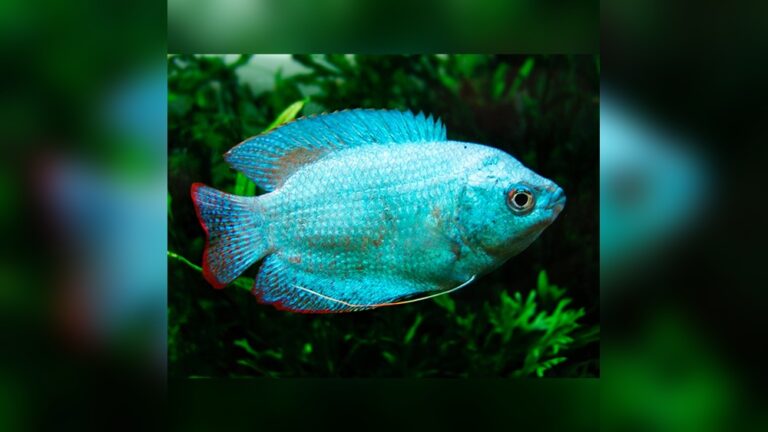
Dwarf Gouramis can live with Cardinal Tetras if the tank is large enough. They are mostly peaceful but need space to avoid stress. Their bright colors complement the tetras.
Otocinclus Catfish
Otocinclus catfish are tiny algae eaters. They clean the tank and stay out of the way. Their calm behavior suits the gentle nature of Cardinal Tetras.
:strip_icc()/cardinal-tetra-1378417-hero-485f0034557a4a67bb0b63cea50ac917.jpg)
Credit: www.thesprucepets.com
How Smart Pets Lover Can Help You with Cardinal Tetra
Learning Through Caring for Cardinal Tetras
Understanding the vibrant Cardinal Tetra offers more than just an appreciation for its striking colors—it opens up practical learning opportunities for any fish enthusiast. From setting up a well-balanced tank that mirrors their natural habitat to mastering their diet and social behavior, each step nurtures your confidence in responsible pet ownership.
- Experiment with tank setup by adjusting water parameters and observing how it affects their health and activity.
- Observe their schooling instincts to better grasp social dynamics within aquatic communities.
- Apply health and care tips to recognize early signs of stress or illness, sharpening your fishkeeping skills.
At Smart Pets Lover, we believe every pet parent’s journey is a story of connection and growth. If you have questions or want to share experiences about Cardinal Tetras or other aquatic companions, you can reach out via our contact page—knowledge shared is love multiplied.
Frequently Asked Questions
What Is A Cardinal Tetra Fish?
Cardinal Tetra is a small, vibrant freshwater fish native to South America. It is popular in home aquariums due to its bright blue and red colors. They thrive in well-planted tanks with soft, acidic water and peaceful tank mates.
How Long Do Cardinal Tetras Live?
Cardinal Tetras typically live for 3 to 5 years in captivity. Proper care, clean water, and a balanced diet help maximize their lifespan. Regular tank maintenance is essential for their health and longevity.
What Water Conditions Do Cardinal Tetras Need?
Cardinal Tetras prefer soft, acidic water with a pH of 4. 6 to 6. 2. Temperature should range between 73°F and 81°F (23°C – 27°C). They thrive in well-filtered, low-light environments mimicking their natural habitat.
Are Cardinal Tetras Peaceful Community Fish?
Yes, Cardinal Tetras are peaceful and social fish. They do best in groups of six or more. Their calm nature makes them ideal for community aquariums with other non-aggressive species.
Conclusion
Cardinal Tetras bring bright color to any aquarium. They are peaceful and easy to care for. These fish do best in groups, making a lively school. Keep their water clean and slightly acidic for health. Feeding them small, varied foods helps them thrive.
Watching their vibrant blue and red shine is relaxing. Adding Cardinal Tetras creates a beautiful, calm tank scene. Enjoy their gentle presence and simple care needs. They make a great choice for beginners and experts alike.