Giant Gourami
Are you curious about a fish that stands out in any aquarium? The Giant Gourami is not just big in size but also big in personality.
If you want to add a unique and fascinating creature to your tank, this fish might be exactly what you need. Keep reading to discover why the Giant Gourami is a favorite among fish lovers and how it can transform your underwater world.
Your next aquatic adventure starts here!
Giant Gourami Basics
The Giant Gourami is a large, peaceful fish popular in home aquariums. It has a calm nature and can live with many other fish types. This fish is easy to care for, making it a favorite among beginners and experts.
Understanding the Giant Gourami’s key traits helps you provide the best care. Let’s explore its physical features, natural habitat, and lifespan.
Physical Features
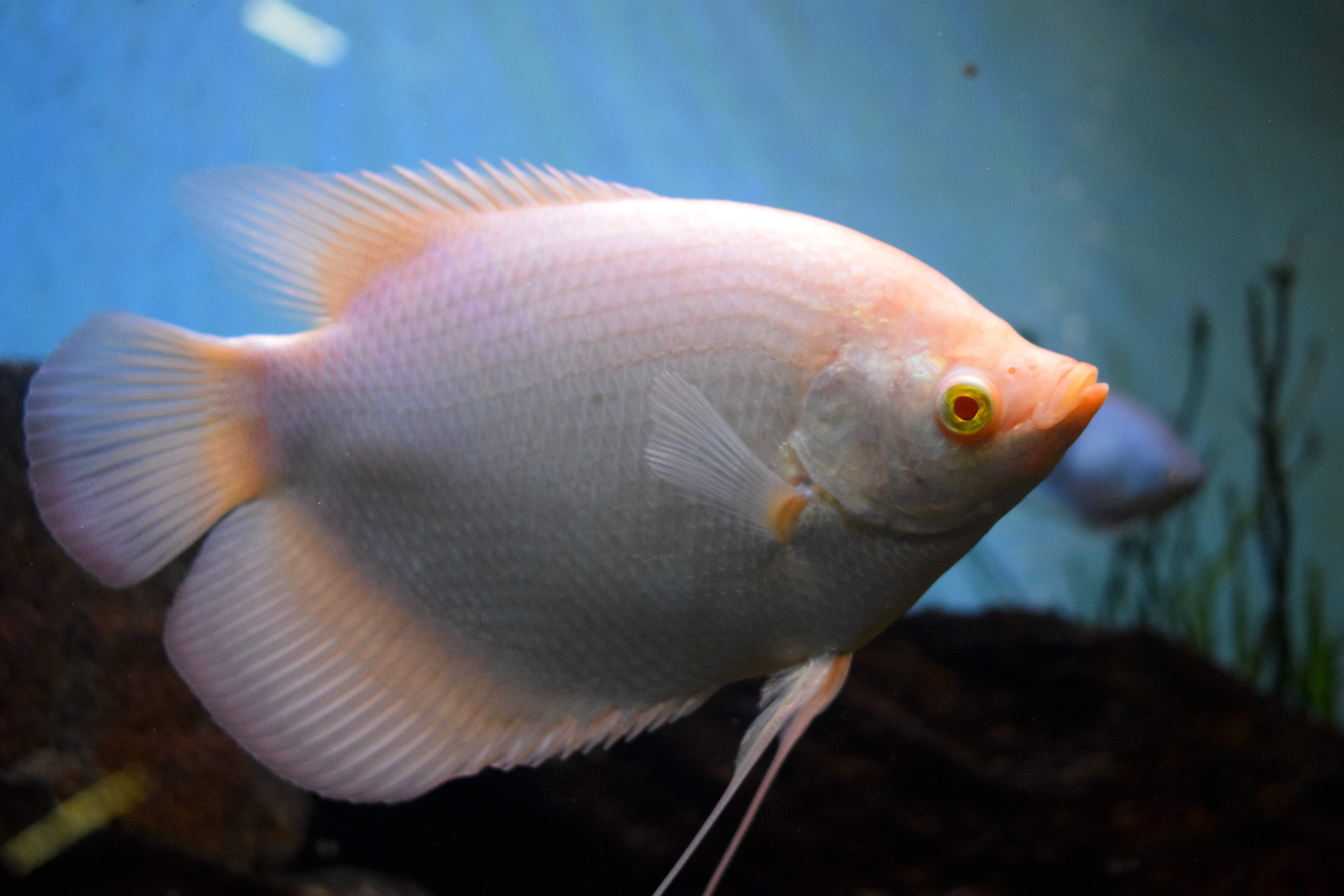
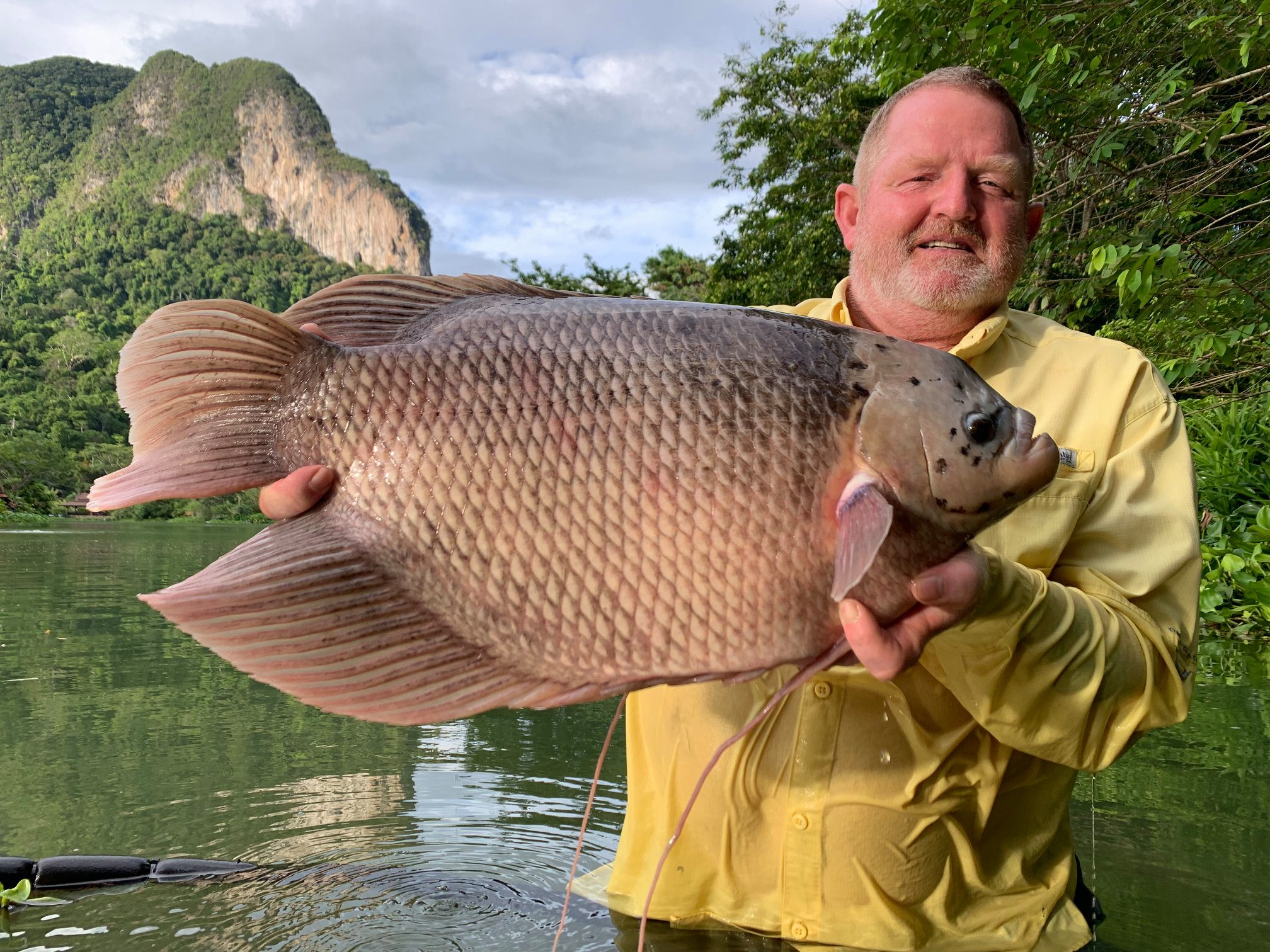
The Giant Gourami has a flat, oval-shaped body. It can grow very big, sometimes over 18 inches long. Its color ranges from pale gray to light brown. Some have a pinkish or blue tint. The fish has thick lips and strong fins. Its eyes are large and round, helping it see well in water.
Natural Habitat
This fish lives in slow-moving rivers and lakes. It prefers warm water, usually between 75 and 82 degrees Fahrenheit. The Giant Gourami often stays near plants and roots. These areas offer shelter and food. It can also breathe air, so it survives in water with low oxygen.
Lifespan And Growth
Giant Gouramis live for 10 to 15 years on average. Some can live even longer with proper care. They grow quickly in the first year. After that, growth slows down but continues steadily. A large tank helps them reach their full size and stay healthy.
Behavior And Temperament
The Giant Gourami is a fascinating fish with unique behavior and temperament. It is peaceful but can show some territorial traits. Understanding its behavior helps in keeping it healthy and happy in an aquarium.
Social Traits
Giant Gouramis are generally calm and gentle. They enjoy living alone or with other peaceful fish. Aggression may occur during breeding or if space is limited. They communicate through body movements and color changes. These fish prefer quiet surroundings without loud disturbances.
Feeding Habits
Giant Gouramis are omnivores. They eat plants, insects, and small crustaceans. They often nibble on algae and vegetables in the tank. Feeding them a varied diet keeps them strong. They eat slowly and may take time to accept new foods.
Breeding Behavior
Breeding Giant Gouramis involves careful preparation. Males build nests from bubbles and plant material. They guard eggs and fry with great care. Parents may become aggressive during this time. Providing hiding spots helps fry survive and grow.
Tank Setup
Setting up a tank for a Giant Gourami needs careful planning. This fish grows large and needs space to swim freely. Proper tank conditions help your fish stay healthy and active.
Each part of the setup plays a role. From tank size to water quality and decor, every detail matters. Let’s explore these key points for a great Giant Gourami tank.
Tank Size Requirements
Giant Gouramis grow up to 24 inches long. A small tank will stress them and limit their movement. Provide a tank at least 100 gallons for one adult fish. Bigger tanks work better if you keep more fish. Wide tanks give them room to swim sideways.
Water Conditions
Giant Gouramis prefer warm water between 75 and 82°F. Keep the pH level between 6.5 and 8.0 for best health. They can live in slightly hard water but avoid sudden changes. Clean water is important; use a good filter and change water weekly.
Decor And Plants
Use strong plants and decorations in the tank. Giant Gouramis like hiding places but may uproot soft plants. Choose hardy plants like Java fern or Anubias. Add driftwood and rocks to create shelter and break open space. Leave plenty of open swimming areas.

Credit: en.wikipedia.org
Diet And Nutrition
The Giant Gourami is a large freshwater fish with a strong appetite. Proper diet and nutrition are key to its health and growth. Feeding the right foods helps keep them active and vibrant. Understanding their eating habits supports a happy and long life.
Preferred Foods
Giant Gouramis eat both plants and small animals. They enjoy vegetables like lettuce, spinach, and peas. Protein sources include worms, insects, and small crustaceans. They accept pellets made for omnivorous fish. Fresh and varied food keeps them healthy and interested.
Feeding Schedule
Feed Giant Gouramis twice a day. Offer small amounts each time to avoid waste. Young fish need more frequent feeding, about three times daily. Remove uneaten food to keep water clean. Consistent timing helps regulate their digestion and growth.
Supplements And Treats
Occasional treats boost nutrition and keep meals exciting. Offer live or frozen foods like bloodworms and brine shrimp. Vitamin supplements can improve immune health. Use supplements sparingly to avoid overfeeding. Treats should not replace daily balanced meals.
Health And Disease
Giant Gourami are strong fish but can face health problems. Knowing about their health and diseases helps keep them safe. Early care can stop many issues from getting worse.
Common Illnesses
Giant Gourami often get fungal infections on their skin. These appear as white patches or spots. They also suffer from bacterial infections causing redness or sores. Parasites like ich can make them scratch against objects. Swim bladder disease affects their ability to swim well.
Prevention Tips
Keep the tank clean by changing water regularly. Use a good filter to remove waste. Feed balanced food to boost their immune system. Avoid overcrowding to reduce stress and disease spread. Quarantine new fish before adding them to the tank.
Treatment Options
Fungal infections need antifungal medicines available at pet stores. Bacterial infections require antibiotics prescribed by experts. Parasites can be treated with specific anti-parasitic drugs. Swim bladder problems sometimes improve with fasting or adjusting diet. Always follow medicine instructions carefully for best results.
Credit: theaquariumparadise.com
Compatibility With Other Fish
Giant Gouramis are large and beautiful fish that need special care when kept with others. Their size and behavior affect which fish can live with them. Understanding their compatibility helps create a peaceful aquarium.
Suitable Tankmates
Choose fish that match the Giant Gourami’s size and temperament. Medium to large fish like silver dollars, oscars, and some catfish work well. Avoid small or slow-moving fish. They might get bullied or eaten.
Aggression Management
Giant Gouramis can show aggression, especially when they grow. Watch for signs like chasing or fin nipping. Provide plenty of space and hiding spots. This reduces stress and fights.
Community Tank Tips
Keep the tank large and well-planted to give fish room to swim. Feed all fish enough food to avoid competition. Monitor fish behavior daily. Separate fish if aggression becomes serious.
Breeding Giant Gourami
Breeding Giant Gourami can be a rewarding experience for fish keepers. These large, peaceful fish have unique breeding habits. Understanding their needs helps ensure success. This guide covers the key steps for breeding and caring for Giant Gourami offspring.
Spawning Conditions
Giant Gourami prefer warm water between 28°C and 30°C. They need a large tank with plenty of plants or floating leaves. Soft, slightly acidic water with a pH around 6.5 to 7.0 is ideal. Males build bubble nests on the water surface. Spawning usually occurs early in the morning. Provide calm water with low current for better results.
Caring For Fry
After hatching, fry stay near the bubble nest. Parents guard the fry carefully. Offer small live foods such as infusoria or baby brine shrimp. Feed several times a day in small amounts. Keep water clean and stable to avoid stress. Remove uneaten food to prevent pollution.
Raising Juveniles
Juvenile Giant Gourami grow quickly. Gradually introduce crushed flakes or pellets alongside live foods. Keep them in a separate tank to protect from adult fish. Monitor water quality and temperature closely. Provide hiding spots with plants or decorations. Regular water changes support healthy growth.
Credit: www.gillhamsfishingresorts.com
Popular Varieties
The Giant Gourami is a favorite among aquarium enthusiasts due to its impressive size and calm nature. Various types of Giant Gourami exist, each with unique colors and patterns. These varieties make them stand out in home tanks and ponds. Understanding these popular types helps in choosing the right one for your collection.
Wild Type
The Wild Type Giant Gourami shows the natural look found in rivers and lakes. It has a greyish-green body with dark vertical stripes. This variety is hardy and adapts well to different water conditions. Its strong colors blend well in natural or planted aquariums.
Albino Variants
Albino Giant Gouramis display a pale pink or white body color. Their eyes often appear red or pink due to lack of pigment. These fish are popular for their unique and striking appearance. They require careful care as they can be sensitive to strong light.
Other Color Morphs
Several color morphs of Giant Gourami exist, including golden and orange shades. These varieties offer vibrant colors that brighten any aquarium. Some morphs have mixed patterns, adding visual interest. They attract attention with their lively and unusual looks.
Buying And Caring Tips
Giant Gourami are beautiful and large fish that need special care. Buying the right fish and knowing how to care for it helps it live longer. This guide gives clear tips on selecting, acclimating, and caring for your Giant Gourami.
Selecting Healthy Fish
Choose fish that swim actively and have clear eyes. Avoid fish with torn fins or white spots. Healthy Giant Gourami have bright colors and smooth scales. Check if the fish breathes normally and shows no signs of stress. Pick fish that respond well to food. Always buy from a trusted seller to reduce risks.
Acclimation Process
Start by floating the sealed bag in your tank water for 20 minutes. This equalizes the temperature inside the bag and the tank. Next, add a small amount of tank water to the bag every 10 minutes. Do this for about an hour. Finally, gently release the fish into the tank using a net. Avoid pouring water from the bag into the tank to prevent contamination.
Long-term Care
Giant Gourami need a large tank with clean, warm water. Keep the water temperature between 75 and 82 degrees Fahrenheit. Change 25% of the water weekly to keep it fresh. Feed them a varied diet with pellets, vegetables, and occasional live food. Provide hiding places with plants or decorations. Watch for signs of illness and act quickly if needed. Regular care helps your fish grow healthy and happy.
How Smart Pets Lover Can Help You with Giant Gourami
Practical Learning with Your Giant Gourami Journey
Welcoming a Giant Gourami into your home is more than just a hobby—it’s a hands-on lesson in aquatic care and responsibility. As you set up the perfect tank environment, you’ll discover how water quality and space directly influence your fish’s behavior and health. Observing their temperament offers valuable insights into fish social dynamics and compatibility, especially if you’re considering a community tank.
Feeding and nutrition become practical experiments in understanding dietary needs and preferences, while monitoring your Giant Gourami’s well-being teaches early detection of common diseases. These experiences deepen your connection with your pet and enhance your confidence as a responsible aquarist.
- Document your tank setup and adjustments to track what works best.
- Note feeding schedules and diet variations to observe effects on health.
- Engage with communities like Smart Pets Lover for shared tips and support.
Remember, every moment spent caring for your Giant Gourami is a step toward becoming a more informed and compassionate pet parent—where every fin flick tells a story worth cherishing. For more detailed guidance, reaching out to experts at Smart Pets Lover can be a valuable resource on your aquatic adventure.
Frequently Asked Questions
What Is A Giant Gourami Fish?
The Giant Gourami is a large freshwater fish native to Southeast Asia. It is popular in aquariums due to its size and calm nature.
How Big Do Giant Gouramis Grow?
Giant Gouramis can grow up to 24 inches (60 cm) in length. They require spacious tanks to accommodate their size comfortably.
What Do Giant Gouramis Eat?
They are omnivores and eat both plant matter and small animals. Their diet includes vegetables, pellets, and live or frozen food.
How Long Do Giant Gouramis Live?
Giant Gouramis typically live 10 to 15 years with proper care. A healthy environment and diet contribute to their longevity.
Conclusion
Giant Gourami is a fascinating fish for many hobbyists. It grows large and shows unique behaviors. Caring for it needs space and clean water. Feeding it a balanced diet keeps it healthy. Watching its calm movements brings peace to any tank.
This fish adds beauty and interest to home aquariums. Choose the right tank and care to enjoy it fully. Giant Gourami can be a great pet for patient fish lovers.