Rainbow Shark
Are you looking to add a splash of color and excitement to your aquarium? The Rainbow Shark might be just what you need.
With its vibrant hues and lively personality, this fish can transform your tank into a captivating underwater scene. But before you bring one home, it’s important to know how to care for it properly. Keep reading to discover everything you need to make your Rainbow Shark thrive and become the star of your aquarium.
Credit: azgardens.com
Appearance And Colors
The Rainbow Shark is a popular aquarium fish known for its striking looks. Its unique colors and body shape make it a favorite among fish enthusiasts. Understanding its appearance helps in identifying and caring for this vibrant species.
Body Shape And Size
The Rainbow Shark has a sleek, elongated body. It grows up to six inches long. Its shape helps it swim fast and glide smoothly. The fish has a pointed head and a slightly flattened belly. Its fins are well-developed and aid in quick movements.
Distinctive Color Patterns
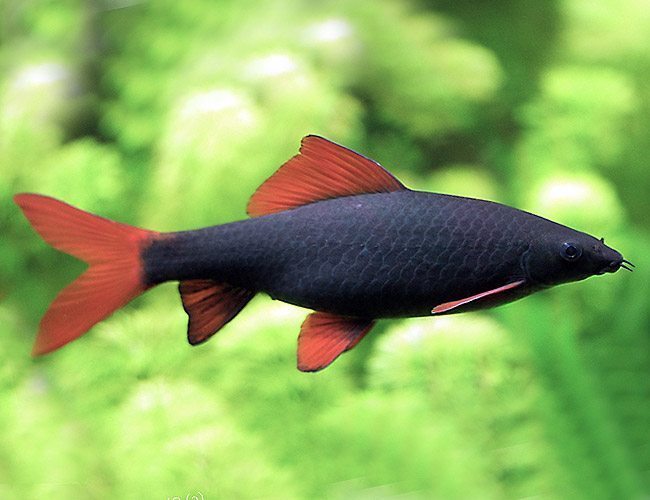
The most eye-catching feature is its bright colors. Its body is usually dark gray or black. The fins shine with red, orange, or yellow hues. These vivid colors resemble a rainbow glow. The contrast between the dark body and colorful fins stands out beautifully.
Comparison With Similar Species
The Rainbow Shark looks like other shark fish but differs in color. For example, the Albino Rainbow Shark is white with red fins. The Rainbow Shark is darker with brighter fin colors. Its size and fin shape also help to tell it apart from others.

Credit: www.aquaticlivefood.com.au
Natural Habitat
The natural habitat of the Rainbow Shark shapes its behavior and health. Understanding where it lives helps us care for it better in aquariums.
Rainbow Sharks thrive in specific environments. These places offer the right water and space for them to grow strong.
Geographic Distribution
Rainbow Sharks come from Southeast Asia. They live mostly in Thailand, Cambodia, and Vietnam. Rivers and streams in these areas are their homes.
They prefer slow-moving waters with plenty of plants and hiding spots. These places give food and shelter.
Preferred Water Conditions
Rainbow Sharks like warm water, around 72 to 79°F (22 to 26°C). The water should be clean and slightly acidic or neutral. A pH near 6.5 to 7.5 is best.
They need water with good oxygen and gentle currents. Strong water flow can stress them out.
Behavior In The Wild
In the wild, Rainbow Sharks are shy but active. They swim near the bottom of rivers and streams. They hide among plants and rocks to avoid danger.
They search for food mostly at night. Their diet includes small insects, plants, and algae. They stay alone or in small groups, not large schools.
Tank Setup
Setting up the right tank for your Rainbow Shark ensures it stays healthy and active. The environment should mimic its natural habitat. Proper care starts with a well-planned aquarium.
Each detail matters. From tank size to water quality and decorations, every choice affects your fish’s wellbeing.
Ideal Aquarium Size
Rainbow Sharks need space to swim freely. A tank of at least 30 gallons works well for one fish. Larger tanks suit multiple fish better. Crowded tanks cause stress and aggression. Giving enough room helps them stay calm and healthy.
Water Parameters
Keep the water temperature between 72°F and 79°F. Maintain a pH level near 6.5 to 7.5. Soft to moderately hard water fits best. Regular water changes keep toxins low. Use a good filter to keep the water clean. Stable water conditions reduce disease risk.
Decor And Substrate Choices
Choose smooth gravel or sand for the tank bottom. Sharp substrates can hurt the fish. Provide hiding spots like caves or plants. Rainbow Sharks like places to rest and hide. Use live or artificial plants for decoration. Decorations create a natural and safe environment.
Diet And Feeding
The Rainbow Shark is a popular freshwater fish known for its vibrant colors and peaceful nature. Feeding this fish properly helps it stay healthy and active. Understanding its diet and feeding habits is important for every aquarium owner. This section explains the types of food Rainbow Sharks eat, how often to feed them, and tips for a balanced diet.
Types Of Food
Rainbow Sharks are omnivores. They eat both plants and meat. Their diet includes flakes, pellets, and live food. Algae wafers are good for their plant needs. They also enjoy bloodworms, brine shrimp, and daphnia. Fresh vegetables like lettuce or spinach can be given too. Variety keeps them interested and healthy.
Feeding Frequency
Feed Rainbow Sharks two times a day. Small portions work best. Overfeeding can cause water problems. Remove leftover food after a few minutes. Juveniles may need more frequent feeding. Adults do well with less food. Consistency helps maintain good health.
Dietary Tips For Health
Offer a mix of protein and plant foods. Include algae-based foods to support their natural diet. Avoid fatty or sugary foods. Clean the tank regularly to prevent food waste build-up. Observe your fish’s behavior after feeding. Healthy Rainbow Sharks swim actively and have bright colors.
Behavior And Compatibility
The Rainbow Shark is a lively and colorful fish that adds charm to any aquarium. Understanding its behavior helps create a peaceful tank environment. Compatibility with other fish is key to avoiding stress and fights. This section explains its temperament, suitable tank mates, and how to manage any aggression.
Temperament Traits
Rainbow Sharks are semi-aggressive fish. They like to explore the tank actively. Sometimes, they chase other fish but rarely cause serious harm. They prefer hiding spots and open swimming areas. These fish are most active during the day. They may show territorial behavior, especially in small tanks.
Suitable Tank Mates
Choose calm and fast fish as tank mates. Good companions include tetras, barbs, and danios. Avoid slow or long-finned fish that may get bullied. Bottom dwellers like Corydoras catfish work well. Provide enough space and hiding places for all fish. This reduces stress and helps peaceful coexistence.
Managing Aggression
Keep the tank spacious to reduce fights. Add decorations and plants for hiding spots. Feed the Rainbow Shark well to lower competition. Watch for signs of bullying or stress in fish. Separate aggressive fish if needed to protect others. Regular tank maintenance also keeps fish healthy and calm.

Credit: aquariumfishonline.com.au
Health And Common Issues
Rainbow Sharks are hardy fish but can face health problems. Knowing common issues helps keep them healthy. Early detection of illness improves recovery chances.
Signs Of Illness
Look for changes in behavior. A sick Rainbow Shark may stop eating. It might hide more than usual. Watch for spots or redness on its body. Clamped fins and labored breathing are warning signs. Sudden weight loss or bloating can indicate problems.
Preventive Measures
Maintain clean water with regular changes. Keep water temperature stable between 72-79°F (22-26°C). Avoid overcrowding the tank to reduce stress. Provide a balanced diet with quality food. Quarantine new fish before adding them. Use a good filtration system. Monitor water parameters like pH and ammonia levels.
Treatment Options
Isolate sick fish in a separate tank. Use aquarium salt to help heal minor wounds. Treat infections with appropriate medications found at pet stores. Follow the instructions carefully during treatment. Improve water quality to support recovery. Consult a fish expert if symptoms worsen. Early treatment leads to better results.
Breeding Rainbow Sharks
Breeding Rainbow Sharks is an exciting challenge for many aquarium enthusiasts. These fish show interesting behaviors during breeding. Success requires careful attention to their needs and environment. Understanding their habits helps create ideal conditions for spawning and raising young fish.
Breeding Conditions
Rainbow Sharks need a large tank with plenty of space. A tank of at least 30 gallons works best. Water temperature should be around 78 to 82°F. Keep the pH level between 6.5 and 7.5. Provide hiding spots using plants and decorations. Clean water with good filtration is essential. Change 25% of the water weekly to maintain quality.
Spawning Behavior
Rainbow Sharks become more active before spawning. Males show brighter colors to attract females. They chase and nudge the female gently. Spawning usually happens early in the morning. Females lay adhesive eggs on flat surfaces like plant leaves or tank walls. Males fertilize the eggs right after. Parents do not guard the eggs and may eat them.
Raising Fry
Remove the eggs to a separate tank to protect them. Keep the water clean and warm around 80°F. Eggs hatch in about 24 to 36 hours. Fry need very small food like infusoria or liquid fry food. Feed tiny amounts many times a day. Gradually introduce finely crushed flakes as they grow. Maintain good water quality to help fry survive and thrive.
How Smart Pets Lover Can Help You with Rainbow Shark
Learning from Your Rainbow Shark Experience
Caring for a Rainbow Shark offers more than just a visually stunning addition to your tank — it’s a practical gateway to understanding fish behavior and tank dynamics. Observing their unique colors and territorial nature can teach patience and the importance of setting up a proper tank environment. For instance, ensuring ample space and hiding spots helps minimize aggression, a key insight when considering behavior and compatibility among community fish.
Feeding Rainbow Sharks also provides a hands-on lesson in balanced nutrition. Offering a varied diet not only supports their health but highlights how diet influences vitality and color vibrancy. These small daily responsibilities nurture a deeper connection and confidence in your fishkeeping skills.
At Smart Pets Lover, we believe every pet interaction is a story waiting to unfold. If you ever need more tailored advice on tank setup or troubleshooting health concerns, reaching out to experienced hobbyists or aquatic vets can be invaluable. Remember, each fin flick is a chance to learn and grow alongside your aquatic companion.
Frequently Asked Questions
What Is A Rainbow Shark Fish?
A Rainbow Shark is a freshwater fish known for its vibrant colors. It has a sleek body with red fins and a dark body, making it popular in home aquariums.
How Big Do Rainbow Sharks Grow?
Rainbow Sharks typically grow up to 6 inches (15 cm) in length. They require ample tank space to swim comfortably.
Are Rainbow Sharks Aggressive Towards Other Fish?
Rainbow Sharks can be territorial and show aggression, especially in small tanks. Providing hiding spots and space helps reduce conflicts.
What Is The Ideal Tank Setup For Rainbow Sharks?
A tank of at least 30 gallons with hiding spots and smooth substrate suits Rainbow Sharks. They prefer moderate water flow and stable conditions.
Conclusion
Rainbow Sharks add color and life to any freshwater tank. They stay active and can be friendly with other fish. Feeding them a balanced diet helps keep them healthy. Regular tank cleaning ensures a safe home for these fish. Watching their unique behavior is always rewarding.
Consider their size and tank needs before buying. Caring for Rainbow Sharks is simple with the right tips. A beautiful, lively aquarium starts with happy, healthy fish.