Zebra Danio
Are you looking to add a lively and colorful fish to your aquarium? The Zebra Danio might be exactly what you need.
Known for its striking stripes and active nature, this small fish can bring energy and charm to your tank. Whether you’re a beginner or an experienced fish keeper, understanding the Zebra Danio’s habits and care needs will help you create a healthy, vibrant environment.
Keep reading to discover everything you need to know to make your Zebra Danio thrive.
Zebra Danio Basics
The Zebra Danio is a popular freshwater fish loved by many aquarium hobbyists. It is easy to care for and very active. This fish adds life and color to any tank. Understanding its basics helps keep it happy and healthy.
Appearance And Size
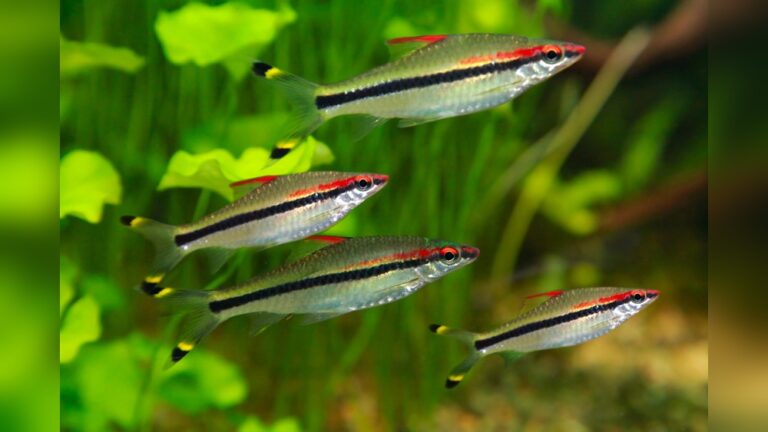
Zebra Danios have slender bodies with bright horizontal stripes. Their stripes alternate between silver and dark blue. These fish grow up to 2 inches long. They have small fins and a slightly pointed head. The lively stripes make them easy to spot in a tank.
Natural Habitat
Zebra Danios come from streams and ponds in South Asia. They live in places with clear, slow-moving water. The water is usually cool to moderate in temperature. Plants and rocks provide hiding spots for them. They thrive in groups, swimming actively together.
Credit: eastoceansg.com
Tank Setup
Setting up a tank for Zebra Danios is simple and fun. These small fish need a clean, comfortable space to swim and thrive. The right tank setup helps keep them healthy and active. Understanding their needs is key to creating a great home.
Tank Size Requirements
Zebra Danios are small but active fish. A tank of at least 10 gallons is best for a small group. They like to swim in schools, so keep at least five together. More space means happier fish and easier maintenance.
Water Conditions
Keep the water temperature between 64 and 75°F. Zebra Danios prefer neutral pH, around 6.5 to 7.5. Regular water changes keep the tank clean and safe. Good filtration helps maintain water quality and clarity.
Decorations And Plants
Zebra Danios enjoy plants and hiding spots. Use smooth decorations to avoid injuries. Live or fake plants provide shelter and reduce stress. Leave open areas for swimming since these fish are very active.
Feeding Zebra Danios
Feeding Zebra Danios is simple but important. Proper feeding keeps them healthy and active. These small fish enjoy a variety of foods that meet their dietary needs. Understanding what and how often to feed helps maintain their bright colors and lively behavior.
Diet Types
Zebra Danios eat many types of food. Flakes or pellets made for tropical fish work well. Live foods like brine shrimp or daphnia offer protein and fun hunting. Frozen or freeze-dried options are good too. Vegetables like blanched spinach or zucchini provide extra nutrients. A mix of these foods ensures a balanced diet.
Feeding Frequency
Feed Zebra Danios small amounts twice a day. Too much food can pollute the water. Only give what they can eat in two minutes. Young fish need more frequent feeding than adults. Watch your fish to adjust the amount as needed. Regular feeding helps keep their energy and growth steady.
Behavior And Social Traits
Zebra Danios are active and lively fish with distinct social behaviors. They thrive in groups and show clear social traits. Understanding their behavior helps create a better aquarium environment.
These fish are known for their constant movement and playful nature. They enjoy interaction with their own kind and often display coordinated swimming patterns. Their social habits make them a popular choice for community tanks.
Schooling Habits
Zebra Danios are natural schoolers. They swim in groups of five or more for safety and comfort. Schooling reduces stress and encourages healthy activity. Alone, they may become shy or stressed.
In schools, Zebra Danios show synchronized swimming. They dart and weave through the water together. This behavior helps them avoid predators in the wild. In aquariums, it creates a lively and dynamic display.
Compatibility With Other Fish
Zebra Danios get along well with many fish species. Their peaceful nature allows them to share space calmly. They do best with other small, non-aggressive fish.
Keep them away from large or aggressive tank mates. Those can cause stress or injury. Zebra Danios prefer community tanks with similar-sized companions. Their social and gentle traits support a harmonious aquarium.
Breeding Zebra Danios
Zebra Danios are popular fish for home aquariums. Their small size and bright stripes make them attractive. Breeding these fish is simple and rewarding. It helps keep your tank lively and full of activity. Understanding their breeding habits ensures success. It also supports healthy growth of young fish.
Breeding Conditions
Zebra Danios breed best in clean, warm water. The temperature should be around 75 to 80°F (24 to 27°C). Keep the water pH between 6.5 and 7.5 for ideal conditions. Use a separate breeding tank to protect eggs and fry. Provide fine-leaved plants or a spawning mop for egg laying. Feed adults a high-quality diet to encourage spawning. Light cycles of 12 hours on and off help trigger breeding.
Egg Care And Fry Development
After spawning, remove adult fish to prevent egg eating. Eggs hatch in about 2 to 3 days. Keep water clean and well-aerated during this time. Avoid strong water currents that may damage eggs. Fry feed on tiny foods like infusoria or liquid fry food at first. Gradually introduce crushed flakes or baby brine shrimp after a week. Change water regularly but gently to keep fry healthy. Watch growth and health closely to ensure strong fish.

Credit: www.aquariumcoop.com
Common Health Issues
Zebra Danios are hardy fish but can face health problems. Knowing these issues helps keep them safe and lively. Early care prevents many common diseases and stress-related problems.
Signs Of Illness
Watch for unusual behavior and changes in appearance. Loss of appetite is a common warning sign. Look for faded colors or spots on their bodies. Clamped fins or heavy breathing can mean trouble. Erratic swimming or hiding more often shows stress or sickness. White patches or fuzzy growths are signs of infections.
Preventive Measures
Keep the tank clean and water fresh. Change water regularly to stop bacteria growth. Maintain stable temperature and pH levels. Feed a balanced diet with quality fish food. Avoid overcrowding to reduce stress and disease. Quarantine new fish before adding them to the tank. Use a good filter and aerate the water well.
Popular Varieties
Zebra Danios are beloved for their lively patterns and variety. Their different looks attract many aquarium lovers. Each variety shows unique colors and features. These fish add beauty and movement to any tank.
Understanding popular Zebra Danio varieties helps in choosing the right fish. Some are wild types, while others are selectively bred. Each type has distinct traits that make them special.
Color Variations
The classic Zebra Danio has bold black and white stripes. Some varieties show golden or yellow hues. Others display blue or metallic shades along their bodies. These colors brighten the aquarium scene. The mix of stripes and colors creates a lively effect. Color variations often depend on genetics and environment.
Selective Breeds
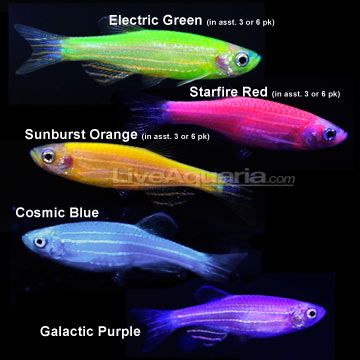
Selective breeding has created unique Zebra Danio types. One common breed is the GloFish Danio. It glows under special light, adding a glowing effect. Another breed is the Longfin Zebra Danio. It has longer fins that flow beautifully in water. Breeders focus on traits like color, fin shape, and size. These breeds offer more options for hobbyists.

Credit: aquadiction.world
How Smart Pets Lover Can Help You with Zebra Danio
Learning Through the Lively World of Zebra Danios
Getting to know Zebra Danios goes beyond just setting up a tank or feeding them right; it’s a wonderful chance to observe nature’s little wonders in action. Their social traits and schooling behavior offer practical lessons in community dynamics and peaceful coexistence—skills that resonate well beyond the aquarium glass.
- Watching their interactions can deepen your understanding of fish behavior and help spot signs of common health issues early.
- Breeding Zebra Danios provides hands-on experience with life cycles and responsible pet care, enriching your connection to your aquatic companions.
- Tank setup and maintenance teach patience and attention to detail—key ingredients for a thriving aquatic environment.
At Smart Pets Lover, we believe every pet story is a stepping stone to greater empathy and knowledge. If you ever want to chat about your Zebra Danios or need tips, feel free to reach out to our community. After all, nurturing these tiny swimmers is just one way to celebrate “where every wag, purr, and chirp tells a story.”
Frequently Asked Questions
What Is A Zebra Danio Fish?
Zebra Danio is a small, striped freshwater fish popular in aquariums. It is hardy, active, and easy to care for, making it ideal for beginners.
How Long Do Zebra Danios Live?
Zebra Danios typically live 2 to 5 years in captivity. Proper care, clean water, and good diet can extend their lifespan.
What Tank Size Is Best For Zebra Danios?
A 10-gallon tank is the minimum for a small group of Zebra Danios. Larger tanks help maintain water quality and provide more swimming space.
Are Zebra Danios Peaceful With Other Fish?
Yes, Zebra Danios are peaceful and social fish. They thrive in groups and can coexist with other non-aggressive fish species.
Conclusion
Zebra Danios are small, lively fish that brighten any aquarium. They adapt well to many tank conditions and get along with other fish. Their striking stripes add color and movement to your tank. Caring for them is simple, making them great for beginners.
Watching Zebra Danios swim is relaxing and fun. These fish bring life and joy without much effort. Consider adding Zebra Danios to enjoy a lively, beautiful tank. They offer a great way to start your fish-keeping journey.