Leopard Danio
If you’re looking to add a splash of color and lively energy to your aquarium, the Leopard Danio might be just what you need. These small, striped fish are not only stunning to look at but also easy to care for, making them perfect for both beginners and experienced hobbyists.
Imagine watching your tank come alive with their playful swimming and striking patterns. You’ll discover everything you need to know to keep your Leopard Danios healthy and happy. Ready to transform your aquarium into a vibrant underwater world? Let’s dive in!
Credit: azgardens.com
Leopard Danio Basics
The Leopard Danio is a popular freshwater fish known for its lively nature and striking look. This fish suits both beginners and experienced aquarium keepers. It adds color and activity to any tank.
Understanding the basics helps in caring for Leopard Danios properly. Their size, habitat, and behavior influence how to keep them happy and healthy.
Appearance And Size
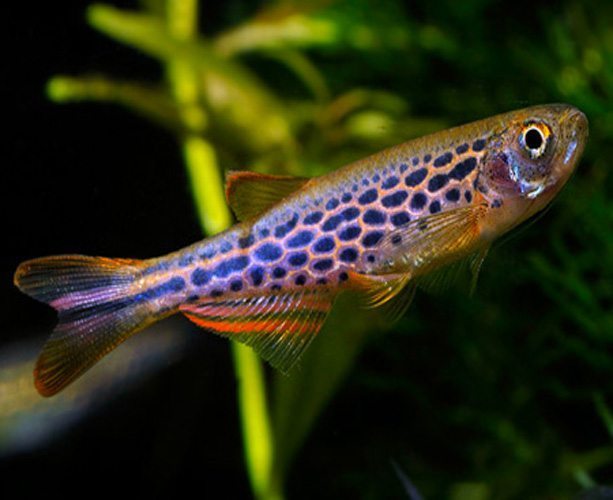
Leopard Danios have a sleek body covered in spots. Their pattern looks like a leopard’s coat, with dark spots on a light background. They usually grow between 1.5 to 2 inches long. Their small size makes them perfect for community tanks.
Natural Habitat
These fish come from fast-flowing streams in South Asia. They prefer clear water with lots of plants and hiding spots. Their natural habitat has moderate temperatures and good water movement. Mimicking these conditions helps them thrive in home aquariums.
Behavior Traits
Leopard Danios are active swimmers. They like to swim in groups, so keep them in schools of at least six. They are peaceful but fast, making them good tank mates for other calm fish. Their playful nature keeps the aquarium lively and interesting.
Tank Setup
Setting up the right tank for Leopard Danios is key to their health and happiness. They need space to swim and clean water to thrive. A well-prepared tank mimics their natural environment and keeps them active.
Proper tank setup also helps prevent stress and illness. Let’s explore the ideal tank size, water conditions, and aquascaping tips for Leopard Danios.
Tank Size Recommendations
Leopard Danios are small but active fish. A minimum of 10 gallons works for a small group. Bigger tanks offer more swimming space and stability. Keep groups of at least six fish to avoid stress. A longer tank is better than a tall one. This allows more room for horizontal swimming.
Water Conditions
Leopard Danios prefer water temperatures between 64°F and 75°F. The pH should stay between 6.5 and 7.5. Keep water hardness moderate, around 5-12 dGH. Regular water changes help maintain clean water. Use a good filter to keep water clear and healthy. Stable water conditions reduce stress and illness.
Aquascaping Tips
Provide plenty of open swimming areas. Use plants like Java fern and Anubias for hiding spots. Floating plants help diffuse bright light. Smooth gravel or sand works well as a substrate. Add driftwood or rocks for natural decoration. Avoid sharp objects that could injure the fish. Keep decorations spaced to allow free movement.
Feeding Leopard Danios
Leopard Danios are lively fish that enjoy a varied diet. Feeding them properly helps keep them healthy and active. Their small size means they need small, easy-to-eat food. A balanced diet supports their bright colors and energy.
Understanding what and how to feed Leopard Danios is key. It ensures they get the right nutrients without overfeeding. Overfeeding can cause water problems and health issues.
Diet Types
Leopard Danios eat many types of food. Flakes designed for tropical fish work well. They also enjoy frozen or live foods like brine shrimp and bloodworms. Vegetable matter such as blanched spinach or peas adds fiber. A mix of food types helps meet their needs.
Feeding Frequency
Feed Leopard Danios two times a day. Offer only what they can eat in two minutes. Uneaten food should be removed quickly. Overfeeding leads to dirty water and health risks. Young fish may need three small meals daily.
Favorite Foods
Leopard Danios love live foods like daphnia and mosquito larvae. These foods encourage natural hunting behavior. Freeze-dried bloodworms and brine shrimp are good alternatives. They also eat high-quality flakes eagerly. Variety keeps them interested and healthy.

Credit: www.aquariumcoop.com
Health And Care
Leopard Danios are lively fish that need good care to stay healthy. Their bright colors and active nature depend on a clean tank and proper diet. Healthy Leopard Danios live longer and show their best colors. Knowing how to care for them helps avoid common problems and keeps the fish happy.
Regular tank cleaning and good water quality are key. Balanced nutrition supports their immune system. Watching your fish closely helps catch problems early.
Common Diseases
Leopard Danios can get diseases like ich, fin rot, and fungal infections. Ich shows as white spots on the fish body. Fin rot causes torn or ragged fins. Fungal infections look like cottony patches on the skin. These diseases can spread fast in crowded tanks. Quick action helps save the fish.
Preventive Measures
Keep the tank clean and change water often. Use a good filter and avoid overfeeding. Quarantine new fish before adding them to the tank. Keep water temperature stable between 70-77°F (21-25°C). Test water regularly for ammonia, nitrites, and nitrates. Healthy water reduces disease risk. Feed varied food with quality flakes or pellets.
Signs Of Stress
Stressed Leopard Danios swim erratically or hide a lot. They may lose color or stop eating. Gasping at the water surface shows low oxygen or poor water quality. Clamped fins and rubbing against objects mean irritation. Spotting stress early helps prevent illness. Act fast by checking water and tank conditions.
Breeding Leopard Danios
Breeding Leopard Danios can be a rewarding experience for aquarium hobbyists. These small, active fish are relatively easy to breed. Their vibrant colors and lively behavior make the process enjoyable. Understanding their breeding needs helps ensure success. This section covers essential details on breeding conditions, spawning behavior, and raising fry.
Breeding Conditions
Leopard Danios prefer clean, well-oxygenated water for breeding. Keep the temperature between 72°F and 75°F (22°C – 24°C). Provide a separate breeding tank with soft water and a pH of 6.5 to 7.0. Use fine-leaved plants or spawning mops for egg attachment. Feed the fish a varied diet with live or frozen food before breeding.
Spawning Behavior
Leopard Danios are egg scatterers. They release eggs among plants or gravel. Males chase females gently during spawning. Females lay hundreds of eggs in small batches. Eggs hatch in about 2 to 3 days. Remove adults after spawning to prevent egg eating.
Raising Fry
Fry are very small and need tiny food. Start feeding with infusoria or liquid fry food. Gradually introduce newly hatched brine shrimp or crushed flakes. Keep the water clean and well-filtered. Change water regularly in small amounts. Fry grow fast and become colorful in a few weeks.
Tank Mates
Choosing the right tank mates for Leopard Danios helps keep your aquarium peaceful. These fish are active and social, so compatible companions matter. The right friends will swim happily and reduce stress.
Compatible Species
Leopard Danios get along well with small, peaceful fish. Good choices include Neon Tetras, Corydoras Catfish, and Guppies. These species share similar water needs and temperaments. Avoid large or aggressive fish that may bully or eat them.
Aggression Management
Leopard Danios are usually calm but can nip fins if crowded. Keep groups of six or more to spread out attention. Provide plenty of hiding spots with plants or decorations. Watch for signs of stress or chasing and act quickly.
Community Tank Tips
Keep water clean and stable to reduce fish stress. Feed small amounts several times a day to prevent hunger fights. Use a tank size of at least 20 gallons for a mixed community. Regular observation helps spot problems early and keeps fish healthy.
Leopard Danio Varieties
The Leopard Danio is a popular fish known for its lively nature and spotted patterns. Many varieties of Leopard Danios exist. Each variety has unique colors and patterns. These differences make them exciting for aquarium hobbyists.
Varieties come from natural colors and careful breeding. They add beauty and diversity to home tanks. Understanding these types helps in choosing the right fish.
Color Variations
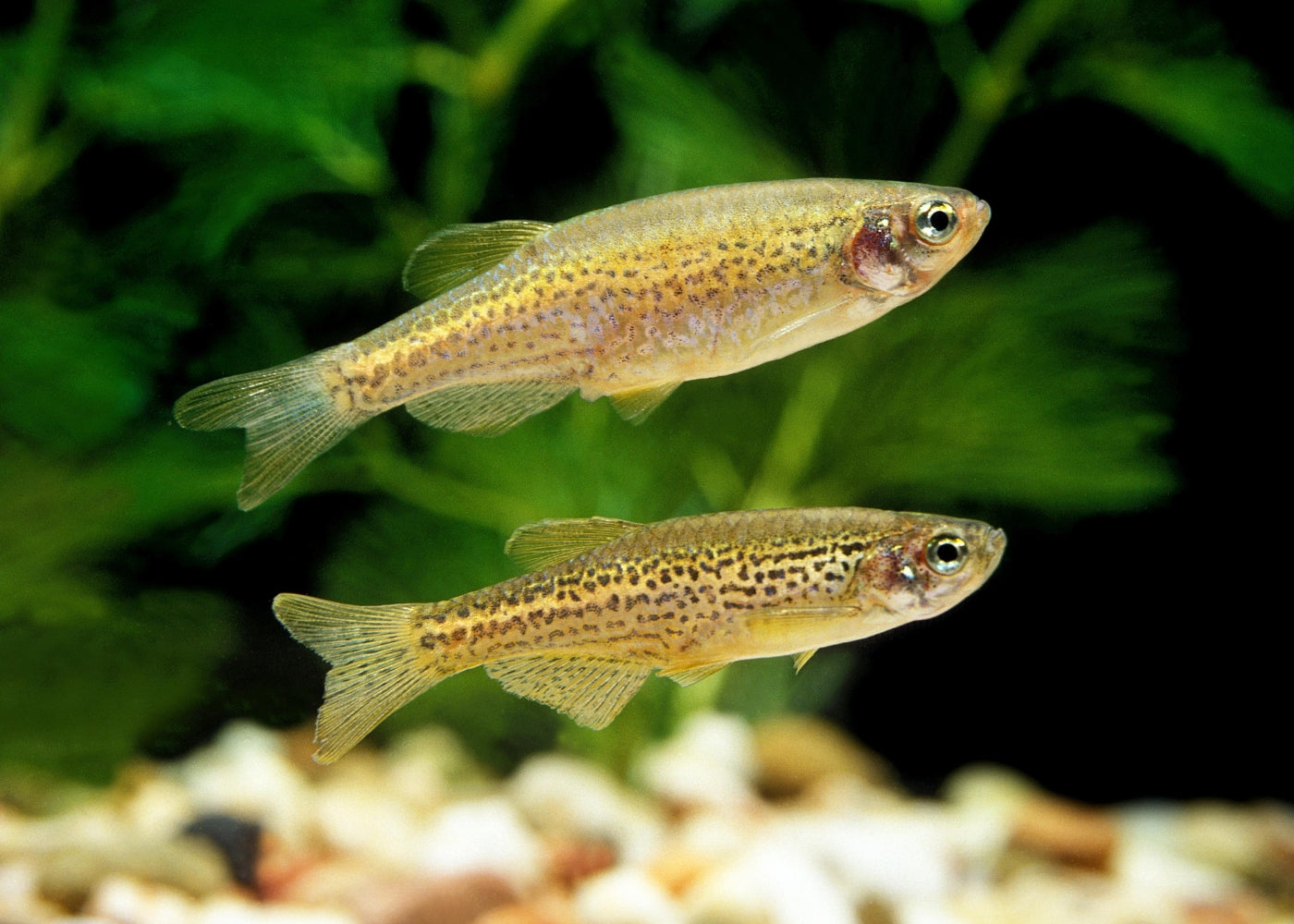
Leopard Danios display many color variations. The most common has gold or yellow bodies with black spots. Some have a blue or silver base color. Others show pink or red hues mixed with spots. These colors can change slightly with age or mood. Bright colors make them a lively addition to any aquarium.
Selective Breeding
Selective breeding helps create new Leopard Danio varieties. Breeders pick fish with special colors and patterns. They breed these fish to strengthen those traits. This process produces unique looks not found in the wild. It also improves fish health and vitality. Breeding requires patience and attention to detail.
Popular Strains
Some Leopard Danio strains are very popular among fish keepers. The “GloFish” strain glows under special light. The “Albino” strain has a pale body with red eyes. The “Longfin” strain features longer fins than usual. Each strain offers a different visual appeal. Choosing a strain depends on tank setup and personal taste.
Credit: coburgaquarium.com.au
How Smart Pets Lover Can Help You with Leopard Danio
Learning Through Leopard Danio Care
Understanding Leopard Danios is more than just knowing their basics or picking the right tank setup—it’s a wonderful opportunity to deepen your connection with aquatic life. By observing their feeding habits and tank behavior, you can develop a keen eye for signs of health or stress, which is essential for responsible pet ownership. This hands-on experience naturally teaches patience, attention to detail, and the importance of creating a balanced environment for your fish.
Breeding Leopard Danios, for example, offers practical insights into fish biology and lifecycle that can enrich your appreciation for these lively swimmers. Exploring different Leopard Danio varieties also invites curiosity and learning about genetics and selective breeding.
- Monitor feeding routines to understand nutritional needs
- Maintain water conditions to ensure their health and vitality
- Research compatible tank mates for a harmonious community
At Smart Pets Lover, we believe every moment spent caring for your Leopard Danios is a chance to grow as a pet parent. Should you have questions or need advice, feel free to reach out to our community at [email protected]—because every wag, purr, and fin flick tells a story worth nurturing.
Frequently Asked Questions
What Is A Leopard Danio Fish?
Leopard Danio is a small, colorful freshwater fish popular in home aquariums. It has a spotted body resembling a leopard’s pattern. This species is hardy, active, and peaceful, making it ideal for beginner fish keepers.
How Big Do Leopard Danios Grow?
Leopard Danios typically reach 1. 5 to 2 inches (4-5 cm) in length. They grow quickly and remain small, suitable for community tanks. Their size allows them to live comfortably in tanks as small as 10 gallons.
What Water Conditions Do Leopard Danios Need?
Leopard Danios thrive in water temperatures between 64-75°F (18-24°C). They prefer a pH of 6. 5 to 7. 5 and moderate water hardness. Clean, well-oxygenated water with regular filtration is essential for their health.
Are Leopard Danios Good For Community Tanks?
Yes, Leopard Danios are peaceful and social fish. They get along well with other non-aggressive species. Keep them in groups of at least six to promote natural schooling behavior.
Conclusion
Leopard Danios make great pets for beginners and experts alike. They are active, colorful, and easy to care for. Keep their tank clean and water fresh for best health. Feed them small, varied meals daily. Watch their playful behavior—it brings life to any aquarium.
Enjoy the beauty and charm these fish add to your home. Simple care leads to happy, healthy Leopard Danios. Try them for a lively and peaceful tank experience.