Ember Tetra
Are you looking to add a splash of vibrant color and lively movement to your aquarium? The Ember Tetra might be just what your tank needs.
These small, glowing fish are not only beautiful but also easy to care for, making them perfect for both beginners and experienced hobbyists. You’ll discover everything you need to know about Ember Tetras—from their unique traits to tips on keeping them happy and healthy.
Keep reading, and you’ll soon be ready to create a stunning underwater world that you’ll love watching every day.
Ember Tetra Basics
The Ember Tetra is a small freshwater fish loved by many aquarium hobbyists. It adds a splash of bright color to any tank. Understanding its basics helps in caring for it properly.
These tiny fish are easy to keep and peaceful. They fit well in community tanks and bring life to planted aquariums. Learning about their traits and behavior helps create a happy home for them.
Physical Traits
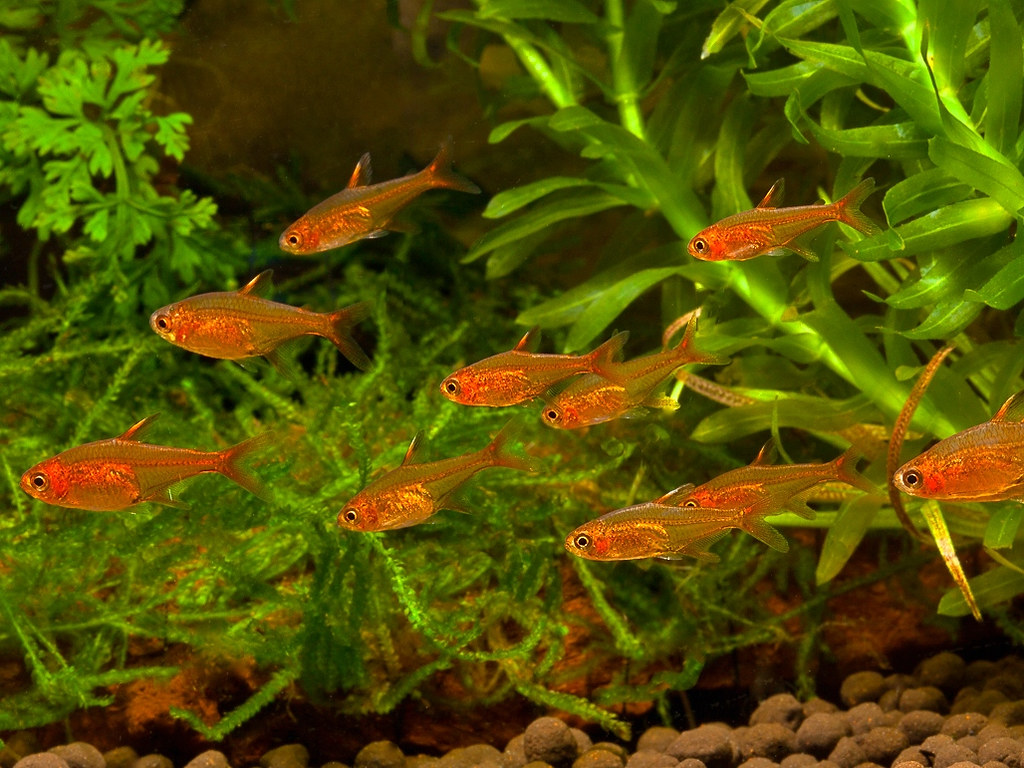
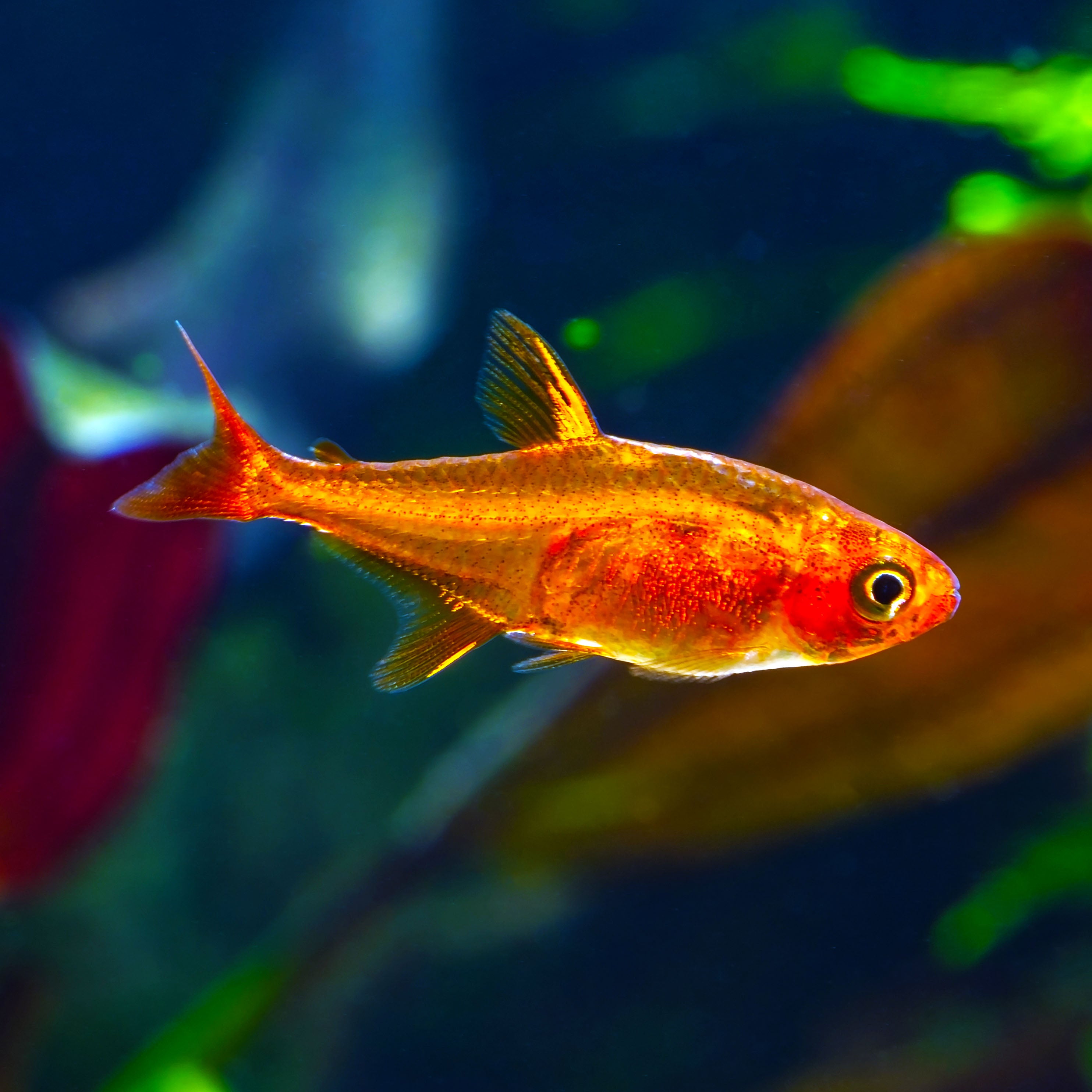
Ember Tetras are tiny, growing up to 1 inch long. Their bodies glow with a warm orange color. They have a slender shape and a small head. The fins are mostly clear with a slight orange tint. Their bright color stands out against green plants and dark backgrounds.
Natural Habitat
These fish come from slow-moving rivers in South America. They live in warm water with lots of plants. The water is usually soft and slightly acidic. Their natural homes have shaded areas and calm currents. This helps them feel safe and comfortable.
Behavior Traits
Ember Tetras are peaceful and social fish. They swim in small groups called schools. This makes them feel secure and less stressed. They spend most of their time in the middle and lower parts of the tank. They like to hide among plants and decorations. These fish are active but calm, making them great for community tanks.
Credit: thetyedyediguana.com
Tank Setup
Setting up a tank for Ember Tetra requires careful planning. These small fish need a calm and stable environment to thrive. Proper tank setup helps keep them healthy and happy. It also shows their beautiful colors well.
Focus on three key parts: tank size, water conditions, and plants with decor. Each part plays a role in creating a perfect home for Ember Tetra.
Ideal Tank Size
Ember Tetras are small but active fish. A tank of at least 10 gallons suits a small group. They like to swim in schools, so keep at least six together. More space allows them to move freely and reduces stress.
Larger tanks help keep water stable. Stability means fewer health problems. Avoid very small tanks because water conditions change quickly there.
Water Conditions
Ember Tetras prefer soft, slightly acidic water. Aim for a pH between 5.5 and 7.0. Keep water temperature around 73 to 79°F (23 to 26°C). Regular water changes keep the tank clean and safe.
Use a gentle filter to avoid strong currents. These fish enjoy calm water that mimics their natural streams. Test water regularly to maintain good quality.
Plants And Decor
Live plants create a natural and comfortable environment. Plants like Java moss and Anubias work well. They provide hiding spots and help keep water clean.
Use dark substrate to highlight Ember Tetra’s bright colors. Add driftwood or smooth rocks for shelter. Avoid sharp objects that can harm the fish.
Open swimming space is important too. Balance plants and decorations to give room for swimming.
Feeding Ember Tetras
Feeding Ember Tetras is simple and fun. These small fish enjoy a variety of foods. Providing a balanced diet keeps them healthy and colorful. Understanding their preferences helps create a good feeding plan. Here is what you need to know about their diet.
Diet Preferences
Ember Tetras prefer small, easy-to-eat foods. They like flakes, tiny pellets, and live foods. Their small mouths need food that fits well. They enjoy both plant and animal-based food. A mixed diet helps keep them active and healthy.
Feeding Schedule
Feed Ember Tetras two times each day. Give only what they can eat in two minutes. Overfeeding leads to water problems and sickness. Consistent feeding times help them stay on a routine. Observe their eating habits to adjust portions.
Best Food Types
High-quality flake food is a good daily choice. Live foods like daphnia or brine shrimp excite them. Frozen foods are also tasty and nutritious. Adding some vegetable flakes supports their health. Rotate food types to keep their diet balanced.
Health And Care
Ember Tetras are small, vibrant fish that brighten any aquarium. Their health depends on good care and a clean environment. Keeping them healthy means watching for diseases and stress. Proper care helps them live longer and stay active.
Understanding their health needs helps prevent problems early. Regular checks and good tank habits make a big difference. This section covers common diseases, how to prevent them, and signs of stress.
Common Diseases
Ember Tetras can get common fish diseases like Ich, fin rot, and fungal infections. Ich appears as white spots on their body and fins. Fin rot causes edges of fins to look ragged or torn. Fungal infections show as white cotton-like patches. These diseases happen from poor water or stress.
Preventive Measures
Keep the water clean and stable. Change 20% of the water every week. Use a water test kit to check pH, ammonia, and nitrate levels. Feed Ember Tetras a balanced diet with quality flakes or pellets. Avoid overfeeding. Quarantine new fish before adding them to the tank. Provide hiding places to reduce stress.
Signs Of Stress
Stress shows in many ways. Ember Tetras may hide more than usual. They might swim erratically or stay at the tank bottom. Loss of color or clamped fins can also mean stress. Watch for slow movement or loss of appetite. Early signs need quick action to prevent illness.
Breeding Tips
Breeding Ember Tetras is a rewarding experience for many aquarium hobbyists. Their bright colors and peaceful nature make them popular. Successful breeding needs careful attention to their environment and care.
Understanding the right conditions and steps helps increase your chances of healthy fry. This guide covers essential tips to breed Ember Tetras effectively.
Spawning Conditions
Set the water temperature between 78°F and 82°F for spawning. Soft, slightly acidic water with a pH around 6.5 is ideal. Use a separate breeding tank to protect eggs and fry.
Provide plenty of plants or spawning mops as places for eggs to stick. Keep lighting dim to reduce stress during spawning. Feed adults with live or frozen foods to encourage breeding.
Egg Care
Remove adult fish after spawning to prevent egg eating. Keep the water clean and well-oxygenated with gentle filtration. Eggs usually hatch within 24 to 36 hours.
Watch for fungus on the eggs. Add methylene blue or similar safe antifungal treatment if needed. Avoid disturbing the eggs to ensure healthy development.
Raising Fry
Feed newly hatched fry with infusoria or liquid fry food at first. As they grow, offer finely crushed flake food or baby brine shrimp. Change water regularly but avoid strong currents.
Keep the tank warm and stable in temperature for best growth. Fry grow quickly and will start to show color within two weeks. Maintain clean water to reduce disease risk.

Credit: en.wikipedia.org
Tank Mates
Choosing the right tank mates for Ember Tetras is important. These small fish are peaceful and do best with other calm species. The wrong companions can stress them out or cause fights. Careful selection helps keep your aquarium happy and balanced.
Tank mates should share similar water needs and temperaments. This creates a stable and friendly environment. Understanding which species work well together makes your tank a peaceful place.
Compatible Species
Ember Tetras get along well with small, peaceful fish. Examples include Neon Tetras, Corydoras Catfish, and small Rasboras. These fish like similar water conditions and are not aggressive.
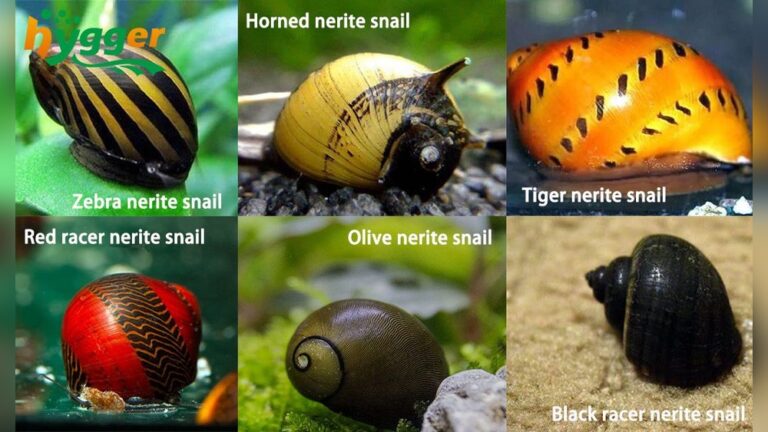
Snails and shrimp can also be good companions. They do not bother Ember Tetras and help keep the tank clean. Avoid large or aggressive fish that may bully or eat them.
Avoiding Aggression
Keep Ember Tetras away from aggressive species like Cichlids or large Barbs. These fish can chase or hurt them. Overcrowding can also cause stress and fights.
Provide plenty of hiding spots using plants and decorations. This helps Ember Tetras feel safe. Watch the tank closely for signs of bullying or stress. Remove aggressive fish if needed.
Community Tank Ideas
Create a peaceful community tank with Ember Tetras and other small fish. Add live plants like Java Moss or Anubias for shelter. Soft lighting and gentle water flow suit these fish well.
Include bottom dwellers like Otocinclus or small Corydoras. They clean the tank floor and do not bother Ember Tetras. Keep the tank clean and stable for a healthy community.
Credit: nuevaeramarine.com
How Smart Pets Lover Can Help You with Ember Tetra
Learning Through Caring for Ember Tetras
Understanding Ember Tetras offers more than just a glimpse into their vibrant world—it’s an opportunity to deepen your practical knowledge of aquarium care. As you set up your tank, paying attention to water parameters and compatible tank mates helps you grasp the delicate balance of aquatic ecosystems. Feeding them a varied diet not only keeps them healthy but teaches you about nutritional needs specific to small tropical fish.
Health and care practices, including recognizing signs of stress or illness, sharpen your observation skills and build confidence in managing a thriving community tank. Breeding tips introduce a rewarding challenge that enriches your experience and connects you more closely to the natural behaviors of these tiny swimmers.
- Experiment with tank setups to see what encourages Ember Tetras to flourish.
- Note how different feeding routines impact their activity and coloration.
- Observe interactions with tank mates to understand social dynamics.
At Smart Pets Lover, we believe that every step of caring for your Ember Tetras is a chance to learn and bond. For more detailed guidance or to share your experiences, feel free to reach out via our contact page—because informed pet parents make the most joyful companions.
Frequently Asked Questions
What Is The Ideal Tank Size For Ember Tetra?
An ideal tank size for Ember Tetras is at least 10 gallons. This size offers enough space for their active schooling behavior. A larger tank helps maintain water quality and provides room for plants and decorations.
How Do Ember Tetras Behave In Community Tanks?
Ember Tetras are peaceful and social fish. They thrive in groups of six or more. Their calm nature makes them perfect for community tanks with other small, non-aggressive fish.
What Water Conditions Do Ember Tetras Need?
Ember Tetras prefer soft, slightly acidic water. Ideal pH ranges from 5. 5 to 7. 0. Temperature should be between 73°F and 84°F (23°C-29°C). Regular water changes keep them healthy and stress-free.
What Do Ember Tetras Eat?
Ember Tetras are omnivores and eat small flakes, pellets, and live or frozen foods. They enjoy brine shrimp, daphnia, and bloodworms. A varied diet ensures their vibrant color and good health.
Conclusion
Ember Tetras bring bright color to any aquarium. They are peaceful and easy to care for. Keep their water clean and stable for best health. A small group creates a lively, natural scene. These fish fit well in community tanks.
Watching their gentle movements can be very relaxing. Adding Ember Tetras can brighten your fish tank quickly. Enjoy the beauty and calm they offer every day.