Clown Killifish
If you’re looking to add a splash of color and personality to your aquarium, the Clown Killifish might be just what you need. This tiny fish packs a big punch with its vibrant stripes and lively behavior.
But there’s more to the Clown Killifish than meets the eye. Understanding how to care for it properly can turn your tank into a stunning underwater scene. Keep reading to discover everything you need to know about this fascinating little fish and how it can bring your aquarium to life.

Credit: www.aquariumcoop.com
Clown Killifish Basics
The Clown Killifish is a small, colorful fish popular among aquarium hobbyists. It is known for its bright stripes and peaceful nature. This fish is easy to care for and can brighten any freshwater tank. Understanding its basics helps keep it healthy and happy.
Below are the key facts about this unique fish. Learn about its look, where it lives, and how it behaves.
Physical Traits
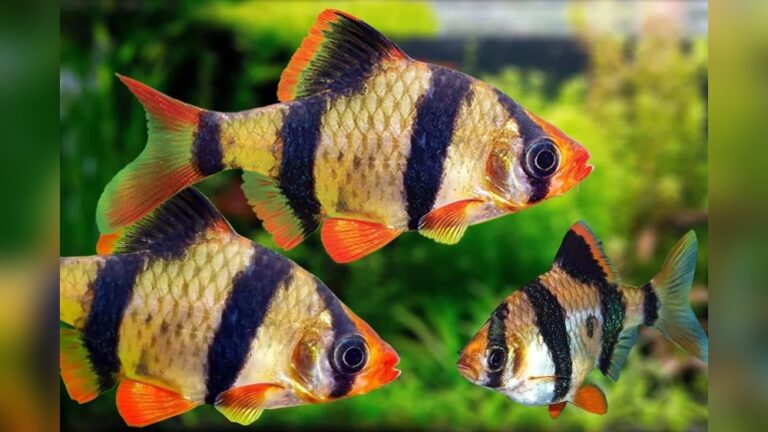
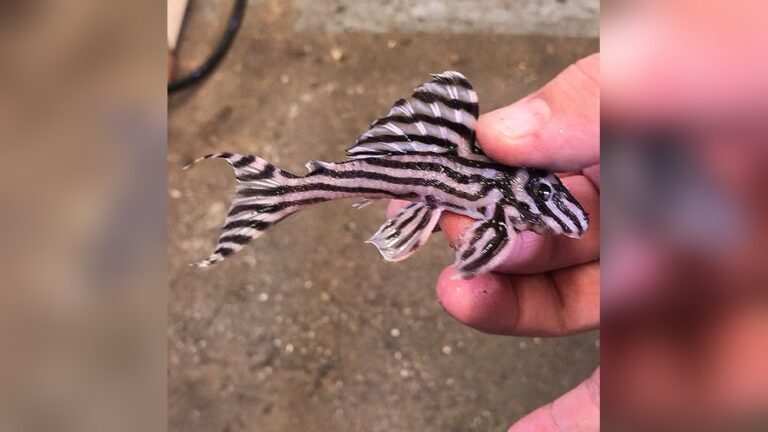
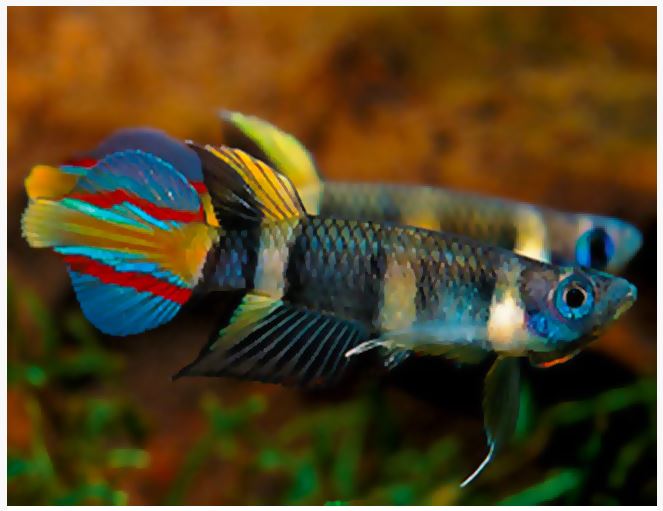
The Clown Killifish is tiny, usually growing up to 1.5 inches. It has bold black stripes on a yellow or orange body. Its fins are often bright red or orange. The fish’s small size makes it perfect for small tanks. Its colors help it stand out in any aquarium.
Natural Habitat
This fish comes from slow-moving waters in Southeast Asia. It lives in small streams, ponds, and rice paddies. These places have lots of plants and hiding spots. The water is usually soft and slightly acidic. Mimicking this habitat in the tank keeps the fish comfortable.
Behavior Patterns
The Clown Killifish is calm and shy. It likes to swim near plants and stay hidden. It usually stays in small groups or pairs. The fish is active during the day and rests at night. It does well with other peaceful fish in the tank.
Setting Up The Aquarium
Setting up an aquarium for Clown Killifish needs care and attention. These small fish thrive best in a well-prepared tank. The right environment keeps them healthy and active. Below are key points to help you create the perfect home.
Tank Size And Environment
Clown Killifish do well in small tanks. A 10-gallon tank is enough for a small group. They like calm water with little current. Keep the tank covered. These fish can jump out if startled.
Water Conditions
Maintain water temperature between 72°F and 79°F. Keep the pH level slightly acidic to neutral, around 6.0 to 7.0. Soft water helps Clown Killifish feel comfortable. Regular water changes keep the tank clean and safe.
Aquascaping Tips
Use plants to create hiding spots and reduce stress. Floating plants help dim the light and mimic their natural habitat. Add leaf litter or moss for extra cover. Avoid sharp decorations to protect their delicate fins.
Feeding Clown Killifish
Feeding Clown Killifish requires attention to their natural habits and preferences. These small fish enjoy a varied diet that supports their health and vibrant colors. Understanding what and how often to feed them helps keep them active and thriving.
Diet Preferences
Clown Killifish prefer live or frozen foods like brine shrimp and daphnia. They also eat small insects and larvae. Flake or pellet foods can work but often lack nutrients. A diet rich in protein keeps them healthy and colorful.
Feeding Frequency
Feed Clown Killifish once or twice daily. Small portions prevent overfeeding and water pollution. Young fish may need more frequent feeding. Watch their behavior to adjust feeding times and amounts.
Live Vs. Prepared Foods
Live foods stimulate natural hunting behavior and improve health. Prepared foods are easier to store and use. Mixing both types gives a balanced diet. Fresh live foods boost energy and reduce disease risk.
Health And Care
Clown Killifish are small, colorful fish that need proper care to stay healthy. Their health depends on clean water, good food, and a calm environment. Regular care helps prevent diseases and keeps them lively. Understanding their health needs makes fishkeeping easier and more fun.
Common Diseases
Clown Killifish can get diseases like Ich, fin rot, and fungal infections. Ich looks like tiny white spots on the fish. Fin rot causes the fins to look ragged and torn. Fungal infections show as cotton-like patches. These diseases happen mostly due to poor water quality or stress.
Preventive Measures
Keep the tank clean and change water often. Use a good filter to remove waste. Feed high-quality food in small amounts. Avoid overfeeding, which pollutes water. Keep the tank temperature steady, around 72-78°F. Add plants and hiding spots to reduce stress. Quarantine new fish before adding them to the tank.
Signs Of Stress
Watch for signs like hiding, slow movement, or loss of color. Fish that gasp at the surface may be stressed. Clown Killifish might stop eating or swim abnormally. Stress lowers their immune system and leads to illness. Spotting stress early helps save their health.
Breeding Clown Killifish
Breeding Clown Killifish can be a rewarding experience for aquarium enthusiasts. These small, colorful fish have unique behaviors that make breeding interesting. Understanding their needs helps increase the chances of success.
Clown Killifish prefer calm waters and specific conditions to breed. Creating the right environment is key to encouraging spawning. Patience and care are essential throughout the process.
Breeding Setup
Use a small tank of about 5 to 10 gallons for breeding. Keep the water temperature between 72°F and 75°F. Add fine-leaved plants or spawning mops for egg laying. Use soft, slightly acidic water for best results. Provide gentle filtration and low lighting to reduce stress. Avoid strong water currents that may harm eggs.
Spawning Behavior
Clown Killifish pair off before spawning. Males display vibrant colors to attract females. Spawning usually happens near plants or mops. Females lay eggs one by one, attaching them to surfaces. Males fertilize the eggs immediately after. Spawning can occur daily for several weeks under good conditions.
Raising Fry
After spawning, remove adults to prevent eating eggs. Eggs hatch in about 10 to 14 days. Fry are tiny and need very small food like infusoria. Feed newly hatched brine shrimp after one week. Change water regularly and keep it clean. Fry grow slowly and need gentle care.

Credit: www.seahorseaquariums.com
Tank Mates And Compatibility
Clown Killifish are small, peaceful fish that thrive best with the right tank mates. Choosing compatible species helps keep your aquarium calm and healthy. Careful selection prevents stress and aggression among fish.
Understanding which species can live alongside Clown Killifish is key. Their gentle nature means they do well with other calm fish. Avoiding conflict keeps the tank environment balanced.
Suitable Species
Good tank mates include small, peaceful fish like Neon Tetras, Ember Tetras, and small Rasboras. These fish have similar water needs and gentle temperaments. Shrimp and snails also make excellent companions. Avoid large or aggressive fish that might bully or eat the Clown Killifish.
Avoiding Aggression
Clown Killifish are shy and may hide from aggressive tank mates. Keep the tank quiet and stress-free to reduce fights. Avoid fish that nip fins or chase others. Provide plenty of hiding spots using plants and decorations. Watch your fish closely for signs of stress or bullying.
Community Tank Tips
Maintain a peaceful community by keeping water conditions stable. Use slow-flow filters and steady lighting to avoid startling fish. Add plants and caves to create hiding places. Feed all fish small amounts several times a day to prevent competition. Introduce tank mates slowly to help them adjust comfortably.
Credit: azgardens.com
How Smart Pets Lover Can Help You with Clown Killifish
Learning Through Caring for Clown Killifish
Embracing the journey of keeping Clown Killifish opens up many practical learning opportunities, especially when it comes to understanding their unique needs in health and care, feeding habits, and tank setup. These vibrant little fish are not just a splash of color in your home; they teach us patience and attentiveness as we tailor their environment and diet to thrive.
For instance, setting up the aquarium properly involves more than just water—it’s about creating a balanced ecosystem that mimics their natural habitat. This hands-on experience helps pet parents develop a deeper appreciation for aquatic life and water chemistry. Similarly, observing their feeding behaviors offers insight into their nutritional needs and social dynamics, reinforcing responsible pet ownership.
- Monitor water parameters regularly to ensure health and longevity.
- Experiment with varied diets to find what your Clown Killifish prefer.
- Document breeding progress to understand their life cycle nuances.
At Smart Pets Lover, where every wag, purr, and chirp tells a story, we believe these moments nurture confidence and connection. If you ever need more tailored advice, reaching out to aquatic care communities or contacting local fish experts can be a great resource to support your Clown Killifish journey.
Frequently Asked Questions
What Is A Clown Killifish?
Clown Killifish is a small, colorful freshwater fish popular in home aquariums. It is known for vibrant stripes and peaceful behavior, making it ideal for community tanks.
How Do You Care For Clown Killifish?
Maintain clean water with stable temperature (72-78°F). Feed a varied diet of live or frozen foods. Provide plants and hiding spots to mimic their natural habitat.
What Tank Size Suits Clown Killifish Best?
A minimum 10-gallon tank is recommended. It offers enough swimming space and room for plants, ensuring a healthy environment for these small fish.
Are Clown Killifish Peaceful With Other Fish?
Yes, Clown Killifish are generally peaceful and suitable for community tanks. Avoid aggressive or much larger tank mates to prevent stress or injury.
Conclusion
Clown Killifish are small but full of charm. They bring color and life to any tank. Caring for them is simple with the right steps. They prefer calm water and gentle companions. Watching their playful nature can be very relaxing.
These fish fit well in both beginner and expert tanks. Their unique patterns make each one special. Add a Clown Killifish to brighten your aquarium today.