Harlequin Rasbora
If you’re looking to add a splash of color and lively energy to your aquarium, the Harlequin Rasbora is the perfect choice. These small, striking fish are easy to care for and bring a unique charm that can transform your tank into a vibrant underwater scene.
Whether you’re a beginner or an experienced aquarist, understanding what makes the Harlequin Rasbora so special will help you create a thriving, beautiful habitat. Keep reading to discover everything you need to know to make your aquarium come alive with these stunning fish.

Credit: dansfish.com
Appearance
The Harlequin Rasbora is a small, colorful fish popular in home aquariums. Its appearance stands out because of bright colors and clear patterns. This fish adds life and charm to any tank. Understanding its look helps in identifying and caring for it properly.
Color Patterns
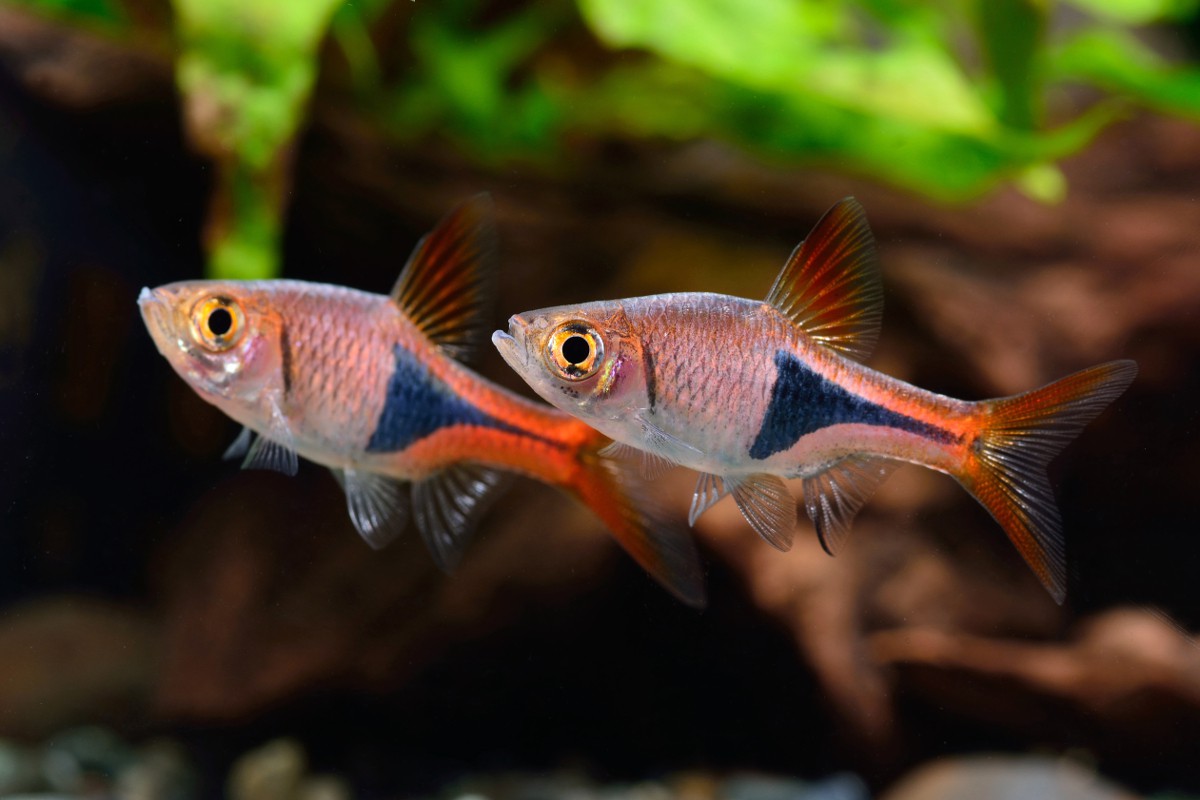
Harlequin Rasboras have a bright orange body. A black, triangular patch covers the rear half of their body. This patch looks like a harlequin mask, giving the fish its name. The fins are mostly clear with a slight orange tint. The contrast between orange and black is sharp and eye-catching.
Size And Shape
These fish grow up to 2 inches long. Their bodies are slender and slightly compressed from side to side. The shape helps them swim quickly and smoothly. Their small size makes them great for community tanks. They move actively and add energy to the aquarium.
Sexual Dimorphism
Male and female Harlequin Rasboras look similar but have small differences. Males usually have a deeper black patch on their bodies. Females are slightly rounder, especially when carrying eggs. These differences help hobbyists tell males from females. It is useful for breeding and tank management.
Natural Habitat
The Harlequin Rasbora thrives in calm, warm waters rich in plants. Its natural habitat shapes its behavior and care needs. Understanding this habitat helps recreate a healthy environment for these vibrant fish.
Geographic Range
Harlequin Rasboras live in Southeast Asia. They are common in Malaysia, Singapore, and parts of Thailand. These fish prefer slow-moving streams and rivers. They often stay near the edges where plants grow thick.
Water Conditions
The water in their habitat is soft and slightly acidic. Temperatures usually range from 73 to 82°F (23 to 28°C). The water is clear but sometimes stained by leaves. Low minerals and gentle water flow suit their needs best.
Plant And Substrate Preferences
Dense aquatic plants cover much of their habitat. These plants offer shelter and breeding spots. The substrate is often sandy or covered with leaf litter. This natural bedding helps mimic their wild environment well.
Tank Setup
Setting up a tank for Harlequin Rasboras requires attention to detail. These fish thrive best in environments that closely mimic their natural habitat. A well-prepared tank ensures healthy and active fish. It also reduces stress and disease risks. Let’s explore the key points for creating the ideal tank setup.
Tank Size
A tank of at least 20 gallons suits a small school of Harlequin Rasboras. They prefer to swim in groups of six or more. More space allows natural swimming behavior. A larger tank also helps maintain stable water conditions. Avoid overcrowding to keep your fish happy and healthy.
Water Parameters
Harlequin Rasboras thrive in soft, slightly acidic water. Aim for a pH between 6.0 and 7.0. Keep water hardness low, around 2-10 dGH. The temperature should stay between 72°F and 80°F (22°C – 27°C). Regular water changes keep parameters stable and clean.
Decor And Plants
Use smooth rocks and driftwood to create hiding spots. Live plants like Java fern and Anubias work well. They provide shelter and improve water quality. Avoid sharp decorations that could harm your fish. A dark substrate helps bring out the fish’s colors.
Lighting And Filtration
Moderate lighting suits Harlequin Rasboras best. Too bright light can stress them out. Use a gentle filter to keep the water clean but avoid strong currents. Sponge filters or adjustable flow filters work well. Proper filtration keeps the tank healthy and clear.
Diet And Feeding
Harlequin Rasboras thrive on a balanced diet. Their feeding habits affect their health and colors. Understanding their diet needs helps keep them lively and bright.
These small fish enjoy a mix of foods. A good diet supports their growth and energy. Variety in food keeps them interested and strong.
Preferred Foods
Harlequin Rasboras like small live and frozen foods. Bloodworms, daphnia, and brine shrimp are favorites. They also eat high-quality flakes and pellets. These provide essential nutrients for daily energy.
Feeding Frequency
Feed Harlequin Rasboras twice a day. Give only what they can eat in two minutes. Overfeeding can pollute the tank and harm fish. Small, regular meals keep them healthy and active.
Supplementing Nutrition
Include vegetable matter in their diet for balance. Blanched spinach or spirulina flakes work well. Vitamins and minerals boost their immune system. A varied diet reduces the risk of illness.
Behavior And Temperament
The Harlequin Rasbora is a small, colorful fish known for its peaceful nature. Understanding its behavior helps create a happy aquarium environment. This fish shows interesting social habits and interacts well with others.
Social Structure
Harlequin Rasboras prefer to live in groups. They feel safer and more confident in schools of six or more. In groups, they swim together in synchronized movements. This schooling behavior reduces stress and encourages natural activity.
Compatibility With Other Fish
These fish are peaceful and get along with many species. They avoid aggression and rarely start fights. Best tank mates include other small, non-aggressive fish. Avoid large or aggressive species that may bully or eat them.
Common Behaviors
Harlequin Rasboras are active swimmers, often seen exploring the tank. They enjoy hiding among plants and decorations. During feeding, they quickly gather at the surface. Their bright colors become more vibrant when healthy and calm.
Breeding Tips
Breeding Harlequin Rasboras can be a rewarding experience for fish keepers. These colorful fish reproduce easily with the right care and environment. Understanding their breeding habits helps increase success.
Setting up proper conditions and knowing how to care for the young is key. Follow these tips to encourage healthy spawning and raise happy fry.
Sexing Harlequin Rasboras
Identifying males and females is simple. Males are usually slimmer and have a more pointed dorsal fin. Females tend to be rounder, especially when full of eggs. Observing body shape helps separate the sexes quickly.
Spawning Conditions
Harlequin Rasboras prefer soft, slightly acidic water for breeding. Keep the temperature around 78°F (25.5°C). Provide fine-leaved plants or spawning mops for egg laying. Dim lighting encourages spawning behavior. Reduce water flow to avoid disturbing the eggs.
Raising Fry
Once eggs hatch, move adults to avoid eating the fry. Feed the fry small foods like infusoria or newly hatched brine shrimp. Keep water clean and stable. Change water in small amounts daily. Fry grow quickly with proper care and feeding.
Health And Diseases
The health of Harlequin Rasboras affects their color, activity, and lifespan. Keeping them healthy means watching for signs of sickness. Their environment plays a big role in their well-being. Clean water and proper care help avoid many problems.
Understanding common illnesses helps catch problems early. Quick action can save your fish. Knowing how to prevent diseases keeps your tank safe. Treatment options vary but must be gentle and effective.
Common Illnesses
Harlequin Rasboras often face diseases like ich, fin rot, and fungal infections. Ich shows as white spots on the body. Fin rot causes torn or ragged fins. Fungal infections appear as cotton-like growths on skin or fins. Poor water quality can lead to bacterial infections and stress-related illnesses.
Prevention Methods
Keep the tank clean by doing regular water changes. Test water parameters to maintain the right pH and temperature. Avoid overcrowding to reduce stress and disease spread. Quarantine new fish before adding them to the tank. Feed a balanced diet to boost their immune system. Remove dead or sick fish quickly to protect others.
Treatment Options
Use aquarium salt or medication for ich and fungal infections. Antibiotics can treat bacterial infections but use them carefully. Improve water quality to help fish recover faster. Isolate sick fish to stop disease spread. Follow the medication instructions exactly to avoid harm. Continue treatment until the fish fully recovers.
Common Challenges
Harlequin Rasboras are popular aquarium fish but come with some common challenges. These challenges can affect their health and behavior. Understanding these issues helps keep them happy and healthy.
Stress Factors
Harlequin Rasboras feel stress from sudden changes. Loud noises or too much light can scare them. Crowded tanks cause stress too. Stress weakens their immune system. This makes them prone to diseases.
Water Quality Issues
Clean water is vital for Harlequin Rasboras. Poor water quality leads to sickness. High ammonia or nitrite levels harm their gills. Hard or very alkaline water can cause problems. Regular water testing and changes prevent these issues.
Aggression And Compatibility Problems
Harlequin Rasboras are peaceful but not with all fish. Some species may bully or nip their fins. Aggression causes injury and stress. Choose tank mates carefully to avoid fights. Keep them in groups to reduce aggression.
Choosing Healthy Fish
Choosing healthy Harlequin Rasboras is key for a vibrant aquarium. Healthy fish live longer and show their true colors. Picking the right fish also helps avoid disease spread. It starts with knowing what to look for.
Careful choice means your tank stays balanced and beautiful. Observe fish closely before buying. Small details can tell a lot about their health.
Signs Of Good Health
Bright colors show a healthy Harlequin Rasbora. Their scales should be smooth and shiny. Clear eyes without cloudiness are a positive sign. Look for active swimming and quick responses. Avoid fish that hide or stay still. Check for intact fins with no tears. Healthy fish breathe smoothly without gasping. Watch out for spots, swelling, or unusual marks.
Where To Buy
Choose trusted pet stores or specialized fish shops. These places usually keep fish in clean tanks. Staff can answer questions about fish care. Online sellers with good reviews are an option. Ask about the fish’s origin and care history. Avoid markets where fish tanks look dirty or overcrowded.
Avoiding Disease
Quarantine new fish before adding them to your tank. This prevents illness spread to other fish. Watch new fish for any signs of sickness. Use clean nets and tools for each tank. Avoid sudden changes in water temperature or quality. Feed fish balanced food to keep their immune system strong. Regular tank cleaning also reduces disease risk.

Credit: aquadiction.world
Credit: www.fishi-pedia.com
How Smart Pets Lover Can Help You with Harlequin Rasbora
Learning Through Caring for Your Harlequin Rasbora
Welcoming Harlequin Rasboras into your home opens up wonderful opportunities to deepen your understanding of aquatic life. Observing their behavior and temperament teaches patience and the importance of creating a balanced environment. Paying attention to tank setup details, like water parameters and plants, encourages hands-on learning about natural habitats and ecosystem balance.
Feeding routines offer practical lessons in nutrition and the role diet plays in fish health—helpful when tackling common challenges such as disease prevention. By embracing these care aspects, you nurture not just your fish but your confidence as a responsible pet parent. At Smart Pets Lover, we believe that every interaction with your pets enriches your bond and knowledge, turning everyday care into a meaningful journey.
If you ever want to exchange insights or need guidance, feel free to connect with fellow enthusiasts or experts who share your passion for these vibrant swimmers. Remember, where every wag, purr, and chirp tells a story, your Harlequin Rasbora is adding a splash of color to yours.
Frequently Asked Questions
What Is A Harlequin Rasbora Fish?
Harlequin Rasbora is a small, colorful freshwater fish popular in home aquariums. It features a distinctive black triangular patch on its body. This species is peaceful, schooling, and easy to care for, making it ideal for beginners and community tanks.
How Big Do Harlequin Rasboras Grow?
Harlequin Rasboras typically grow to about 1. 5 to 2 inches (4 to 5 cm) in length. They remain small, which makes them suitable for nano and medium-sized aquariums. Their size allows them to live comfortably in groups.
What Tank Conditions Suit Harlequin Rasboras?
Harlequin Rasboras thrive in tanks with soft, slightly acidic water. Ideal temperature ranges between 72-81°F (22-27°C). They prefer well-planted tanks with moderate lighting and stable water parameters for optimal health and behavior.
Are Harlequin Rasboras Good Community Fish?
Yes, Harlequin Rasboras are peaceful and social, making them excellent community fish. They do well with other non-aggressive species. Keep them in groups of six or more to reduce stress and encourage natural schooling behavior.
Conclusion
Harlequin Rasboras bring life and color to any aquarium. They thrive best in groups and peaceful tanks. Feeding them is simple with common fish foods. Their calm nature makes them great for beginners. Keeping water clean helps them stay healthy and active.
These small fish add beauty without much effort. A perfect choice for those who love easy care fish. Enjoy watching their unique shape and bright colors daily. Harlequin Rasboras truly brighten up home aquariums.