How Do Snails Mate In A Fish Tank
Have you ever noticed snails in your fish tank and wondered how they mate? Understanding this fascinating process can help you create a better environment for your aquatic pets.
Whether you’re a beginner or an experienced tank owner, knowing how snails reproduce can save you from surprises and keep your tank healthy. You’ll discover exactly how snails mate in a fish tank, what to watch for, and how it affects your aquarium.
Keep reading to unlock the secrets of snail love underwater!
Snail Species In Fish Tanks
Snails are common in fish tanks and come in many species. Each type has unique traits and habits. Understanding these species helps in caring for them properly. It also explains how they mate and live together in the tank.
Fish tank snails are not just pests. Many people keep them on purpose. They help clean algae and dead plants. They add life and interest to the aquarium. Knowing their species helps you see their role better.
Common Tank Snails
Several snail species are popular in aquariums. Mystery snails are big and colorful. They come in colors like gold, blue, and black. Apple snails are another type, known for their size and shell shape. Nerite snails are small and very good at eating algae. Ramshorn snails have round, flat shells and multiply fast. Each species has different care needs and behaviors.
Behavioral Traits
Snail behavior varies by species but shares some traits. They move slowly and graze on algae and plants. Many snails are active at night. They use their tentacles to sense the environment. Snails breathe through gills or lungs depending on species. Most are peaceful and avoid fish. They reproduce quickly in good conditions. Some species lay eggs above water, others underwater.

Credit: aquariumbreeder.com
Mating Process Of Snails
The mating process of snails in a fish tank is quite interesting. These small creatures have unique ways to reproduce. Understanding their mating helps in caring for them better. It also explains why snail populations grow fast in aquariums.
Hermaphroditic Nature
Snails are hermaphrodites. This means they have both male and female organs. Each snail can produce eggs and sperm. They can mate with any other snail. This increases their chances of reproduction in the tank.
Courtship Behavior
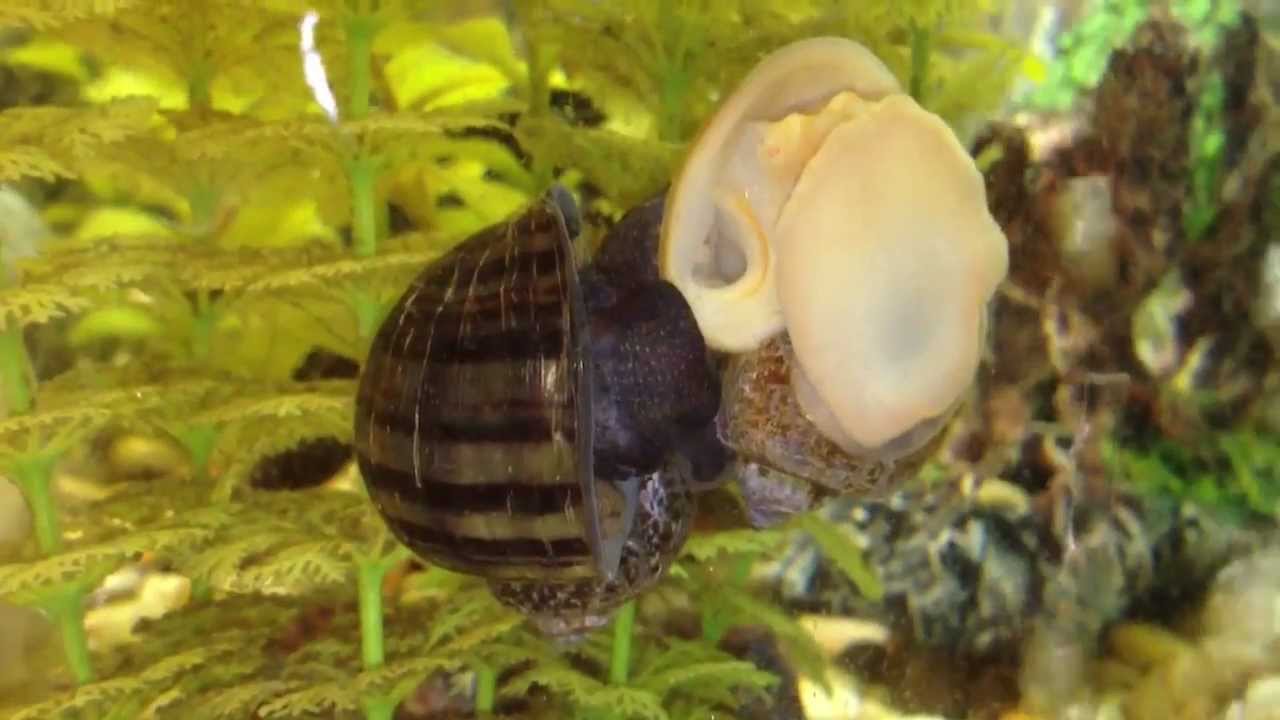
Before mating, snails perform a courtship dance. They circle and touch each other with tentacles. This helps them recognize a suitable partner. The process can last several hours. It is gentle and slow, showing their readiness to mate.
Egg Laying
After mating, snails lay eggs in hidden places. They prefer moist and safe spots in the tank. The eggs look like small, clear jelly blobs. It takes days for the eggs to hatch. Proper tank conditions help the eggs develop well.
Environmental Factors
Environmental factors play a big role in how snails mate in a fish tank. These factors create the right space and comfort for snails to reproduce. Understanding them helps keep snails healthy and active.
Water Conditions
Clean water is key for snail mating. Snails need stable temperature and pH levels. Sudden changes can stress them and stop mating behavior. Clear water with low ammonia and nitrate is best. Regular water changes keep conditions safe and friendly.
Tank Setup
A well-arranged tank makes snails feel secure. Plants and hiding spots help reduce stress. Snails prefer calm corners with soft surfaces. Avoid overcrowding the tank to give snails space. Proper lighting that mimics natural day and night supports their cycle.
Food Availability
Snails need good food to mate. A steady supply of algae and veggies keeps them healthy. Starving snails may not reproduce. Offer a variety of foods to meet their needs. Healthy snails are more likely to find mates and lay eggs.
Credit: www.youtube.com
Signs Of Snail Mating
Noticing signs of snail mating in your fish tank can be fascinating. These signs help you understand their behavior better. Snails mate to reproduce and increase their population in the tank. Observing these signs can tell you if your snails are healthy and active.
Physical Indicators
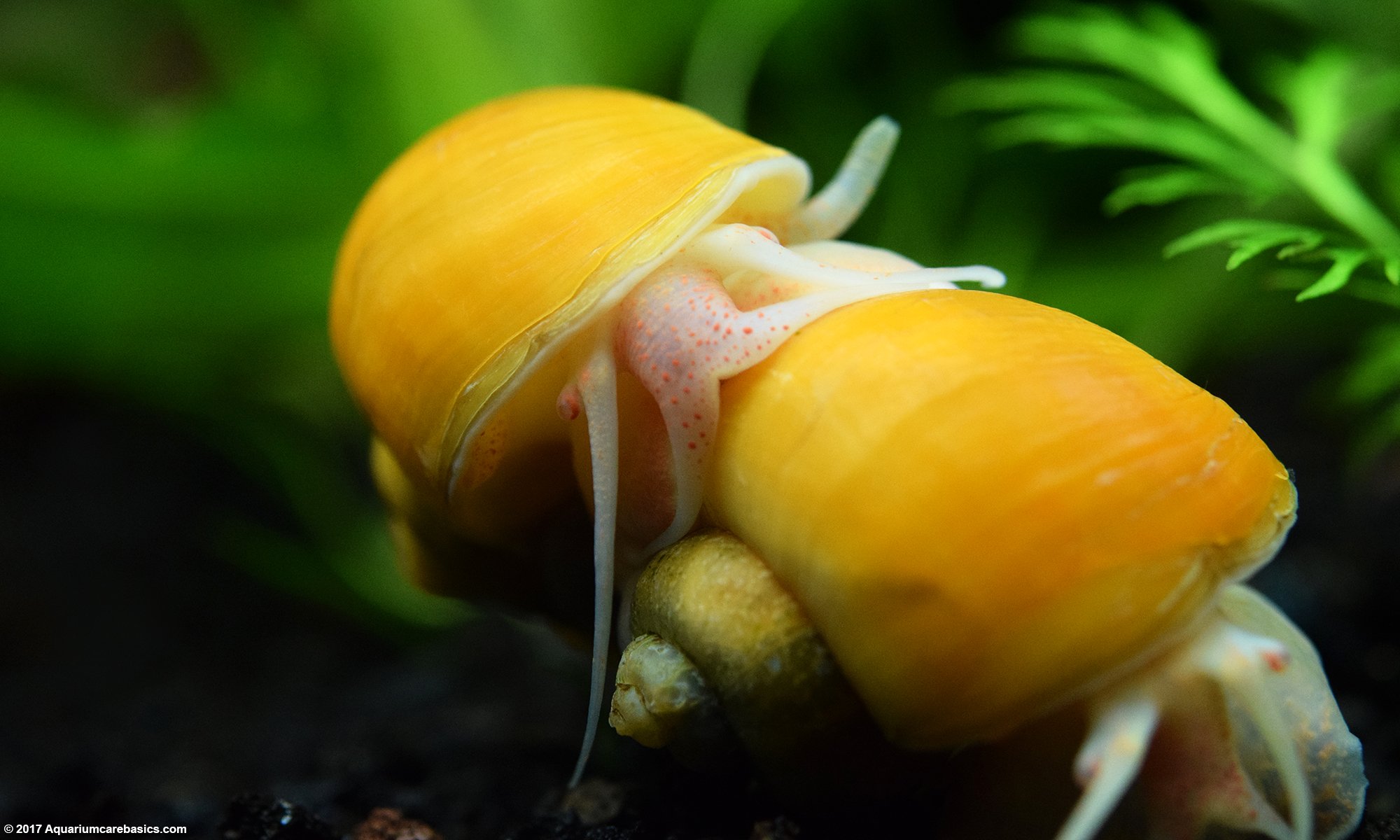
Snails often show clear physical signs when mating. Their bodies may touch or intertwine closely. You might see two snails attached side by side. The shells can be very close or slightly overlapping. Sometimes, a snail will lay small, clear jelly-like egg clusters on tank surfaces. These eggs are a strong sign that mating happened recently.
Behavior Changes
Snails act differently during mating periods. They move slower or stay still for some time. Some snails become more active, searching for mates. You may notice them crawling on glass or decorations more often. Snails may also follow each other closely around the tank. These changes show they are preparing to mate or have just mated.
Managing Snail Population
Managing snail population in a fish tank is important for a healthy environment. Too many snails can cause problems. They eat plants and create waste. This can affect water quality and fish health. Controlling their numbers helps keep the tank balanced and clean.
Knowing how to manage snails properly makes tank care easier. It keeps fish safe and ensures a peaceful tank community. Here are some ways to manage snail population effectively.
Controlling Overpopulation
Monitor the number of snails regularly. Remove excess snails by hand to reduce overcrowding. Limit food supply since extra food helps snails multiply fast. Avoid overfeeding fish to keep snail growth in check. Introduce natural predators like certain fish that eat snails. Keep plants healthy as weak plants attract more snails. Clean the tank often to remove snail eggs.
Safe Removal Techniques
Use a small net or tweezers to catch snails carefully. Avoid chemicals that can harm fish and plants. Place removed snails in a separate container. Dispose of snails away from other water sources. Check decorations and plants before adding to the tank. Remove snail eggs by wiping tank surfaces gently. Regularly inspect the tank to prevent sudden snail spikes.
Credit: www.aquariumcarebasics.com
How Smart Pets Lover Can Help You with How Do Snails Mate In A Fish Tank
Exploring Practical Learning Through Snail Mating in Your Fish Tank
Understanding how snails mate in a fish tank offers more than just curiosity—it’s a wonderful chance to observe nature’s delicate balance right at home. As we’ve seen, recognizing the mating process and the environmental factors that influence it helps manage snail populations responsibly, which is crucial for a healthy aquatic setup.
For pet parents who cherish the stories every creature brings, watching these tiny mollusks can deepen your connection with your tank’s ecosystem. Noticing signs of snail mating encourages mindful tank maintenance and thoughtful adjustments to water conditions, mirroring the care we give to dogs, cats, or birds.
If you ever feel unsure about balancing snail numbers or understanding their behaviors, resources like Smart Pets Lover offer warm, trustworthy guidance. It’s all about empowering you to feel confident and connected with your pets—no matter how big or small.
For further insights or questions, reaching out to knowledgeable pet communities or experts can be a helpful next step on your journey.
Frequently Asked Questions
How Do Snails Find Mates In A Fish Tank?
Snails use chemical signals to locate mates in a tank. They follow mucus trails left by other snails. This helps them identify and approach potential partners for reproduction.
What Is The Mating Process Of Snails In Aquariums?
Snails are hermaphrodites and exchange sperm during mating. They align their bodies and transfer sperm simultaneously. After mating, both can lay eggs, increasing the snail population in the tank.
How Long Does Snail Mating Last In A Fish Tank?
Snail mating usually takes between 30 minutes to a few hours. The duration depends on species and environmental factors like temperature and tank conditions.
Can Snails Reproduce Without A Mate In A Tank?
Most aquarium snails need a mate to reproduce. However, some species can self-fertilize if no partners are available. This ensures survival even with a low population.
Conclusion
Snails in fish tanks have a unique way to mate. They are hermaphrodites, meaning each snail has both male and female parts. During mating, they exchange sperm to fertilize eggs. This process can take several hours. After mating, snails lay eggs on tank surfaces.
Keeping the tank clean helps eggs hatch safely. Watching snails mate can be fascinating and teaches us about nature. Understanding their behavior helps maintain a healthy tank environment. Snail mating is a natural part of aquarium life. It keeps the snail population balanced and lively.