Shubunkin Goldfish Varieties Care Guide Lifespan And More
If you’re thinking about adding a splash of color and charm to your aquarium, Shubunkin goldfish might be just what you need. These beautiful fish come in a variety of striking patterns and colors that can brighten up any tank.
But to keep your Shubunkin healthy and happy, you need to understand their care needs, lifespan, and unique traits. In this guide, you’ll discover everything you need to know to give your Shubunkin goldfish the best life possible. Ready to dive in and become a confident goldfish keeper?
Let’s get started.
Shubunkin Goldfish Varieties
Shubunkin goldfish come in several beautiful varieties. Each type has unique colors and patterns. These fish are known for their hardiness and vibrant appearance. They add life to any aquarium or pond. Understanding the differences helps in choosing the right one for your setup.
The varieties vary mainly in body shape and fin type. Their colors mix blues, reds, oranges, and blacks. This blend creates a stunning calico effect. Below are the four main Shubunkin goldfish varieties.
Calico Shubunkin
The Calico Shubunkin has a rounded body and long fins. Its colors include blue, orange, red, and black spots. This variety shows a shiny, speckled look. It is very popular among goldfish lovers. The Calico’s bright colors make it easy to spot in a tank.
London Shubunkin
London Shubunkins have a short, round body. Their fins are shorter compared to other types. The colors are deep and rich with strong contrasts. This variety looks like a small, colorful ball. It is perfect for small aquariums or ponds.
American Shubunkin
American Shubunkins have a longer, slim body. Their fins are more pointed and graceful. The color patterns are similar to Calico but less dense. This variety swims quickly and looks elegant. It fits well in larger tanks with active fish.
Japanese Shubunkin
Japanese Shubunkins have a slender body and flowing fins. Their colors are softer and more pastel-like. This variety has fewer spots but a smooth blend of colors. It moves with grace and calmness. The Japanese Shubunkin suits peaceful aquarium settings.
Physical Characteristics
Shubunkin goldfish have unique physical traits that make them stand out. Their appearance helps identify their breed and health. Understanding these traits is key to proper care. They show a mix of colors, shapes, and fin types. These features make Shubunkins popular among fish keepers.
Color Patterns
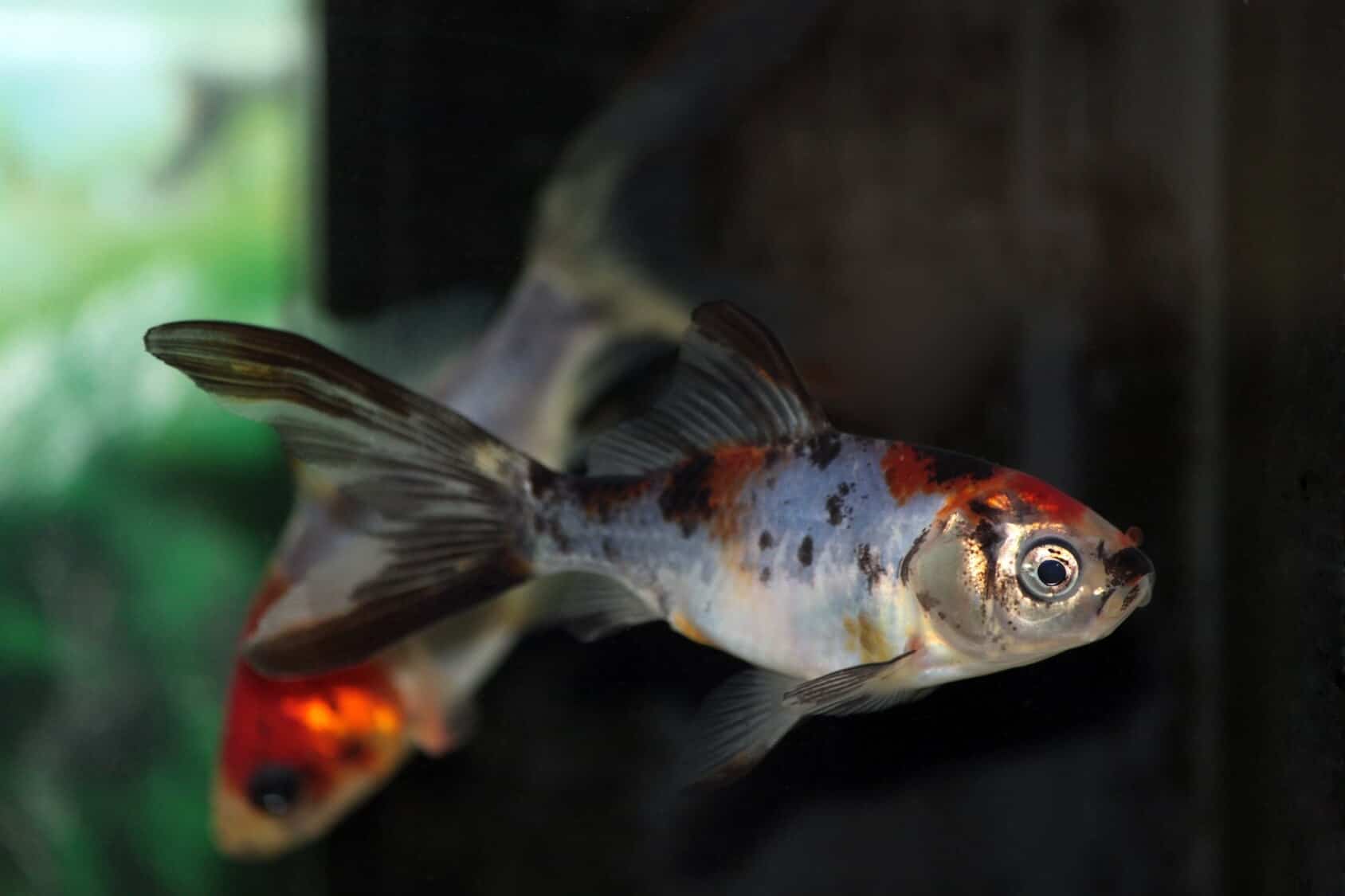
Shubunkins display a wide range of colors. They often have patches of red, orange, blue, black, and white. Their colors are bright and eye-catching. The pattern looks like stained glass on their scales. Each fish has a unique color mix that never fades. This variety is one reason for their appeal.
Body Shape
The body of a Shubunkin is long and slender. It is similar to common goldfish shapes. Their body is smooth and streamlined for easy swimming. Unlike rounder goldfish, Shubunkins are built for speed. Their size can grow up to 12 inches in length. This body shape helps them thrive in ponds and tanks.
Fin Types
Shubunkins have well-developed fins that add to their beauty. Their tail fin is broad and flowing, often forked at the end. Pectoral and dorsal fins are firm and rounded. These fins help them balance and move quickly. The fins also show off their elegant swimming style. Healthy fins indicate a healthy fish overall.
Tank Setup
Setting up the right tank for your Shubunkin goldfish is essential for their health and happiness. These fish need enough space to swim freely and clean water to thrive. Proper tank setup helps prevent illness and stress.
Tank Size Requirements
Shubunkins grow quite large. A small tank will quickly become overcrowded. Provide at least 20 gallons of water for one fish. Add 10 more gallons for each additional fish. Bigger tanks offer more stable water conditions. They also allow your fish to swim comfortably.
Water Conditions
Shubunkins prefer cool, clean water. Keep the temperature between 65 and 75°F (18-24°C). Test the water regularly to ensure a pH level of 6.5 to 8.0. Avoid sudden temperature or pH changes. These can stress your fish and cause health problems.
Filtration And Aeration
A good filter keeps the water clear and free of harmful chemicals. Choose a filter that can handle at least twice the tank’s volume per hour. Aeration is also important. It adds oxygen to the water, which fish need to breathe. Use an air pump or a filter with a strong water flow to keep oxygen levels high.
Credit: www.octaviabooks.com
Feeding Shubunkins
Feeding Shubunkins is a key part of their care. Their diet affects their health and colors. Proper feeding helps them grow strong and live longer. It also keeps them active and happy in the tank.
Diet Essentials
Shubunkins need a balanced diet with proteins, vitamins, and minerals. High-quality goldfish pellets or flakes work well as the main food. Supplement their diet with vegetables like peas or spinach. Live or frozen foods such as brine shrimp or bloodworms add extra nutrition. Variety keeps their meals interesting and healthy.
Feeding Frequency
Feed Shubunkins two to three times daily. Give only the amount they can eat in two minutes. Overfeeding causes water pollution and health problems. Watch their behavior to adjust meal sizes. Young fish may need more frequent feedings than adults.
Foods To Avoid
Avoid feeding Shubunkins bread or processed human food. These can cause digestive issues and poor health. Stay away from high-fat or sugary foods. Some plants are toxic, like rhubarb leaves and avocado. Always research before adding new foods to their diet.
Behavior And Compatibility
Understanding the behavior and compatibility of Shubunkin goldfish helps keep them happy and healthy. These fish have unique social needs and react differently with other tank mates. Their temperament and interaction style make a big difference in a peaceful aquarium. Knowing how they behave can prevent stress and aggression.
Social Traits
Shubunkin goldfish are friendly and active swimmers. They enjoy being around others of their kind. These fish like to explore and play in groups. They are not shy but can be cautious with new tank mates. Regular interaction keeps them lively and reduces boredom.
Tank Mates
Choose tank mates that share similar size and temperament. Avoid small fish that Shubunkins might chase. Calm species like other goldfish varieties work well. Avoid aggressive or very fast swimmers. Proper tank mates create a balanced and peaceful environment.
Handling Aggression
Aggression is rare but can happen during feeding or space fights. Watch for chasing or fin nipping signs. Separate aggressive fish quickly to avoid injury. Provide enough space and hiding spots to reduce tension. Regular tank cleaning and feeding help keep peace.
Health And Common Issues
Shubunkin goldfish are hardy and beautiful fish. Still, they can face health problems like other fish. Understanding their health helps keep them strong and happy. Watch them closely for any signs of trouble. Early care can save your fish from serious illness.
Knowing common issues helps you act fast. Clean water and good food reduce risks. Regular tank checks keep the environment safe. Let’s explore how to prevent diseases and spot problems early.
Disease Prevention
Keep the tank clean by changing water weekly. Use a good filter to remove waste. Avoid overfeeding to prevent water pollution. Feed a balanced diet with high-quality flakes or pellets. Quarantine new fish before adding to the tank. Maintain stable water temperature between 65-75°F (18-24°C). Test water for ammonia, nitrites, and nitrates regularly. A healthy environment lowers disease chances greatly.
Signs Of Illness
Look for unusual behavior like slow swimming or hiding. Check for faded colors or spots on scales. Notice if your fish scratches against objects. Watch for swollen belly or clamped fins. Gasping at the water surface can signal oxygen issues. Loss of appetite is also a warning sign. Early detection helps protect your fish’s health.
Treatment Options
Isolate sick fish in a separate tank to stop spread. Use medicated food or water treatments as directed. Follow instructions carefully for dosage and duration. Keep water clean and stable during treatment. For bacterial infections, antibiotics may be needed. Parasite issues often require special anti-parasitic medicines. Consult a vet or fish expert for severe cases. Acting quickly improves recovery chances significantly.
Lifespan And Growth
Understanding the lifespan and growth of Shubunkin goldfish helps you care for them better. These fish show steady growth and can live many years with proper care. Knowing what to expect supports a healthy environment for your pet.
Average Lifespan
Shubunkin goldfish usually live between 8 and 12 years. Some can live up to 15 years with excellent care. Their lifespan depends on tank size, diet, and water quality.
Growth Stages
Shubunkin start small, about 1 inch as fry. They grow quickly in the first year, reaching 4 to 6 inches. Growth slows after the first year but can continue for several years. Adult Shubunkin can reach 8 to 12 inches in length.
Factors Affecting Longevity
Good water quality is key to a long life. Poor water causes stress and disease. A balanced diet improves health and growth. Overcrowding and small tanks limit lifespan. Regular tank cleaning helps keep fish healthy. Stress from aggressive tank mates can shorten life.

Credit: bookmarkshoppe.com
Breeding Shubunkin Goldfish
Breeding Shubunkin goldfish offers a rewarding experience for hobbyists. These fish are lively and colorful, making them a favorite among breeders. Understanding their breeding needs ensures healthy eggs and strong fry. This guide covers essential tips for successful breeding.
Spawning Conditions
Shubunkin goldfish spawn in spring or early summer. Water temperature should be around 68-74°F (20-23°C). Provide plenty of plants or spawning mops for egg attachment. Keep the tank clean and well-oxygenated. Separate males and females before breeding to encourage readiness. Introduce them together when conditions are right.
Egg Care
After spawning, remove adult fish to avoid egg predation. Eggs stick to plants or surfaces and hatch in 4-7 days. Keep water clean and stable during this time. Avoid strong water currents that can harm eggs. Use a gentle air stone for oxygen supply. Watch for fungus and remove infected eggs quickly.
Raising Fry
Fry start swimming and feeding after 5-7 days. Feed tiny foods like infusoria or liquid fry food first. Gradually introduce baby brine shrimp or finely crushed flakes. Keep water quality high with regular small water changes. Provide gentle filtration to avoid sucking up fry. Separate fry by size to prevent bullying. Growth is slow but steady with proper care.
Maintaining Water Quality
Maintaining clean water is key to keeping Shubunkin goldfish healthy. Poor water quality can cause stress and illness. Regular care helps fish live longer and stay active. Water quality depends on many factors like cleanliness, chemicals, and waste.
Shubunkin goldfish produce a lot of waste. This waste breaks down into harmful substances. These substances can build up quickly in a tank. Watching water quality closely prevents problems.
Regular Testing
Test water at least once a week. Check ammonia, nitrite, and nitrate levels. These chemicals affect fish health directly. Use a simple test kit made for aquariums. Record results to track changes over time. Early detection helps fix issues fast.
Water Changes
Replace 20-30% of water weekly. Use clean, dechlorinated water. This removes toxins and refreshes the tank. Changing too much water can stress fish. Keep water temperature similar to avoid shock. Regular changes keep the environment stable and safe.
Preventing Contaminants
Avoid adding chemicals or soap near the tank. Wash hands before feeding or handling fish. Do not overfeed; leftover food pollutes water. Keep plants and decorations clean but gentle. Contaminants harm fish and disrupt the tank’s balance.
Enhancing Colors And Health
Enhancing the colors and health of Shubunkin goldfish takes care and attention. Their bright patterns make them a favorite among fish lovers. Healthy fish show richer colors and live longer. Small changes in care can boost their appearance and well-being.
Nutrition Tips
Feed Shubunkin a varied diet. Use high-quality flakes or pellets made for goldfish. Include natural foods like peas, spinach, and bloodworms. These foods improve color and provide essential vitamins. Avoid overfeeding to prevent health problems. Feed small amounts two to three times daily.
Lighting Effects
Proper lighting enhances the fish’s vibrant colors. Use full-spectrum aquarium lights for natural effects. Keep lights on for 8 to 10 hours each day. Too much light can stress the fish and cause algae. A timer helps keep a regular light schedule. Light also supports plant growth, improving the tank environment.
Stress Reduction
Stress dulls Shubunkin colors and weakens health. Keep tank water clean and stable with regular changes. Provide hiding spots with plants or decorations. Avoid sudden movements or loud noises near the tank. Keep tank mates peaceful to reduce fighting. A calm environment helps fish show their best colors.
Credit: www.fishkeepingworld.com
How Smart Pets Lover Can Help You with Shubunkin Goldfish Varieties Care Guide Lifespan And More
Practical Learning with Shubunkin Goldfish Care
Understanding the diverse Shubunkin goldfish varieties opens up a world of practical learning for any pet parent. As you explore their unique physical characteristics and ideal tank setup, you gain hands-on experience in creating a thriving aquatic environment. Noticing their behavior and compatibility with other fish can deepen your appreciation for aquatic social dynamics, while maintaining water quality offers a real-life lesson in ecosystem balance.
At Smart Pets Lover, we believe every interaction with your Shubunkin is a chance to connect and learn. Observing their feeding habits and health patterns not only enhances their lifespan but also sharpens your skills as a responsible pet owner. If questions arise, reaching out to local aquarist communities or trusted pet care resources can offer valuable support, ensuring your journey with these vibrant goldfish is as rewarding as possible.
Frequently Asked Questions
What Are The Main Shubunkin Goldfish Varieties?
Shubunkin goldfish come in three main varieties: London, American, and Bristol. Each variety differs in body shape and finnage. London has a round body with short fins. American shows a more streamlined body and longer fins. Bristol has a deep body with a broad tail.
How Long Do Shubunkin Goldfish Typically Live?
Shubunkin goldfish usually live between 10 to 15 years. Proper care, diet, and tank conditions can extend their lifespan. Some have lived over 20 years in ideal environments. Regular water changes and a balanced diet promote longevity.
What Is The Ideal Tank Size For Shubunkin Goldfish?
A minimum 20-gallon tank is recommended for one Shubunkin goldfish. Larger tanks are better for multiple fish to reduce stress. They need ample swimming space due to their active nature. Good filtration is essential to maintain water quality.
How Often Should I Feed My Shubunkin Goldfish?
Feed Shubunkin goldfish 2 to 3 times daily in small amounts. Avoid overfeeding to prevent water pollution and health issues. Use high-quality flakes, pellets, and occasional fresh vegetables. Remove uneaten food to keep the tank clean.
Conclusion
Shubunkin goldfish come in many colorful varieties. They need clean water and a balanced diet. Regular tank care helps them stay healthy and live longer. These fish enjoy space to swim and plants to hide in. Watching their unique patterns grow is truly rewarding.
Caring for Shubunkins is simple and fun for all ages. Start with the right setup and enjoy your beautiful fish. They bring calm and joy to any home aquarium.