Pygmy Cory
If you’re looking to add a lively, charming fish to your aquarium, the Pygmy Cory might be exactly what you need. These tiny, active swimmers bring energy and personality to any tank without demanding too much care.
Imagine watching your Pygmy Cory glide gracefully along the bottom, exploring every corner of your underwater world. Curious about how to keep them happy and healthy? Keep reading, because understanding these little fish can transform your aquarium into a vibrant, thriving ecosystem you’ll love watching every day.
Pygmy Cory Basics
The Pygmy Cory is a small, peaceful fish popular in home aquariums. This fish is easy to care for and fun to watch. Understanding its basics helps you provide a happy environment for it.
Below are key facts about its looks, home, and habits. These details make keeping Pygmy Cory simple and enjoyable.
Physical Traits
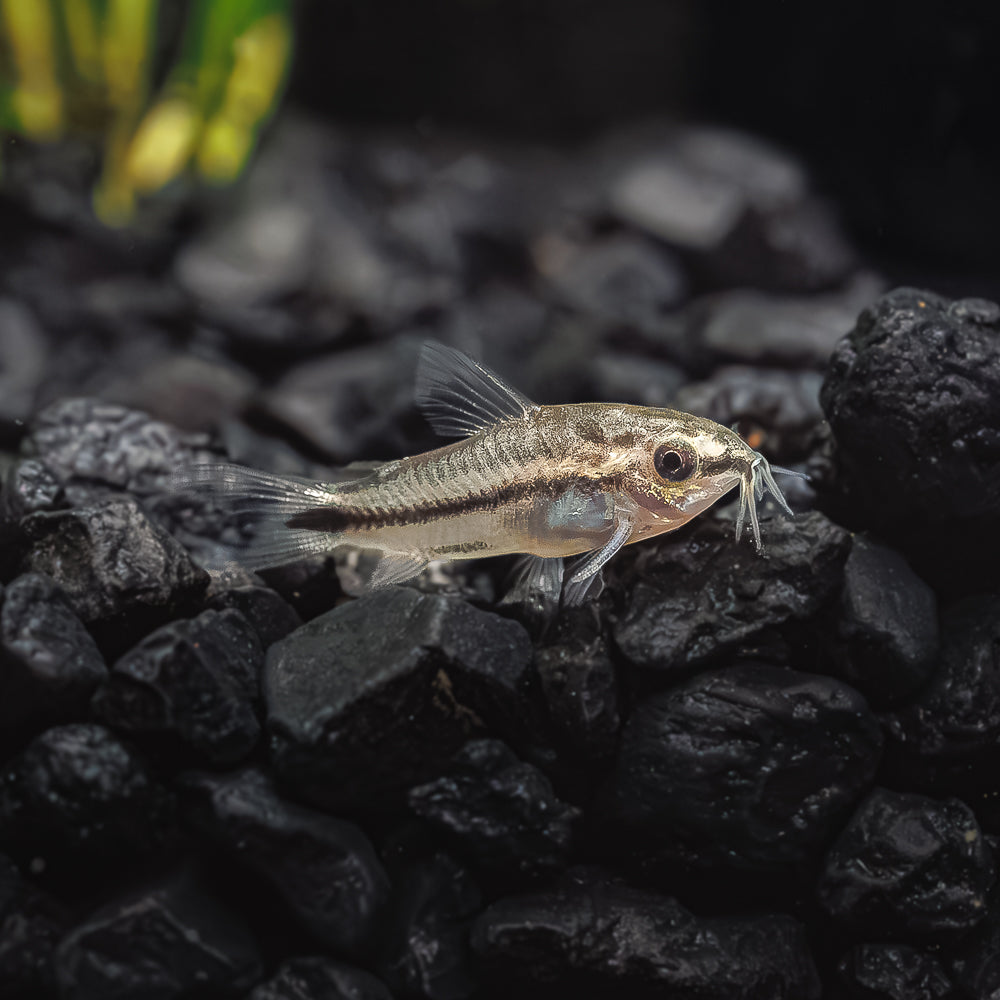
Pygmy Cory fish are small, growing up to 1.5 inches long. They have a slender body with a light brown color. Dark stripes run along their sides. Their fins are small and delicate. These fish have barbels near their mouths to find food. They have a gentle appearance that fits well in community tanks.
Natural Habitat
Pygmy Corys live in slow-moving rivers and streams. They come from South America, especially in Brazil and Colombia. These waters have soft sand and plants. The water is usually warm and slightly acidic. They hide under leaves and rocks to stay safe. This natural setting is important to mimic in tanks.
Behavior Patterns
These fish are peaceful and social. They swim near the bottom of the tank. Pygmy Corys like to be in groups of five or more. They spend much time searching for food in the substrate. They are active during the day but calm. Avoid aggressive fish to keep them stress-free.
Tank Setup
Setting up the right tank for Pygmy Cory fish is key to their health and happiness. These small fish thrive best in a calm and clean environment. Proper tank setup helps them show their natural behavior and colors. Let’s explore the important parts of the tank setup.
Tank Size And Environment
A tank of at least 10 gallons suits Pygmy Cory well. They prefer a peaceful space with gentle water flow. A wide tank is better than a tall one. This gives the fish more room to swim near the bottom. Keep the tank in a quiet spot with soft lighting. Bright lights can stress these shy fish.
Water Conditions
Pygmy Cory likes clean, fresh water with a temperature of 72 to 78°F (22 to 26°C). The pH should stay between 6.0 and 7.5. Regular water changes keep the water healthy. Avoid sudden changes in water quality. Stable conditions help prevent stress and illness.
Substrate And Decorations
Soft, sandy substrate is best for Pygmy Cory. They sift through the sand looking for food. Sharp gravel can hurt their delicate barbels. Include live plants and hiding spots like driftwood or smooth rocks. These decorations offer shelter and reduce stress. Keep open space for swimming near the bottom.
Feeding Needs
Pygmy Corydoras have specific feeding needs to stay healthy and active. Their diet must be balanced and varied. Proper feeding supports their growth and vibrant colors. Understanding their diet types, feeding schedule, and favorite foods helps in maintaining their well-being.
Diet Types
Pygmy Corydoras are omnivores. They eat both plant and animal matter. Their diet includes flakes, pellets, and live food. A mix of these types ensures they get all nutrients. Vegetables like zucchini or cucumber can be offered too. Variety keeps their diet interesting and nutritious.
Feeding Schedule
Feed Pygmy Corydoras twice daily. Small portions prevent overfeeding and water pollution. Observe their eating habits to adjust amounts. Remove uneaten food after a few minutes. Consistent feeding times help maintain their routine.
Favorite Foods
Pygmy Corydoras love live or frozen foods. Bloodworms, daphnia, and brine shrimp are popular choices. Sinking pellets or wafers also work well. They enjoy fresh vegetables in small amounts. Offering favorite foods boosts their appetite and health.

Credit: www.aquariumcoop.com
Health And Care
Pygmy Cory fish are small and active creatures that need proper care to stay healthy. They thrive best in clean water and a stable environment. Taking good care helps prevent diseases and keeps them lively.
Understanding their health needs improves their life span. Watching their behavior and tank conditions is important. Healthy fish show bright colors and swim actively.
Common Diseases
Pygmy Cory can get fin rot, ich, and fungal infections. Fin rot causes ragged or missing fins. Ich looks like tiny white spots on the body. Fungal infections appear as white cotton-like patches.
These diseases often come from poor water quality or stress. Early detection helps treat them faster. Untreated diseases can be fatal.
Preventive Measures
Keep the tank clean by changing 20% of water weekly. Use a good filter to remove waste. Avoid overfeeding to prevent water pollution. Maintain water temperature between 72-79°F (22-26°C).
Quarantine new fish before adding them to the tank. Use a water test kit to check ammonia, nitrite, and nitrate levels. Healthy plants and hiding spots reduce stress and promote well-being.
Signs Of Stress
Stress in Pygmy Cory shows as loss of appetite and hiding. They may swim erratically or stay at the surface. Faded colors and clamped fins are also signs. Stress weakens their immune system.
Stress often results from poor water quality, sudden changes, or aggressive tank mates. Acting fast helps prevent illness and death.
Breeding Tips
Breeding Pygmy Corydoras can be rewarding and fun. These small catfish are peaceful and easy to care for. Knowing the right tips helps ensure success in breeding. It also keeps the fish healthy and happy.
Sex Differences
Male Pygmy Corys are smaller and slimmer. Females look rounder and bigger, especially when full of eggs. Males have more pointed fins. Females have a softer body shape. Spotting these differences helps in pairing them correctly.
Spawning Conditions
Keep the water clean and soft for spawning. Lower the water temperature slightly, around 72°F (22°C). Provide plenty of plants or spawning mops for egg laying. Lightly increase water flow to mimic rainy season. Feed the fish high-quality live or frozen food. This encourages spawning behavior.
Raising Fry
Remove adults after eggs are laid to prevent eating. Eggs hatch in about three days. Feed fry tiny foods like baby brine shrimp or crushed flakes. Change water often to keep it clean. Use a sponge filter for gentle filtration. Fry grow fast with proper care and good food.
Credit: flipaquatics.com
Tank Mates
Pygmy Cory cats are peaceful fish that thrive well with others. Choosing the right tank mates helps keep your aquarium calm and healthy. Their small size and gentle nature mean they do best with similar calm species.
Compatible Species
Good tank mates include small tetras, rasboras, and guppies. These fish share similar water needs and peaceful behavior. Avoid large or aggressive fish that may stress the Pygmy Cory. Shrimp and snails also make great companions, adding variety to the tank.
Aggression Management
Keep the tank environment calm to reduce stress and fights. Provide plenty of hiding spots with plants and decorations. Watch for signs of bullying or chasing among fish. Separate aggressive fish quickly to protect the Pygmy Cory.
Community Setup
Create a balanced tank with 10 gallons or more for space. Use soft substrate to protect the Cory’s sensitive barbels. Keep water parameters stable with regular cleaning and testing. A peaceful community tank helps all fish live longer and happier.
Popular Varieties
Pygmy Cory cats come in several popular varieties. These types vary in color and pattern. Each variety adds a unique look to your aquarium. Understanding these varieties helps you pick the best one for your tank.
Color Variants
Pygmy Cory fish display many color variants. The most common is the classic greenish-brown body with dark spots. Some have a slightly lighter or darker shade. Others show hints of yellow or olive tones. These subtle colors help them blend into planted tanks. The color is not very bright but very natural and soothing to watch.
Some rare variants have a more silvery or pale body. These look different but still keep the typical Cory shape. Their spots may be less visible. Color variants provide a calm and natural look in community tanks.
Selective Breeds
Selective breeding has created special Pygmy Cory breeds. These have unique traits beyond color. One example is the albino Pygmy Cory. It has a white or pinkish body with red eyes. These fish stand out in any aquarium.
Other selective breeds show different fin shapes or sizes. Some have shorter fins or more rounded bodies. Breeders focus on health and behavior as well. Selective breeds remain hardy and peaceful fish. They add variety and interest to your aquarium.

Credit: aquaticarts.com
How Smart Pets Lover Can Help You with Pygmy Cory
Learning Through Caring for Your Pygmy Cory
Welcoming a Pygmy Cory into your home offers more than just the joy of watching its playful antics—it’s a hands-on lesson in responsible pet ownership. As you set up the perfect tank environment, paying attention to water conditions and tank mates, you deepen your understanding of aquatic ecosystems and the delicate balance these tiny fish thrive in. Feeding your Pygmy Cory a varied diet not only keeps them healthy but also teaches you about nutritional needs and the importance of consistency.
Health and care routines, such as monitoring behavior and water quality, sharpen your observational skills and help build confidence in managing potential issues early. These practical experiences align with Smart Pets Lover’s mission to empower pet parents with knowledge that fosters a meaningful connection with their animals. If you ever feel unsure, reaching out to knowledgeable communities or consulting pet care resources can turn challenges into rewarding learning moments—because every interaction with your Pygmy Cory is a step towards becoming a more compassionate and informed pet lover.
Frequently Asked Questions
What Is A Pygmy Coryfish?
A Pygmy Coryfish is a small freshwater catfish popular in aquariums. It is known for its peaceful nature and small size, making it ideal for community tanks. This species prefers calm waters with plenty of hiding spots.
How Big Do Pygmy Coryfish Grow?
Pygmy Coryfish typically grow up to 1 inch (2. 5 cm). Their small size makes them suitable for nano tanks. Despite their size, they are active bottom dwellers and socialize well with other fish.
What Is The Ideal Tank Setup For Pygmy Cory?
The ideal tank for Pygmy Cory should be at least 10 gallons. It needs soft substrate, plants, and hiding places. Water temperature should range between 72-79°F with a gentle filtration system.
What Do Pygmy Coryfish Eat?
Pygmy Coryfish are omnivores that eat small sinking pellets, flakes, and live or frozen foods like bloodworms. They enjoy a varied diet to stay healthy and active.
Conclusion
Pygmy Cory fish make great pets for small aquariums. They stay active and enjoy company. Feeding them is easy with common fish food. Keeping the water clean helps them stay healthy. Watching their playful behavior brings joy every day. These fish add life and color to tanks.
They suit both new and experienced fish owners. Caring for Pygmy Cory is simple and rewarding. Try them to brighten your home aquarium.