Dojo Loach
Are you looking to add a lively and unique fish to your aquarium? The Dojo Loach might be just what your tank needs.
Known for its playful nature and easy care, this fish can bring both movement and charm to your underwater world. If you want to learn how to keep your Dojo Loach happy and healthy, you’re in the right place. Keep reading, and discover everything you need to know to make your aquarium thrive with this fascinating fish.
Credit: mastahbetta.com
Dojo Loach Basics
The Dojo Loach is a popular freshwater fish known for its peaceful nature. It is a favorite among aquarium hobbyists due to its unique look and easy care. Understanding its basics helps create a healthy environment for this fish.
This section covers the Dojo Loach’s physical traits, natural home, and behavior patterns. These details make it easier to care for and enjoy this interesting species.
Physical Characteristics
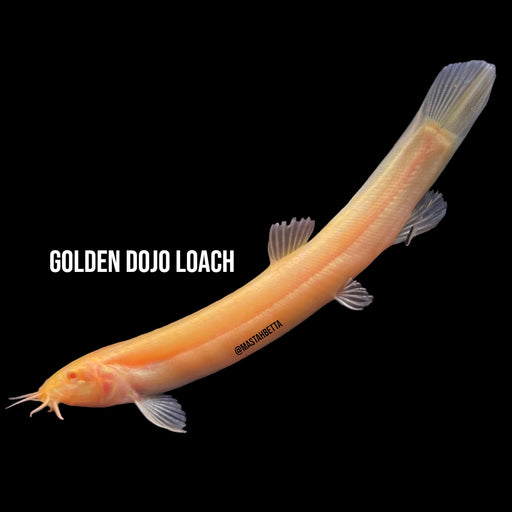
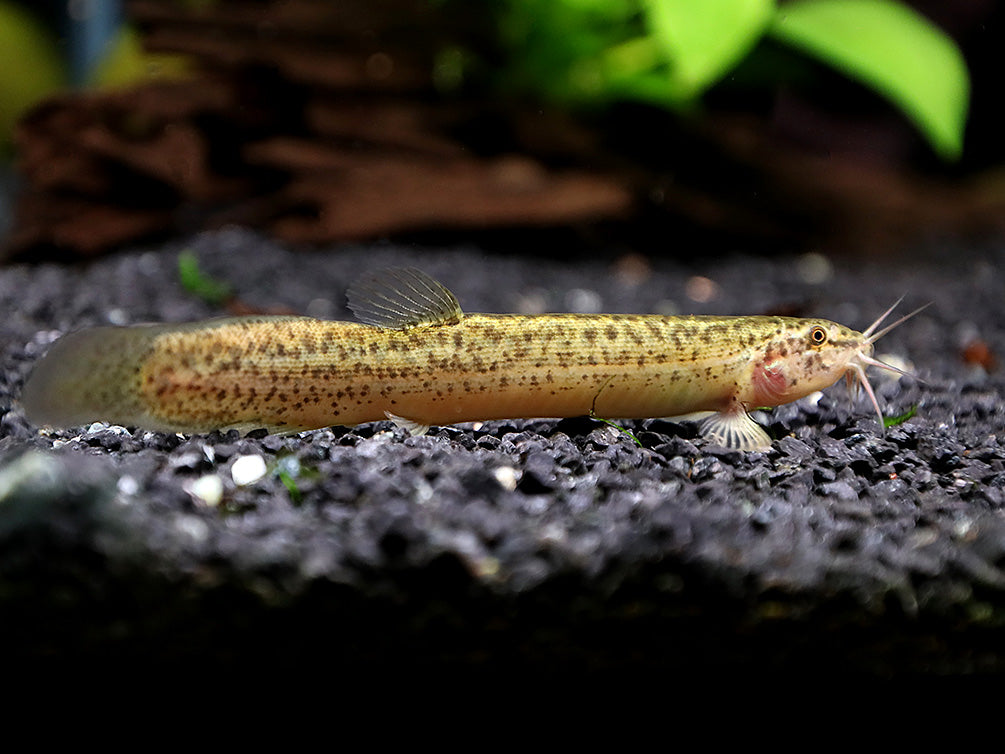
The Dojo Loach has a long, slim body. It can grow up to 12 inches in length. Its color ranges from light brown to golden with darker stripes. The fish has small eyes and barbels around its mouth. These barbels help it find food in the substrate.
Natural Habitat
Dojo Loaches come from slow-moving streams and rice paddies in Asia. They prefer soft, muddy bottoms with plenty of plants. These environments offer shelter and food. The water is usually warm and slightly acidic to neutral. Replicating this habitat in an aquarium helps the fish thrive.
Behavior Traits
Dojo Loaches are calm and social fish. They like to live in groups of three or more. They spend much time digging in the substrate searching for food. At night, they become more active. These fish enjoy hiding under rocks or plants. Their gentle nature makes them good tank mates for other peaceful fish.
Tank Setup
Setting up the right tank is key for a happy Dojo Loach. These fish need space and clean water. A proper tank setup helps them stay healthy and active. It also shows their natural behavior well.
Let’s explore how to prepare the tank for Dojo Loach. Focus on size, substrate, decorations, and water quality. Each part plays a role in their comfort.
Tank Size Recommendations
A tank of at least 20 gallons works well for one or two Dojo Loaches. They like to swim a lot. Bigger tanks suit groups better. A 40-gallon tank keeps them happy and reduces stress. Space matters for their movement and health.
Substrate And Decorations
Soft sand or fine gravel is best for Dojo Loach substrate. They like to dig and burrow gently. Rough or sharp gravel can hurt their delicate skin. Add smooth rocks and driftwood for hiding spots. Live plants provide shelter and improve water quality.
Water Parameters
Dojo Loaches prefer cool, clean water. Keep temperature between 68°F and 75°F. Maintain pH near neutral, around 6.5 to 7.5. Regular water changes help remove toxins. Strong filtration keeps water clear and oxygen-rich. Stable water conditions reduce stress and disease risks.
Feeding Dojo Loach
Feeding Dojo Loach is simple and important for their health. These fish enjoy a varied diet. Proper feeding helps them stay active and colorful. Knowing what and when to feed keeps them happy in the tank.
Diet Preferences
Dojo Loaches like food that sinks to the bottom. They prefer live or frozen foods. Worms and small insects are favorites. They also eat plant matter sometimes. A balanced diet helps them grow strong.
Feeding Schedule
Feed your Dojo Loach once or twice daily. Offer small amounts to avoid leftovers. Remove any uneaten food after a few minutes. This keeps the tank clean and safe. Consistent timing helps them feel secure.
Suitable Foods
Bloodworms, brine shrimp, and daphnia work well. Sinking pellets made for bottom feeders are good. Blanched vegetables like zucchini or cucumber are nice treats. Avoid overfeeding to prevent water pollution. Fresh food keeps Dojo Loaches lively and healthy.

Credit: www.fishlore.com
Health And Maintenance
Keeping your Dojo Loach healthy is key to its happiness. A clean tank and good care help prevent illness. Understanding common health problems lets you act fast. Watch your fish closely for any changes in behavior or appearance.
Common Diseases
Dojo Loaches can get infections like ich and fin rot. Ich looks like tiny white spots on the skin. Fin rot causes the fins to look ragged and torn. Bacterial infections may cause redness or swelling. Treat diseases early with proper medication from a pet store. Quarantine sick fish to stop disease spread.
Tank Cleaning Tips
Clean the tank regularly to keep water healthy. Change 25% of the water every week. Use a gravel vacuum to remove waste from the bottom. Avoid strong chemicals; they can harm your fish. Clean filters monthly but keep some beneficial bacteria. A clean tank reduces stress and disease risks.
Signs Of Stress
Stress in Dojo Loaches shows as hiding or not eating. Erratic swimming or gasping at the surface also signals stress. Color fading or clamped fins are warning signs. Stress lowers immunity and causes illness. Keep water temperature steady and avoid sudden changes. A calm environment helps your loach stay healthy.
Breeding Dojo Loach
Breeding Dojo Loach can be a rewarding experience for aquarium hobbyists. These fish are peaceful and active, making them great for a community tank. Understanding their breeding needs helps ensure success.
Dojo Loach breeding requires specific conditions and careful care of the eggs and fry. Patience and attention to detail are key. This section covers the basics of breeding Dojo Loach.
Breeding Conditions
Dojo Loach prefer cool water temperatures between 65°F and 72°F. The tank should have soft, slightly acidic to neutral water. A tank size of at least 20 gallons is ideal. Provide plenty of hiding spots with plants and smooth stones. Use a gentle filter to avoid strong currents. Mimic seasonal changes by slowly lowering and raising water temperature. This simulates their natural breeding cycle.
Spawning Behavior
Dojo Loach spawn in groups during early morning hours. Males chase females around the tank. The female releases eggs in open spaces or on plants. Males fertilize the eggs immediately. Eggs are small and sticky. They attach to surfaces and hatch in 3 to 5 days. Adults do not guard the eggs and may eat them. Removing adults after spawning increases fry survival.
Raising Fry
Once hatched, fry need very fine food. Start with infusoria or liquid fry food. Gradually introduce baby brine shrimp after a few days. Keep water clean with gentle filtration and regular changes. Maintain stable water temperature and avoid sudden changes. Fry grow slowly and need at least two months to reach juvenile size. Separate them from adults to prevent stress and competition.
Credit: aquaticarts.com
Tank Mates
Choosing the right tank mates for your Dojo Loach ensures a peaceful aquarium. These fish enjoy calm, social environments. The wrong companions can cause stress and fights. Careful selection helps keep your tank balanced and happy.
Compatible Fish Species
Dojo Loaches get along well with peaceful fish. Good options include tetras, danios, and rasboras. Catfish and small gouramis also work well. Avoid aggressive or very large fish. These loaches prefer calm and gentle neighbors.
Avoiding Aggression
Keep an eye on fish behavior daily. Signs of stress include hiding or chasing. Separate aggressive fish quickly to prevent harm. Provide plenty of hiding spots to reduce tension. Feeding on time helps keep fish calm and friendly.
Community Tank Tips
Use a tank at least 30 gallons for your Dojo Loach. Add plants and smooth rocks for shelter. Keep the water clean with regular changes. Avoid overcrowding to reduce fights. A balanced tank supports healthy, happy fish.
How Smart Pets Lover Can Help You with Dojo Loach
Turning Dojo Loach Care into a Learning Experience
Understanding the Dojo Loach’s unique behaviors and needs offers more than just better care—it opens up practical learning opportunities for any pet parent. For instance, setting up their tank with the right substrate and hiding spots not only keeps your loach happy but teaches you the importance of creating environments tailored to each species. Observing their feeding habits can deepen your understanding of aquatic nutrition and the balance required to maintain a healthy ecosystem.
- Monitoring health signs encourages attentiveness and helps develop early intervention skills.
- Exploring breeding behaviors fosters patience and appreciation for the natural cycles in fish care.
At Smart Pets Lover, we believe every pet care journey can be a chance to grow your knowledge and connection with your aquatic companions. If you ever need more guidance, feel free to reach out—our community is here to support your learning path, one wag, purr, and swim at a time.
Frequently Asked Questions
What Is A Dojo Loach Fish?
A Dojo Loach is a freshwater fish native to East Asia. It is known for its elongated body and peaceful nature. They are bottom dwellers and help clean tank debris. Dojo Loaches are popular in aquariums due to their unique appearance and behavior.
How Big Do Dojo Loach Grow?
Dojo Loaches typically grow up to 12 inches (30 cm) in length. Their size depends on tank conditions and diet. They require spacious tanks to thrive. Proper care ensures healthy growth and a long lifespan.
What Tank Conditions Suit Dojo Loach?
Dojo Loaches prefer soft, slightly acidic to neutral water (pH 6. 5-7. 5). They thrive in temperatures between 68°F and 75°F (20-24°C). A sandy substrate and hiding spots like plants or caves are ideal. Clean water with good filtration is essential.
What Do Dojo Loach Eat?
Dojo Loaches are omnivores and eat a variety of foods. Their diet includes sinking pellets, live or frozen worms, and vegetables. They help control detritus and algae in the tank. Feeding them twice daily in small amounts works best.
Conclusion
Dojo Loaches make great pets for freshwater tanks. They stay active and help keep the tank clean. These fish enjoy hiding and swimming in groups. Feeding them is simple with common fish foods. Their peaceful nature suits community aquariums well.
Caring for Dojo Loaches brings joy and interest. A healthy tank means happy and lively fish. Try adding them to your aquarium for fun. They add life and movement to any setup. A small effort brings big rewards with Dojo Loaches.