How To Make Driftwood For Aquarium
If you want to give your aquarium a natural, stylish look, driftwood is a perfect choice. But buying driftwood can be expensive or hard to find.
What if you could make your own? Imagine adding unique pieces that fit your tank perfectly and bring a touch of nature right into your home. In this guide, you’ll discover simple, effective steps to create driftwood that’s safe and beautiful for your aquarium.
Keep reading, and you’ll learn how to transform ordinary wood into stunning underwater décor your fish will love.
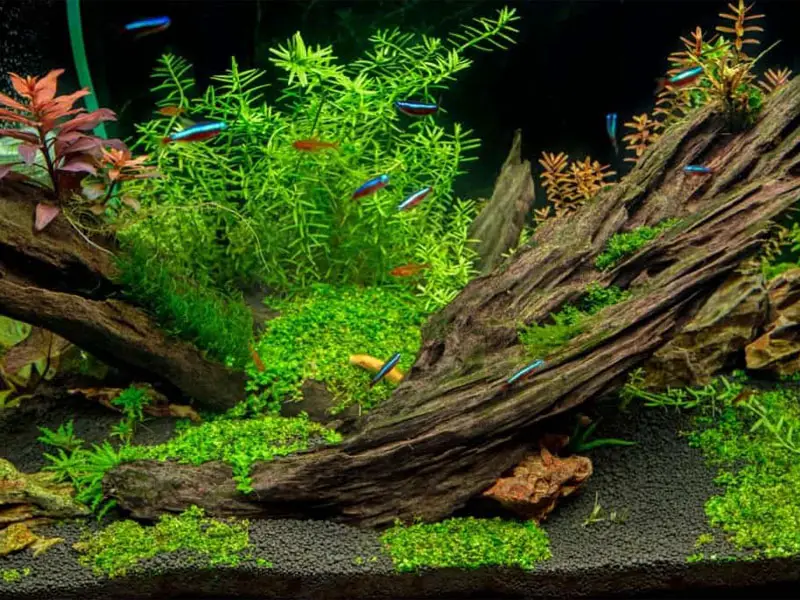
Credit: www.fishkeepingworld.com
Choosing The Right Wood
Choosing the right wood is the first step to make safe and attractive driftwood for your aquarium. The wood must not harm your fish or water quality. It should also look natural and fit well in your tank. Picking the correct type helps avoid problems like water cloudiness or fish illness. Size and shape matter too. They affect how the wood fits and looks in the aquarium.
Safe Wood Types
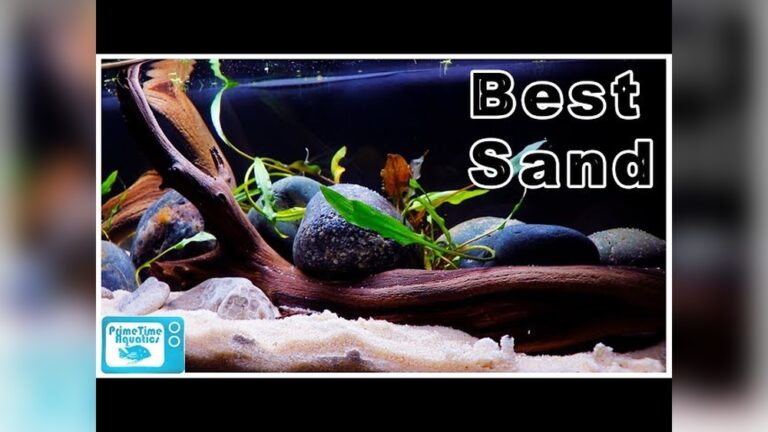
Some woods are safe for aquariums. These include manzanita, mopani, and spider wood. They do not release harmful chemicals. These woods also sink well and last longer underwater. Oak and driftwood from riverbanks are good choices too. Always choose wood that is free from pesticides or chemicals.
Avoiding Toxic Woods
Some woods are harmful to fish. Pine, cedar, and fir have resins that poison fish. Avoid any wood that smells strong or sticky. Wood treated with chemicals or paint is unsafe. Do not use wood that rots quickly or feels soft. Such wood can release toxins and dirty the water.
Size And Shape Considerations
The size of the wood should match your aquarium. Large pieces can crowd the tank or block light. Small pieces may float or get lost in gravel. Choose shapes that create hiding spots for fish. Curved or twisted branches look natural and interesting. Make sure the wood fits without sharp edges that could hurt fish.
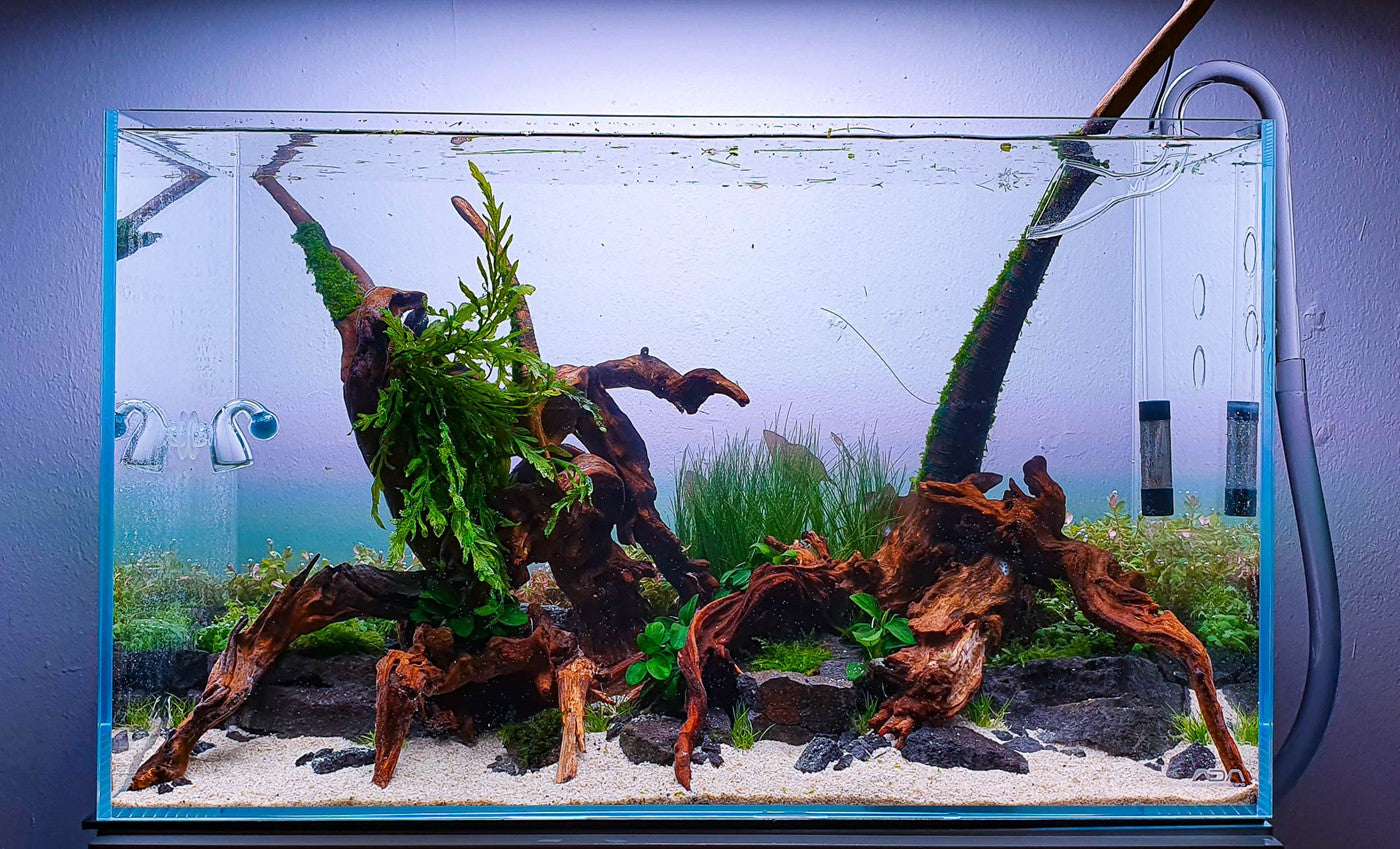
Credit: splashyfishstore.com
Preparing Driftwood
Preparing driftwood is an important step before placing it in your aquarium. It helps keep the water clean and safe for your fish. Proper preparation removes dirt, pests, and harmful substances. This process also makes sure the wood looks good and lasts longer underwater.
Cleaning And Scrubbing
Start by rinsing the driftwood under running water. Use a soft brush to scrub the surface gently. Focus on removing dirt, algae, and any small insects. Avoid using soap or chemicals as they can harm your fish. Clean all sides of the wood carefully.
Removing Bark And Debris
Check the driftwood for loose bark or debris. Bark can decay and pollute the water. Use a knife or your fingers to peel off any loose pieces. Remove leaves, dirt, or small twigs stuck to the wood. This keeps the aquarium water clear and safe.
Soaking Techniques
Soak the driftwood in a large container filled with water. Change the water every day to remove tannins. Tannins can turn the water brown but are not harmful. Soaking also helps wood become waterlogged and sink easily. Leave the wood in water for at least one week.
Curing And Sterilizing
Curing and sterilizing driftwood is a key step before placing it in your aquarium. This process removes harmful bacteria, parasites, and tannins that can cloud the water. Proper treatment keeps your fish safe and the tank clean. There are simple ways to cure and sterilize driftwood at home. Choose a method that fits your time and resources.
Boiling Methods
Boiling driftwood kills germs and loosens tannins. Use a large pot filled with water. Place the wood inside and boil for 1 to 2 hours. Check the water level often and add more if needed. After boiling, let the wood cool in clean water. This method is fast and effective for small to medium pieces.
Sun Drying
Sun drying is a natural way to cure driftwood. Place the wood outside in direct sunlight. Leave it for several days, turning it daily. Sunlight helps kill bacteria and dries out the wood. This process also reduces tannin release. It takes longer but uses no chemicals or energy.
Using Bleach Safely
Bleach kills all bacteria and parasites quickly. Mix one part bleach with 20 parts water. Soak the driftwood in this solution for 15 to 20 minutes. Do not soak longer to avoid damage. Rinse the wood thoroughly with fresh water several times. Soak the wood in clean water for a few days, changing water daily. This removes bleach residues before placing the wood in the tank.
Testing Driftwood For Aquarium Use
Testing driftwood before adding it to your aquarium helps keep fish safe and water clean. Driftwood can release substances that change water quality. It may also affect the water’s pH or grow unwanted mold and fungus. Careful testing ensures the driftwood is ready for your tank.
Water Leaching Tests
Place the driftwood in a bucket of water for several days. Check the water color and smell often. Dark, tea-colored water is normal but should clear over time. Change the water daily to reduce tannins. If the water stays dark after a week, soak the wood longer. This helps remove harmful substances before use.
Ph Impact
Driftwood can lower aquarium pH, making water more acidic. Test the water’s pH before and after adding driftwood to the soak water. Use a simple pH test kit for this. If pH drops too much, the driftwood may not be safe for your fish. Soak the wood longer or choose a different piece. Stable pH helps keep fish healthy.
Monitoring For Mold And Fungus
Check driftwood for mold or fungus during soaking. White or green fuzzy spots may appear on the wood surface. This is common and not always harmful. Remove visible mold with a soft brush. Rinse the wood well to stop mold growth. Keep the wood in a well-ventilated area to dry if needed. Avoid using driftwood with strong mold smells in your tank.
Placing Driftwood In The Aquarium
Placing driftwood in your aquarium is an important step. It affects both the look and the health of your tank. Driftwood creates hiding spots for fish and helps balance the water’s chemistry. Careful placement ensures your aquarium looks natural and stays safe for its inhabitants.
Positioning Tips
Place driftwood where it fits the tank’s size. Avoid blocking filters or heaters. Position it to create natural hiding places for fish. Use the driftwood to add height or layers in your tank. Think about how the wood will look from different angles. Keep open spaces for fish to swim freely.
Securing Driftwood
Driftwood may float at first. Soak it in water until it sinks. Use aquarium-safe glue or suction cups to keep it steady. Anchor it with rocks or heavy decorations if needed. Make sure it won’t move and hurt fish. Stability helps keep your tank safe and tidy.
Combining With Plants And Decorations
Driftwood looks great with live plants. Attach moss or ferns to the wood for a natural look. Place plants around the base to hide anchors. Use decorations that match the wood’s color and texture. Create a balanced scene that feels like a real underwater world. This helps fish feel comfortable and happy.
Maintaining Driftwood In Aquariums
Maintaining driftwood in aquariums keeps the environment safe and attractive. Driftwood can collect dirt, algae, and other residues over time. Proper care helps preserve its natural look and benefits aquatic life. Regular attention prevents decay and keeps the tank balanced.
Cleaning Routine
Clean driftwood regularly to remove buildup. Use a soft brush or sponge to scrub its surface gently. Avoid harsh chemicals that can harm fish and plants. Rinse the wood with warm water before placing it back. This simple routine keeps driftwood healthy and clean.
Preventing Algae Growth
Algae can cover driftwood and spoil the tank’s look. Reduce light exposure to slow algae growth. Use algae-eating fish or snails to control buildup naturally. Remove visible algae during water changes. These steps help keep driftwood clear and attractive.
Replacing Driftwood When Needed
Driftwood may decay or break after long use. Watch for soft spots, discoloration, or foul smell. Replace damaged driftwood to avoid water quality issues. Choose similar types for a natural aquarium look. Timely replacement ensures a healthy tank environment.

Credit: www.youtube.com
How Smart Pets Lover Can Help You with How To Make Driftwood For Aquarium
Turning Driftwood Crafting into a Learning Experience
Creating driftwood for your aquarium isn’t just a task—it’s an opportunity to deepen your connection with your aquatic friends. When you carefully select and prepare the right wood, you’re already stepping into a world of practical learning about natural materials and their impact on aquatic environments. Remember, curing and sterilizing driftwood isn’t just about safety; it’s about understanding how to maintain a balanced and healthy ecosystem inside your tank.
As you test and place your driftwood, take time to observe how it interacts with your fish and plants. This hands-on approach nurtures a greater appreciation for responsible pet ownership, a core value for those of us at Smart Pets Lover who believe every pet’s story deserves thoughtful care.
- Experiment with different wood types and curing times to see what suits your aquarium best.
- Document your observations to track how your choices affect water quality and fish behavior.
- Engage with fellow pet parents or experts to share insights and refine your techniques.
If you ever need friendly advice or detailed information, reaching out to communities or resources like Smart Pets Lover can provide that warm, trustworthy support every pet enthusiast appreciates.
Frequently Asked Questions
What Type Of Wood Is Best For Aquarium Driftwood?
Hardwoods like Malaysian driftwood, Mopani, and Manzanita are ideal. They are durable, safe, and do not release harmful substances. Avoid softwoods that may decay quickly or leach resins into the water, harming fish.
How Do I Prepare Driftwood Before Placing It In Aquariums?
Clean driftwood thoroughly by scrubbing to remove debris. Boil it for 1-2 hours to kill pathogens and leach tannins. Soak it for several days, changing water regularly to reduce discoloration and improve water quality.
Can I Make Driftwood Safe Without Boiling?
Yes, soaking driftwood for weeks can reduce tannins and contaminants. Change the water often during soaking. However, boiling is faster and more effective to sterilize and prepare the wood for aquarium use.
How Long Does Driftwood Last In An Aquarium?
Properly prepared driftwood can last for years in an aquarium. Its durability depends on wood type, water conditions, and maintenance. Regular cleaning and water changes help preserve it and prevent decay or algae growth.
Conclusion
Making driftwood for your aquarium is simple and rewarding. Clean wood adds a natural look and helps fish feel at home. Always prepare driftwood carefully to avoid harming your aquatic pets. Soak and boil it to remove dirt and tannins.
This process keeps your water clear and safe. With patience, your aquarium will look beautiful and healthy. Enjoy creating a peaceful underwater world right in your home. Driftwood brings life and charm to every tank. Try it today and see the difference.