Rainbowfish Types
If you’re curious about adding vibrant colors to your aquarium, understanding the different rainbowfish types is the first step. These fish are known for their stunning hues and lively behavior, making your tank come alive.
But with so many species out there, which ones are right for you? This guide will help you discover the most popular rainbowfish varieties, their unique traits, and how to care for them. By the end, you’ll feel confident choosing the perfect rainbowfish to brighten your underwater world.
Keep reading to unlock the secrets behind these dazzling swimmers!
:strip_icc()/GettyImages-1197305698-cc130bb80a724bee84466871070ff328.jpg)
Credit: www.thesprucepets.com
Popular Rainbowfish Species
Rainbowfish are popular in home aquariums for their bright colors and peaceful nature. Many species come from Australia and New Guinea. Each type has unique colors and patterns that attract fish lovers worldwide. These fish are easy to care for and add beauty to any tank.
Boesemani Rainbowfish
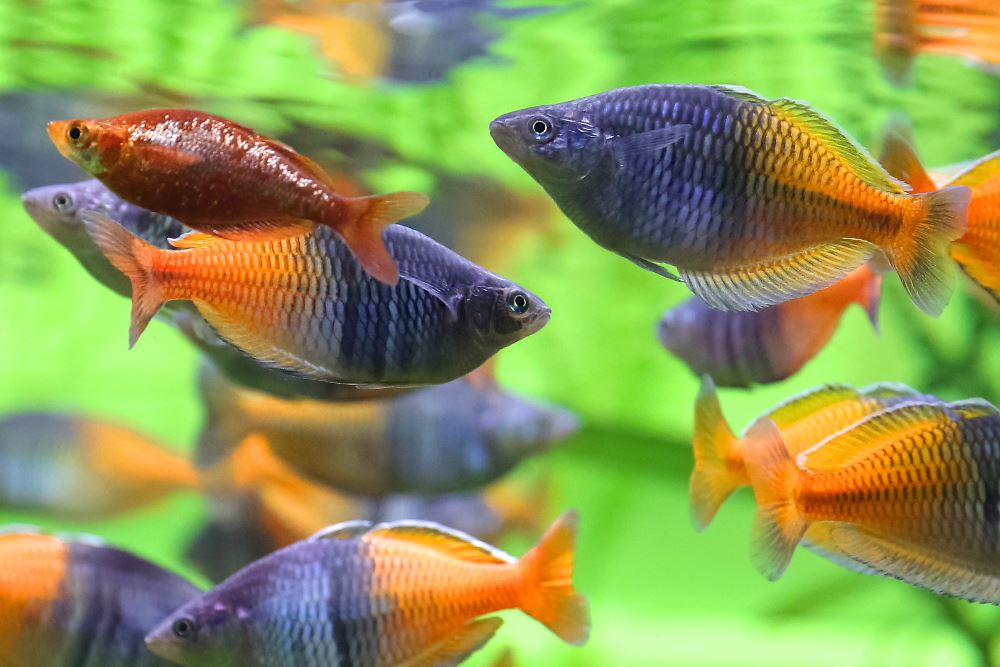
Boesemani Rainbowfish have a bold look. Their front half is blue, and the back half is orange. This color blend makes them stand out. They grow up to 4 inches long. These fish like clean water and plenty of space to swim.
Neon Rainbowfish
Neon Rainbowfish are smaller and very bright. Their bodies shine with blue and green hues. They are active swimmers and enjoy groups. Neon Rainbowfish prefer planted tanks with gentle water flow. Their vivid colors light up any aquarium.
Turquoise Rainbowfish
Turquoise Rainbowfish show a lovely green-blue shade. They have a sleek, slim body shape. These fish can grow about 5 inches long. Turquoise Rainbowfish thrive in well-maintained tanks with soft plants. Their peaceful nature makes them good community fish.
Melanotaenia Rainbowfish
Melanotaenia is a large group of Rainbowfish species. They have a wide range of colors, from yellow to red. These fish are hardy and adapt well to many tank setups. Melanotaenia fish enjoy swimming in schools and are very social.
Physical Characteristics
Rainbowfish are known for their bright and shiny bodies. Their physical traits make them popular in home aquariums. Each type shows unique features that attract fish lovers. Understanding these traits helps to identify different rainbowfish species easily.
Color Variations
Rainbowfish display many colors. Shades of blue, green, red, and yellow are common. Some species have a shiny, metallic look. Colors often change with light and mood. Bright colors appear more during breeding times.
Size And Shape
Rainbowfish vary in size. Most grow between 2 to 4 inches long. Their bodies are slender and oval-shaped. Some have a tall, narrow body, while others look rounder. Their fins are usually long and flowing.
Sexual Dimorphism
Male and female rainbowfish look different. Males are often more colorful and larger. Females usually have duller colors and smaller fins. These differences help fish choose mates in the wild.
Natural Habitats
Rainbowfish thrive in various natural habitats. These vibrant fish live in clean, fresh water. Their habitats provide food, shelter, and breeding grounds. Understanding these environments helps in caring for rainbowfish properly.
Freshwater Rivers
Many rainbowfish species live in freshwater rivers. These rivers have clear, flowing water. The water temperature stays steady and warm. Plants grow along the riverbanks, giving shelter and food. The current helps keep the water clean and oxygen-rich. Rainbowfish swim actively among rocks and plants.
Lakes And Streams
Lakes and streams also serve as homes for rainbowfish. Lakes provide calm waters with plenty of plant life. Streams offer gentle flowing water and a mix of sunlight and shade. Both habitats support insects and small animals for food. Rainbowfish use plants and rocks to hide from predators.
Geographic Distribution
Rainbowfish live mainly in Australia, New Guinea, and nearby islands. Each species adapts to its local water conditions. Some live only in small areas, while others spread across wide regions. The variety of habitats in these places creates rich diversity. This spread makes rainbowfish a popular choice for aquariums worldwide.
Behavioral Traits
Rainbowfish are known for their bright colors and lively behavior. Understanding their behavioral traits helps in caring for them properly. These fish show unique actions in groups, feeding, and breeding.
Knowing these traits makes keeping rainbowfish easier and more enjoyable.
Schooling Habits
Rainbowfish prefer to swim in groups called schools. They feel safer and less stressed in numbers. Schools help protect them from predators. They move together smoothly, making a colorful display. Keep at least six rainbowfish together for a happy tank.
Feeding Patterns
Rainbowfish are active eaters during the day. They eat small insects, flakes, and pellets. Feed them small amounts two to three times daily. They like to search for food near the water surface. Avoid overfeeding to keep water clean and fish healthy.
Breeding Behavior
Rainbowfish breed by scattering eggs over plants or gravel. Males show bright colors to attract females. They perform a chasing dance to court. After spawning, adults may eat the eggs. Use a breeding tank to protect the eggs and fry.
Care Requirements
Rainbowfish are beautiful and lively aquarium fish. Their care needs are simple but important. Meeting these needs helps them stay healthy and colorful. This section explains how to care for rainbowfish properly.
Tank Setup
Choose a tank size of at least 30 gallons. Rainbowfish need space to swim actively. Use a secure lid to prevent jumping. Provide plants and hiding spots for comfort. Avoid sharp decorations that may harm them.
Water Conditions
Maintain water temperature between 74°F and 78°F. Keep pH levels from 6.5 to 8.0 for best health. Use a good filter to keep water clean. Change 25% of water every two weeks. Monitor water hardness and adjust as needed.
Diet And Nutrition
Feed rainbowfish a varied diet for good health. Use high-quality flakes or pellets as main food. Add live or frozen foods like brine shrimp or bloodworms. Feed small amounts two times daily. Remove uneaten food to prevent water pollution.
:strip_icc()/GettyImages-615747700-2373b6476c69438481c331486b50ed18.jpg)
Credit: www.thesprucepets.com
Common Health Issues
Rainbowfish are colorful and lively aquarium favorites. They can face health problems that affect their bright colors and activity. Knowing common health issues helps keep them healthy and happy. Watch for early signs to protect your fish and their tank environment.
Disease Prevention
Clean water is key to disease prevention. Change tank water regularly and remove waste. Avoid overcrowding to reduce stress and illness. Use a good filter to keep the water clear. Feed balanced food to boost your fish’s immune system. Quarantine new fish before adding them to the tank.
Signs Of Stress
Stress shows in behavior and appearance. Fish may hide more or swim less. Loss of color or dullness is common. Gasping at the water surface can mean low oxygen. Look for clamped fins or abnormal swimming. Stress weakens fish and leads to disease.
Treatment Options
Act fast when you see signs of illness. Use medications designed for freshwater fish. Follow dosage instructions carefully to avoid harm. Increase aeration to improve oxygen in the tank. Perform partial water changes to lower toxins. Separate sick fish to stop disease spread.
Breeding Rainbowfish
Breeding rainbowfish can be a rewarding experience. These colorful fish are not hard to breed. They show interesting behaviors during spawning. Setting the right environment helps ensure success. Patience and care make a big difference.
Spawning Conditions
Rainbowfish need clean, warm water to spawn. The ideal temperature is about 78 to 82°F (25 to 28°C). Soft, slightly acidic water encourages breeding. Provide plenty of plants or spawning mops. These give the fish places to lay eggs. Keep the tank quiet and stable. Avoid sudden changes in water or light.
Egg Care
After spawning, remove adults to protect eggs. Eggs stick to plants or spawning material. They hatch in two to seven days. Keep the water clean and oxygen-rich. Use a gentle air stone for circulation. Remove any fungus or dead eggs quickly. This helps keep the batch healthy.
Raising Fry
Fry are tiny and need special care. Feed them small food like infusoria or liquid fry food. After a week, introduce baby brine shrimp or crushed flakes. Change water often to keep it clean. Provide gentle water flow to avoid stress. Watch growth and remove sick fry fast.
Credit: www.aquariumcoop.com
How Smart Pets Lover Can Help You with Rainbowfish Types
Exploring Rainbowfish Types: A Hands-On Learning Journey
Understanding the diverse Rainbowfish types opens up wonderful opportunities for practical learning—especially when you consider their unique physical characteristics and natural habitats. Observing how different species behave and adapt can teach us so much about aquatic ecosystems and responsible pet care. For instance, by studying their behavioral traits, you’ll gain insights into their social needs and ideal tank setups, helping you create a thriving environment.
As passionate pet lovers ourselves at Smart Pets Lover, we know that diving deeper into care requirements and common health issues not only strengthens your bond with these vibrant fish but also builds your confidence as a pet parent. It’s a rewarding experience to watch your Rainbowfish flourish, knowing you’ve provided the right conditions.
- Document your observations on how water parameters affect each species.
- Try replicating natural habitats to see how it influences their behavior.
- Keep track of breeding patterns to understand their life cycles better.
If you’re ever curious or need a helping hand, reaching out to aquatic specialists or communities can make all the difference. At Smart Pets Lover, we’re here to support your journey toward a deeper connection with your Rainbowfish, where every splash tells a story.
Frequently Asked Questions
What Are The Most Popular Rainbowfish Types?
The most popular rainbowfish types include the Boesemani, Melanotaenia, and Dwarf Neon Rainbowfish. These species are known for their vibrant colors and peaceful nature, making them ideal for freshwater aquariums and beginner fish keepers.
How Do Rainbowfish Types Differ In Color?
Rainbowfish types differ in color based on species and habitat. Colors range from bright blues and reds to yellows and greens. Their iridescent scales reflect light uniquely, creating a shimmering rainbow effect that varies by type and environment.
Which Rainbowfish Types Are Best For Beginners?
Boesemani and Dwarf Neon Rainbowfish are best for beginners. They adapt well to aquarium life, are hardy, and have peaceful temperaments. These types require moderate care and thrive in community tanks, making them perfect for novice fish enthusiasts.
What Size Do Different Rainbowfish Types Grow?
Rainbowfish types vary in size, typically ranging from 2 to 6 inches. For example, the Boesemani grows up to 4 inches, while Melanotaenia species can reach 6 inches. Size depends on species, diet, and tank conditions.
Conclusion
Rainbowfish come in many bright colors and shapes. Each type has unique features that make it special. They are peaceful and easy to care for in home aquariums. Choosing the right type depends on your tank size and water needs.
These fish add beauty and life to any aquarium setup. Enjoy watching their lively movements and vibrant colors daily. Caring for rainbowfish can bring joy and calm to your space. Explore different types to find your favorite one.