Dragon Fish
Have you ever seen a fish that looks like it came straight from a fantasy story? The dragon fish is one of the most fascinating and mysterious creatures in the water.
Its unique appearance and behavior will surprise you. If you want to know what makes the dragon fish so special and why it captures the attention of aquarium lovers and marine experts alike, keep reading. This article will reveal secrets about the dragon fish that will change how you see the underwater world forever.

Credit: marinemadnessdotblog.wordpress.com
Dragon Fish Species
Dragon fish species are fascinating creatures found in various waters worldwide. They are known for their unique looks and deep-sea lifestyle. Understanding these species helps us appreciate their role in the ocean.
Each type has special traits that make it stand out. Their physical features and habitats vary, showing nature’s diversity in the deep sea.
Types And Varieties
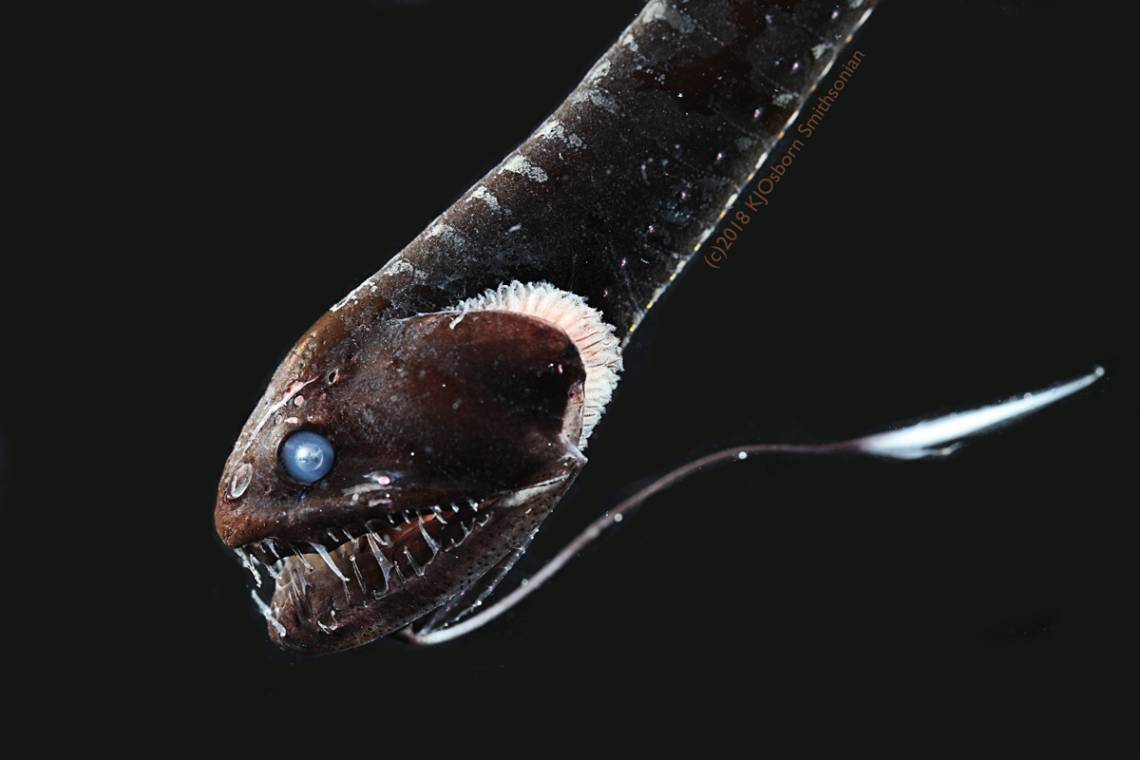
Dragon fish come in many types. Some popular species include the Black Dragonfish, the Barbeled Dragonfish, and the Scaleless Dragonfish. Each species has different sizes and shapes. They may have sharp teeth or long whiskers. These features help them survive in dark ocean zones.
Physical Characteristics
Dragon fish often have long, slender bodies. Their skin is usually dark or black to blend in deep water. Many have glowing parts that light up. This bioluminescence attracts prey or scares enemies. Sharp teeth and large mouths help them catch food easily. Some have whisker-like barbels for sensing their surroundings.
Habitat And Distribution
Dragon fish live mainly in deep ocean zones. They prefer cold, dark waters far below the surface. These fish are found in oceans worldwide, especially in the Atlantic and Pacific. Their depth ranges from 200 meters to over 2000 meters. The deep sea offers safety and food for these unique fish.

Credit: australian.museum
Behavior And Diet
The dragon fish is a fascinating creature with unique habits. Understanding its behavior and diet helps us appreciate it more. This fish lives in deep, dark waters and has special ways to survive there.
Its feeding habits, social behavior, and breeding patterns all play a role in its life. Each aspect shows how well the dragon fish adapts to its environment.
Feeding Habits
The dragon fish is a predator. It hunts smaller fish and crustaceans. Its sharp teeth help catch prey easily. The fish uses bioluminescence to lure prey closer. It waits patiently in the dark, then strikes quickly.
It can open its mouth wide to swallow large prey. This ability helps it survive in food-scarce deep waters. The diet mainly includes small fish and plankton.
Social Behavior
Dragon fish are mostly solitary. They prefer to live alone in deep sea zones. They use light signals to communicate with others. These signals help in mating and warning rivals.
Though solitary, they sometimes gather in small groups. This usually happens during feeding or breeding seasons. Each fish defends its territory fiercely.
Breeding Patterns
Breeding happens in deep, cold waters. Females lay eggs that float near the surface. Males fertilize the eggs externally. The eggs hatch into larvae that drift with ocean currents.
The young dragon fish grow slowly. They develop bioluminescent organs early for survival. Breeding is seasonal and linked to water temperature changes.
Care In Aquariums
Dragon Fish are beautiful and unique pets for aquarium lovers. Caring for them needs attention to details. Proper care helps them live longer and stay healthy.
Setting up the right environment is very important. Their tank should mimic their natural habitat. Water quality and feeding habits also play a big role. Knowing common health problems helps catch issues early.
Tank Setup
Choose a tank of at least 30 gallons for one Dragon Fish. Use a dark substrate to reduce stress. Add plants and hiding spots to make the fish feel safe. A gentle filter is best to keep water clean without strong currents.
Water Conditions
Keep the water temperature between 74 and 82 degrees Fahrenheit. Maintain pH levels around 6.5 to 7.5. Regular water changes are needed to keep nitrate levels low. Test water weekly to avoid sudden changes.
Feeding Tips
Feed Dragon Fish small live or frozen foods. Bloodworms, brine shrimp, and daphnia work well. Feed them twice a day in small amounts. Remove leftover food to keep water clean. Avoid overfeeding to prevent health problems.
Common Health Issues
Watch for signs of fin rot, which causes torn fins. Ich is a common parasite that shows as white spots. Poor water quality can cause stress and illness. Quarantine new fish before adding them to the tank.
Cultural Significance
The Dragon Fish holds a special place in many cultures. It is admired not just for its beauty but also for its meaning. People see it as a symbol of strength and luck. Its presence in stories and art adds to its importance.
Many cultures believe the Dragon Fish brings good fortune. Its unique look and graceful movement inspire artists and fishkeepers alike. The cultural impact of this fish goes beyond its appearance.
Mythology And Symbolism
In Asian cultures, the Dragon Fish symbolizes power and protection. It is often linked to dragons, which represent wisdom. Some legends say the fish can transform into a dragon. This idea shows its connection to change and growth.
The fish also stands for luck in business and life. Many people keep it to attract good energy. Its image appears in festivals and traditional art, showing its deep roots in culture.
Role In Aquatic Art
Artists use the Dragon Fish as a subject for paintings and sculptures. Its flowing fins and bright colors make it a favorite. The fish’s shape allows for creative designs that capture movement.
In aquariums, the fish becomes living art. Its presence adds beauty and life to indoor spaces. This connection between nature and art makes it a symbol of harmony.
Popularity In Fishkeeping
The Dragon Fish is popular among fishkeepers worldwide. Its unique look and calm behavior attract many hobbyists. It fits well in home aquariums and public tanks.
Care for this fish requires attention to water quality and diet. Fishkeepers enjoy the challenge and reward of keeping it healthy. The Dragon Fish’s popularity continues to grow due to its charm and cultural value.
Credit: today.duke.edu
How Smart Pets Lover Can Help You with Dragon Fish
Exploring Dragon Fish: A Hands-On Learning Journey
Understanding the fascinating Dragon Fish goes beyond just knowing its species or diet. For pet parents eager to deepen their connection, observing their behavior in a well-maintained aquarium offers a practical classroom. Watching how these majestic fish interact with their environment can teach patience and attentiveness—key skills in responsible pet ownership.
Care routines provide another rich opportunity to learn. From maintaining water quality to selecting the right diet, every step enhances your knowledge about aquatic life support systems. Embracing these practices fosters a deeper appreciation for the cultural significance tied to Dragon Fish, often seen as symbols of strength and good fortune.
- Keep a journal of your Dragon Fish’s behavior and health changes
- Research and experiment with natural feeding habits
- Connect with fellow enthusiasts for shared insights and advice
At Smart Pets Lover, we believe that every interaction with your pet is a chance to learn and grow together. If you have questions or want to share your experiences, feel free to reach out—because where every wag, purr, and chirp tells a story, every splash has its own lesson too.
Frequently Asked Questions
What Is A Dragon Fish?
A Dragon Fish is a deep-sea fish known for its bioluminescent features. It lives in dark ocean depths. Its glowing body helps attract prey and mates. The species is fascinating due to its unique adaptations to extreme environments.
Where Do Dragon Fish Typically Live?
Dragon Fish usually inhabit deep ocean waters, often below 200 meters. They prefer cold, dark environments. These depths provide safety from predators and abundant prey. Their glowing features help them survive in such darkness.
How Does A Dragon Fish Produce Light?
Dragon Fish produce light using bioluminescent organs called photophores. These organs emit chemical light reactions. The light attracts prey and confuses predators. It also aids communication among Dragon Fish in dark waters.
What Do Dragon Fish Eat?
Dragon Fish primarily eat small fish and crustaceans. They use their glowing features to lure prey closer. Their sharp teeth help catch and hold slippery prey. Their diet supports survival in nutrient-scarce deep-sea environments.
Conclusion
Dragon fish are fascinating creatures with unique features. They live deep in the ocean where light is scarce. Their glowing bodies help them find food and mates. These fish show how life adapts to harsh environments. Learning about them brings us closer to ocean mysteries.
Protecting their habitats keeps these amazing animals safe. Exploring the dragon fish’s world sparks curiosity and respect for nature. Their story reminds us how diverse and special ocean life can be.