What Do Tadpoles Eat
Have you ever wondered what tadpoles eat as they grow from tiny eggs into frogs? Knowing what to feed these little creatures is key if you want to watch them thrive.
Whether you’re caring for tadpoles at home or just curious about their diet, understanding their eating habits can surprise you. You’ll discover exactly what tadpoles need to stay healthy and grow strong—so keep reading to unlock the secrets of their unique diet.
Tadpole Diet Basics
Tadpoles have a unique diet that supports their growth and development. Their eating habits change as they grow into frogs. Understanding what tadpoles eat helps in keeping them healthy. This section explains the basic diet of tadpoles and what they need to thrive.
Typical Food Sources
Tadpoles mostly eat plants and tiny bits of organic matter. Algae is a common food source found in ponds and streams. They also nibble on decaying leaves and plant material. Small water insects or larvae can be part of their diet too. Tadpoles scrape food off rocks and plants using their tiny mouths.
Nutritional Needs
Tadpoles need nutrients for strong bones and muscles. They require proteins, fats, and carbohydrates in their diet. Algae and plants provide essential vitamins and minerals. Protein from small insects helps with faster growth. Clean water is important to digest their food properly. Balanced nutrition supports their transformation into adult frogs.

Credit: rainydaymum.co.uk
Diet Changes During Growth
Tadpoles do not eat the same food throughout their life. Their diet changes as they grow. These changes are important for their development into frogs. Understanding these shifts helps in caring for tadpoles properly.
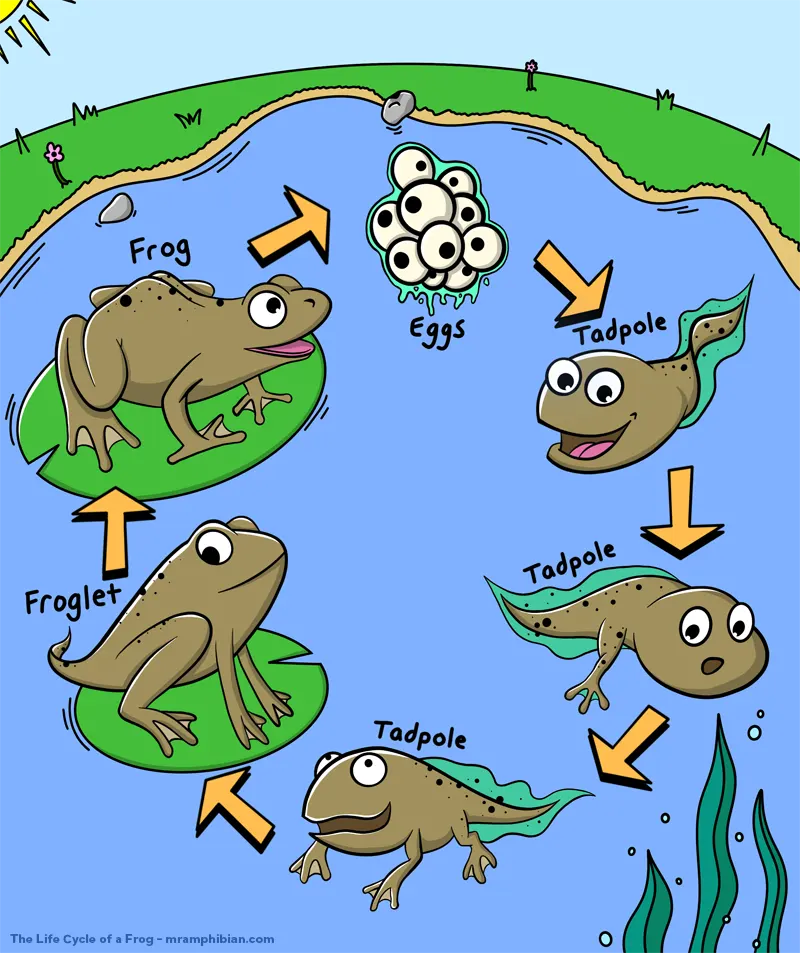
At first, tadpoles eat mostly plants. Later, they start to eat animal matter too. This gradual change matches their growing bodies and needs.
From Herbivore To Omnivore
Young tadpoles are mostly herbivores. They eat algae, plants, and tiny bits of leaves. These foods give them energy to grow fast.
As tadpoles grow legs and lungs, their diet shifts. They begin to eat small insects, tiny worms, and other animal matter. This makes them omnivores. Eating both plants and animals helps them gain more protein.
Feeding Behavior Shifts
Small tadpoles mostly graze on surfaces. They scrape algae off rocks or plants. Their mouths are shaped for this type of feeding.
Older tadpoles hunt or scavenge. They can catch small prey or eat dead animals. Their mouths and digestive system change to handle this varied diet.
These feeding changes prepare tadpoles for life as frogs. Frogs need strong muscles and energy to jump and catch food.
Feeding Tadpoles In Captivity
Feeding tadpoles in captivity requires care and attention. These young amphibians have special dietary needs. Providing the right food helps them grow healthy and strong. It also supports their development into frogs.
Knowing what to feed and how often is important. Proper feeding keeps the water clean and reduces stress for tadpoles. It creates a safe environment for them to thrive.
Suitable Foods For Pet Tadpoles
Tadpoles mainly eat plants and algae in the wild. In captivity, offer boiled lettuce, spinach, or cucumber. These vegetables provide essential nutrients. Small amounts of fish flakes or algae wafers also work well.
Some tadpoles enjoy tiny bits of cooked egg yolk. Avoid giving them processed or salty foods. Fresh, natural options keep tadpoles healthy and active.
Feeding Frequency And Portions
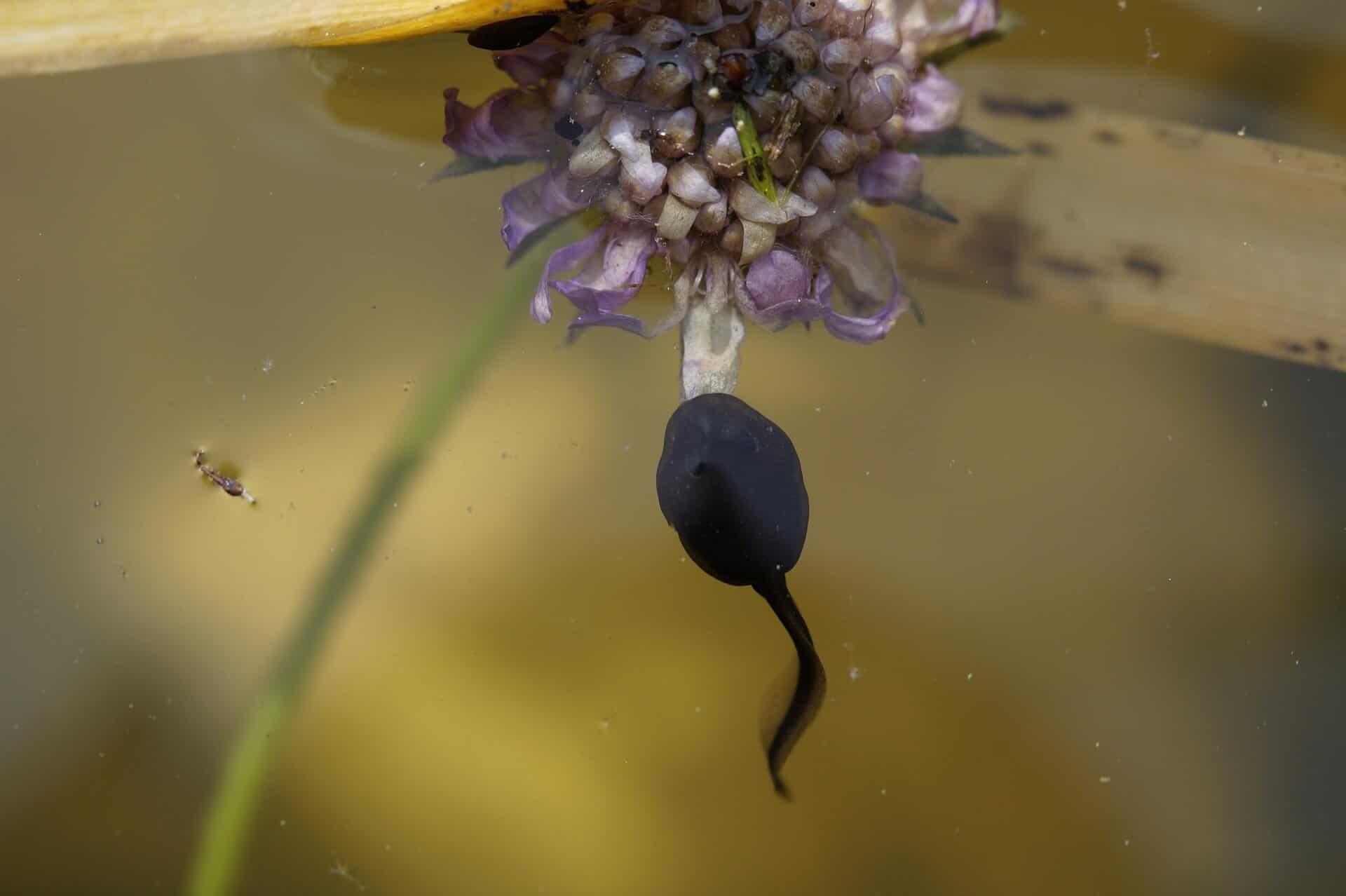
Feed tadpoles once or twice daily. Give small portions to avoid leftover food. Leftover food can pollute the water quickly. Remove uneaten food after a few hours.
Watch their behavior to adjust feeding. If tadpoles seem hungry, increase portions slightly. If water gets dirty fast, reduce the amount. Keeping balance is key to their health.
Credit: www.fishkeepingworld.com
Common Mistakes To Avoid
Feeding tadpoles seems simple but many make common mistakes. These errors can harm tadpoles or slow their growth. Proper feeding helps tadpoles grow healthy and strong. Avoid these mistakes to keep your tadpoles safe and happy.
Overfeeding Risks
Giving too much food is a big problem. Leftover food makes water dirty fast. Dirty water causes diseases and can kill tadpoles. Overfeeding also leads to obesity in tadpoles. Feed small amounts only once or twice daily. Watch how much tadpoles eat and stop when food remains.
Inappropriate Food Items
Not all foods are safe for tadpoles. Avoid salty, spicy, or processed foods. Tadpoles need natural, soft foods like algae or boiled vegetables. Hard or oily foods can hurt their digestion. Give food that is easy to eat and digest. Check that food pieces are small enough for tadpoles.
Tadpoles In Their Natural Habitat
Tadpoles live mostly in ponds, lakes, and slow streams. These water bodies provide food and shelter. Tadpoles stay in water until they grow legs and become frogs. Their diet in nature helps them grow strong and healthy. Understanding what tadpoles eat in the wild reveals their role in the environment.
Aquatic Plant Consumption
Tadpoles eat many types of aquatic plants. They nibble on algae and soft leaves underwater. These plants give tadpoles important nutrients and energy. Eating plants also helps keep water clean by controlling algae growth. Tadpoles use their small mouths to scrape plants gently.
Role In The Ecosystem
Tadpoles play a key role in nature’s balance. They serve as food for fish, birds, and insects. Tadpoles help recycle nutrients by eating plants and organic matter. Their feeding habits support healthy water environments. Tadpoles also help control algae, preventing overgrowth that can harm water life.
Credit: www.mramphibian.com
How Smart Pets Lover Can Help You with What Do Tadpoles Eat
Exploring Tadpole Diets: A Hands-On Learning Experience
Understanding what tadpoles eat opens up wonderful practical learning opportunities, especially when you consider their diet changes during growth. Observing how tadpoles transition from plant-based diets in their early stages to more varied foods is a fascinating glimpse into nature’s adaptability. Whether in captivity or exploring tadpoles in their natural habitat, this knowledge encourages responsible care and respect for these little swimmers.
For families and pet lovers curious about amphibian life, feeding tadpoles offers a chance to apply the feeding tips shared earlier while avoiding common mistakes—like overfeeding or providing unsuitable food. It’s a gentle reminder that every pet, even tiny tadpoles, benefits from informed, compassionate attention.
- Track dietary shifts as tadpoles grow
- Compare natural versus captive feeding habits
- Practice mindful feeding based on their needs
At Smart Pets Lover, we believe that nurturing this curiosity helps deepen your connection with all creatures—big or small. For more guidance or questions about tadpole care and beyond, feel free to reach out to our community at [email protected]. After all, where every wag, purr, and chirp tells a story, even the quiet splash of a tadpole’s tail has lessons to share.
Frequently Asked Questions
What Do Tadpoles Eat In The Wild?
Tadpoles mainly eat algae, plant matter, and tiny aquatic organisms. They graze on pond plants and detritus, helping clean their habitat. As they grow, their diet can include small insects and microorganisms.
Can Tadpoles Eat Vegetables Or Fruits?
Yes, tadpoles can eat boiled lettuce, spinach, and cucumber. These vegetables provide essential nutrients and are easy to digest. Avoid citrus or acidic fruits, as they can harm tadpoles’ delicate systems.
How Often Should Tadpoles Be Fed?
Feed tadpoles once or twice daily in small amounts. Overfeeding causes water pollution and health issues. Ensure food is eaten within a few minutes to maintain clean water.
Do Tadpoles Need Protein In Their Diet?
Yes, protein is vital for tadpole growth and development. They consume small insects, larvae, and protein-rich plant matter. Supplement with fish flakes or boiled egg yolk in captivity.
Conclusion
Tadpoles eat mostly plants and small bits of animals. They need fresh, clean water to stay healthy. Offering them algae, leaves, or tiny insects helps them grow. Watching tadpoles eat can be fun and educational. Feeding them the right food supports their change into frogs.
Understanding their diet helps protect these small creatures. Keep their environment safe for the best care. Tadpoles remind us how nature starts small and grows strong. Simple food, clean water, and care make all the difference.