Can Fish Drown
Have you ever wondered if fish can drown? It sounds strange because fish live in water, but the truth might surprise you.
Understanding how fish breathe and what can harm them underwater is important if you care about your aquarium or love fishing. Keep reading, and you’ll discover the surprising facts about fish and their ability to survive—or not—in their watery world.
This knowledge could change the way you see your finned friends forever.
Fish Breathing Basics
Fish breathe in water, not air like humans. Their breathing system is built for underwater life. Understanding how fish breathe helps us know if fish can drown.
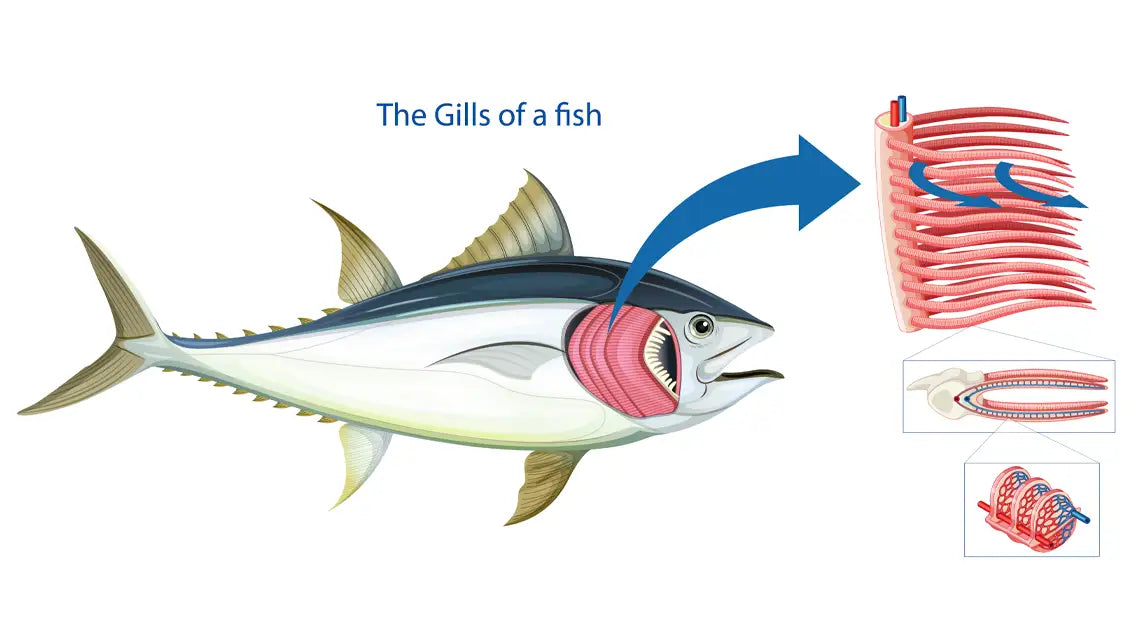
Fish use special organs called gills. Gills take oxygen from water and give it to the fish’s body. The process is different from how land animals breathe.
How Gills Work
Gills are thin, feathery structures full of tiny blood vessels. Water flows over the gills, and oxygen passes through the thin walls.
The fish’s blood then carries oxygen to the whole body. Carbon dioxide from the fish moves into the water to be expelled.
Gills must stay wet to work well. Dry gills cannot absorb oxygen, which is why fish cannot survive outside water for long.
Oxygen Absorption In Water
Water contains less oxygen than air. Fish need to move water over their gills constantly.
Some fish swim fast to keep water flowing. Others use a method called “buccal pumping” to push water over gills.
Oxygen dissolves in water and enters the fish’s blood through gills. This process is slow but steady.
If water lacks oxygen, fish struggle to breathe. They may suffocate if oxygen levels drop too low.
Credit: www.discoverwildlife.com
Conditions Leading To Fish Suffocation
Fish need oxygen to survive, just like humans. They get oxygen from water using their gills. But certain conditions in water can make it hard for fish to breathe. These conditions can cause fish to suffocate, which is like drowning for humans. Understanding these conditions helps protect fish and keep water healthy.
Several factors reduce the oxygen fish need. Some come from natural changes, others from pollution. Both can create dangerous environments where fish struggle to live.
Low Oxygen Levels
Oxygen levels in water can drop below what fish need. Warm water holds less oxygen than cold water. On hot days, oxygen can become very low. Also, too many plants or algae use up oxygen at night. Fish may not get enough oxygen and start to suffocate. This lack of oxygen is called hypoxia. Fish may swim to the surface gasping for air.
Water Pollution Effects
Pollution harms water quality and lowers oxygen levels. Chemicals from factories and farms enter water and kill helpful bacteria. These bacteria break down waste and keep oxygen balanced. Without them, oxygen drops quickly. Pollution also causes algae blooms. When algae die, bacteria use more oxygen to decompose them. This leaves little oxygen for fish. Polluted water can contain toxins that harm fish gills. These toxins make breathing even harder. Fish may suffocate if pollution is severe.
Can Fish Actually Drown?
Can fish actually drown? This question confuses many people. Fish live in water and use gills to breathe. Gills extract oxygen from water, so fish do not breathe air like humans. Still, fish can die from a lack of oxygen. But is this drowning? Let’s find out.
Differences Between Drowning And Suffocation
Drowning means suffocating in water by inhaling it into the lungs. Fish do not have lungs. They breathe through gills that absorb oxygen from water. If there is no oxygen in the water, fish cannot breathe. This is called suffocation, not drowning. Fish suffocate when water has low oxygen or is polluted. Their gills fail to get enough oxygen. This causes death.
Cases Of Fish Drowning
Fish can drown in rare cases. Some fish gulp air into their mouths. If water blocks their gills or airways, they may drown. Also, fish trapped in nets or plastic can drown. These block gills or prevent breathing. Another case is frozen water. Fish trapped under ice with no oxygen can die. Although rare, fish drowning can happen under certain conditions.
Credit: petsbynumbers.com
Fish Adaptations To Avoid Oxygen Deprivation
Fish live in water, where oxygen levels can change a lot. They need oxygen to survive, just like humans. Fish have special ways to avoid oxygen shortage. These adaptations help them breathe and stay alive in different water conditions.
Some fish change their behavior to get more oxygen. Others have body features that help them use oxygen better. These adaptations work together to keep fish healthy.
Behavioral Adaptations
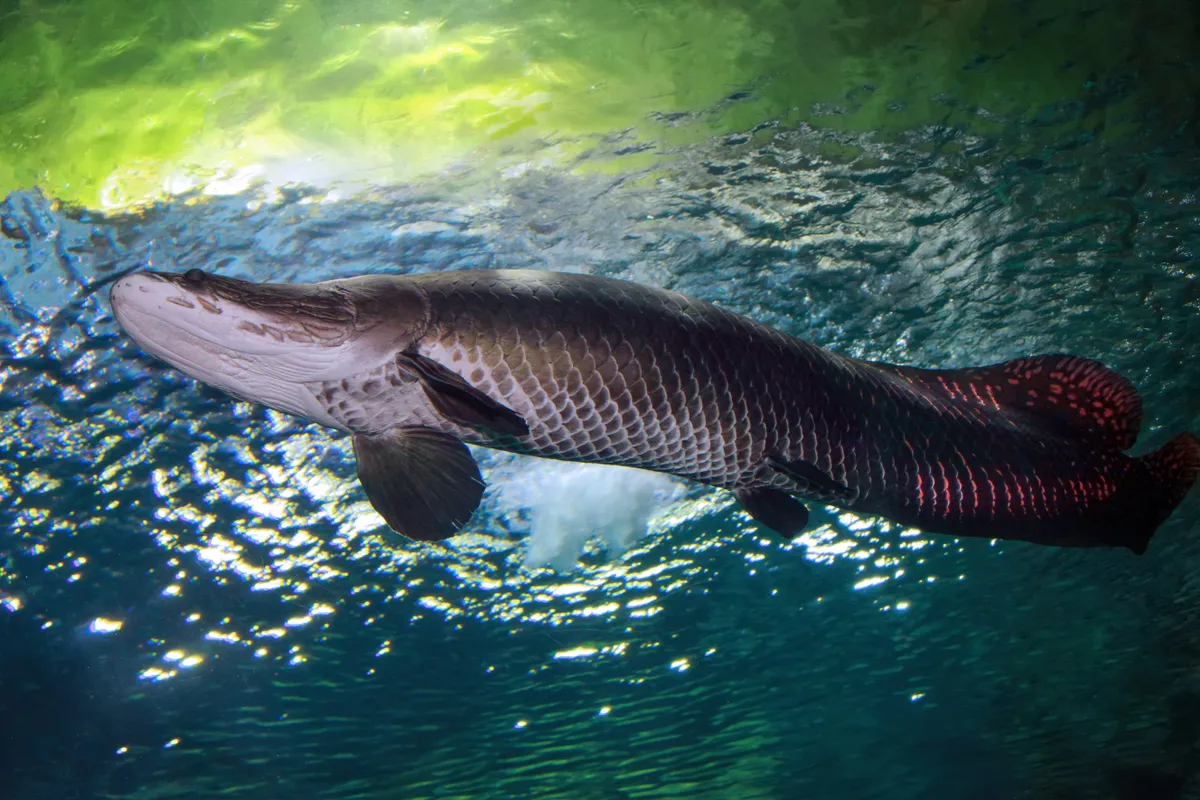
Fish move to water areas with more oxygen. They swim near the surface where oxygen is higher. Some fish swim faster to pass more water over their gills. Others stay still to use less oxygen when it is scarce. Some fish come out of water for a short time to breathe air.
Physiological Adaptations
Fish gills have many thin filaments to absorb oxygen efficiently. Some fish have larger gills to get more oxygen. Others can store oxygen in their blood or muscles. Certain fish can slow their body functions to use less oxygen. Some species produce special proteins that help carry oxygen better.
Human Impact On Fish Breathing
Fish rely on water to breathe through their gills. Humans affect this process in many ways. Pollution, poor aquarium care, and habitat damage can reduce oxygen levels. This makes it hard for fish to get enough air. Understanding how human actions impact fish breathing helps us protect them better.
Aquarium Care Tips
Clean water is crucial for fish health. Change water regularly to keep oxygen high. Avoid overfeeding; leftover food rots and uses oxygen. Use a good filter to remove waste and keep water clear. Check temperature often; warm water holds less oxygen. Add air pumps or plants to increase oxygen levels. Watch for signs of stress like gasping or lethargy. Healthy care prevents fish from suffocating in tanks.
Environmental Protection
Pollution lowers oxygen in natural waters. Chemicals from farms and factories harm fish gills. Trash and oil spills create toxic areas. Protect rivers and oceans by reducing waste and runoff. Support clean water laws and habitat restoration. Plant trees near water to improve air and water quality. Healthy environments ensure fish breathe well and survive.
Credit: www.quora.com
How Smart Pets Lover Can Help You with Can Fish Drown
Practical Learning from Understanding Fish Breathing and Suffocation
When we dive into questions like “Can fish drown?” it’s more than just curiosity—it’s a chance to deepen our care for these silent companions. Knowing how fish breathe and what causes oxygen deprivation helps us create healthier environments, whether in home aquariums or natural habitats. For example, understanding fish adaptations to avoid suffocation reminds us to maintain proper aeration and avoid overcrowding in tanks.
At Smart Pets Lover, we believe that every pet story matters, including those of our aquatic friends. Observing signs of stress in fish can prompt timely actions, such as checking water quality or adding oxygenators. Simple practices like regular water changes and monitoring tank equipment can prevent the subtle risks of suffocation.
- Learn to recognize abnormal breathing patterns.
- Keep tank environments well-oxygenated.
- Be mindful of human impacts like pollution that affect fish breathing.
If you ever have questions about your fish’s health or need advice, reaching out to local aquatic specialists or trusted pet care communities can be invaluable. After all, caring for fish with knowledge and empathy ensures their story continues to swim happily alongside ours.
Frequently Asked Questions
Can Fish Actually Drown Underwater?
Fish cannot drown like humans, but they can suffocate. If water lacks oxygen, fish struggle to breathe and may die from oxygen deprivation.
How Do Fish Breathe Underwater?
Fish use gills to extract oxygen from water. Water passes over gill filaments, where oxygen enters their blood and carbon dioxide leaves.
What Causes Fish Suffocation In Water?
Low oxygen levels, polluted water, or gill damage cause fish suffocation. These conditions prevent efficient oxygen absorption, leading to fish distress or death.
Can Fish Survive Out Of Water?
Fish cannot survive long out of water. Without water, their gills collapse and they cannot extract oxygen, causing rapid suffocation.
Conclusion
Fish cannot drown like land animals, but they can suffocate. They need water with enough oxygen to breathe through their gills. Dirty or low-oxygen water makes it hard for fish to get air. Sometimes, fish get trapped without enough water or oxygen.
This can harm or kill them. Understanding how fish breathe helps us keep them safe. Clean water and good care keep fish healthy. Remember, fish need air too, just in a different way. Taking care of their environment means they live longer and happier lives.