Koi Pond
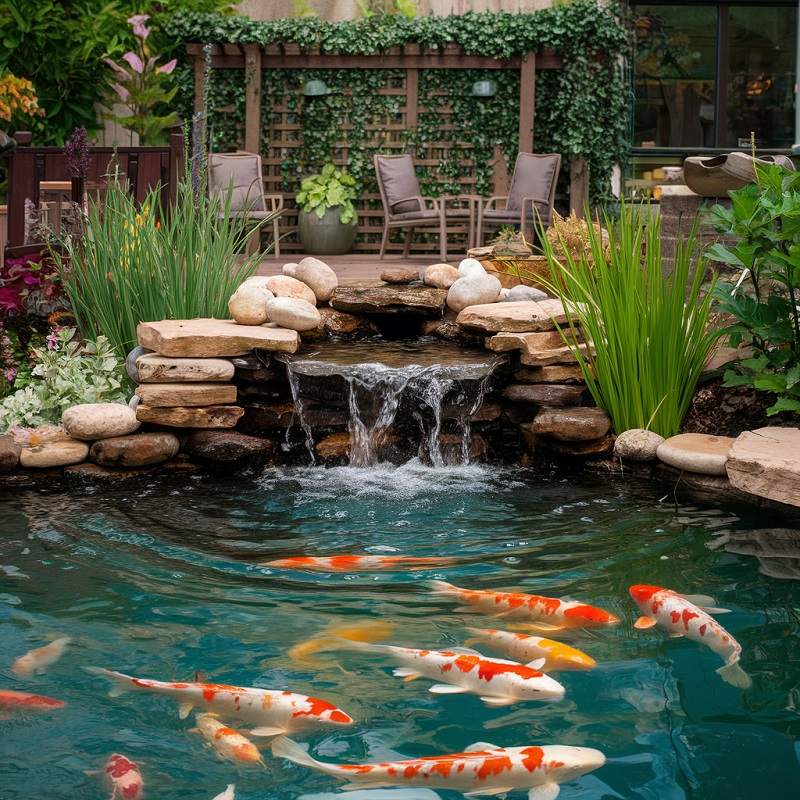
Imagine stepping into your backyard and being greeted by the gentle ripple of water and the graceful glide of colorful koi fish. A koi pond isn’t just a beautiful addition to your outdoor space—it’s a peaceful retreat that can transform your daily routine.
If you’re looking to create a calming oasis that adds charm and life to your home, this guide is for you. Keep reading to discover how a koi pond can bring beauty, relaxation, and a touch of nature right to your doorstep.
Choosing The Right Location
Choosing the right location for your koi pond is important for its health and beauty. The spot affects water quality, fish health, and pond maintenance. It also influences the pond’s look and how much you enjoy it. Think carefully before you dig.
Assessing Sunlight And Shade
Koi ponds need a balance of sunlight and shade. Too much sun heats the water and grows algae fast. Too much shade limits plant growth and lowers water temperature. Aim for about four to six hours of sunlight daily. Partial shade helps keep water cool and fish comfortable.
Considering Accessibility
Choose a place easy to reach for cleaning and feeding. You will visit the pond often. Paths should be safe and clear. Avoid spots behind thick bushes or far from your house. Easy access saves time and effort in caring for your koi.
Evaluating Soil And Drainage
Good soil and drainage keep your pond stable. Soft, sandy soil works best for digging. Avoid clay or rocky soil, which can cause leaks. Check for good drainage so water does not collect around the pond. Standing water can harm the pond’s structure and fish health.
Credit: www.theenvironmentalblog.org
Designing Your Koi Pond
Designing your koi pond starts with careful planning. A well-designed pond creates a peaceful space for your fish and enhances your garden’s beauty.
Every choice affects the health and happiness of your koi. Size, shape, depth, and water features all play important roles.
Selecting Pond Shape And Size
Choose a shape that fits your garden style. Round or oval shapes suit small spaces well. Larger ponds can be irregular or freeform for a natural look.
Size matters for koi health. Bigger ponds offer more swimming space and better water quality. Aim for at least 1,000 gallons to keep koi comfortable.
Planning Depth And Levels
Depth protects koi from predators and temperature changes. A minimum of 3 feet deep is best for most climates.
Include different levels to create hiding spots and plant zones. Shallow shelves help aquatic plants grow and provide shelter for koi.
Incorporating Water Features
Water features add movement and oxygen to the pond. A waterfall or fountain improves water circulation and keeps fish healthy.
Choose simple designs that blend with your pond’s style. Keep noise low to maintain a calm, relaxing atmosphere.
Building Materials And Equipment
Building a koi pond requires the right materials and tools. These elements ensure the pond is durable and healthy for the fish. Choosing quality materials helps the pond last for years. Proper equipment keeps water clean and fish safe.
Types Of Pond Liners
Pond liners hold water and stop leaks. Common types include PVC, EPDM, and rubber liners. PVC is affordable but less flexible. EPDM is strong and lasts long. Rubber liners are thick and easy to shape. Pick a liner that fits your pond size and shape. Check for puncture resistance to avoid tears.
Filtration Systems
Filtration systems keep water clear and safe. Mechanical filters trap dirt and debris. Biological filters use bacteria to break down waste. Some systems combine both types for better cleaning. Choose a filter based on pond size and fish amount. A clean filter means healthier koi and water.
Aeration And Pumps
Aeration adds oxygen to the pond water. Pumps move water through filters and fountains. Proper aeration prevents fish stress and algae growth. Select pumps with enough power for your pond size. Use aerators to keep water fresh and lively. Good circulation supports a balanced pond environment.
Water Quality Management
Water quality is the heart of a healthy koi pond. Clear, clean water helps koi fish stay active and colorful. Poor water quality can cause stress and illness in fish. Careful water management keeps the pond environment safe and balanced.
Proper water quality supports beneficial bacteria. These bacteria break down fish waste and keep harmful substances low. Maintaining good water quality also helps plants and fish thrive together.
Maintaining Ph And Hardness
pH measures how acidic or basic the pond water is. Koi prefer a pH between 7.0 and 8.5. Sudden changes in pH can harm fish and plants. Test the water regularly and adjust pH slowly if needed.
Water hardness affects fish health and plant growth. It relates to minerals like calcium and magnesium. Soft water can cause stress in koi. Use natural additives to balance hardness for a stable pond environment.
Controlling Algae Growth
Algae can turn your pond green and block sunlight. Too much algae reduces oxygen in water. This harms fish and plants. Control algae by limiting nutrients like phosphorus and nitrogen.
Use shade plants or floating lilies to reduce sunlight. Clean filters regularly to remove algae spores. Avoid overfeeding koi, as leftover food fuels algae growth.
Regular Water Testing
Testing water helps catch problems early. Check pH, hardness, ammonia, nitrite, and nitrate levels. Use easy test kits from pond supply stores.
Test water at least once a week. Keep records to track changes over time. Quick action keeps water safe and koi healthy.
Selecting And Caring For Koi
Selecting and caring for koi requires attention and patience. Healthy koi live longer and show beautiful colors. Proper care keeps them active and strong. Understanding how to choose and care for koi helps you enjoy a thriving pond.
Choosing Healthy Koi
Pick koi that swim actively and have bright colors. Look for clear eyes and smooth scales. Avoid koi with wounds or white spots. Choose fish that respond well to movement. Healthy koi breathe calmly and show no signs of stress.
Feeding Practices
Feed koi small amounts two to three times daily. Use high-quality koi food for balanced nutrition. Avoid overfeeding to prevent water pollution. Remove leftover food to keep the pond clean. Adjust feeding in colder months when koi eat less.
Disease Prevention
Keep the pond water clean and well-filtered. Check koi regularly for unusual spots or behavior. Quarantine new koi before adding them to the pond. Maintain proper water temperature and oxygen levels. Early detection helps prevent illness from spreading.
Planting Around The Pond
Planting around your koi pond creates a natural, peaceful setting. Plants soften the pond’s edges and add color. They also help keep the water clean and healthy. Choosing the right plants is key to balance and beauty. A mix of aquatic and land plants works best. This section explores the best plants and ideas for your koi pond garden.
Aquatic Plants For Balance
Aquatic plants keep the pond water clear and fresh. They absorb excess nutrients, reducing algae growth. Floating plants like water lilies provide shade and shelter. Submerged plants add oxygen and improve water quality. Marginal plants grow at the pond’s edge and prevent erosion. Choose plants that suit your climate and pond size. Avoid plants that spread too fast or block sunlight.
Landscaping Ideas
Plant shrubs and flowers around the pond for a natural look. Use stones and mulch to create neat borders. Low-growing plants keep the view open to the water. Taller plants add privacy and hide equipment. Mix colors and textures for visual interest. Create pathways with stepping stones or gravel. Plant in layers to give depth and dimension to the garden.
Benefits Of Plants
Plants improve water quality and reduce maintenance work. They provide shelter for fish and other pond life. Plants attract beneficial insects and birds to the garden. They help control erosion and keep soil in place. A well-planted pond looks more inviting and peaceful. Plants also cool the water by providing shade. This supports the health and happiness of koi fish.
Seasonal Pond Care
Seasonal pond care keeps your koi pond healthy all year. Each season needs specific tasks. These tasks help fish stay safe. Plants stay green. Water stays clear. Follow simple steps for every season. Your pond will stay beautiful and balanced.
Winter Preparation
Remove leaves and debris from the pond. Cut back dead plants to avoid decay. Check the pond’s heater or aerator. Keep a hole in the ice for air exchange. Avoid breaking the ice yourself. Feed koi less as water cools. Fish slow down and need less food.
Spring Cleaning
Clear out dead leaves and sludge from the bottom. Clean filters and pumps to improve water flow. Check water quality and adjust if needed. Start feeding koi more as water warms. Trim plants to encourage new growth. Inspect equipment for winter damage. Prepare the pond for active spring life.
Summer And Fall Maintenance
Watch water levels and top up with fresh water. Remove excess algae to keep water clear. Feed koi regularly but avoid overfeeding. Prune plants to keep the pond tidy. Check for signs of disease or stress in fish. Prepare the pond for cooler months by reducing feeding in fall. Keep equipment running smoothly before winter arrives.

Credit: nualgiponds.com
Common Problems And Solutions
Maintaining a koi pond can bring great joy but also some challenges. Common problems can affect the pond’s beauty and the fish’s health. Knowing these issues helps you keep the pond clean and safe. Here are some common problems and simple solutions to keep your koi pond in good shape.
Dealing With Predators
Predators like birds, raccoons, and cats can harm koi fish. They often try to catch fish near the pond surface. Use netting or pond covers to protect your fish. Adding plants around the pond creates hiding spots. Motion-activated sprinklers can scare predators away. Regularly check the pond for signs of predator visits.
Fixing Leaks
Leaks cause water loss and can harm fish. Look for wet spots around the pond edges. Inspect the liner for holes or tears. Small holes can be patched with pond sealant kits. For large damage, replace the liner section. Keep pond edges clear of sharp rocks and roots to prevent leaks.
Managing Fish Health Issues
Fish can get sick from poor water quality or parasites. Test water regularly for ammonia, nitrites, and pH levels. Change some water weekly to keep it fresh. Remove sick fish to avoid spreading disease. Use treatments recommended for common koi illnesses. Feed fish a balanced diet to boost their immune system.
:strip_icc()/GettyImages-1148621267-fbe7fcc9e0eb41078b0ee63bc3edc2b3.jpg)
Credit: www.thesprucepets.com
How Smart Pets Lover Can Help You with Koi Pond
Learning Through Your Koi Pond Journey
Creating and maintaining a koi pond isn’t just about aesthetics—it’s a fantastic hands-on way to deepen your understanding of aquatic life and ecosystem balance. As you’ve explored topics like water quality management and seasonal pond care, you’re not only ensuring a healthy habitat for your koi but also developing practical skills in biology and environmental science.
- Monitoring water parameters teaches patience and attention to detail, essential for any pet parent.
- Designing your pond and choosing plants encourages creative problem-solving and connects you with nature.
- Addressing common problems cultivates resilience and resourcefulness, valuable traits beyond pond care.
At Smart Pets Lover, we believe every pet journey offers meaningful learning moments. If you ever want to dive deeper or need expert advice, resources and communities dedicated to responsible pet ownership can be incredibly supportive. Remember, each ripple in your koi pond reflects the care and curiosity you bring to your aquatic companions.
Frequently Asked Questions
What Is The Ideal Size For A Koi Pond?
An ideal koi pond should hold at least 1,000 gallons of water. This size provides enough space for koi to grow and swim comfortably. Larger ponds help maintain water quality and reduce stress on fish, ensuring a healthier environment.
How To Maintain Water Quality In A Koi Pond?
Regular water testing and filtration are key to maintaining water quality. Remove debris and perform partial water changes weekly. Use beneficial bacteria to break down waste, and ensure proper aeration to keep oxygen levels high for koi health.
What Plants Are Best For Koi Ponds?
Water lilies, lotus, and submerged plants like hornwort are ideal for koi ponds. These plants provide shade, reduce algae growth, and improve oxygen levels. Choose hardy plants that can tolerate koi nibbling and help maintain a balanced ecosystem.
How Often Should Koi Pond Water Be Changed?
Change 10-20% of the pond water weekly or biweekly. This routine helps remove toxins and refreshes the environment. Avoid changing all water at once to prevent stress on koi and maintain beneficial bacteria balance.
Conclusion
A koi pond brings calm and beauty to any space. It creates a peaceful spot to relax and enjoy nature. Caring for koi fish teaches patience and responsibility. Simple steps keep the water clean and fish healthy. Watching koi swim offers a quiet, happy moment each day.
A koi pond can be a lovely addition to your home garden. It invites you to slow down and appreciate life’s small joys.