Peacock Gudgeon
If you’re looking to add a splash of color and personality to your aquarium, the Peacock Gudgeon might just be the perfect choice for you. These small, vibrant fish are not only stunning to look at but also surprisingly easy to care for.
Whether you’re a beginner or a seasoned aquarist, understanding what makes the Peacock Gudgeon special can help you create a lively and healthy tank. Keep reading to discover everything you need to know to make your aquarium truly stand out.
Peacock Gudgeon Basics
The Peacock Gudgeon is a small, colorful fish popular in home aquariums. Its unique look and peaceful nature make it a favorite among fish keepers. Understanding its basics helps provide the best care.
This section covers its appearance, natural habitat, and behavior traits.
Appearance And Colors
The Peacock Gudgeon shows bright colors and interesting patterns. Males have vivid blue and orange spots on their bodies. Females are smaller and have duller colors. Their long fins add to their beauty. These colors help them blend into plants and rocks in tanks.
Natural Habitat
Peacock Gudgeons live in freshwater rivers and streams. They come from New Guinea and northern Australia. Their home waters have slow currents and plenty of plants. They like hiding spots and soft sandy bottoms. These conditions help them feel safe and comfortable.
Behavior Traits
This fish is calm and peaceful by nature. It prefers staying near the tank bottom, exploring small caves. Peacock Gudgeons are shy but curious. They do well with other small, non-aggressive fish. Males can show mild aggression during breeding but stay mostly friendly.

Credit: microaquaticshop.com.au
Tank Setup Tips
Setting up the right tank is key for Peacock Gudgeon health and happiness. They need a calm space that feels like home. The correct tank size, water conditions, and decorations help them thrive. This guide covers important tips for their aquarium setup.
Ideal Aquarium Size
Peacock Gudgeons are small but active fish. A tank of at least 15 gallons works well for a pair. More space is better if you keep a group. This size gives them room to swim and hide. Crowded tanks cause stress and illness.
Water Conditions
These fish prefer warm water between 75°F and 82°F. Keep the pH level slightly acidic to neutral, around 6.5 to 7.0. Soft to moderately hard water suits them best. Regular water changes keep the tank clean and healthy. Stable conditions reduce stress and promote activity.
Decor And Plants
Peacock Gudgeons enjoy hiding spots. Use smooth rocks, driftwood, and caves for shelter. Live plants provide cover and improve water quality. Choose plants like Java fern and Anubias that grow well underwater. Avoid sharp decorations that can harm these delicate fish.
Feeding Peacock Gudgeon
Feeding Peacock Gudgeon is simple and rewarding. These small fish enjoy a variety of foods that keep them healthy and active.
Understanding their diet needs helps you provide the best care. It also ensures they stay colorful and lively in your aquarium.
Diet Requirements
Peacock Gudgeons need a balanced diet with protein and nutrients. They thrive on live or frozen foods. Small insects, worms, and crustaceans work well. Avoid overfeeding to prevent water pollution and health issues.
Feeding Schedule
Feed Peacock Gudgeons twice a day in small amounts. Offer only what they can eat in two minutes. Regular feeding keeps them healthy and active. Skip feeding once a week to help digestion and prevent bloating.
Recommended Foods
Choose foods like brine shrimp, daphnia, and bloodworms. High-quality flake or pellet food is also good. Mix live and prepared foods for variety. Freshness matters. Always remove uneaten food promptly.
Tank Mates Compatibility
Peacock Gudgeons are small, colorful fish that thrive in community tanks. Choosing the right tank mates is key for their health and happiness. They prefer calm and peaceful companions that do not compete for space or food.
Tank mate choices affect how well Peacock Gudgeons live and grow. Aggressive or large fish can stress them out or cause harm. A well-planned community tank creates a balanced and peaceful environment.
Peaceful Fish Choices
Peacock Gudgeons do well with small, gentle fish. Examples include neon tetras, rasboras, and small gouramis. These fish share similar water needs and have calm behavior. Avoid fish that nip fins or chase others.
Avoiding Aggression
Aggressive fish cause stress and injury to Peacock Gudgeons. Avoid cichlids, large barbs, and aggressive tetras. These fish can bully or outcompete the gudgeons for food. Watch for signs of stress like hiding or loss of color.
Community Tank Tips
Provide plenty of hiding spots using plants and decorations. Space helps reduce fights and stress among fish. Feed all fish regularly to prevent food competition. Maintain clean water to keep fish healthy and active.
Breeding Peacock Gudgeon
Breeding Peacock Gudgeons can be rewarding for aquarium enthusiasts. These small fish show unique behaviors during reproduction. Understanding their needs helps ensure successful breeding. Patience and the right environment play key roles in raising healthy fry.
Mating Behavior
Male Peacock Gudgeons display bright colors to attract females. They perform courtship dances near hiding spots. The male cleans a chosen cave for spawning. Females lay eggs inside the cave after accepting the male. Males guard the eggs carefully until they hatch.
Spawning Setup
Use a tank with soft, slightly acidic water for spawning. Provide caves or small tubes for hiding and egg laying. Keep the temperature around 78°F (25.5°C) to encourage breeding. Low lighting helps reduce stress during spawning. A gentle filter ensures clean water without strong currents.
Raising Fry
Fry hatch in about 7 to 10 days after spawning. Remove the parents to avoid them eating the fry. Feed tiny foods like infusoria or newly hatched brine shrimp. Keep water clean and stable to support fry growth. Gradually introduce larger foods as fry grow bigger.
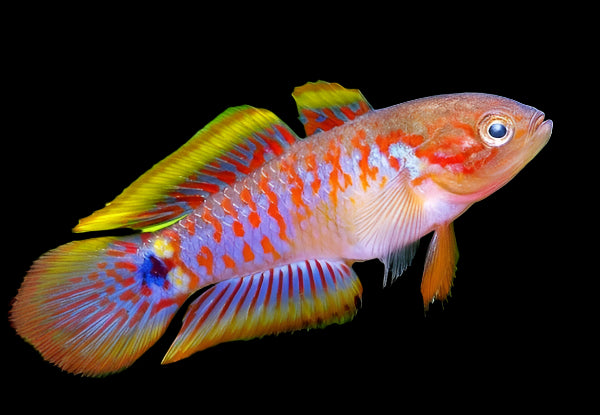
Credit: aquaristsacrosscanada.com
Common Health Issues
Peacock Gudgeons are colorful and peaceful fish. They bring life to home aquariums. Like all fish, they can face health problems. Knowing common health issues helps keep them strong. Early care makes a big difference in their life.
Signs Of Illness
Watch for changes in behavior or appearance. Slow swimming or hiding can signal trouble. Look for spots, redness, or torn fins. Loss of appetite is a common sign. Gasping at the water surface shows stress. Keep an eye on these signs daily.
Preventive Care
Keep water clean and well-filtered. Regular water changes stop disease build-up. Feed high-quality food for good nutrition. Avoid overcrowding the tank to reduce stress. Provide hiding spots to make them feel safe. Quarantine new fish before adding them.
Treatment Options
Use medicine designed for freshwater fish. Follow instructions carefully to avoid harm. Isolate sick fish to stop spreading illness. Raise water temperature slightly to help fight infection. Remove uneaten food to prevent bacteria growth. Seek advice from a vet if needed.

Credit: aquaticarts.com
How Smart Pets Lover Can Help You with Peacock Gudgeon
Learning Through Caring for Your Peacock Gudgeon
Getting to know your Peacock Gudgeon goes beyond just setting up a tank or feeding it the right diet. It’s an opportunity to deepen your understanding of aquatic life and responsible pet ownership. Observing their behavior, especially during breeding or when interacting with tank mates, can teach you valuable lessons about fish compatibility and natural instincts.
Paying attention to common health issues helps you become more attuned to subtle signs of distress or illness, enhancing your overall pet care skills. At Smart Pets Lover, we believe every pet parent’s journey is about growing confidence through practical, research-backed insights — whether you’re caring for dogs, birds, or fishes like the Peacock Gudgeon.
- Keep a journal to track tank conditions and fish behavior.
- Experiment gently with different compatible tank mates to see natural dynamics.
- Regularly check for health changes and adjust care accordingly.
If you ever need friendly advice or want to share your experiences, Smart Pets Lover is here to support your passion — where every wag, purr, and chirp tells a story. For questions, you can reach out via our website contact page anytime.
Frequently Asked Questions
What Is A Peacock Gudgeon Fish?
The Peacock Gudgeon is a small, colorful freshwater fish native to Australia. It is popular in aquariums for its vibrant colors and peaceful nature. This species grows up to 2 inches and prefers planted tanks with hiding spots.
How To Care For Peacock Gudgeon Fish?
Peacock Gudgeons need clean, well-filtered water with temperatures between 74-79°F. They thrive in planted tanks with soft substrate. Feed them small live or frozen foods like brine shrimp and daphnia. Regular water changes and a calm environment keep them healthy.
What Is The Lifespan Of Peacock Gudgeon Fish?
Peacock Gudgeons typically live 3 to 5 years in captivity. Proper care, stable water conditions, and a balanced diet help maximize their lifespan. Stress-free environments and compatible tank mates also contribute to their longevity.
Are Peacock Gudgeons Good For Community Tanks?
Yes, Peacock Gudgeons are peaceful and compatible with small, non-aggressive fish. They do well in community tanks with similar-sized species. Avoid housing them with large or aggressive fish to prevent stress and injury.
Conclusion
Peacock Gudgeons bring color and life to any aquarium. They stay active and interact well with other fish. Feeding them is easy with common fish foods. Their small size fits well in many tank setups. Watching their bright patterns can be very relaxing.
They also help keep the tank clean by eating leftover food. Caring for Peacock Gudgeons is simple for beginners and experts alike. Consider adding them to your fish collection for a lively, peaceful tank. A charming choice for anyone who loves fish.