Lawnmower Blenny
If you’ve ever wanted a colorful, lively addition to your saltwater aquarium, the Lawnmower Blenny might just be the perfect choice for you. This little fish is not only charming but also incredibly useful for keeping your tank clean.
Imagine having a natural cleaner that helps control algae, making your aquarium look fresh and vibrant without extra effort from you. Curious to learn how the Lawnmower Blenny can transform your underwater world and what you need to know before bringing one home?
Keep reading—your tank will thank you!
Appearance And Size
The Lawnmower Blenny is a small, fascinating fish found in many reefs. It has a unique look and size that make it easy to spot. Its body shape and colors help it blend with the environment. Understanding its appearance helps in identifying this fish quickly. Let’s explore its color patterns and distinctive features.
Color Patterns
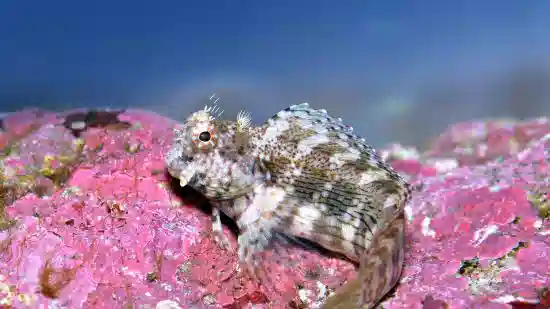
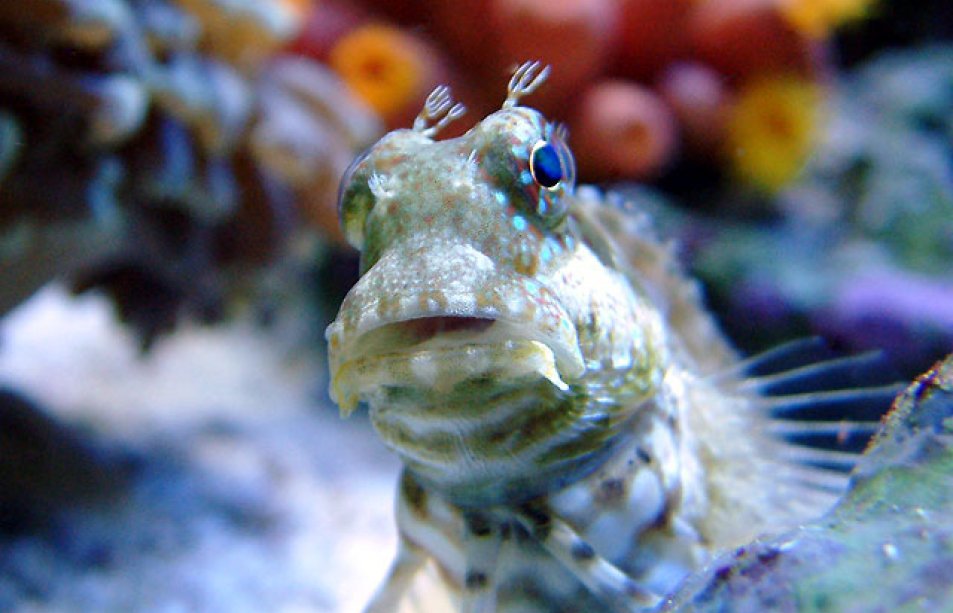
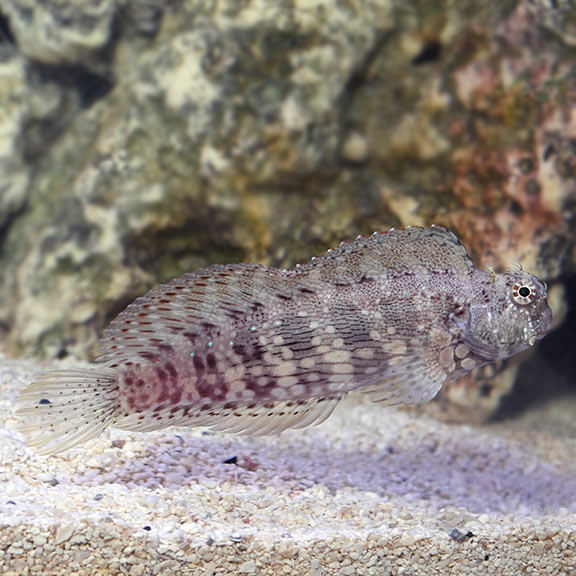
The Lawnmower Blenny shows bright colors. Its body is mostly yellow or greenish. There are dark spots or stripes along its sides. These patterns help the fish hide in sea plants. Sometimes, the colors may change slightly. This depends on the fish’s mood or surroundings. Such color shifts make it interesting to watch.
Distinctive Features
This fish has a long, slim body. It grows up to about 3 inches. Its head has small, sharp teeth. These teeth help it eat algae from rocks. The Lawnmower Blenny also has large eyes. They give it good vision in the water. Its fins are thin and help it swim smoothly. The fish often rests on coral or rocks, blending in well.
Natural Habitat
The Lawnmower Blenny is a small fish known for its unique appearance and behavior. It lives in specific natural habitats that support its survival and growth. Understanding where this fish thrives helps us appreciate its role in the ecosystem.
Preferred Environments
Lawnmower Blennies prefer shallow waters near coral reefs. They often stay close to rocks and crevices. These spots provide shelter from predators and places to find food. Clear, warm water is important for their health. They enjoy areas with plenty of algae, which they eat.
These blennies are usually found in calm waters. Strong currents or rough waves make it hard for them to move. They need a stable environment to feed and hide.
Geographic Distribution
This fish is mainly found in the Indo-Pacific region. It lives from the Red Sea to the central Pacific Ocean. Countries like Indonesia, the Philippines, and Australia have many Lawnmower Blennies. They also appear around coral islands and reefs in these areas.
They do not travel far from their home reefs. Staying close helps them find food and avoid danger. Their limited range makes their natural habitat very important for their survival.
Diet And Feeding Habits
The Lawnmower Blenny has a unique diet that helps keep aquariums clean. This small fish mainly eats algae. It plays an important role in controlling algae growth in tanks. Understanding its diet helps fishkeepers provide the right care.
Algae Consumption
Lawnmower Blennies feed mostly on various types of algae. They prefer green algae and hair algae. These fish graze on surfaces like rocks and glass in the tank. Their constant nibbling stops algae from overgrowing. This natural cleaning keeps the aquarium healthy and clear.
Their diet is mostly plant-based. They rarely eat meat or other foods. This makes them perfect for algae control without harming other tank inhabitants.
Feeding Behavior
These blennies are active during the day. They spend much of their time searching for algae to eat. They use their strong teeth to scrape algae off surfaces. Their feeding is gentle and does not damage live plants.
In captivity, they accept algae wafers and vegetable flakes. Offering these foods supports their natural diet. Feeding small amounts several times a day works best. This keeps them healthy and active.
Credit: www.saltwaterfish.com
Behavior And Social Interaction
The Lawnmower Blenny is a small but lively fish. Its behavior is interesting to watch. This fish is active and spends much time grazing on algae. Understanding its social habits helps in caring for it properly.
Territorial Traits
Lawnmower Blennies are quite territorial. They like to claim a spot on the rock or coral. They defend their area by chasing away intruders. This behavior keeps their feeding grounds safe. Their territory size is small but important to them.
They use their bright colors to signal other fish. It helps avoid fights by warning others to stay away. During feeding, they can become more aggressive. Watching these behaviors shows their strong need to protect space.
Compatibility With Other Species
Lawnmower Blennies usually get along with many fish. They are peaceful most of the time. However, they may not tolerate other blennies nearby. Too many blennies cause stress and fights over territory.
This fish coexists well with calm and non-aggressive species. It shares space without much trouble. They help keep tanks clean by eating algae. Pairing them with gentle fish creates a balanced environment.
Care In Aquariums
The Lawnmower Blenny is a popular fish for saltwater aquariums. It is known for its small size and peaceful nature. Caring for this fish in a tank requires attention to its needs. Proper care helps the blenny stay healthy and active.
Setting up the right environment is important. The fish needs space to swim and places to hide. Feeding also plays a key role in its well-being. Understanding these care tips will help you create a happy home for your Lawnmower Blenny.
Tank Requirements
The tank should hold at least 20 gallons. It provides enough room for swimming and grazing. Include live rock for hiding and algae growth. A secure lid is important to prevent jumping. Keep the tank clean with regular water changes.
Water Conditions
Maintain temperature between 72°F and 78°F. Salinity should be around 1.020 to 1.025 specific gravity. The pH level must stay near 8.1 to 8.4. Use a good filtration system to keep water clear. Test water parameters often to avoid problems.
Feeding Tips
The Lawnmower Blenny mainly eats algae. Provide plenty of natural algae in the tank. Supplement with seaweed sheets or algae wafers. Feed small amounts twice daily to avoid overfeeding. Watch the fish’s behavior to adjust feeding amounts.
Breeding And Lifespan
The breeding and lifespan of the Lawnmower Blenny are fascinating topics. Understanding these aspects helps aquarium hobbyists care for them better. This small fish has unique ways of reproducing and growing. Its life cycle shows interesting changes from birth to adulthood.
Reproduction Methods
Lawnmower Blennies reproduce by laying eggs. The male guards the eggs carefully until they hatch. The female lays the eggs on rocks or inside crevices. Males then protect the eggs from predators and keep them clean. This care increases the chance of survival for the young fish.
Growth Stages
After hatching, the young fish start as tiny larvae. They float in the water and feed on plankton. As they grow, they develop their colors and patterns. Juveniles gradually move to the reef and begin grazing on algae. Adults are fully developed and live up to 4 years in captivity. Each stage is important for their survival and health.
Common Health Issues
Lawnmower Blennies are hardy fish but can face health problems. Recognizing these issues early helps keep them healthy. Stress and infections are common challenges for these fish.
Knowing the signs of stress helps prevent serious illness. Stress lowers their immune system. It makes them vulnerable to diseases.
Signs Of Stress
Look for changes in behavior or appearance. If your Lawnmower Blenny hides more than usual, it may be stressed. Loss of appetite is another warning sign. Notice if the fish scrapes against rocks or tank walls. Faded colors or clamped fins also show stress. Rapid breathing or gasping at the surface can occur.
Preventative Measures
Keep water clean and stable in temperature. Regular water changes help reduce toxins. Avoid overcrowding the tank. Provide plenty of hiding spots and live rocks. Feed a balanced diet with algae and pellets. Watch water parameters like pH and salinity. Quarantine new fish before adding them to the tank. Reducing sudden changes lowers stress levels. Proper care stops many health problems early.
Credit: www.melevsreef.com
Role In Reef Ecosystems
The Lawnmower Blenny plays an important role in reef ecosystems. This small fish helps keep the reef healthy by eating algae. It acts like a natural cleaner, preventing algae from taking over coral areas. Healthy reefs support many sea creatures and protect coastlines.
Understanding the Lawnmower Blenny’s role can show how balance is kept in the ocean. Its presence affects other reef animals and the coral itself. The reef becomes a lively, vibrant place because of this fish’s actions.
Algae Control
Lawnmower Blennies eat algae that grow on rocks and coral. They stop algae from growing too fast and covering coral surfaces. Without them, algae could smother corals and block sunlight. This fish keeps algae in check, helping coral get sunlight and air.
Impact On Coral Health
By controlling algae, Lawnmower Blennies protect coral from stress and damage. Healthy coral can grow stronger and faster. This means more homes for fish and other reef animals. The blenny’s work helps the whole reef stay balanced and full of life.
Credit: www.liveaquaria.com
How Smart Pets Lover Can Help You with Lawnmower Blenny
Discovering Practical Learning Through Lawnmower Blenny Care
Getting to know the Lawnmower Blenny offers more than just fascinating facts about its appearance and natural habitat. For pet parents eager to deepen their connection with aquatic life, observing its diet and feeding habits can be a rewarding way to understand the delicate balance within reef ecosystems. Watching these little algae grazers in action reveals nature’s intricate food chain at work.
Integrating this knowledge into your aquarium care routine helps build practical skills in maintaining water quality and ensuring a healthy environment, which reflects the core mission we cherish at Smart Pets Lover: empowering you to feel confident and informed. If you ever want to explore more about their behavior or troubleshoot common health concerns, reaching out to aquatic specialists or community forums can provide valuable insights.
Remember, every interaction with your Lawnmower Blenny is a chance to learn and grow alongside your pet—because where every wag, purr, and chirp tells a story, so does every splash and swim.
Frequently Asked Questions
What Is A Lawnmower Blenny?
A Lawnmower Blenny is a small, herbivorous fish found in coral reefs. It is known for grazing on algae, helping maintain reef health and cleanliness.
Where Do Lawnmower Blennies Live?
Lawnmower Blennies primarily inhabit shallow tropical reefs in the Indo-Pacific region. They prefer rocky or coral environments with plenty of algae to feed on.
How Does A Lawnmower Blenny Help The Reef?
By eating algae, Lawnmower Blennies prevent overgrowth that can suffocate corals. Their grazing supports coral health and biodiversity in reef ecosystems.
What Do Lawnmower Blennies Eat?
They mainly consume algae and small plant matter. Their diet helps control algae growth, keeping reef surfaces clean and promoting coral survival.
Conclusion
The Lawnmower Blenny is a small fish with big personality. It keeps your aquarium clean by eating algae. This fish is easy to care for and fun to watch. It adds color and movement to any tank. Many hobbyists enjoy its peaceful nature.
Choosing a Lawnmower Blenny can brighten your underwater world. Simple care makes it a good choice for beginners. Enjoy this lively fish and the natural beauty it brings.