Bristle Worm
Have you ever noticed tiny, bristly creatures hiding in your aquarium or garden? These are bristle worms, and they play a surprising role in your environment.
Understanding what bristle worms are and how they affect your space can save you from unexpected problems and even help you create a healthier habitat. Keep reading to discover the secrets behind these fascinating worms and why they deserve your attention.
Credit: arcreef.com
Bristle Worm Basics
Bristle worms are small, segmented worms found in many water environments. They play important roles in nature. Some people find them helpful, while others see them as pests. Understanding their features, types, and where they live helps us learn more about these creatures.
These worms have unique bodies and habits. They live in different places and have many types. Let’s explore their basics to get a clear idea about bristle worms.
Physical Features
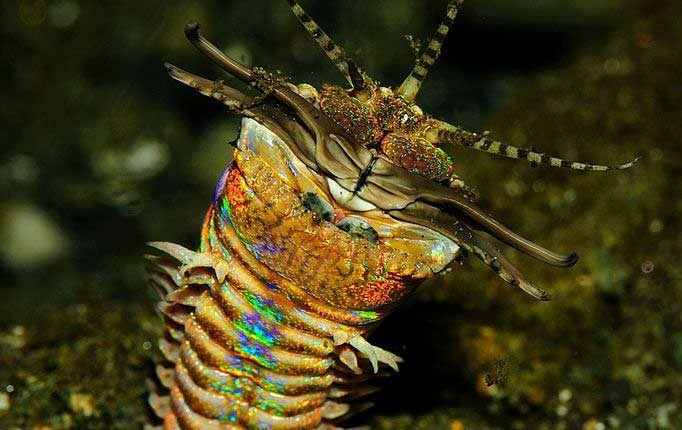
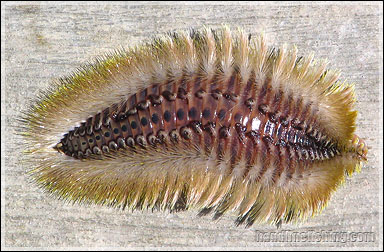
Bristle worms have long, soft bodies divided into segments. Each segment has tiny bristles made of chitin. These bristles help them move and protect against predators. Their bodies can be brown, red, or striped. Many have small legs on each segment. Some species have jaws or pincers to catch food.
Types Of Bristle Worms
There are thousands of bristle worm species worldwide. Some live in saltwater, others in freshwater or soil. Popular types include the fireworm, known for its sting, and the common bristle worm, often found in aquariums. Some worms help clean tanks by eating leftover food. Others can harm fish or coral if they grow too many.
Habitat And Distribution
Bristle worms live in oceans, rivers, and even moist soil. They hide under rocks, coral, or inside sand. Many prefer shallow waters, but some live deep in the ocean. They are found on almost every continent. Their wide distribution shows their ability to adapt to many environments.
Bristle Worm Behavior
Bristle worms are fascinating creatures with unique habits. Their behavior helps them survive in many environments. Understanding these habits reveals their role in the ecosystem. They show interesting patterns in feeding, moving, and reproducing.
Feeding Habits
Bristle worms are mostly scavengers. They eat dead plants and animals on the sea floor. Some species also hunt small creatures. Their strong jaws help them break food into pieces. They clean the ocean by removing waste and debris.
Movement And Locomotion
Bristle worms move using tiny bristles on their sides. These bristles help them grip surfaces. They crawl smoothly over rocks and sand. Some can swim short distances by flexing their bodies. Their movement is slow but steady, perfect for exploring their surroundings.
Reproduction
Bristle worms reproduce by releasing eggs and sperm into the water. Fertilization happens outside the body. The larvae float freely before settling down. This helps spread their population over large areas. Some species can also regenerate lost body parts during growth.
Bristle Worms In Aquariums
Bristle worms are common in saltwater aquariums. Many aquarium owners notice them crawling on rocks and substrate. These worms are part of the tank’s ecosystem. They help break down waste and clean leftover food. While some see them as pests, bristle worms can bring benefits. Understanding their role helps keep the tank healthy.
Benefits To The Tank
Bristle worms eat dead plants and fish food. They clean the tank naturally. This reduces harmful waste and keeps water clear. They also help aerate the sand bed by moving through it. This allows oxygen to reach beneficial bacteria. These bacteria break down toxins, improving water quality. Small bristle worms rarely harm fish or corals. Their presence often means a balanced tank environment.
Potential Problems
Large bristle worms can harm slow-moving fish. They use their bristles to defend themselves. This can cause painful stings to aquarium owners. Some species may eat coral polyps or small shrimp. Overpopulation is a common problem. Too many worms can compete with fish for food. They also create too much waste if their numbers grow unchecked.
Managing Bristle Worm Populations
Regular tank cleaning helps control their numbers. Remove uneaten food quickly to reduce their food source. Introduce natural predators like certain wrasses or gobies. Manual removal with a net or tweezers works for small infestations. Avoid using harmful chemicals that can damage the tank. Maintaining balanced tank conditions prevents bristle worms from taking over.
Bristle Worms And The Ecosystem
Bristle worms play a key part in marine ecosystems. These small creatures live in oceans worldwide. They help keep the environment balanced. Their presence affects many other marine life forms.
Understanding their role helps us see how ocean life stays healthy. Bristle worms work quietly but have a strong impact on their surroundings.
Role In Marine Food Web
Bristle worms are both predators and prey. They eat dead plants and animals, cleaning the ocean floor. Many fish and crabs feed on bristle worms. This makes them a vital food source. Their role supports the food chain from bottom to top.
Impact On Coral Reefs
Bristle worms help keep coral reefs clean. They remove dead coral and algae. This prevents harmful buildup on reefs. Some worms live inside coral, helping with waste removal. Their actions help corals stay healthy and grow.
Interaction With Other Species
Bristle worms live with many sea creatures. They share space with fish, crabs, and other worms. Some species compete for food and shelter. Others form partnerships for mutual benefit. These interactions shape the marine community’s balance.
Handling Bristle Worms Safely
Handling bristle worms requires care and knowledge. These worms have sharp bristles that can cause pain. Knowing how to identify and handle them protects both divers and aquarists.
Proper precautions reduce risks. Learning first aid helps if accidents happen. Safety always comes first around bristle worms.
Identifying Harmful Species
Not all bristle worms are dangerous. Some have long, sharp bristles that can sting. Harmful species often show bright colors or thick bristles. Look closely before touching any worm. Avoid worms with bristles that look stiff or needle-like.
Precautions For Divers And Aquarists
Wear gloves when handling coral or rocks. Use tools like tweezers to move worms safely. Keep your hands away from bristles at all times. Check your aquarium regularly for unwanted worms. Avoid sudden movements that can startle them.
First Aid For Bites
If stung, remove bristles gently with tweezers. Clean the area with soap and water. Apply ice or a cold pack to reduce pain and swelling. Watch for signs of infection like redness or pus. Seek medical help if pain worsens or spreads.
Credit: www.handlinefishing.com

Credit: www.coralreeftn.com
How Smart Pets Lover Can Help You with Bristle Worm
Turning Bristle Worm Insights into Practical Learning
Understanding bristle worm behavior and their role in aquarium ecosystems opens up meaningful opportunities for hands-on learning. Observing these creatures in your tank can teach patience and respect for nature’s balance—essential values for any pet parent. Their natural scavenging habits offer a live lesson in ecosystem dynamics, showing how even small creatures contribute to keeping an aquarium clean and healthy.
Handling bristle worms safely, as we’ve discussed, reinforces responsible pet ownership. It’s a gentle reminder that every pet, big or small, deserves careful attention and knowledge-backed care. For those eager to dive deeper, connecting with trusted communities like Smart Pets Lover can provide ongoing support and insights tailored to your pet care journey.
Remember, every interaction with your aquatic friends is a chance to grow, learn, and strengthen the bond you share. If questions arise or you want to explore more about bristle worms or other pets, reach out to pet care experts or visit reliable forums for guidance.
Frequently Asked Questions
What Is A Bristle Worm In Marine Aquariums?
A bristle worm is a segmented marine worm commonly found in saltwater aquariums. They help clean detritus but can sting if handled. Some species are beneficial scavengers, while others may harm corals or fish.
Are Bristle Worms Harmful To Fish Or Corals?
Most bristle worms are harmless and help keep the tank clean. However, some large species can damage corals or sting fish. Monitoring their population is important to maintain a healthy aquarium environment.
How Do Bristle Worms Reproduce In Aquariums?
Bristle worms reproduce by releasing eggs and sperm into the water. Fertilized eggs hatch into larvae, which develop into adult worms. Their population can grow quickly if food is abundant.
How Can You Safely Remove Bristle Worms?
Use tweezers or a siphon to remove visible bristle worms carefully. Avoid touching their bristles, as they can cause irritation. Consider natural predators like certain wrasse species to control their numbers.
Conclusion
Bristle worms play an important role in ocean life. They help clean up dead plants and animals. Some people find them helpful in aquariums. Others see them as pests. Knowing about bristle worms helps you care for your tank better.
They are small but strong creatures. Observing them can teach us about nature’s balance. Keep watching and learning about these interesting worms. They show how even tiny animals matter in the sea.