Homemade Fish Food 5 Recipes You Can Make Today
Are you tired of spending a fortune on fish food that doesn’t always meet your pet’s needs? Imagine having full control over what your fish eat—fresh, nutritious meals made right at home.
You can boost your fish’s health and watch them thrive with simple ingredients you probably already have. You’ll discover five easy homemade fish food recipes that you can whip up today. Ready to give your fish the best diet possible?
Let’s dive in!
Benefits Of Homemade Fish Food
Making your own fish food at home brings many benefits. It lets you give your fish fresh, healthy meals. You control what goes inside, keeping harmful stuff out. Homemade fish food also helps save money and keeps your fish strong and happy.
Cost Savings
Homemade fish food costs less than store-bought options. You can use simple ingredients from your kitchen. Bulk buying saves money too. No extra fees for packaging or shipping. This way, feeding your fish stays budget-friendly every day.
Control Over Ingredients
You decide exactly what your fish eat. Avoid fillers, preservatives, and artificial colors. Use natural, fresh ingredients that suit your fish species. This control helps prevent allergies and digestive problems. Clean, safe food improves your fish’s well-being.
Improved Fish Health
Fresh homemade food supports fish growth and energy. It boosts their immune system to fight diseases. Nutritious meals enhance color and behavior. Healthy fish live longer and look better. Quality food means happy, active pets in your tank.
Essential Ingredients For Fish Food
Making homemade fish food is simple with the right ingredients. Each component plays a role in keeping your fish healthy and happy. Choosing fresh and natural items helps your fish get all the nutrients they need. This section breaks down the essential ingredients for fish food. Understanding these can guide you to create balanced meals for your aquatic pets.
Protein Sources
Fish need protein for growth and strong muscles. Good protein sources include shrimp, fish fillets, and worms. These provide essential amino acids fish require daily. You can also use fish meal or krill powder as protein-rich options. Avoid using too much protein, as it can pollute the water.
Vegetable Additives
Vegetables supply fiber and vitamins to fish diets. Spinach, peas, and zucchini work well in fish food recipes. These vegetables are easy to digest and improve fish digestion. Using a mix of green veggies keeps the food balanced. It also supports fish immune systems and color.
Binding Agents
Binding agents hold the ingredients together in homemade fish food. Gelatin, agar-agar, and wheat flour are popular binders. They help form solid pellets or flakes for easy feeding. Without binders, the food might crumble and waste in the tank. Choose natural binders to keep the food safe and healthy.
Recipe 1: Basic Flake Food
Recipe 1: Basic Flake Food is a simple and effective way to feed your fish. This homemade flake food provides essential nutrients and helps keep your fish healthy. It is easy to prepare and uses common ingredients.
This recipe suits most freshwater fish. It is a great starting point for making your own fish food at home. You will save money and control what your fish eat.
Ingredients Needed
- 1 cup of fish flakes or crushed cereal flakes
- 1 tablespoon of powdered spirulina or green algae
- 1 teaspoon of gelatin powder
- 1 tablespoon of vegetable oil
- 1/4 cup of warm water
Step-by-step Preparation
- Mix fish flakes and spirulina in a bowl.
- Add gelatin powder and stir well.
- Pour vegetable oil and warm water into the mix.
- Stir until the mixture becomes thick and sticky.
- Spread the mixture thinly on a baking sheet.
Drying And Storage Tips
Dry the spread mixture in a low oven at 150°F (65°C) for 2-3 hours. Alternatively, use a food dehydrator. Break the dried sheet into small flakes. Store flakes in an airtight container. Keep them in a cool, dry place.
Recipe 2: Protein-rich Pellet Mix
This protein-rich pellet mix offers balanced nutrition for your fish. It supports growth and boosts energy levels. This recipe uses simple ingredients you can find easily.
The pellets provide essential proteins and fats needed for healthy fish. Making your own mix helps control quality and avoid preservatives. It also saves money compared to store-bought pellets.
Ingredients Needed
- 1 cup fish meal
- 1/2 cup shrimp powder
- 1/4 cup wheat flour
- 1/4 cup spirulina powder
- 2 tablespoons vegetable oil
- 1/2 cup water
Step-by-step Preparation
- Mix fish meal, shrimp powder, wheat flour, and spirulina in a bowl.
- Add vegetable oil and water slowly to form a thick dough.
- Shape the dough into small pellet sizes using your hands.
- Place pellets on a baking sheet lined with parchment paper.
- Bake at 250°F (120°C) for 45 minutes to dry the pellets.
- Let pellets cool completely before storing.
Feeding Tips And Storage
Feed small amounts to avoid leftovers and water pollution. Use pellets within two weeks for best freshness. Store in an airtight container in a cool, dry place.
Adjust pellet size depending on your fish species. This mix works well for many tropical and freshwater fish. Regular feeding with these pellets improves fish health and color.
Recipe 3: Vegetable Infused Food
Vegetables like spinach and peas make this fish food healthy and tasty. Blend them with fish flakes for a fresh, nutritious meal. Fish enjoy the natural flavors and vitamins from this mix.
Introduction To Vegetable Infused Fish Food
Recipe 3 focuses on vegetable infused fish food. This recipe uses fresh vegetables to create a healthy meal for your fish. Vegetables add vitamins and fiber that support fish health and digestion.
Vegetable infused food is easy to make and suitable for many fish types. It helps keep your fish active and vibrant. The natural ingredients reduce the risk of illness.
Ingredients Needed
- 1 cup spinach leaves
- 1/2 cup peas, shelled
- 1 small carrot, grated
- 1/4 cup zucchini, chopped
- 1 tablespoon gelatin powder
- 1/4 cup fish flakes or pellets
- 1/2 cup water
Step-by-step Preparation
- Steam the spinach, peas, carrot, and zucchini until soft.
- Blend the vegetables with water until smooth.
- Mix gelatin powder into the warm vegetable puree.
- Add fish flakes and stir well to combine.
- Pour mixture into a flat container and refrigerate until set.
- Cut into small cubes or flakes for feeding.
Feeding Tips
Feed your fish small amounts of vegetable infused food once a day. Remove uneaten food after 10 minutes to keep the tank clean. This food supports digestion and boosts fish color naturally.
Use this recipe twice a week along with regular fish flakes. It helps provide a balanced diet with essential nutrients from vegetables.

Credit: cats.com
Recipe 4: Freeze-dried Shrimp Bites
Recipe 4: Freeze-Dried Shrimp Bites is a simple and healthy option for your fish. These bites keep the natural flavor and nutrients of shrimp. They are easy to store and last long without losing quality. This recipe is perfect for small and large fish alike.
Making Freeze-Dried Shrimp Bites at home saves money. It also gives you control over the ingredients. No chemicals or fillers, just pure shrimp. Your fish will enjoy the taste and texture. It helps mimic their natural diet in the wild.
Ingredients Needed For Freeze-dried Shrimp Bites
- Fresh shrimp (peeled and deveined)
- Water (to rinse)
- Optional: Spirulina powder for added nutrition
Step-by-step Preparation Guide
- Rinse the shrimp under cold water to clean.
- Pat dry the shrimp with a paper towel.
- Cut the shrimp into small bite-size pieces.
- Place pieces evenly on a freeze-dryer tray.
- Freeze-dry for 24-48 hours until completely dry.
- Store in an airtight container away from moisture.
Benefits Of Freeze-dried Shrimp Bites For Fish
- High protein content supports fish growth.
- Maintains natural taste and texture.
- Easy to digest and rich in nutrients.
- Long shelf life without refrigeration.
- Encourages natural feeding behavior.
Recipe 5: Spirulina And Algae Blend
Spirulina and algae blend provides rich nutrients for healthy fish growth. This recipe is simple to prepare and boosts fish energy naturally. Perfect for homemade fish food lovers.
Introduction To Spirulina And Algae Blend
Recipe 5: Spirulina and Algae Blend offers a natural, healthy meal for your fish. Spirulina is a blue-green algae rich in protein and vitamins. It helps boost fish color and immune systems. This blend mimics natural fish diets found in ponds and lakes.
Using this recipe supports fish growth and vitality. It is easy to make at home with simple ingredients. Feed your fish this blend for a nutritious, balanced diet.
Ingredients Needed
- 1 tablespoon spirulina powder
- 2 tablespoons finely chopped fresh algae or seaweed
- 1 boiled egg yolk
- 1 tablespoon gelatin powder
- 1/4 cup water
Step-by-step Preparation
- Mix spirulina powder and chopped algae in a bowl.
- Add the boiled egg yolk to the mixture.
- Heat water gently and dissolve gelatin in it.
- Pour the gelatin mix into the bowl and stir well.
- Spread the mixture on a flat dish and refrigerate.
- Once firm, cut into small pieces for feeding.
Benefits Of Spirulina And Algae Blend
This blend provides essential nutrients like vitamins A, B, and E. It supports healthy skin and vibrant color in fish. The natural algae improve digestion and boost immunity. Fish enjoy the taste and texture of this fresh food.
Storage Tips For Homemade Fish Food
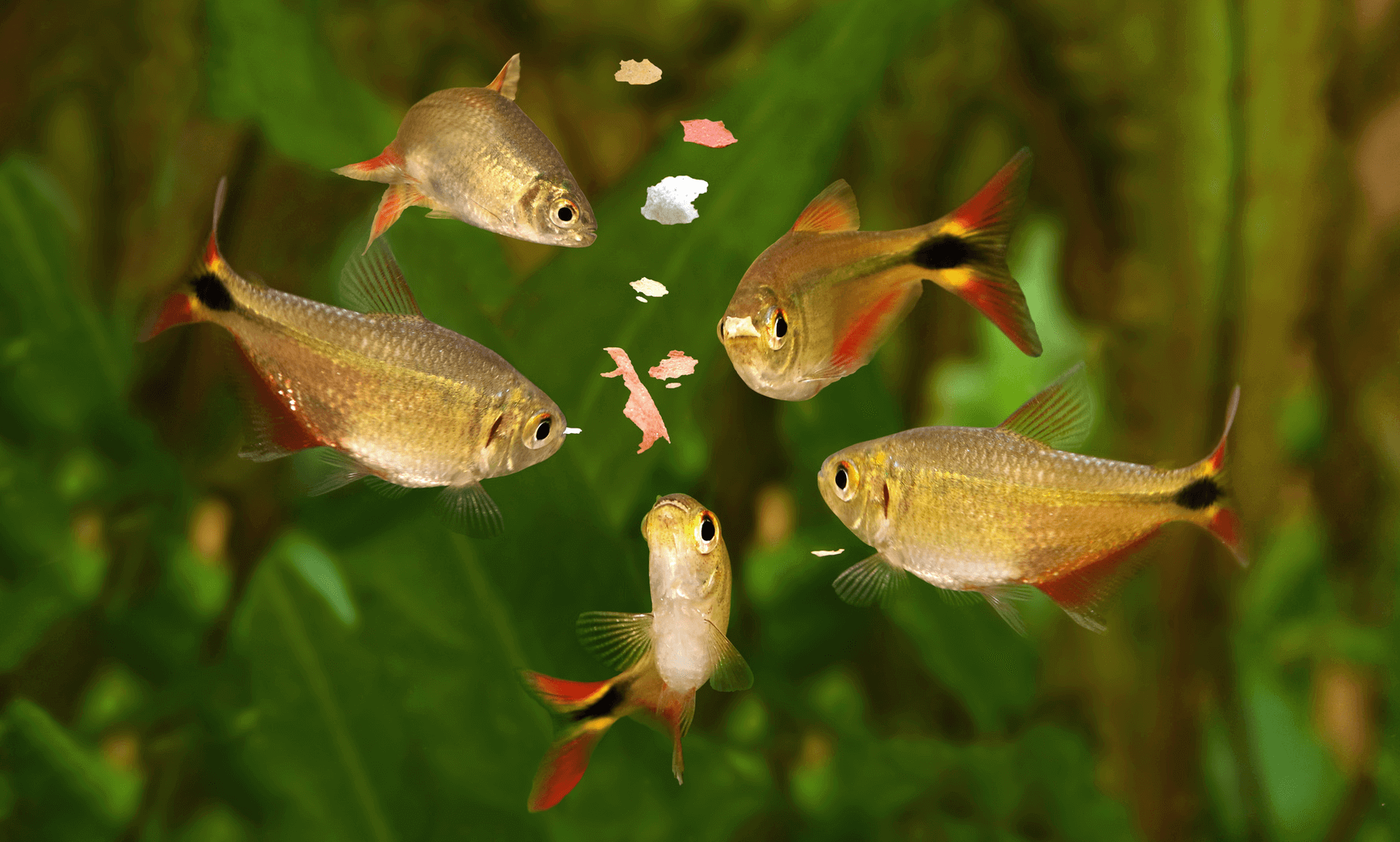
Keep the food in an airtight container in the fridge. Use within one week to maintain freshness. For longer storage, freeze the pieces and thaw before feeding. Avoid leaving food in the tank to prevent water pollution.
Credit: www.kenyalogy.com
Tips For Storing Homemade Fish Food
Storing homemade fish food properly keeps it fresh and safe for your fish. Good storage stops the food from spoiling and losing nutrients. Follow these tips to keep your homemade fish food in top condition.
Proper Packaging
Use airtight containers to store homemade fish food. Plastic containers with tight lids work well. Glass jars with rubber seals are also good. Avoid leaving food exposed to air. Air can make food dry and stale fast.
Shelf Life
Homemade fish food lasts shorter than store-bought types. Use it within one to two weeks for best results. Keep it in the fridge to extend freshness. Freezing can help preserve food for a month or more.
Avoiding Contamination
Always use clean utensils to handle the food. Avoid touching the food with dirty hands. Store food away from strong-smelling items. Keep the storage area dry to stop mold growth.
Feeding Tips For Different Fish Types
Feeding fish correctly helps keep them healthy and lively. Different fish types need different food and care. Knowing their needs improves their growth and colors. Here are some tips to feed various fish types properly.
Tropical Fish
Tropical fish enjoy warm water and active swimming. They need small, frequent meals to stay healthy. Use soft, easily digestible food that floats or sinks slowly. Include flakes, pellets, and frozen foods for variety. Feed twice daily but avoid overfeeding to keep water clean.
Coldwater Fish
Coldwater fish live in cooler tanks or ponds. They eat slower and need less food than tropical fish. Use sinking pellets or granules that match their size. Feed once or twice a day, depending on water temperature. Avoid feeding in very cold water as digestion slows down.
Carnivorous Vs Herbivorous
Carnivorous fish eat meat like insects and smaller fish. Provide protein-rich food such as bloodworms or shrimp. Herbivorous fish prefer plants and algae. Offer vegetable-based food like spirulina or blanched vegetables. Mix foods carefully for fish that eat both meat and plants.
Credit: www.contentharmony.com
How Smart Pets Lover Can Help You with Homemade Fish Food 5 Recipes You Can Make Today
Turning Homemade Fish Food Recipes into Learning Moments
Exploring homemade fish food recipes isn’t just about feeding your finned friends; it’s a wonderful opportunity to deepen your understanding of their unique dietary needs. As you experiment with blends like the Protein-Rich Pellet Mix or the Vegetable Infused Food, you’ll gain hands-on insight into which ingredients support different fish species best. This practical approach aligns perfectly with the caring and informed pet parenting that Smart Pets Lover champions—helping you feel confident and connected with your aquatic companions.
- Observe how your fish respond to various recipes, noting their preferences and energy levels.
- Adjust ingredient ratios based on your observations, honing your homemade blends for optimal nutrition.
- Keep track of storage tips to maintain freshness, ensuring every meal is as nourishing as the first.
If you ever need guidance or want to share your experiences, connecting with community resources or experts can enrich your journey. Remember, each batch you create is a step toward a healthier, happier aquarium—and every wag, purr, and chirp truly tells a story worth nurturing.
Frequently Asked Questions
What Ingredients Are Best For Homemade Fish Food?
Use high-protein ingredients like shrimp, fish fillets, and spirulina. Add vegetables like peas or spinach for balanced nutrition. Avoid harmful additives and preservatives to keep your fish healthy and happy.
How Often Should I Feed My Fish Homemade Food?
Feed your fish homemade food once or twice daily. Only provide an amount they can consume in 2-3 minutes. Overfeeding can pollute the water and harm fish health, so portion control is essential.
Can Homemade Fish Food Replace Commercial Fish Pellets?
Yes, homemade fish food can replace commercial pellets if balanced. It offers fresh nutrients and avoids fillers. However, ensure recipes meet your fish species’ dietary needs for optimal growth and vitality.
How Do I Store Homemade Fish Food Properly?
Store homemade fish food in airtight containers in the refrigerator. Use within 3-5 days to maintain freshness. For longer storage, freeze portions and thaw before feeding to preserve nutrients.
Conclusion
Making homemade fish food saves money and ensures fresh ingredients. These five recipes are easy and quick to prepare. Your fish will enjoy tasty, healthy meals every day. Try these recipes to see which your fish like best. Healthy food helps fish grow strong and live longer.
Start today and enjoy feeding your fish with care. Simple, natural food makes a big difference in fish health. Give your fish the best with these easy homemade recipes.