Evolution Of Fish
Have you ever wondered how fish came to be the incredible creatures we see today? The story of fish is not just about swimming in water—it’s a fascinating tale of survival, change, and adaptation that shaped life on Earth.
Understanding the evolution of fish can open your eyes to the amazing ways nature works and how your own existence connects to these ancient swimmers. Dive into this story, and discover secrets that will change how you see the underwater world forever.
Origins Of Early Fish
Fish are the first animals with a backbone. They started living in the sea hundreds of millions of years ago. Early fish set the stage for all vertebrates, including humans. Their origin marks a key point in life’s history.
These early creatures were simple but important. They had bodies that could move and sense the environment. Their evolution helped shape the diversity of sea life we see today.
First Vertebrates In The Sea
The earliest vertebrates appeared around 530 million years ago. These animals had a notochord, a flexible rod that supports the body. This was the first step toward a backbone. They lacked jaws and fins but could swim.
These simple fish were small and soft-bodied. Their presence created new opportunities in the ocean. They became the ancestors of all modern vertebrates.
Jawless Fish Emergence
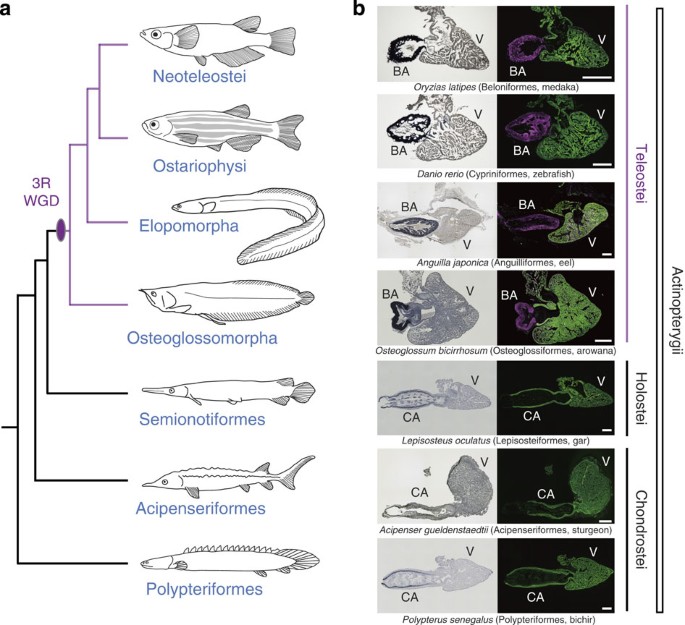
Jawless fish came after the first vertebrates. They appeared about 480 million years ago. These fish had tough skin and a more complex structure. Their mouths allowed them to feed more efficiently.
Jawless fish include lampreys and hagfish today. They thrived in ancient seas and evolved different ways to survive. Their jawless design stayed for millions of years before jaws evolved.
Credit: www.nature.com
Rise Of Jawed Fish
Jawed fish mark a major step in the evolution of fish. They changed how fish ate and survived. Jaws allowed fish to bite, grasp, and crush food. This gave them an edge over jawless fish.
The rise of jawed fish led to many new species. They could hunt bigger prey and defend better. This shift shaped the future of all vertebrates.
Development Of Jaws And Teeth
Jaws first appeared around 430 million years ago. They evolved from gill arches, which supported breathing. Teeth developed from tough scales near the mouth. These teeth helped fish catch and eat different foods.
With jaws and teeth, fish could eat meat and plants. This made their diet more varied. The new feeding style helped them survive in many environments.
Placoderms And Early Cartilaginous Fish
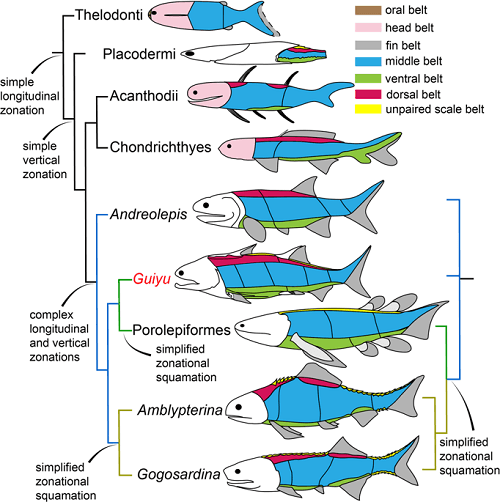
Placoderms were the first fish with true jaws. They had armored plates covering their heads and bodies. These fish lived in the Devonian period, about 400 million years ago.
Early cartilaginous fish, like ancient sharks, also appeared then. They had flexible skeletons made of cartilage. These fish were fast swimmers and good hunters.
Both placoderms and cartilaginous fish shaped the course of fish evolution. Their innovations paved the way for modern jawed fish.
Bony Fish Expansion
Bony fish are the largest group of fish alive today. They appeared about 400 million years ago. Their skeletons are made mostly of bone, not cartilage. This change helped them grow stronger and more diverse.
The rise of bony fish led to many new species. They adapted to different water environments. Their fins and body shapes changed to fit new ways of swimming and feeding. This expansion shaped the future of aquatic life.
Ray-finned Fish Diversification
Ray-finned fish have thin, flexible bones supporting their fins. These fins help them move quickly and with great control. This group became very large and diverse.
They live in oceans, rivers, and lakes worldwide. Their diets vary from small plants to other fish. Ray-finned fish include familiar species like salmon and goldfish.
Lobe-finned Fish And Their Role
Lobe-finned fish have thick, fleshy fins with bones inside. These fins resemble limbs and helped some species move in shallow waters.
This group is important because it gave rise to the first land vertebrates. Their fins evolved into legs for walking on land. They connect fish evolution to the rise of amphibians and other land animals.
Credit: inspiritvr.com
Transition To Land
The transition from water to land marks a key moment in the evolution of life. Fish developed new body parts to survive outside water. This change led to the rise of amphibians and eventually all land animals. The process was slow but full of important steps.
Lobe-finned Fish And Tetrapods
Lobe-finned fish had strong, fleshy fins with bones inside. These fins helped them move in shallow water and mud. Over time, these fins became limbs with joints. These limbs could support the body on land.
Tetrapods are the first vertebrates with four limbs. They evolved from lobe-finned fish about 360 million years ago. Tetrapods had muscles and bones that allowed crawling and walking on land. This was a big step toward life outside water.
Evolutionary Link To Amphibians
Amphibians are the first land vertebrates but still need water to reproduce. Their ancestors were tetrapods that adapted to land gradually. Amphibians have lungs for breathing air and legs for moving on land.
Their skin stays moist to help in breathing. This shows their link to aquatic life. Amphibians bridge the gap between fish and fully land-adapted animals. They mark the start of life’s move to dry land.
Modern Fish Diversity
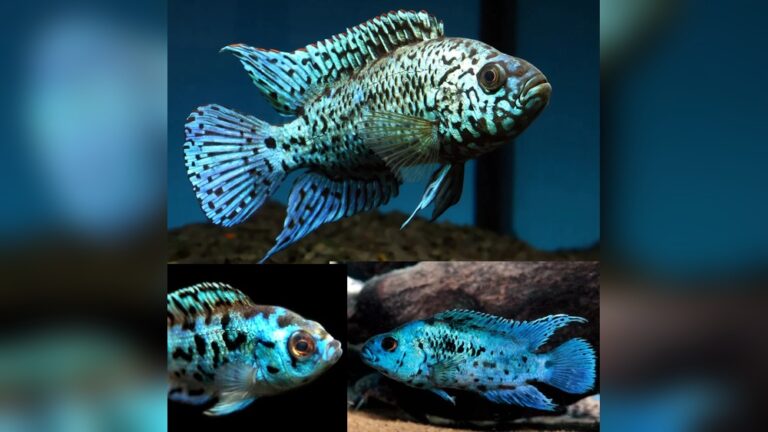
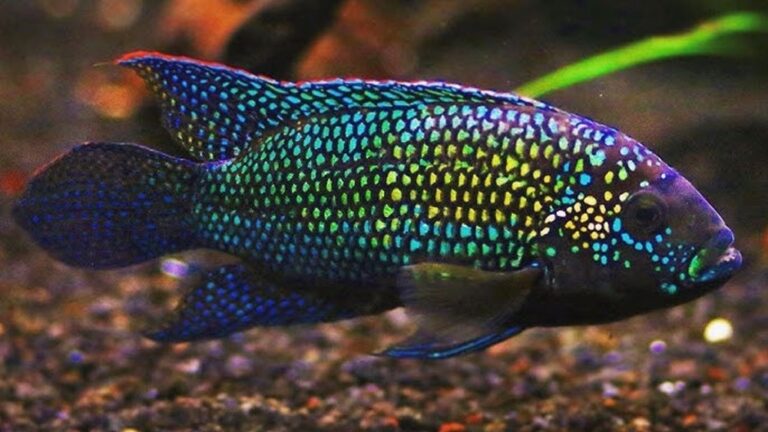
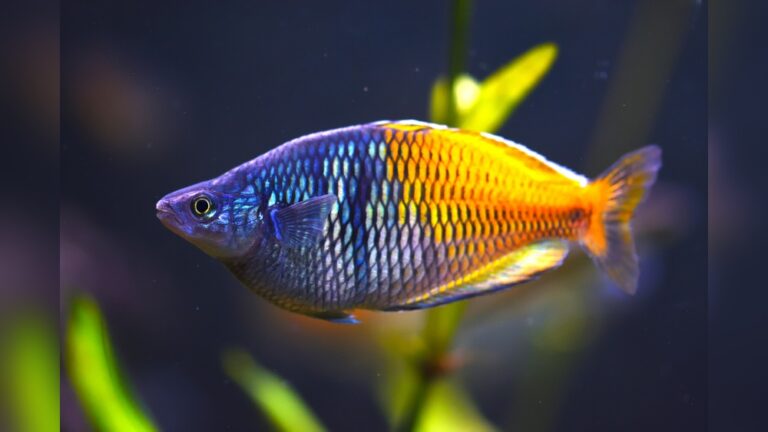
Modern fish show an incredible range of shapes, sizes, and colors. They live in almost every water habitat on Earth. This variety reflects millions of years of evolution and adaptation. Fish have split into major groups, each with unique features.
Cartilaginous Vs Bony Fish Today
Cartilaginous fish have skeletons made of cartilage. Sharks, rays, and skates belong here. Their skeletons are lighter and more flexible. They also have tough skin covered in tiny tooth-like scales.
Bony fish have skeletons made of hard bone. This group includes most fish species. They have swim bladders that help control buoyancy. Their scales are smooth and overlap like roof tiles.
Bony fish are more diverse than cartilaginous fish. They live in fresh and saltwater. Cartilaginous fish mainly live in saltwater. Both groups play key roles in their ecosystems.
Adaptations To Different Environments
Fish have adapted to many water conditions. Some live in deep oceans with no light. Others thrive in warm coral reefs. Some species tolerate cold, fresh mountain streams.
Body shapes vary by habitat. Flat fish hide on ocean floors. Streamlined fish swim fast in open water. Some fish can even breathe air when needed.
Color patterns help fish blend or warn predators. Many fish change color during mating seasons. These adaptations improve survival and reproduction.
Impact On Ecosystems
Fish have shaped ecosystems for millions of years. Their evolution changed how energy flows through water habitats. Fish influence the balance of life in oceans, rivers, and lakes. They help control populations of other creatures and recycle nutrients. Without fish, many ecosystems would lose their strength and diversity.
Fish also help keep water clean by eating algae and dead matter. Their movement stirs up sediments, which supports plant growth. The variety of fish species supports many other animals that depend on them for food. Their role is vital to the health and stability of aquatic environments.
Fish In Marine Food Webs
Fish are key players in ocean food webs. Small fish eat plankton and algae. Larger fish then prey on these smaller fish. This chain moves energy from the tiniest plants to big predators like sharks and whales.
Fish also compete with other marine animals for food. This competition helps keep species numbers balanced. Many seabirds and mammals rely on fish as their main food source. Fish migrations bring nutrients across vast ocean areas, supporting life far away.
Role In Freshwater Habitats
Freshwater fish shape rivers, lakes, and streams. They feed on insects, plants, and other small animals. This feeding controls the population sizes of many species. Fish also serve as food for birds, mammals, and reptiles.
In some habitats, fish help spread plant seeds and nutrients. Their movements create spaces for new plants to grow. Freshwater fish contribute to water quality by breaking down organic matter. Their presence supports a rich and balanced ecosystem.

Credit: ashlandacademicscience.miraheze.org
How Smart Pets Lover Can Help You with Evolution Of Fish
Exploring Fish Evolution Through Hands-On Learning
Understanding the evolution of fish—from the origins of early fish to the rise of jawed fish and the incredible diversity of modern species—offers more than just fascinating facts. For pet parents and animal lovers, these insights create practical learning moments that deepen appreciation for aquatic life. Observing how bony fish expanded and adapted can inspire thoughtful aquarium setups that mimic natural habitats, promoting healthier, happier fish.
Engaging with these evolutionary milestones encourages responsible pet ownership by highlighting how ecosystems impact fish behavior and care needs. At Smart Pets Lover, we believe that every discovery about your finned friends strengthens the bond you share. Whether you’re curious about fish care or want to explore their history, connecting evolutionary knowledge with daily pet care nurtures a richer, more confident relationship with your aquatic companions.
If you’re eager to dive deeper, our community is here to help—feel free to reach out anytime for tips that make every swim a story worth telling.
Frequently Asked Questions
What Is The Origin Of Fish In Evolutionary History?
Fish first appeared over 500 million years ago during the Cambrian period. They evolved from primitive chordates and are the earliest vertebrates on Earth.
How Did Fish Evolve Into Different Species?
Fish evolved through natural selection adapting to diverse aquatic environments. This led to various species with unique features like jaws, fins, and scales.
Why Are Fish Important In Evolution Studies?
Fish provide insight into vertebrate evolution. They show key adaptations like the development of jaws and lungs, which helped vertebrates colonize land.
What Are The Main Types Of Ancient Fish?
The main ancient fish groups are jawless fish, cartilaginous fish, and bony fish. Each group shows significant evolutionary advancements over time.
Conclusion
Fish have changed a lot over millions of years. They moved from simple shapes to many forms and colors. Fish learned to live in oceans, rivers, and lakes. Their evolution shows how life adapts and grows. Studying fish helps us understand Earth’s history better.
The journey of fish is a story of survival and change. It reminds us how nature shapes all living things. Fish remain a key part of water life today. Their past shapes the world beneath the waves.