Glow Fish Breeding
Are you fascinated by the shimmering colors of glow fish and wondering how you can create your own dazzling underwater display? Glow fish breeding is not just a hobby—it’s a chance to bring vibrant life and unique beauty right into your home.
Imagine watching your fish glow softly in the dark, a magical sight that few get to experience. But how do you start? What secrets will help you succeed? This guide will walk you through everything you need to know to breed glow fish like a pro.
Ready to turn your aquarium into a glowing masterpiece? Let’s dive in!
Glow Fish Species
Glow fish are popular for their bright colors and easy care. They come in many types that glow under light. Each type has unique traits and colors. Knowing these differences helps in breeding and keeping them healthy.
These fish are small but full of life. They add a magical touch to any aquarium. Their glowing patterns make them stand out in the water.
Popular Varieties
Several glow fish varieties are common among hobbyists. The GloFish Danio is fast and active. GloFish Tetras have a peaceful nature. GloFish Barbs show strong colors and good swimming skills. Each variety has its charm and care needs.
Genetic Traits
Glow fish get their color from special genes. These genes make them glow under blue or UV light. Some traits pass easily from parents to babies. Breeders select fish with the brightest glow to improve colors. Genetics also affect size and behavior.
Color Patterns
Color patterns differ by species and genetics. Some fish have solid glowing colors. Others show stripes or spots that shine. Common colors include green, red, orange, and blue. These patterns help fish hide or attract mates. Watching the glow patterns is part of the fun.
Breeding Setup
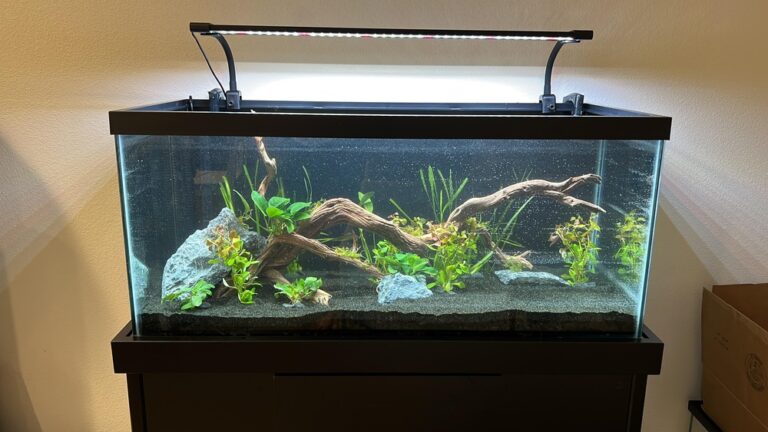
Setting up the right breeding environment is key to successful glow fish breeding. The breeding setup affects fish health and breeding results. A well-prepared tank creates comfort and safety for the fish.
Each part of the setup plays a role. From tank size to lighting, every detail matters. Prepare carefully to help your glow fish thrive and reproduce.
Tank Requirements
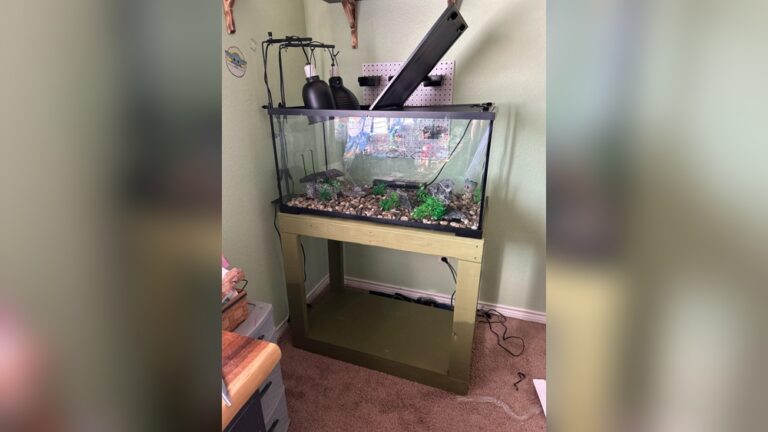
Choose a tank at least 10 gallons in size. Small tanks cause stress and lower breeding chances. Provide hiding spots with plants or decorations. They offer shelter for shy fish and protect eggs. Keep the tank clean to prevent diseases.
Water Conditions
Maintain clean water with regular changes. Use a good filter to keep water clear. The ideal pH level is between 6.8 and 7.4. Keep water hardness low to moderate. Test water often to track changes and avoid shock.
Lighting And Temperature
Use soft lighting to mimic natural conditions. Bright lights may stress the fish. Keep the water temperature steady around 74 to 78°F (23 to 26°C). Avoid sudden temperature changes to prevent stress. A heater helps maintain a stable temperature.
Selecting Breeding Pairs
Selecting the right breeding pairs is key to successful glow fish breeding. Choosing healthy and compatible males and females improves the chances of healthy offspring. This section covers how to identify males and females, what to look for in healthy fish, and behavioral signs to notice.
Identifying Males And Females
Male glow fish often have slimmer bodies and longer fins. Females tend to be rounder, especially near the belly. Males usually show brighter colors. Females may have a small, rounded spot near their anal fin. Look closely to spot these differences before pairing.
Healthy Fish Criteria
Choose fish with clear eyes and smooth scales. Avoid fish with torn fins or white spots. Healthy fish swim actively and eat well. Their colors should be bright and even. Pick fish that show no signs of stress or illness.
Behavioral Signs
Watch how fish behave in the tank. Males often chase females gently. Females may show a shy or calm demeanor. Aggression is a bad sign and may harm breeding. Pairs that swim close and seem calm tend to mate better.

Credit: www.youtube.com
Spawning Process
The spawning process is a key part of glow fish breeding. It involves several steps where fish prepare, mate, and produce offspring. Understanding these steps helps breeders support healthy breeding and increase fry survival.
Glow fish show clear signs before spawning. They become active and show special behaviors. The environment also plays a role, with water temperature and plants affecting success.
Mating Behavior
Glow fish begin by swimming close to each other. The male chases the female gently. Both show bright colors to attract attention. This dance can last several hours. It helps build a bond before spawning.
Egg Laying
The female lays eggs on plants or smooth surfaces. She deposits small clusters of eggs carefully. The eggs stick to leaves or aquarium glass. This protects them from being eaten or lost.
Fertilization
After egg laying, the male releases sperm over the eggs. This process fertilizes the eggs externally. The male may repeat this several times to cover all eggs. Fertilized eggs start developing quickly.
Egg Care
Taking care of glow fish eggs is very important for successful breeding. Eggs need a clean and safe environment to grow well. Proper egg care helps increase the chances of healthy baby fish. It also stops problems that can harm the eggs.
Below are key points to focus on during egg care.
Incubation Period
Glow fish eggs usually take 3 to 5 days to hatch. This depends on water temperature. Warmer water speeds up hatching, but too warm can harm eggs. Keep temperature steady for best results. Watch eggs daily for any changes or damage.
Preventing Fungus
Fungus can grow on eggs and cause death. Remove any infected eggs quickly. Use antifungal treatments safe for fish. Good water flow helps stop fungus growth. Avoid overcrowding eggs to reduce fungus risk.
Water Maintenance
Clean water is key for egg health. Change water regularly but gently to not harm eggs. Test water for ammonia and nitrites; these should be zero. Keep water pH stable and within safe range. Use a gentle filter to keep water fresh.
Raising Fry
Raising glow fish fry is a careful and rewarding process. The young fish need special care to grow strong and healthy. Small changes in their environment or diet can make a big difference. Understanding how to feed them, manage tank conditions, and watch their growth helps keep them safe.
Proper care during this stage sets the foundation for healthy adult fish. It requires patience and attention to detail. Each step supports their development and helps prevent common problems.
Feeding Newborns
Newborn glow fish fry need tiny, frequent meals. Start with infusoria or liquid fry food for the first few days. As they grow, introduce baby brine shrimp or crushed flakes. Feed small amounts often to avoid water pollution. Clean uneaten food quickly to keep water clean.
Tank Conditions
Maintain stable water temperature around 78°F (25.5°C). Use a gentle filter to avoid sucking in fry. Keep the tank well-aerated but calm. Perform small water changes regularly to remove waste. Avoid strong lights; dim lighting reduces stress for fry.
Growth Stages
Fry grow rapidly in the first few weeks. Their color and fins start to develop clearly. Around two weeks old, they become more active and explore. At this stage, switch to larger food but still easy to eat. Monitor growth daily to spot any health issues early.
Common Challenges
Breeding glow fish comes with its own set of challenges. These challenges can affect the health and success of your fish. Knowing the common issues helps you prepare better. Here are some main challenges breeders face.
Disease Prevention
Disease spreads quickly in fish tanks. Poor water quality and stress make fish weak. Regular water changes keep tanks clean. Quarantine new fish before adding them to the tank. Watch for signs like spots, swelling, or strange behavior. Early treatment stops disease from spreading.
Aggression Management
Glow fish sometimes show aggression during breeding. Males may fight for territory or mates. Aggression causes injury and stress. Provide enough space and hiding places. Separate aggressive fish if fights continue. Calm fish breed more successfully.
Genetic Issues
Breeding glow fish may lead to genetic problems. Inbreeding can cause weak or unhealthy offspring. Use diverse parent fish to avoid this. Select strong, healthy fish for breeding. Healthy genetics improve the chances of vibrant, strong fry.

Credit: www.reddit.com
Enhancing Glow Intensity
Enhancing the glow intensity of your glow fish can make your aquarium look stunning. Bright and vibrant fish catch the eye and create a lively underwater scene. Several factors affect how bright your glow fish appear. Focus on diet, lighting, and breeding methods to boost their natural glow.
Diet Tips
Feed glow fish high-quality food rich in carotenoids and vitamins. These nutrients support color and glow development. Include fresh vegetables and specially formulated fish pellets. Avoid overfeeding to keep fish healthy and glowing. Regular feeding schedules also help maintain strong colors.
Lighting Techniques
Use LED lights designed for aquariums to enhance glow effects. Blue and violet light wavelengths work best. Keep the lights on for about 8 to 10 hours daily. Avoid too much light to prevent stress and fading colors. Proper lighting highlights the fish’s natural fluorescence beautifully.
Selective Breeding
Choose the brightest fish as parents for breeding. This helps pass strong glow traits to offspring. Avoid breeding fish with dull colors. Keep track of family lines to improve glow intensity over generations. Patience and careful selection create the most vibrant glow fish.

Credit: www.reddit.com
How Smart Pets Lover Can Help You with Glow Fish Breeding
Learning by Doing: Bringing Glow Fish Breeding to Life
Diving into glow fish breeding is a rewarding journey that combines knowledge with hands-on experience. Understanding the spawning process and egg care, for instance, offers practical lessons in patience and observation—skills every pet parent cherishes. As you nurture your fry, you’ll gain deeper insight into their unique needs, from water conditions to diet, which helps enhance their natural glow intensity.
At Smart Pets Lover, we believe that every step, from selecting breeding pairs to addressing common challenges, is an opportunity to connect more meaningfully with your aquatic companions. These moments aren’t just about fish—they’re about cultivating confidence and empathy as a responsible pet owner. For those eager to learn more or troubleshoot specific concerns, reaching out to local aquatic groups or consulting with fellow enthusiasts can be invaluable.
Remember, glow fish breeding is as much about the joy of discovery as it is about the science. Embrace each phase with curiosity, and you’ll find that every little glow tells a story worth sharing.
Frequently Asked Questions
How Do You Breed Glow Fish Successfully?
To breed glow fish, maintain a stable temperature of 75-78°F. Provide a separate breeding tank with plants. Feed them high-quality live or frozen food. After spawning, remove adults to prevent egg consumption. Eggs hatch in 2-3 days, and fry need fine food.
What Is The Ideal Tank Setup For Glow Fish Breeding?
A 10-gallon tank with gentle filtration is ideal. Add live plants for egg attachment and hiding. Keep water clean and slightly acidic with pH 6. 5-7. Provide stable temperature and low light to reduce stress. Avoid strong currents that disturb eggs and fry.
How Long Does It Take For Glow Fish Eggs To Hatch?
Glow fish eggs typically hatch within 2 to 3 days. Hatching time depends on water temperature and conditions. Warmer water speeds up development but avoid extremes. After hatching, fry become free-swimming in about 5 days.
What Do Glow Fish Fry Eat After Hatching?
Newly hatched glow fish fry eat infusoria or liquid fry food first. After a week, introduce finely crushed flakes or baby brine shrimp. Feed small amounts multiple times daily. Ensure food is tiny and nutritious for healthy growth.
Conclusion
Breeding glow fish can be a fun and rewarding hobby. It helps you learn about fish care and nature. Start with healthy fish and keep their tank clean. Watch their behavior and provide good food. Patience is key; success may take time.
Enjoy the process and the beauty of your glowing fish. This simple guide can help you begin your breeding journey today.