Iridescent Shark
Have you ever seen a fish that looks like a shark but glides gracefully through freshwater? Meet the Iridescent Shark, a stunning and unique creature that can add life and color to your aquarium.
If you’re curious about how to care for this fascinating fish or want to know what makes it so special, you’re in the right place. Keep reading, and discover everything you need to know to keep your Iridescent Shark happy and healthy.
Your aquarium will never be the same again!
Credit: theaquariumparadise.com
Iridescent Shark Basics
The Iridescent Shark is a popular freshwater fish. It is not a true shark but a type of catfish. Many people keep it in home aquariums. This fish is known for its shiny, smooth skin and peaceful nature. Learning its basics helps in caring for it properly.
Physical Features
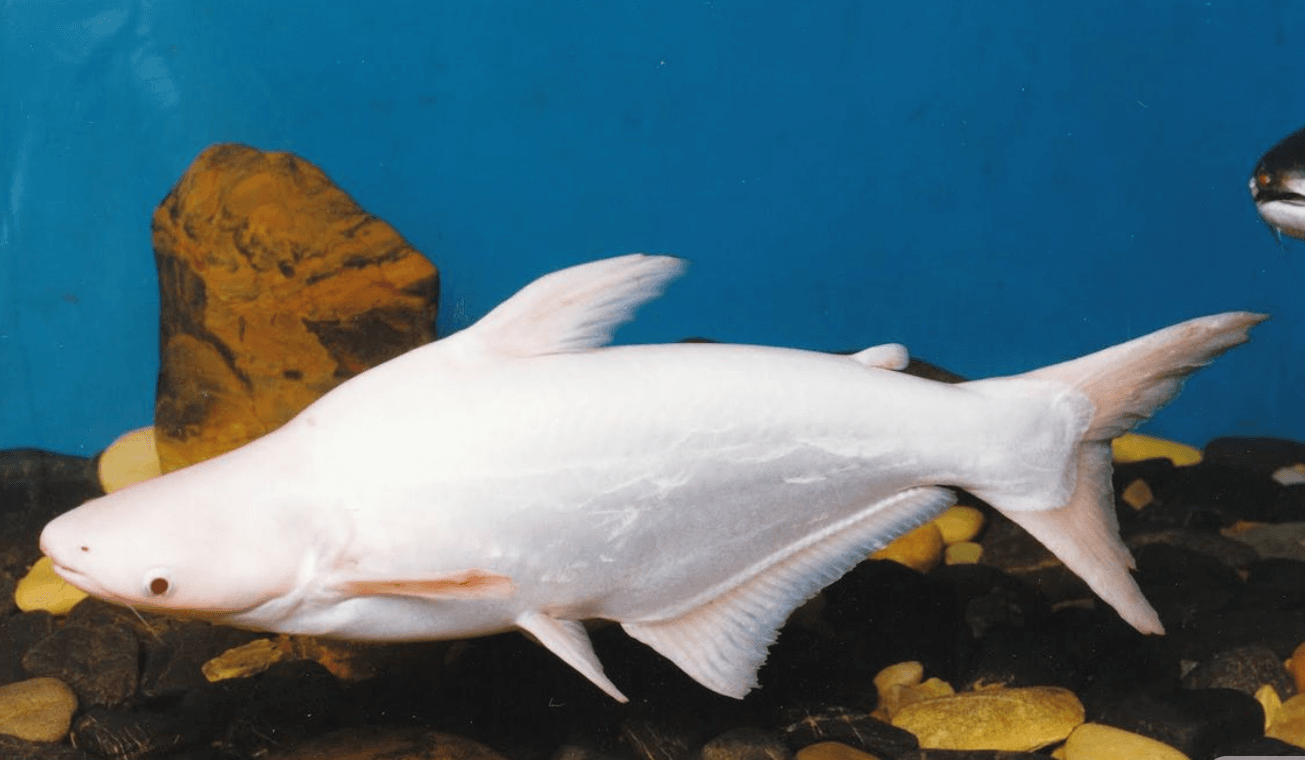
The Iridescent Shark has a sleek, silver body. It can grow very large, up to 3 feet long. Its body shines with a faint rainbow color. It has long fins that look like wings. The fish has a flat head and small eyes. It looks like a small shark, but it is a catfish.
Natural Habitat
This fish lives in large rivers and lakes in Southeast Asia. It prefers warm water with gentle currents. The Iridescent Shark likes places with many hiding spots. It swims near the bottom but also explores open water. It needs clean water to stay healthy and active.
Behavior Traits
The Iridescent Shark is peaceful and social. It likes to swim in groups. It can jump out of the water, so aquariums need covers. This fish is active during the day. It feeds on small plants, insects, and fish food. It grows quickly and needs plenty of space.
Care Requirements
The Iridescent Shark is a popular aquarium fish but needs special care. This fish grows large and needs a good environment. Proper care keeps it healthy and happy. Below are important care needs.
Tank Size And Setup
These fish grow up to 3 feet long. They need a large tank with at least 150 gallons. A wide tank is better than a tall one. Provide open swimming space and hiding spots. Use smooth gravel and avoid sharp decorations. A strong filter is needed for clean water.
Water Conditions
Keep water temperature between 72°F and 79°F (22°C–26°C). pH should be between 6.5 and 7.5 for best health. Regular water changes keep the tank clean. Avoid sudden temperature changes. Well-oxygenated water is important for this fish.
Diet And Feeding
Iridescent Sharks eat both plants and animals. Feed them quality sinking pellets or flakes. Add live or frozen foods like bloodworms or brine shrimp. Feed small amounts twice a day. Remove leftover food to avoid water pollution.
Health And Diseases
The health of Iridescent Sharks is vital for their growth and well-being. These fish need a clean environment and good care to stay healthy. Illnesses can affect their swimming, appetite, and color. Knowing the signs of sickness helps in quick action. Healthy fish live longer and look more vibrant.
Common Illnesses
Iridescent Sharks often face diseases like ich, fin rot, and fungal infections. Ich appears as small white spots on the body. Fin rot causes fins to look ragged and torn. Fungal infections show as cotton-like patches on the skin. These illnesses weaken the fish and slow down their movements.
Preventive Measures
Keep the tank water clean by changing it regularly. Test water for proper pH, ammonia, and nitrate levels. Avoid overcrowding to reduce stress and disease spread. Feed a balanced diet to strengthen the fish’s immune system. Quarantine new fish before adding them to the tank.
Treatment Options
Use aquarium-safe medicines to treat ich and fungal infections. Raise the water temperature slightly to help fight ich. Apply antibacterial treatments for fin rot and bacterial infections. Remove sick fish to a separate tank for faster recovery. Always follow medicine instructions to avoid harming the fish.

Credit: en.wikipedia.org
Breeding Insights
The Iridescent Shark is a popular freshwater fish among hobbyists. Breeding them requires special care and attention. Understanding their breeding habits helps improve success rates. This section covers key breeding insights for the Iridescent Shark.
Knowing the right conditions and steps can make breeding easier. Patience and proper care lead to healthy offspring. Learn about breeding conditions, spawning, and raising fry below.
Breeding Conditions
The ideal water temperature is between 78°F and 82°F. Keep the pH level around 6.5 to 7.5. A large tank with plenty of space is necessary. Soft, slightly acidic water mimics their natural habitat. Provide hiding spots using plants or decorations. A calm environment reduces stress on the fish. Use a strong filter to keep water clean and oxygenated.
Spawning Process
The Iridescent Shark lays eggs on flat surfaces or plants. Males chase females to encourage egg laying. Spawning usually happens early in the morning. The female can lay thousands of eggs at once. Remove parents after spawning to prevent egg eating. Eggs hatch in about 24 to 36 hours. Keep the water clean during this time to ensure survival.
Raising Fry
Fry are tiny and need special care. Feed them with infusoria or liquid fry food first. Gradually introduce finely crushed flakes or baby brine shrimp. Change water often but gently to avoid stress. Provide good water flow and oxygen for healthy growth. Fry grow fast and need space to swim freely. Separate fry by size to avoid bullying.
Tank Mates And Compatibility
The Iridescent Shark is a peaceful fish that grows quite large. Choosing the right tank mates is important for a happy aquarium. Compatibility depends on size, temperament, and water needs. Careful selection helps avoid stress and fights.
Suitable Species
Good tank mates include other large, calm fish. Examples are Silver Dollars, Large Catfish, and Plecos. Small fish risk being eaten or stressed. Choose fish that thrive in similar water conditions. Avoid overly aggressive or tiny species.
Aggression Management
Iridescent Sharks are usually gentle but can show mild aggression. Keep them in groups of three or more to reduce stress. Provide enough space to prevent territorial disputes. Watch for signs of bullying and separate if needed. Feeding well also helps keep peace.
Community Tank Tips
Use a large tank with plenty of hiding spots. Rocks, driftwood, and plants create good shelter. Maintain clean water and stable temperature for all fish. Avoid overcrowding to reduce stress. Regular observation ensures all fish stay healthy and calm.

Credit: danaqualivefish.com
Challenges In Keeping
Keeping an Iridescent Shark can be tough for many fish keepers. These fish have special needs that must be met for them to thrive. Understanding the challenges helps prepare for better care and a happier fish.
Many beginners face problems with the size and behavior of these fish. Long-term care also requires dedication and proper setup. Let’s explore the main challenges in detail.
Growth And Size Issues
Iridescent Sharks grow very fast and become quite large. They can reach up to 4 feet in length. Most home tanks are too small for adult fish. A tank smaller than 150 gallons will stress the fish.
Cramped spaces limit movement and cause health problems. Planning for their full-grown size is essential. Many owners must upgrade tanks or find new homes for their fish.
Behavioral Challenges
These fish are active swimmers and need room to move. They may jump out of tanks if startled. Sudden noise or light changes can stress them. Iridescent Sharks may show skittish or shy behavior.
They prefer groups but can become aggressive if crowded. Careful observation helps spot signs of stress early. Providing hiding spots reduces anxiety and aggression.
Long-term Care
Maintaining clean water is vital for their health. Regular water changes and strong filtration are required. They produce a lot of waste, which pollutes water quickly. Stable water temperature between 72-79°F is best.
Feeding a balanced diet keeps them healthy and energetic. Avoid overfeeding to prevent water quality issues. Long-term care means commitment to tank size, water, and diet.
How Smart Pets Lover Can Help You with Iridescent Shark
Learning Through the Lens of Iridescent Shark Care
Understanding the iridescent shark goes beyond just admiring its shimmering beauty. It opens up practical learning opportunities about aquatic life, especially when you dive into the care requirements and challenges in keeping this species healthy. For instance, grasping their sensitivity to water quality and space needs teaches patience and responsibility—key traits for any pet parent.
Exploring health and diseases related to iridescent sharks can also deepen your knowledge of fish anatomy and immune responses, helping you recognize early signs of distress. This hands-on experience fosters a genuine emotional connection, making the journey rewarding rather than overwhelming.
- Observe their social behavior to understand compatibility with tank mates.
- Note breeding insights to appreciate the complexity of aquatic ecosystems.
- Learn about tank setup nuances to maintain a thriving environment.
At Smart Pets Lover, we believe every moment spent caring for your iridescent shark is a story worth telling—where curiosity meets compassion. If questions arise, reaching out to aquatic specialists or communities can provide tailored support, ensuring you feel informed and confident every step of the way.
Frequently Asked Questions
What Is An Iridescent Shark Fish?
The Iridescent Shark is a freshwater fish native to Southeast Asia. It is known for its shiny, reflective skin and shark-like shape, despite being a catfish. This species is popular in aquariums due to its peaceful nature and unique appearance.
How Big Do Iridescent Sharks Grow?
Iridescent Sharks can grow up to 3-4 feet in length in the wild. In home aquariums, they usually reach about 2 feet. They require large tanks to accommodate their size and active swimming behavior, making them best for experienced fish keepers.
What Tank Size Is Best For Iridescent Sharks?
A minimum tank size of 125 gallons is recommended for Iridescent Sharks. They need ample swimming space because they grow large and are very active. Larger tanks help maintain water quality and provide a comfortable environment for their health.
What Do Iridescent Sharks Eat?
Iridescent Sharks are omnivores. They eat a diet of pellets, flakes, vegetables, and live or frozen foods like worms and shrimp. A balanced diet ensures proper growth and vibrant coloration. Feeding small amounts multiple times daily is ideal.
Conclusion
The iridescent shark is a unique and peaceful fish. It grows fast and needs plenty of space. Keep its water clean and temperature steady. This fish suits big tanks with calm companions. Watching its shiny skin and smooth movements is calming.
Many enjoy caring for this gentle creature. Remember, patience and care help it thrive. A healthy iridescent shark brings joy and beauty. Try adding one to your aquarium for a quiet, lovely touch.