Purple Firefish
Have you ever wanted a fish that instantly brightens up your aquarium with its vibrant colors and unique personality? Meet the Purple Firefish—a stunning little creature that’s as fascinating to watch as it is beautiful to behold.
If you’re looking to add something special to your underwater world, this fish might just be the perfect choice for you. Keep reading to discover why the Purple Firefish could be the next star of your tank and how it can bring life and color to your home.

Credit: reefchasers.com
Purple Firefish Habitat
The Purple Firefish is a small, colorful fish with unique habitat needs. Understanding where it lives helps keep it healthy in home aquariums. Its natural habitat provides clues about the water conditions and environment it prefers.
Discovering the Purple Firefish habitat reveals its special place in the ocean. This information guides hobbyists and marine lovers in caring for these vibrant creatures.
Natural Environment
The Purple Firefish lives near coral reefs. It prefers rocky crevices and small caves. These spots offer shelter from predators. It also uses these places to rest and hide. The area has plenty of small hiding spaces.
Geographic Range
This fish is found mainly in the Indo-Pacific region. Its range includes the Maldives, Indonesia, and the Great Barrier Reef. It usually stays close to shallow waters. It rarely ventures into deep ocean zones.
Preferred Water Conditions
The Purple Firefish thrives in warm waters between 72°F and 78°F. It needs clear, clean water with moderate flow. The water’s pH should be slightly alkaline, around 8.1 to 8.4. Stable salinity levels help it stay healthy. These conditions mimic its natural coral reef habitat.
Physical Features
The Purple Firefish is a small, colorful fish found in coral reefs. Its physical features make it stand out in the underwater world. These features help it survive and attract mates. Understanding its appearance gives insight into its behavior and habitat.
Coloration And Markings
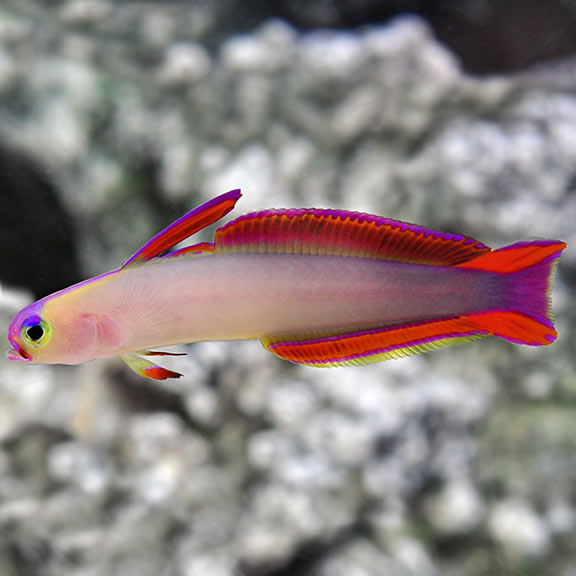
The Purple Firefish shows a bright purple body. It has a gradient that fades to white near the belly. Its head often has a slight blue tint. A dark stripe runs from the eyes to the dorsal fin. This stripe helps it blend with shadows and coral.
Size And Body Shape
This fish is small, usually around 3 inches long. It has a slender and elongated body. The shape allows it to dart quickly through coral. Its slim form helps it hide in small crevices. This protects it from larger predators.
Distinctive Fins
The Purple Firefish has unique fins that catch attention. Its dorsal fin is long and pointed. This fin often stands tall like a flag. The pectoral fins are large and fan-shaped. These fins help the fish hover and make quick turns.
Behavior And Lifestyle
The Purple Firefish shows a unique and fascinating behavior in its natural habitat. This small fish moves with grace and alertness. It lives in coral reefs and rocky crevices, where it feels safe. Its lifestyle is both active and cautious, making it interesting to watch.
Understanding its behavior helps aquarists and marine enthusiasts provide better care. Each habit and trait plays a role in its survival and interaction with the environment.
Feeding Habits
The Purple Firefish feeds mainly on small plankton and tiny crustaceans. It hunts by darting quickly from a hiding spot. This fish prefers to eat live food but can adapt to frozen or prepared diets. It usually feeds near the water surface or mid-levels of the reef. Feeding times are often early morning and late afternoon.
Social Interactions
This species is shy but curious around other fish. It often stays close to its home area. Purple Firefish can live alone or in pairs. They communicate through subtle body movements and color changes. They do not form schools but watch for threats together. Social bonds are mild but important for safety.
Territorial Traits
The Purple Firefish defends a small territory around its shelter. It uses quick dashes and fin displays to warn intruders. The fish prefers vertical spaces like crevices or holes for protection. Territory size depends on food availability and space. It rarely fights but shows strong signs to keep others away. This territorial behavior helps reduce stress and competition.
Credit: www.liveaquaria.com
Aquarium Care
Caring for Purple Firefish in an aquarium requires attention to several key factors. These fish need a safe, comfortable environment to thrive. Proper care helps them stay healthy and show their bright colors.
Understanding their needs makes aquarium care easier and more rewarding.
Tank Setup
Choose a tank at least 20 gallons. Purple Firefish need space to swim freely. Provide plenty of hiding spots using rocks and coral. A secure lid is important. These fish can jump out if the tank is open.
Diet And Feeding
Feed a varied diet for best health. Offer small live or frozen foods like brine shrimp and mysis shrimp. Include high-quality flakes or pellets. Feed two times a day in small amounts. Avoid overfeeding to keep water clean.
Water Quality Maintenance
Keep water temperature between 72 and 78°F. Maintain pH around 8.1 to 8.4. Use a good filter to remove waste. Change 10-20% of water weekly. Test water regularly for ammonia, nitrites, and nitrates.
Compatibility With Other Fish
Choose peaceful tank mates. Avoid large or aggressive fish. Purple Firefish are shy and can get stressed easily. Good companions include clownfish, gobies, and small wrasses. Provide enough space to reduce stress.
Breeding Purple Firefish
Breeding Purple Firefish can be a rewarding experience for aquarium hobbyists. These fish have unique behaviors during mating and spawning. Understanding these behaviors helps increase the chance of successful breeding. Caring for the young fry also requires special attention.
Creating the right environment is important. A calm tank with hiding spots encourages natural breeding habits. Observing the fish closely reveals fascinating details about their reproduction.
Mating Behavior
Purple Firefish show interesting courtship displays. The male often flares his fins and swims in an elegant pattern. This attracts the female’s attention. The male may also change his color slightly during this time. The female responds by swimming close to the male. They often stay near the surface during these interactions. This behavior helps prepare them for spawning.
Spawning Process
Spawning usually occurs near the water surface. The female releases eggs in small clusters. The male quickly fertilizes them by releasing sperm. Both parents guard the eggs carefully. The eggs float and attach to surfaces or plants. The process takes several minutes to complete. It is important to keep water conditions stable during spawning.
Raising Fry
After hatching, the fry are very small and fragile. They feed on tiny plankton and specially prepared foods. Providing frequent, small meals helps them grow. The tank should have gentle water flow to avoid stress. Regular water changes keep the environment clean. Watching the fry develop is an exciting part of fishkeeping.
Common Health Issues
Purple Firefish are beautiful and peaceful fish often kept in home aquariums. Like all fish, they can face health problems. Knowing common health issues helps you keep them safe and happy. Early care is important to avoid serious illness.
Signs Of Illness
Watch for changes in behavior or appearance. A sick Purple Firefish may swim slowly or hide more. Look for white spots, faded colors, or torn fins. Loss of appetite is a key sign too. Breathing fast or gasping at the surface shows stress. Keep a close eye on any unusual actions.
Preventative Measures
Keep the tank clean and water quality high. Regular water changes help prevent disease. Avoid sudden temperature changes in the tank. Feed a balanced diet with high-quality food. Quarantine new fish before adding them to the tank. Stress weakens the fish’s immune system. Provide hiding places and proper tank mates.
Treatment Options
Start treatment as soon as you notice illness signs. Use aquarium salt or medication designed for marine fish. Follow the instructions carefully to avoid harm. Isolate sick fish in a separate tank if possible. Keep water conditions stable during treatment. Remove uneaten food and waste daily. Consult an expert if symptoms worsen or do not improve.

Credit: reefchasers.com
How Smart Pets Lover Can Help You with Purple Firefish
Learning Through Caring for Your Purple Firefish
Welcoming a Purple Firefish into your home is more than just adding a splash of color to your aquarium—it’s an opportunity to deepen your understanding of marine life. By observing their unique behavior and lifestyle, you can gain valuable insights into how these vibrant fish interact with their environment and tank mates. Paying close attention to their physical features also helps you spot early signs of common health issues, ensuring your aquatic friend stays happy and healthy.
Managing their habitat and aquarium care encourages practical skills like maintaining water quality and creating a balanced ecosystem, which are essential for responsible pet ownership. At Smart Pets Lover, we believe these experiences empower pet parents to feel confident and connected, fostering a stronger bond with their fish and a greater appreciation for aquatic life.
If you ever have questions or need guidance on Purple Firefish care, reaching out to local aquatic specialists or trusted online forums can be a great way to continue your learning journey.
Frequently Asked Questions
What Is A Purple Firefish?
The Purple Firefish is a colorful marine fish native to the Indo-Pacific. It is popular in saltwater aquariums due to its vibrant purple color and peaceful nature.
How Big Do Purple Firefish Grow?
Purple Firefish typically grow up to 3 inches (7. 5 cm) in length. Their small size makes them suitable for home reef tanks and nano aquariums.
What Habitat Do Purple Firefish Prefer?
Purple Firefish prefer coral reefs and rocky crevices in tropical waters. They thrive in well-established reef tanks with plenty of hiding spots and stable water conditions.
What Do Purple Firefish Eat?
Purple Firefish are carnivores that feed on small crustaceans, plankton, and zooplankton. In captivity, they accept frozen or live foods like brine shrimp and mysis shrimp.
Conclusion
The Purple Firefish is a beautiful and peaceful addition to any tank. It stays active and adds bright color to your aquarium. This fish is easy to care for and adapts well to many environments. Watching its graceful movements can be very relaxing.
Keep the tank clean and provide hiding spots. You will enjoy the charm and calm it brings. A perfect choice for both new and experienced fish keepers. The Purple Firefish truly stands out in any home aquarium.