Pond Plants: Ultimate Guide to Beautify and Purify Your Water Garden
Are you looking to transform your pond into a vibrant, living oasis? Choosing the right pond plants can make all the difference.
Not only do they add beauty and color, but they also help keep your water clean and balanced. Whether you want to attract wildlife, reduce algae, or simply enjoy a peaceful garden view, the right plants are key. Keep reading to discover how you can select and care for pond plants that will bring your outdoor space to life like never before.

Credit: envii.co.uk
Types Of Pond Plants
Pond plants bring life and beauty to any water garden. They help keep the water clean and provide shelter for fish and other wildlife. Different types of pond plants grow in different parts of the pond. Each type plays a special role in the pond’s health and appearance.
Floating Plants
Floating plants rest on the water surface. Their roots hang freely in the water below. These plants provide shade, which cools the water. They reduce algae growth by blocking sunlight. Examples include water lilies and duckweed. Floating plants offer hiding places for fish and frogs.
Submerged Plants
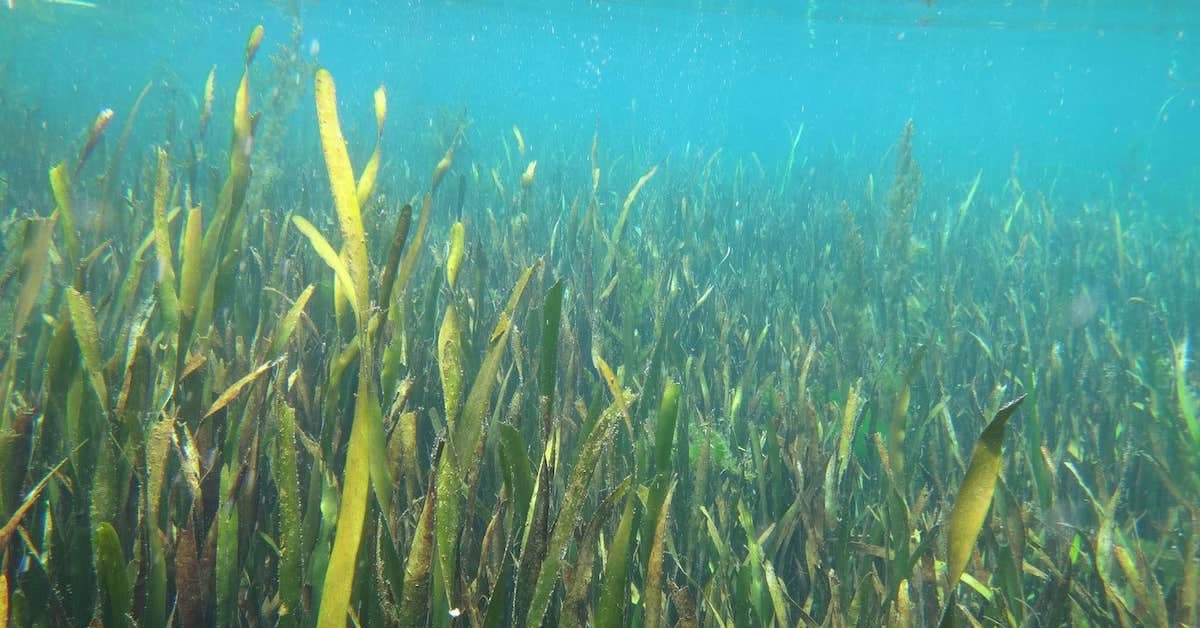
Submerged plants grow completely underwater. They release oxygen into the water. This helps fish and other animals breathe. Submerged plants also absorb nutrients that algae need. Common types are hornwort and elodea. They keep the pond clear and balanced.
Marginal Plants
Marginal plants grow at the pond’s edge. Their roots are in the water or wet soil. These plants create a natural border around the pond. They attract insects, birds, and frogs. Popular marginal plants include cattails and irises. They add color and texture to the pond’s edge.
Bog Plants
Bog plants grow in very wet soil near the pond. They do not usually sit in open water. These plants help filter water before it enters the pond. Examples are marsh marigold and sedges. Bog plants support wildlife and improve water quality.
Credit: kascomarine.com
Benefits Of Pond Plants
Pond plants bring many benefits to water gardens and natural ponds. They help keep the water clean and clear. These plants also support animals and insects. They create a healthy and balanced pond environment.
Water Purification
Pond plants filter the water by absorbing harmful chemicals. They take in excess nutrients like nitrogen and phosphorus. This stops these nutrients from polluting the water. The roots trap dirt and sediments, making the water clearer.
Algae Control
Plants compete with algae for sunlight and nutrients. This limits algae growth and prevents green water. Floating plants shade the pond surface, reducing light for algae. Healthy plant growth keeps algae under control naturally.
Oxygen Production
During photosynthesis, pond plants release oxygen into the water. This oxygen is vital for fish and other aquatic life. More oxygen means a healthier pond ecosystem. Plants also help maintain stable water conditions.
Habitat For Wildlife
Pond plants provide shelter and food for many creatures. Fish hide among the stems to avoid predators. Insects and frogs use plants for breeding and resting. Birds visit ponds with plants to find food and water.
Choosing The Right Plants
Choosing the right plants for your pond is key to a healthy water garden. Plants help keep the water clean and provide shelter for wildlife. Picking the best plants depends on several factors. These include climate, pond size, sunlight, and fish type.
Understanding these elements helps you select plants that will grow well and support your pond’s ecosystem. The right choices make your pond look beautiful and stay balanced.
Climate Considerations
Your local climate affects which plants will thrive. Some plants need warm weather, while others survive cold winters. Choose plants suited to your area’s temperature range. Hardy plants last through frost and heat. Tropical plants need mild, warm climates. Check if plants are annual or perennial for your zone.
Pond Size And Depth
Size and depth control plant growth and placement. Large ponds support more and bigger plants. Small ponds need fewer or smaller plants. Shallow areas are good for marginal plants. Deep water suits floating or submerged plants. Match plants to the space to avoid crowding or poor growth.
Sunlight Requirements
Sunlight drives plant health and photosynthesis. Some plants need full sun for several hours daily. Others prefer partial shade or low light. Observe your pond’s sun exposure. Select plants that match these conditions. This ensures strong growth and vibrant colors.
Compatibility With Fish
Fish and plants depend on each other. Fish may eat or damage some plants. Choose tough plants that can handle fish activity. Plants provide hiding spots and oxygen for fish. Avoid toxic plants that harm fish health. Balance plant types to support a lively pond environment.

Credit: www.reflectionswatergardens.com
Planting And Maintenance
Planting and maintaining pond plants is key to a healthy water garden. Proper care helps plants grow strong and keeps the pond clean. Good planting and regular upkeep create a balanced ecosystem. This section covers simple steps for planting and caring for pond plants.
Planting Techniques
Choose the right spot based on the plant’s sunlight needs. Use aquatic planting baskets to hold soil and roots. Plant crowns just above the soil surface. Avoid burying too deep to prevent rotting. Place plants in shallow water first, then move to deeper areas. Space plants to allow room for growth. Use gravel to cover soil and stop it from floating away.
Fertilizing Tips
Use slow-release fertilizer tablets designed for water plants. Push tablets into the soil near the roots. Fertilize monthly during the growing season. Avoid over-fertilizing to prevent algae blooms. Organic fertilizers work well and are safe for fish. Monitor plant health and adjust fertilizer as needed. Remove dead leaves to keep nutrients balanced.
Pruning And Thinning
Cut back dead or yellow leaves regularly. Thin crowded plants to improve water flow. Use clean, sharp scissors to avoid damage. Remove excess plants to control growth and prevent shade. Prune flowering stems to encourage new blooms. Dispose of cuttings away from the pond to stop decay. Keep plants tidy for a neat pond appearance.
Seasonal Care
In spring, clean debris and divide overgrown plants. Move tropical plants indoors before frost. In summer, check water levels and adjust as needed. Remove dead growth in late summer to prevent decay. Autumn calls for cutting back hardy plants. In winter, protect plants with pond heaters or bubble wrap. Watch for ice damage and clear snow gently.
Design Ideas With Pond Plants
Pond plants bring life and beauty to any water garden. They create a peaceful and natural space. Using plants wisely can turn a simple pond into a stunning feature. The right design ideas help balance colors, shapes, and textures. They also support healthy water and wildlife.
Creating Natural Borders
Planting along the pond edges softens hard lines. Use tall grasses and reeds to frame the water. Choose native plants for a natural look. These borders hide pond liners and rocks. They also provide shelter for frogs and insects.
Layering Plants For Depth
Place plants of different heights and types together. Low-growing water lilies float on the surface. Taller plants like cattails stand above the water. This layering adds depth and interest. It mimics how plants grow in nature.
Using Color And Texture
Mix plants with various leaf shapes and colors. Round leaves, spiky grasses, and broad petals create contrast. Bright flowers add pops of color. Different textures make the pond more lively and inviting.
Incorporating Hardscape Elements
Combine plants with stones, wood, or small bridges. Hardscape features offer structure and focus points. Rocks provide places for plants to grow around. Wood elements add warmth and natural charm. Together, they create a balanced, beautiful pond scene.
Common Issues And Solutions
Pond plants add beauty and life to any water garden. Yet, they come with some common challenges. Knowing how to handle these issues helps keep your pond healthy and attractive. Below are key problems and easy solutions for pond plant care.
Dealing With Invasive Species
Invasive plants can take over your pond quickly. They crowd out native plants and block sunlight. Remove invasive species by pulling them out carefully. Use a net or gloves to avoid spreading fragments. Dispose of these plants away from water to stop regrowth.
Managing Overgrowth
Plants grow fast in ponds with good conditions. Too much growth can reduce water flow and oxygen. Trim plants regularly to keep balance. Remove dead leaves and stems to prevent decay. Use floating plants sparingly to avoid shading underwater plants.
Pest Control
Pests like snails and insects can harm pond plants. Check plants often for signs of damage. Handpick pests or use natural predators like fish. Avoid chemical pesticides that can hurt pond life. Keep plants healthy to resist pests better.
Preventing Plant Diseases
Diseases can cause spots, wilting, or rot on plants. Good water quality helps prevent many diseases. Remove affected parts of plants quickly. Avoid overcrowding to improve air circulation. Use clean tools when trimming to stop spreading infections.
Sustainable Pond Planting
Sustainable pond planting helps keep your pond healthy and beautiful. It supports wildlife and uses resources wisely. Choosing the right plants and caring for them can improve your pond’s ecosystem. This way, you enjoy nature while protecting it.
Native Plant Selection
Choose plants that naturally grow in your area. Native plants fit well with local soil and climate. They need less water and care than non-native species. These plants provide food and shelter for local animals. This keeps your pond balanced and thriving.
Encouraging Biodiversity
Plant different types of pond plants to support many creatures. Variety helps insects, birds, and fish live and grow. Diverse plants improve water quality and prevent algae growth. More life in your pond means a stronger ecosystem. It makes your pond lively and natural.
Water Conservation Practices
Use plants that need little water to save resources. Place plants to shade water and reduce evaporation. Avoid over-watering and use rainwater if possible. Healthy plants help keep water clean and clear. These steps protect your pond and the environment.
How Smart Pets Lover Can Help You with Pond Plants
Learning Through Pond Plants: A Hands-On Approach
Understanding pond plants goes beyond just knowing their types or maintenance tips; it’s about observing nature’s delicate balance in action. Whether you’re choosing the right plants or tackling common issues, each step offers a practical learning opportunity. By experimenting with sustainable pond planting, you get to witness firsthand how these plants benefit your aquatic ecosystem—improving water quality and providing shelter for fish and other pond life.
For pet parents who cherish every wag, purr, and chirp, creating a thriving pond environment can deepen your connection to nature and your pets. This hands-on experience encourages patience and responsibility, much like caring for your furry or feathered friends.
- Try documenting your pond’s progress to spot growth patterns or issues early.
- Engage family members in planting and maintenance to teach teamwork and respect for living things.
- Use resources like Smart Pets Lover’s guides for research-backed advice that aligns with your care goals.
Curious about specific plant care questions or sustainable practices? You can always reach out to knowledgeable communities or experts for support—because learning is part of the joyful journey of responsible pet and pond care.
Frequently Asked Questions
What Are The Best Pond Plants For Beginners?
The best pond plants for beginners include water lilies, cattails, and duckweed. They are easy to grow and maintain, provide oxygen, and help control algae growth in your pond.
How Do Pond Plants Improve Water Quality?
Pond plants absorb excess nutrients and reduce algae growth. They oxygenate the water, support aquatic life, and create a balanced ecosystem, promoting clear and healthy pond water.
Which Pond Plants Provide Shade For Fish?
Water lilies and lotus plants provide excellent shade. Their broad leaves reduce sunlight penetration, helping keep water temperature low and protecting fish from direct sunlight.
How Often Should Pond Plants Be Trimmed?
Trim pond plants every 4 to 6 weeks during the growing season. Regular pruning prevents overgrowth, maintains plant health, and keeps the pond visually appealing.
Conclusion
Pond plants bring life and beauty to any water garden. They help keep water clean and clear. Fish and other creatures find food and shelter there. Choosing the right plants can make your pond healthy and balanced. Remember to care for your plants regularly.
Watch them grow and enjoy the peaceful scene they create. A well-planted pond is a joy to see and a gift to nature. Simple steps lead to a thriving pond full of life.