Staghorn Algae: Ultimate Guide to Identification and Removal
Have you ever noticed strange, branching green growths taking over your aquarium or pond? That’s staghorn algae, and it can quickly become a frustrating problem if left unchecked.
If you want to keep your water clear and your plants healthy, understanding what staghorn algae is and how to deal with it is key. You’ll discover simple ways to identify, control, and prevent this stubborn algae from ruining your aquatic space.
Keep reading to take back control and enjoy a cleaner, healthier environment for your water life.

Credit: www.2hraquarist.com
Staghorn Algae Traits
Staghorn algae is a type of algae known for its unique traits. These traits help it grow and survive in many water environments. Understanding its features can help manage and identify it easily.
This section explains the key traits of staghorn algae, including its look, growth habits, and where it usually lives.
Physical Characteristics
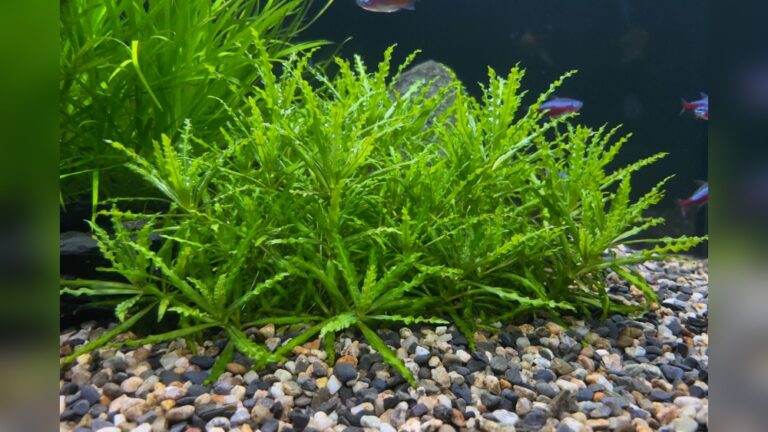
Staghorn algae looks like tiny branches or antlers. It has a rough texture and a green to dark green color. The algae forms thick mats that spread over surfaces. Its shape is rigid and sharp, making it easy to spot.
Growth Patterns
This algae grows quickly in warm, nutrient-rich water. It spreads by attaching to rocks, plants, and aquarium glass. Growth happens in layers, creating dense patches. It can cover large areas, blocking light for other plants.
Common Habitats
Staghorn algae thrives in freshwater and brackish water. It prefers slow-moving or still water bodies. You often find it on rocks, wood, and aquarium decorations. It grows well in places with good light and nutrients.
Causes Of Staghorn Algae
Staghorn algae can quickly take over aquariums and ponds. Understanding its causes helps prevent and control it. This algae thrives under certain conditions that encourage its fast growth. Below are the main factors that cause staghorn algae to appear.
Water Conditions
Staghorn algae grows well in water with poor circulation. Stagnant water creates ideal spots for algae to stick. High water temperatures also speed up its growth. Sudden changes in water chemistry can stress plants, allowing algae to spread. Keeping water clean and well-oxygenated reduces algae problems.
Nutrient Sources
Excess nutrients feed staghorn algae. Nitrates and phosphates from fish waste or overfeeding provide food. Uneaten food and decaying plant matter add to nutrient levels. Using too many fertilizers can also cause algae blooms. Controlling nutrient levels limits algae growth effectively.
Light Exposure
Staghorn algae needs light to grow quickly. Too much direct light encourages its spread. Long hours of bright light create perfect conditions. Low or moderate light helps keep algae under control. Adjusting light intensity and duration reduces algae growth in tanks.
Identifying Staghorn Algae
Identifying Staghorn Algae is the first step to controlling it in your aquarium. This algae grows fast and can cover plants and decorations. Knowing how to spot it helps protect your tank’s health.
Visual Signs
Staghorn Algae looks like tiny branches or antlers. It has a green to dark green color. The algae forms thick mats or tufts on plants and rocks. It feels rough and can be hard to remove by hand. Watch for fast spreading patches that change the tank’s look.
Differences From Similar Algae
Staghorn Algae is different from hair algae or black beard algae. Hair algae is thinner and softer. Black beard algae has a dark, fuzzy appearance but grows shorter. Staghorn has rigid, branching growth like tiny trees. Spotting these differences helps in choosing the right treatment.
Tools For Detection
A magnifying glass helps see the fine branches clearly. Use a strong flashlight to check shaded areas. Regular tank inspections catch algae early. Photos can track growth over time. Early detection stops Staghorn Algae from taking over your tank.
Health Effects On Aquatic Life
Staghorn algae can seriously affect aquatic life health. Its growth changes water conditions and harms many creatures. Understanding these effects helps protect fish, plants, and the entire ecosystem.
Impact On Fish
Staghorn algae can reduce oxygen levels in water. Fish need oxygen to survive and stay healthy. Thick algae blocks light and reduces food sources. Fish may become weak or die from lack of oxygen. Algae also makes it hard for fish to swim freely.
Effects On Plants
Staghorn algae covers plants and blocks sunlight. Plants need sunlight for photosynthesis and growth. Without light, plants weaken and may die. This algae also competes with plants for nutrients. It can quickly take over space and choke out native plants.
Ecosystem Balance
Algae growth disrupts the natural balance of water. It changes oxygen and nutrient levels, affecting all life forms. Too much algae causes fish and plants to suffer. This imbalance reduces water quality and harms aquatic biodiversity. Healthy ecosystems rely on stable conditions without excessive algae.
Manual Removal Techniques
Manual removal techniques offer a direct way to control Staghorn Algae in your aquarium. These methods help reduce algae growth without chemicals. They require patience and regular effort but can be very effective.
Physical Scrubbing
Physical scrubbing removes algae from aquarium surfaces. Use a soft brush or sponge to gently clean plants and decorations. Avoid harsh scrubbing to prevent damage to delicate surfaces. Regular scrubbing stops algae from spreading further.
Water Changes
Frequent water changes reduce nutrients that feed Staghorn Algae. Replace 10-20% of water weekly to keep conditions clean. Fresh water lowers phosphate and nitrate levels, which algae need. Clean water helps plants grow stronger and compete with algae.
Using Algae Scrapers
Algae scrapers are tools designed to scrape algae off glass and acrylic. Choose scrapers with soft edges to avoid scratching your tank. Scrape gently and regularly to keep algae from building up. Scrapers reach tight corners and hard-to-clean areas easily.
Chemical Treatments
Chemical treatments offer a direct way to control staghorn algae in your aquarium or pond. These treatments target the algae without harming most plants and fish. Choosing the right chemical and using it correctly is key to success.
Safe Algaecides
Safe algaecides help remove staghorn algae effectively. Products with copper or hydrogen peroxide are common choices. These chemicals kill algae quickly but do not harm fish at low doses. Always pick algaecides labeled safe for your water type and aquatic life.
Dosage Guidelines
Follow the dosage instructions carefully to avoid problems. Measure the water volume before adding any chemical. Use the smallest effective dose first. Overdosing can harm fish and plants. Repeat treatments may be needed but wait the recommended time between doses.
Precautions And Risks
Chemical treatments can stress fish and beneficial bacteria. Test water parameters often during treatment. Avoid sudden changes in temperature and pH. Remove activated carbon from filters before use. Always use protective gear like gloves and goggles. Store chemicals safely away from children and pets.
Preventing Staghorn Algae
Preventing staghorn algae is key to keeping a healthy aquarium. This algae grows fast and spreads easily. Controlling its growth helps protect plants and fish.
Simple steps can reduce the chances of staghorn algae taking over. Focus on nutrient control, proper lighting, and regular cleaning. These actions create an environment where algae struggles to grow.
Controlling Nutrients
Staghorn algae feeds on excess nutrients like nitrate and phosphate. Avoid overfeeding fish to reduce waste. Use quality water with low nutrient levels. Test water often to keep nutrients in check. A balanced nutrient level helps stop algae growth.
Lighting Adjustments
Light plays a big role in algae growth. Too much light encourages staghorn algae. Use a timer to limit light hours to 8-10 per day. Choose light intensity suited for your plants, not algae. Proper lighting slows down algae’s spread.
Regular Maintenance
Cleaning the tank regularly removes algae spores and debris. Perform partial water changes weekly to keep water fresh. Scrub surfaces gently to remove algae buildup. Remove dead plant material quickly. Consistent care keeps algae under control.

Credit: www.2hraquarist.com
Natural Remedies
Natural remedies offer gentle ways to control staghorn algae in your aquarium or pond. These methods work with nature, avoiding harsh chemicals. They help keep the water healthy for fish and plants.
Using natural solutions can reduce algae growth and improve water clarity. Here are some effective approaches to try.
Beneficial Organisms
Certain fish and invertebrates eat staghorn algae. Siamese algae eaters and Amano shrimp are popular choices. They nibble on algae without harming plants. Adding these creatures helps control algae naturally.
Snails like nerite snails also feed on algae. They clean hard-to-reach spots. Beneficial organisms create a balanced ecosystem. This balance keeps algae growth in check.
Homemade Solutions
Simple homemade remedies can help fight staghorn algae. A mixture of diluted hydrogen peroxide can be spot-applied. It kills algae without harming fish. Use a syringe to target affected areas carefully.
Another option is vinegar. Diluted vinegar can remove algae from decorations. Rinse well before placing items back in water. These solutions are safe and cost-effective for small problems.
Plant Competition
Fast-growing plants compete with algae for nutrients. Adding plants like hornwort or water sprite helps reduce algae food. They absorb excess nutrients quickly.
Healthy plants create shade and lower light, which staghorn algae dislike. Dense plant growth blocks algae from spreading. Strong plant competition naturally limits algae growth.
Long-term Management
Managing Staghorn Algae over time needs steady care and attention. This algae grows fast and can return if ignored. Keeping it under control means watching your tank closely. Changing your care habits helps stop its growth. Sometimes, expert advice is needed to keep your aquarium healthy.
Monitoring Strategies
Check your aquarium every few days for new algae spots. Use a magnifying glass to spot early growth. Note changes in algae size or color. Track water quality regularly to find any imbalance. Keep a journal of your observations for better care.
Adjusting Care Routines
Reduce excess nutrients by feeding fish less. Clean the tank and decorations often. Change water regularly to remove algae spores. Adjust lighting to avoid too much brightness. Use algae-eating fish or snails as natural helpers. Keep plants healthy to compete with algae.
When To Seek Expert Help
Call a professional if algae spreads fast despite your efforts. Ask for water tests to check hidden problems. Get advice on safe treatments for your specific tank. Experts can suggest better fish or plants to balance the ecosystem. Don’t wait too long to get help. Early action saves your aquarium’s health.

Credit: aquariumbreeder.com
How Smart Pets Lover Can Help You with Staghorn Algae
Turning Knowledge About Staghorn Algae Into Practical Learning
Understanding staghorn algae goes beyond just identifying its traits or causes; it opens doors to hands-on learning experiences that deepen our connection with aquatic environments. For pet parents, especially those caring for fish, recognizing how staghorn algae impacts aquatic life health is crucial. This awareness encourages mindful aquarium maintenance, blending manual removal techniques with natural remedies to create a balanced ecosystem.
Smart Pets Lover believes that every pet parent can become a confident caretaker by embracing such practical lessons. Observing algae growth patterns, experimenting with prevention strategies, and applying long-term management not only protect your aquatic friends but also nurture a sense of responsibility and curiosity.
- Keep a journal of algae presence and aquarium conditions
- Try safe, natural treatments before resorting to chemicals
- Share findings and questions with trusted pet care communities
For more detailed guidance or to discuss specific concerns about staghorn algae, reaching out to aquatic specialists or local pet experts can be invaluable. After all, where every wag, purr, and chirp tells a story, so does every ripple and bloom in your tank.
Frequently Asked Questions
What Is Staghorn Algae In Aquariums?
Staghorn algae is a type of filamentous algae that grows in aquarium tanks. It appears as branching, hair-like structures resembling deer antlers. This algae can quickly spread and cover plants, decorations, and substrate, affecting aquarium aesthetics and water quality.
How To Identify Staghorn Algae Growth?
Staghorn algae looks like green, bushy, branching filaments. It attaches firmly to aquarium surfaces and plants. Its growth is dense and can form thick mats, making it easily distinguishable from other algae types due to its unique antler-like appearance.
What Causes Staghorn Algae In Tanks?
Staghorn algae thrives in tanks with excess nutrients like nitrates and phosphates. Poor water circulation and high light levels also encourage its growth. Overfeeding fish and infrequent water changes contribute to nutrient buildup, promoting staghorn algae proliferation.
How To Effectively Remove Staghorn Algae?
Manual removal by scrubbing or trimming affected areas helps control staghorn algae. Reducing light exposure and lowering nutrient levels through regular water changes prevent regrowth. Using algae-eating fish or invertebrates can also aid in managing this algae.
Conclusion
Staghorn algae can be tough to control in your tank. Regular cleaning helps keep it at bay. Use proper lighting and avoid overfeeding fish. Healthy plants and good water flow fight algae growth. Patience and care make a big difference over time.
Stay consistent with your aquarium routine. Clear water and a balanced tank bring joy. Small steps protect your underwater world. Keep learning, and your tank will thrive.