Chocolate Chip Starfish
Have you ever spotted a starfish that looks like it’s sprinkled with tiny chocolate chips? That’s the Chocolate Chip Starfish, a fascinating sea creature that might just change the way you see the ocean.
If you’re curious about what makes this starfish so unique and why it’s worth knowing about, you’re in the right place. Keep reading, and you’ll discover surprising facts that will make you want to explore more about these amazing underwater gems.
Your next beach visit will never be the same!
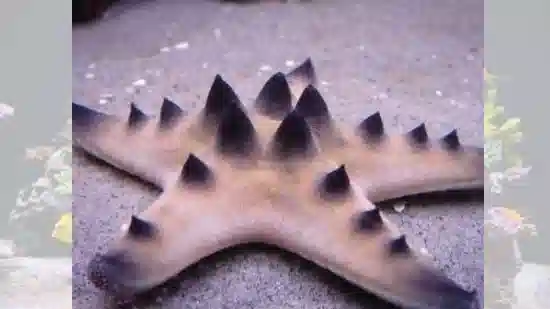
Credit: www.saltwaterfish.com
Chocolate Chip Starfish Basics
The Chocolate Chip Starfish is a fascinating sea creature. It stands out with unique features and an interesting lifestyle. Learning about its basics helps us understand the ocean better.
This starfish gets its name from the dark spots on its body. These spots look like chocolate chips on a cookie. This simple feature makes it easy to recognize.
Physical Characteristics
The Chocolate Chip Starfish has five thick arms. Its body is tough and covered with small bumps. Dark, cone-shaped spots cover the top, resembling chocolate chips.
It grows up to 12 inches wide. Its color ranges from light brown to gray. The texture helps it blend with rocky ocean floors and coral reefs.
Habitat And Distribution
This starfish lives mostly in shallow waters. It prefers coral reefs, sandy bottoms, and rocky areas. It stays near the ocean floor, hiding during the day.
Its range includes the Indo-Pacific region. It can be found from East Africa to the central Pacific. The warm, tropical waters are ideal for its survival.
Behavior And Diet
The Chocolate Chip Starfish has unique behavior and diet traits. These traits help it survive in its natural habitat. Understanding how it feeds and moves gives insight into its daily life.
Feeding Habits
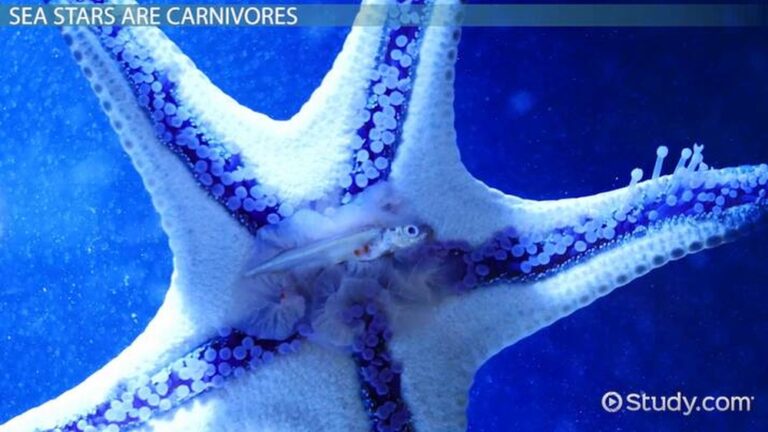
Chocolate Chip Starfish are carnivores. They mainly eat small animals like mollusks and clams. They use their tube feet to pry open shells. Then, they push their stomach out to digest the prey outside their body. This method allows them to consume food that is hard to reach or break. Feeding usually happens at night when they are less visible to predators.
Movement Patterns
These starfish move slowly using hundreds of tube feet. They glide over rocks and sand searching for food. Movement is steady but not fast. They can also climb on coral reefs. This helps them avoid danger and find new feeding spots. Their movement is mostly guided by light and touch senses.
Reproduction And Growth
The Chocolate Chip Starfish has a fascinating process of reproduction and growth. Understanding this helps us appreciate how these creatures thrive in their ocean homes. Their life cycle includes unique stages, each important for their survival and development.
Breeding Cycle
Chocolate Chip Starfish reproduce mainly during warm months. Males and females release eggs and sperm into the water. Fertilization happens outside their bodies. This method is called external fertilization. The adults do not care for their young. Instead, the larvae float freely in the ocean. This stage helps spread the species over a wide area.
Development Stages
The fertilized eggs hatch into tiny larvae. These larvae drift with ocean currents. They feed on plankton to grow. After several weeks, they change into juvenile starfish. At this point, they settle on the ocean floor. The young starfish slowly grow to full size. It takes months to years for them to mature. Growth depends on food availability and water temperature.

Credit: aquariumbreeder.com
Ecological Role
The Chocolate Chip Starfish plays an important part in ocean life. It helps keep the sea floor healthy and balanced. This starfish interacts with many other sea creatures. Its role affects the entire marine ecosystem.
Understanding its place in nature helps us protect ocean life better. This starfish is more than just a strange-looking animal. It is a key player in the underwater world.
Predators And Threats
Chocolate Chip Starfish face several natural predators. Large fish and sea turtles often eat them. Crabs and some types of snails can also be threats. Pollution and habitat loss add to their dangers. Human activities disturb their home and food supply. These threats can reduce their population quickly.
Role In Marine Ecosystems
This starfish helps control the growth of other sea animals. It feeds on sponges and small invertebrates. This feeding keeps sponge populations in check. Balanced sponge numbers allow coral reefs to thrive. The starfish also recycles nutrients back into the ocean. Its movement stirs the sea floor, helping oxygen reach small creatures. This activity supports a healthy and diverse ocean habitat.
Conservation Status
The Chocolate Chip Starfish is not currently endangered. It lives in many coastal areas and faces few threats. Protecting its habitat helps keep its numbers stable.
The chocolate chip starfish faces threats in its natural habitat. Its population is affected by pollution and habitat loss. These starfish play an important role in marine ecosystems. Protecting them helps keep ocean life balanced.
Scientists study their numbers to understand how they are doing. Efforts are in place to protect these starfish and their environment. Awareness and action can help preserve the chocolate chip starfish for future generations.
Population Trends
Population numbers of chocolate chip starfish vary by region. Some areas show a decline due to human activity. Overfishing and coastal development reduce their living spaces. Pollution also harms their health and reproduction rates.
In some protected zones, numbers remain stable or grow slowly. Monitoring helps track their recovery or further decline. Data from scientists guide conservation strategies and priorities.
Protection Efforts
Marine parks and reserves offer safe areas for chocolate chip starfish. These zones limit harmful activities like fishing and pollution. Local communities join efforts to keep beaches and reefs clean.
Education programs teach people about starfish importance. Research supports better management and protection plans. These combined actions aim to secure a future for the chocolate chip starfish.
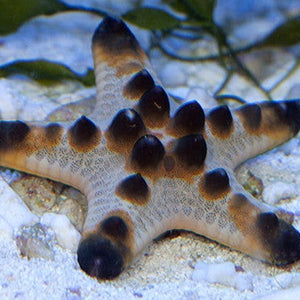
Credit: vividaquariums.com
Interesting Facts
Chocolate Chip Starfish have many fascinating traits. These sea creatures are unique and full of surprises. Learning about them helps us appreciate ocean life better.
Here are some interesting facts about Chocolate Chip Starfish that you might not know.
What Does The Name Mean?
The name comes from dark, chip-like spots on their body. These spots look like chocolate chips. They are actually small, hard spikes for protection.
Where Do They Live?
Chocolate Chip Starfish live in warm ocean waters. They prefer sandy or rocky sea floors. You can often find them near coral reefs.
How Do They Eat?
These starfish are carnivores. They eat mollusks like clams and oysters. They use their strong arms to open shells slowly.
Can They Regrow Arms?
Yes, they can regrow lost arms over time. This helps them survive attacks from predators. Regrowth is a natural healing process.
Are They Dangerous?
Chocolate Chip Starfish are not harmful to humans. Their spikes may look sharp but cause no injury. They are mostly harmless and shy creatures.
How Smart Pets Lover Can Help You with Chocolate Chip Starfish
Exploring Chocolate Chip Starfish: Hands-On Learning Ideas
Getting to know the Chocolate Chip Starfish beyond just facts can be a rewarding experience for any nature enthusiast. Their unique behavior and diet, for instance, offer practical learning opportunities that bring marine ecology to life. Observing how these starfish interact with their environment helps deepen understanding of their ecological role, showing how even small creatures contribute to ocean health.
If you’re fascinated by their reproduction and growth, consider setting up a simple tide pool observation project or visiting a local aquarium. Tracking changes over time not only builds patience but also highlights the delicate balance these starfish maintain in their habitats.
- Keep a journal to note behavioral patterns and environmental conditions.
- Research conservation efforts and how responsible pet ownership extends to marine life appreciation.
- Connect with communities like Smart Pets Lover for shared insights and tips on caring for aquatic pets and fostering respect for wild species.
For those eager to dive deeper, reaching out to marine biology centers or local environmental groups can be invaluable. These experiences enrich your connection with nature and align perfectly with the mission to feel informed, confident, and connected—where every discovery tells a story.
Frequently Asked Questions
What Are Chocolate Chip Starfish?
Chocolate Chip Starfish are sea stars known for their dark, chip-like spots. They inhabit warm ocean waters and have a tough, spiny texture. These starfish play a vital role in marine ecosystems by preying on coral and other small invertebrates.
Where Can Chocolate Chip Starfish Be Found?
They are commonly found in the Indo-Pacific region, especially around coral reefs. These starfish prefer shallow, tropical waters with plenty of hiding spots. Popular locations include the Great Barrier Reef and the Red Sea.
Why Are Chocolate Chip Starfish Important To Coral Reefs?
Chocolate Chip Starfish help control coral growth by feeding on coral polyps. This maintains reef diversity and prevents any coral species from dominating. However, their population must be balanced to avoid coral damage.
How Do Chocolate Chip Starfish Reproduce?
They reproduce by releasing eggs and sperm into the water for external fertilization. The larvae drift in the ocean before settling on the seabed. This process ensures genetic diversity and the continuation of their species.
Conclusion
Chocolate Chip Starfish are unique and interesting sea creatures. They live mostly in warm ocean waters. Their small size and spotted look make them easy to recognize. These starfish play a key role in ocean life by eating small animals.
Watching them can be fun and educational. Protecting their homes helps keep the ocean healthy. Learning about Chocolate Chip Starfish teaches us about nature’s balance. They remind us how diverse and amazing sea life truly is. Keep exploring and appreciating these fascinating creatures.