Frontosa Cichlid
Are you ready to add a stunning and unique fish to your aquarium? The Frontosa Cichlid might be exactly what you’re looking for.
With its striking colors and calm personality, this fish can become the star of your tank. But before you bring one home, it’s important to know how to care for it properly. You’ll discover everything you need to create the perfect environment for your Frontosa Cichlid and keep it healthy and happy.
Keep reading to unlock the secrets of this fascinating fish and make your aquarium truly special.

Credit: en.wikipedia.org
Frontosa Cichlid Traits
The Frontosa Cichlid is a unique fish known for its striking traits. These traits make it a favorite among aquarium enthusiasts. Understanding these traits helps in caring for the fish properly. This section covers the Frontosa Cichlid’s physical look, size, lifespan, and behavior.
Physical Appearance
The Frontosa Cichlid has a large, rounded body. Its colors range from blue to white with dark vertical stripes. The fish has a distinctive hump on its forehead. Its long fins add to its elegant look. The pattern and colors can change slightly with age and mood.
Size And Lifespan
Frontosa Cichlids grow quite large, often reaching 12 to 14 inches. They need spacious tanks to swim comfortably. Their lifespan is around 10 to 15 years in good care. Proper diet and clean water help them live longer. This fish grows slowly compared to other cichlids.
Behavioral Characteristics
This fish is calm and peaceful most of the time. It prefers to live in groups or pairs. The Frontosa is shy and hides when stressed. It likes to stay near rocks and caves. It hunts small fish and invertebrates in the wild. This fish is mainly active during the day.

Credit: en.wikipedia.org
Natural Habitat
The Frontosa Cichlid thrives in a unique natural habitat. Understanding its environment helps keep this fish healthy and happy. This section explores where it comes from and the conditions it needs.
Lake Tanganyika Origins
Frontosa Cichlids come from Lake Tanganyika in Africa. This lake is one of the oldest and deepest in the world. It provides a stable home for many fish species. The rocky shores of the lake offer shelter and breeding areas. Frontosas live mostly near the bottom, hiding in caves and crevices.
Water Conditions
Water in Lake Tanganyika is clear and alkaline. The pH level usually stays between 8.0 and 9.0. Temperatures range from 74 to 82 degrees Fahrenheit. The water is hard, meaning it has many minerals. These conditions keep Frontosas healthy and active in the wild.
Tank Environment
Replicating the natural habitat in a tank is important. Use plenty of rocks to create caves and hiding spots. Keep the water clean with good filtration. Maintain a stable pH between 8.0 and 9.0. Set the temperature around 78 degrees Fahrenheit. A sandy substrate mimics the lake bottom well.
Tank Setup
Setting up a tank for Frontosa Cichlids needs care and the right environment. These fish thrive in spacious tanks with stable water conditions. Proper setup helps them stay healthy and show their true colors. The tank should mimic their natural habitat as much as possible.
Focus on tank size, substrate, decorations, filtration, and lighting. Each part plays a key role in their well-being. Here is what you need to know for a perfect Frontosa tank setup.
Tank Size Requirements
Frontosas grow quite large and need plenty of space. A minimum tank size of 75 gallons suits a single adult. For a small group, 125 gallons or more works best. Tall tanks are better than wide ones. They like to swim in open water but need hiding spots too.
Substrate And Decorations
Use sand or fine gravel as substrate. Frontosas prefer soft, smooth surfaces to dig and rest on. Add rocks and caves to create shelters. These decorations help reduce stress and mimic their lake habitat. Avoid sharp items that could hurt the fish. Keep decorations stable and secure.
Filtration And Lighting
Strong filtration is important for clean water. Frontosas produce a lot of waste, so use a powerful filter. Change water regularly to maintain quality. Lighting should be moderate, not too bright. Soft lighting keeps the fish comfortable and highlights their colors. Use a timer to keep a consistent day-night cycle.
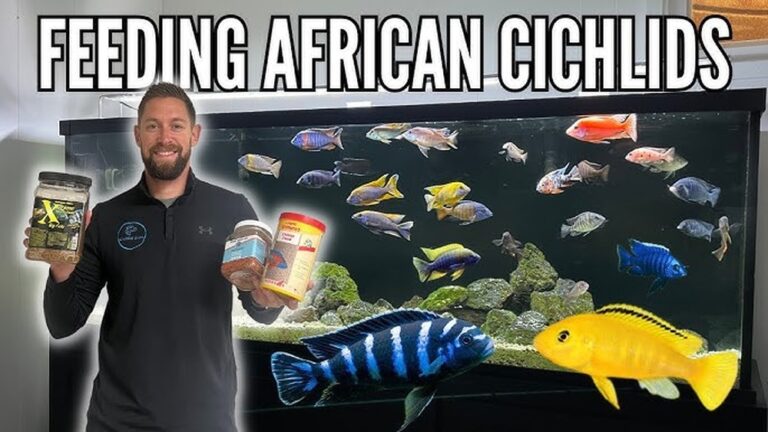
Feeding Frontosa
Feeding Frontosa Cichlids correctly is very important for their health and color. These fish need a diet that matches what they eat in the wild. Proper feeding helps them grow strong and stay active. It also reduces health problems.
Understanding their natural diet helps you pick the right foods for your Frontosa. Knowing how often to feed them keeps them healthy without overfeeding.
Diet In The Wild
Frontosa live in Lake Tanganyika. They eat mainly small fish and crustaceans. Their diet includes shrimp, small fish, and insect larvae. These fish hunt slowly near rocks. They prefer high-protein foods that are easy to catch.
Recommended Foods
Feed Frontosa a mix of high-quality pellets and live or frozen foods. Use sinking pellets made for carnivores. Offer frozen shrimp, bloodworms, and brine shrimp. Occasionally, add small pieces of fish or earthworms. Avoid too many flakes or vegetable foods.
Feeding Frequency
Feed adult Frontosa two to three times a week. Young fish need food daily for growth. Give small amounts to prevent leftover food. Clean uneaten food quickly to keep water clean. Avoid overfeeding to prevent health issues.
Breeding Frontosa
Breeding Frontosa cichlids can be a rewarding experience for aquarium enthusiasts. These fish have unique behaviors and specific needs during breeding. Understanding how to identify males and females, create the right environment, and care for the young is essential. This guide will help you start breeding Frontosa with confidence.
Sexing Frontosa
Male Frontosas are generally larger and have a more pronounced nuchal hump on their heads. Females tend to be smaller and rounder in the belly area. Males also show brighter colors during breeding times. Observing their behavior can help; males are often more territorial and active.
Breeding Conditions
Frontosas prefer calm water with a temperature between 75°F and 80°F. A pH level of 7.8 to 9.0 is ideal. Provide plenty of rocks and caves for hiding and spawning. Keep the tank clean and stable. Dim lighting mimics their natural habitat and reduces stress.
Raising Fry
Frontosa fry need gentle care. Start feeding them with tiny live foods like baby brine shrimp. Keep water quality high by changing water often. Avoid strong water currents to protect the young fish. Separate the fry from adult fish to prevent harm.
Health And Care
Frontosa Cichlids are strong fish but need proper care to stay healthy. Their health depends on good tank conditions and regular care. Understanding their common diseases and how to prevent them is important for every owner.
Proper water quality is key to keeping Frontosas active and disease-free. Regular checks and maintenance help avoid many health problems. This section covers common diseases, ways to prevent them, and how to maintain water quality.
Common Diseases
Frontosa Cichlids can get diseases like Ich, fin rot, and swim bladder issues. Ich shows as white spots on their body and fins. Fin rot causes frayed or decaying fins. Swim bladder problems affect their swimming balance. Stress and poor water quality increase disease risk.
Preventive Measures
Keep the tank clean and stable to reduce disease chances. Feed Frontosas a balanced diet to boost their immunity. Avoid overcrowding to reduce stress and fighting. Quarantine new fish before adding them to the main tank. Regularly check fish for early signs of illness.
Water Quality Maintenance
Test water parameters like pH, temperature, and ammonia weekly. Frontosas prefer pH between 7.8 and 9.0 and temperature around 75-80°F (24-27°C). Change 20-30% of the water every week to keep it fresh. Use a reliable filter to remove waste and toxins. Clean substrate and decorations regularly to avoid buildup.
Compatibility With Other Fish
The Frontosa Cichlid is a calm but territorial fish. Knowing which fish can live with it helps keep peace in the tank. Understanding its behavior aids in creating a balanced aquarium environment. This section explains how to choose tank mates and manage aggression.
Suitable Tank Mates
Choose fish that match the Frontosa’s size and temperament. Larger, peaceful cichlids work well. Avoid small or overly active fish. Catfish and some types of plecos also fit nicely. Fish that prefer similar water conditions make good companions.
Aggression Management
Frontosas can be territorial, especially during breeding. Provide plenty of hiding spots and caves. Space helps reduce fights and stress. Keep the tank large enough for all fish to establish territories. Monitor fish behavior and separate if needed.
Community Tank Tips
Keep a single Frontosa or a small group to avoid dominance issues. Introduce tank mates slowly and observe closely. Feed all fish well to reduce competition. Use neutral decorations to avoid triggering aggression. Regular water changes keep the environment healthy for all.

Credit: www.tampabaycichlids.com
Frontosa Cichlid Varieties
The Frontosa Cichlid is famous for its striking appearance and calm nature. This fish comes in several varieties that differ in color and pattern. These differences make Frontosas a favorite among aquarium hobbyists. Understanding the varieties helps choose the best type for your tank.
Color Variations
Frontosa Cichlids show many color variations. The most common colors are blue, white, and black. Some have a mix of these colors in stripes or spots. The blue Frontosa is popular for its deep, rich hue. White Frontosas have a lighter, more subtle look. Black-striped Frontosas stand out with bold, clear bands across their body.
Popular Strains
Several strains of Frontosa are well-known worldwide. The Cape Town Frontosa is famous for its bright colors and large size. The Zaire Frontosa has a darker body with strong black stripes. The Burundi strain often shows a mix of blue and white with soft markings. Each strain has unique traits that appeal to different fish keepers.
Selection Tips
Choose Frontosas with clear, bright colors for a healthy fish. Look for strong, even stripes or spots without blurring. Pick fish that swim actively but calmly. Avoid those with torn fins or dull scales. Always select Frontosas that show good body shape and size for their age. Healthy fish adapt better to your aquarium environment.
How Smart Pets Lover Can Help You with Frontosa Cichlid
Learning from Your Frontosa Cichlid Journey
Getting to know your Frontosa Cichlid is more than just setting up the perfect tank or mastering their diet—it’s a rewarding practical learning experience. Observing their unique traits and natural behaviors in a carefully maintained environment teaches patience and attentiveness, key skills for any fish enthusiast. For example, understanding their compatibility with other fish helps create a harmonious aquarium community, reflecting lessons on social dynamics and respect.
Breeding Frontosas offers another layer of hands-on learning, inviting you to explore their fascinating reproductive habits while honing your skills in tank setup and water quality management. It’s a reminder that caring for these majestic fish is a continual process of discovery and adjustment.
At Smart Pets Lover, we believe every pet parent’s journey is a story worth sharing. Whether you’re troubleshooting health concerns or experimenting with feeding routines, reaching out to fellow Frontosa keepers or aquatic experts can deepen your connection and confidence. For more support, consider connecting with local aquatic societies or trusted online communities dedicated to cichlids.
Frequently Asked Questions
What Is The Ideal Tank Size For Frontosa Cichlids?
Frontosa Cichlids need at least a 75-gallon tank. Larger tanks help maintain stable water conditions and provide ample swimming space for their size and behavior.
What Water Parameters Do Frontosa Cichlids Require?
They thrive in water with a pH of 7. 8 to 9. 0 and temperature between 74°F to 80°F. Stable, clean water is crucial for their health.
What Do Frontosa Cichlids Eat In Captivity?
Frontosas are carnivores. Feed them high-quality pellets, frozen or live foods like shrimp, krill, and small fish to mimic their natural diet.
How Aggressive Are Frontosa Cichlids Towards Tank Mates?
Frontosas are moderately aggressive. They do best with similarly sized, peaceful fish. Avoid small, aggressive species to reduce stress and conflict.
Conclusion
Frontosa cichlids are stunning fish with unique care needs. They thrive best in calm, spacious tanks with stable water. Feeding them a varied diet keeps them healthy and vibrant. Watching their slow, graceful movements can be very relaxing. These fish make a great choice for patient hobbyists.
Remember, good water quality is key to their happiness. Enjoy the beauty and calm they bring to your aquarium. Careful attention helps frontosas live long, healthy lives. Their peaceful nature fits well with other large, gentle fish.