Royal Gramma
If you’ve ever wanted to add a splash of vibrant color to your aquarium, the Royal Gramma is the perfect choice for you. This small, stunning fish is not only easy to care for but also brings a lively and peaceful vibe to your tank.
Imagine watching its bright purple and yellow colors dance through the water—it’s like having a living jewel right in your home. Keep reading, and you’ll discover everything you need to know to make your Royal Gramma thrive and become the star of your aquatic setup.

Credit: en.wikipedia.org
Royal Gramma Characteristics
The Royal Gramma is a small, bright fish popular in saltwater aquariums. Its striking look and peaceful nature make it a favorite among hobbyists. Understanding its characteristics helps in caring for this beautiful species properly.
This section covers the Royal Gramma’s physical appearance, size, lifespan, and color variations. Each trait adds to its charm and uniqueness.
Physical Appearance
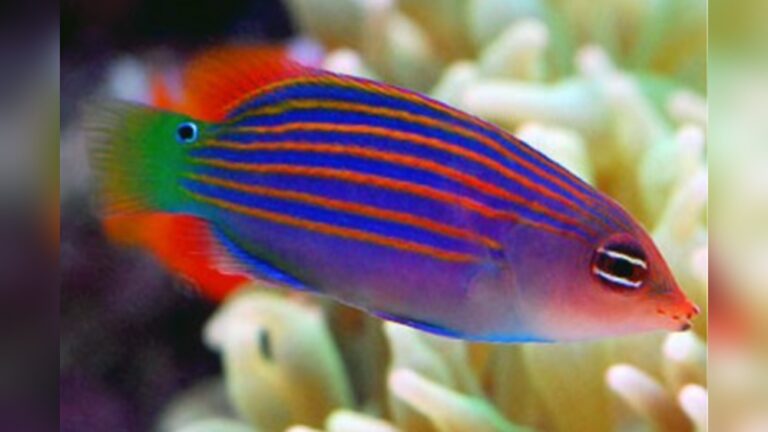
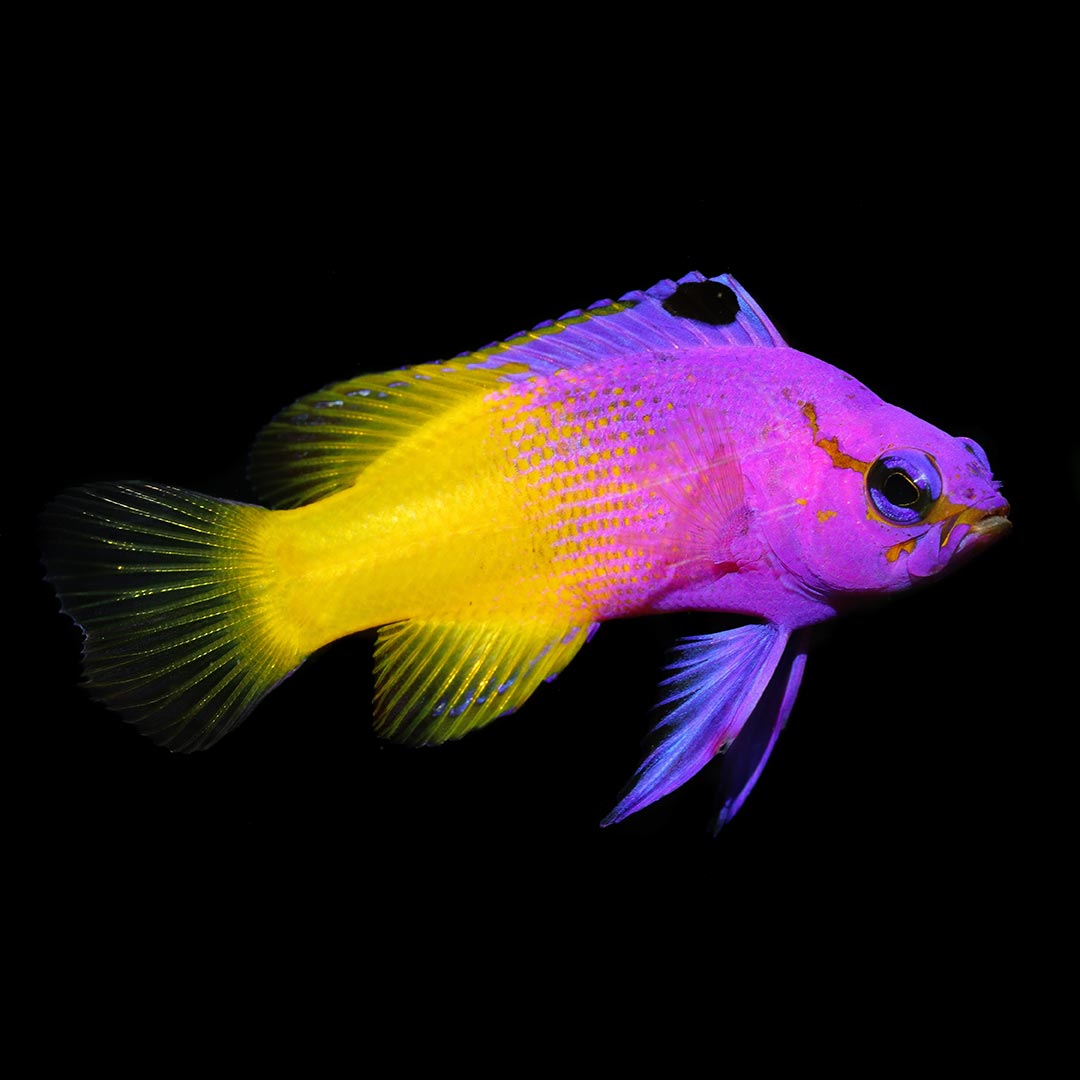
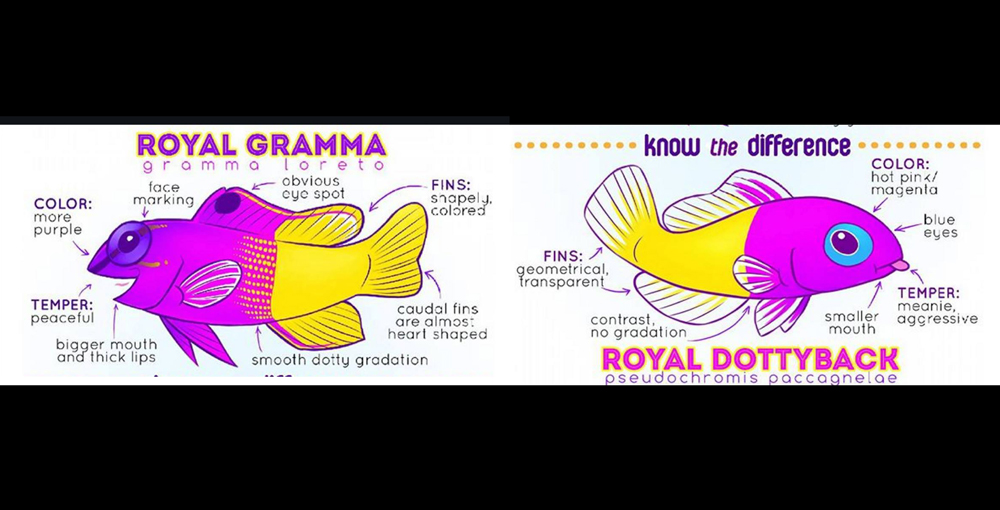
The Royal Gramma has a slender body with smooth edges. Its most notable feature is the clear split of colors along its body. The front half shines with a vivid purple shade. The back half glows in bright yellow. Its fins are mostly translucent and delicate. The eyes are large and round, giving the fish an alert look.
Size And Lifespan
This fish stays small, making it perfect for home tanks. It grows up to 3 inches in length. Despite its size, it lives a surprisingly long life. In a well-kept aquarium, it can live up to 6 years. Proper care and a healthy environment boost its lifespan.
Color Variations
The classic Royal Gramma shows purple and yellow clearly. Some variants have deeper or lighter purple tones. The yellow can range from bright to pale shades. A few rare types display hints of orange or pink. These natural changes make the species even more interesting to watch.
Natural Habitat
The Royal Gramma is a vibrant fish known for its striking colors. Understanding its natural habitat helps in caring for it better. This fish lives in specific ocean areas with unique conditions. These places shape how the Royal Gramma behaves and survives.
Explore where this fish lives and what environment it prefers. Learn about its actions in the wild too. Each part of its habitat plays a role in its daily life and well-being.
Geographic Range
The Royal Gramma is native to the western Atlantic Ocean. It mainly lives near the coasts of the Caribbean Sea. Countries like the Bahamas and Belize are common homes. This fish thrives in warm tropical waters. Its range covers areas with coral reefs and rocky crevices.
Preferred Environment
Royal Grammas favor coral reefs and rocky ledges. They hide in caves and crevices to stay safe. The water is usually clear and warm, between 72 and 78 degrees Fahrenheit. These fish enjoy places with plenty of hiding spots. The reef provides food and protection from predators.
Behavior In The Wild
In the wild, Royal Grammas are shy and territorial. They stay close to their chosen cave or reef area. These fish use their bright colors to warn others. They dart quickly to avoid threats. Royal Grammas often swim alone or in small groups. They feed mostly on small crustaceans and plankton.
Tank Setup
Setting up a tank for a Royal Gramma requires attention to detail. These fish enjoy a calm and stable environment. A proper tank setup helps them stay healthy and show their bright colors. The tank should mimic their natural reef habitat as much as possible.
Let’s explore the key points of tank setup for Royal Gramma.
Tank Size
A minimum tank size of 30 gallons is ideal for one Royal Gramma. This size gives enough space for swimming and hiding. A bigger tank is better if you want to keep more fish. Small tanks can cause stress and illness in these fish.
Water Parameters
Royal Grammas need stable water conditions. The temperature should stay between 72°F and 78°F. Keep the pH level around 8.1 to 8.4. Salinity must be close to 1.020 to 1.025 specific gravity. Regular water changes help maintain good water quality.
Decor And Plants
Decorate the tank with live rock to create hiding spots. Royal Grammas like caves and crevices to feel safe. Use artificial or live plants that can survive in saltwater. Avoid sharp decorations that may harm the fish. A natural setup helps reduce stress and enhances their colors.
Feeding Royal Grammas
Feeding Royal Grammas is essential for their health and vibrant colors. These small fish need a balanced diet that matches their natural eating habits. Proper feeding helps them stay active and live longer in captivity.
Understanding what to feed and how often keeps your Royal Gramma happy. Their diet must include a variety of foods to meet all their nutritional needs.
Diet In Captivity
Royal Grammas eat mostly meaty foods. In captivity, offer them foods rich in protein. They enjoy small crustaceans, worms, and tiny fish. Provide frozen or live foods like brine shrimp and mysis shrimp. Include high-quality pellets or flakes designed for carnivorous fish. This variety mimics their natural diet and supports good health.
Feeding Frequency
Feed Royal Grammas twice a day. Small meals prevent overfeeding and water pollution. Each feeding should last only a few minutes. Remove leftover food to keep the tank clean. Young fish may eat more often, but avoid excess food.
Best Food Types
Frozen and live foods are best for Royal Grammas. Brine shrimp, mysis shrimp, and bloodworms work well. High-quality pellets or flakes add necessary nutrients. Avoid foods high in fillers or plant matter. A varied diet ensures they get vitamins and minerals. This variety keeps their colors bright and immune system strong.
Compatibility With Other Fish
The Royal Gramma is a colorful and peaceful fish. It lives well with many other fish in a community tank. Knowing which fish to keep with the Royal Gramma helps keep your tank healthy. It also reduces stress for the fish.
Tank Mates To Avoid
Avoid large or aggressive fish that might bully the Royal Gramma. Fish like lionfish or large angelfish can harm it. Avoid overly territorial fish that defend their space fiercely. These fish can stress or chase the Royal Gramma. Also, avoid fish that need very different water conditions.
Ideal Community Fish
The Royal Gramma fits well with small, peaceful fish. Tangs, gobies, and clownfish make good tank mates. These fish share similar water needs and gentle behavior. Shrimp and snails also live well with the Royal Gramma. They add life to the tank without causing trouble.
Behavioral Traits
The Royal Gramma is shy but curious. It likes to hide in rock crevices and caves. It may show mild territorial behavior but stays mostly peaceful. It swims calmly and rarely disturbs other fish. This fish adapts well to community tanks with proper companions.
Health And Care Tips
Proper health and care are essential for Royal Gramma fish. These colorful fish thrive in clean water and a stress-free environment. Knowing how to care for them helps prevent illness and keeps them active. Simple steps can ensure your Royal Gramma lives a long, happy life.
Common Diseases
Royal Grammas can suffer from common fish diseases. Ich is a frequent problem causing white spots on their bodies. Marine Velvet is another illness that makes the fish appear dusty or slimy. Bacterial infections can cause redness or sores on their skin. Early detection is key to successful treatment.
Preventive Measures
Maintain clean water by testing regularly and doing partial water changes. Use a good quality filter to keep the tank environment stable. Feed a varied diet with high-quality pellets, frozen, or live foods. Avoid overcrowding the tank to reduce stress and spread of disease. Quarantine new fish before adding them to the tank.
Signs Of Stress
Stress in Royal Grammas shows in several ways. Loss of color or faded appearance is a common sign. The fish may hide more than usual or stay at the tank bottom. Rapid breathing or erratic swimming also indicates stress. Recognizing these signs early helps to adjust care quickly.
Breeding Royal Grammas
Breeding Royal Grammas is a rewarding task for aquarium hobbyists. These fish show interesting behaviors during breeding. Their bright colors make the process exciting to watch. Successful breeding needs the right setup and care.
Understanding their natural habits helps create a good breeding environment. Patience and attention to detail improve the chances of success. The next sections cover breeding conditions, spawning behavior, and raising fry.
Breeding Conditions
Royal Grammas prefer warm water between 78°F and 82°F. Keep the pH level around 8.1 for best results. Use a tank with plenty of hiding spots and caves. Stable water quality is important to reduce stress. Provide a calm and quiet environment for the fish.
Spawning Behavior
Royal Grammas form pairs during breeding. The male cleans a chosen cave before inviting the female. The female lays eggs on the cave’s ceiling or walls. The male fertilizes the eggs and guards them carefully. Eggs hatch in about 5 to 7 days.
Raising Fry
After hatching, the fry stay near the cave. Feed them with tiny live foods like rotifers or baby brine shrimp. Keep the tank clean and maintain good water flow. Increase feeding frequency as the fry grow. Watch for signs of health problems and act quickly.
Credit: shop.thebiotagroup.com
Credit: reefbuilders.com
How Smart Pets Lover Can Help You with Royal Gramma
Practical Learning with Your Royal Gramma
Welcoming a Royal Gramma into your tank opens up a wonderful opportunity to deepen your understanding of marine life. Observing their vibrant colors and natural behaviors can teach you a lot about fish compatibility and habitat needs. For instance, paying close attention to how your Royal Gramma interacts with other tank mates helps reinforce the importance of choosing compatible species, a key aspect we covered earlier.
Setting up the perfect environment that mimics their natural habitat not only ensures their well-being but also sharpens your skills in aquarium maintenance. Feeding routines, too, offer a hands-on way to learn about balanced nutrition for marine fish, which directly impacts their health and coloration.
- Monitor their behavior to gauge stress and compatibility
- Experiment with tank decor that reflects their reef surroundings
- Track feeding habits to maintain optimal health
At Smart Pets Lover, we believe that every pet parent deserves to feel confident and connected with their aquatic companions. For questions or more personalized advice on caring for your Royal Gramma, reaching out to local marine biologists or aquarium specialists can be incredibly helpful resources. Remember, the joy of fishkeeping is as much about learning as it is about watching these beautiful creatures thrive.
Frequently Asked Questions
What Is A Royal Gramma Fish?
A Royal Gramma is a vibrant saltwater fish native to the Caribbean Sea. It features striking purple and yellow colors. This species is popular in home aquariums for its peaceful nature and easy care requirements.
How Big Do Royal Gramma Fish Grow?
Royal Gramma fish typically grow up to 3 inches (7. 6 cm) in length. Their small size makes them ideal for community reef tanks. Despite their size, they display bold colors and active behavior.
What Is The Ideal Tank Setup For Royal Gramma?
A 30-gallon tank with live rock and stable water parameters suits Royal Gramma best. They prefer hiding spots and moderate water flow. Maintaining temperature between 72-78°F supports their health and activity.
Are Royal Gramma Fish Reef Safe?
Yes, Royal Grammas are generally reef safe. They do not harm corals or invertebrates. However, they may show territorial behavior toward similar species, so tank mates must be chosen carefully.
Conclusion
The Royal Gramma is a colorful and peaceful fish. It fits well in many saltwater tanks. It stays small but adds bright color. Care is simple with stable water conditions. It gets along with other peaceful fish. Watching its vibrant purple and yellow hues is relaxing.
A great choice for new and experienced hobbyists alike. Enjoy adding this charming fish to your underwater world.