Copperband Butterflyfish
Have you ever seen a fish that looks like a work of art? The Copperband Butterflyfish is exactly that—a stunning creature with bright stripes and graceful movements.
If you’re curious about adding something unique to your aquarium or simply want to learn more about this beautiful fish, you’re in the right place. You’ll discover what makes the Copperband Butterflyfish so special and how you can care for it properly.
Keep reading to unlock the secrets behind this eye-catching species and see why it could be the perfect addition to your underwater world.
Credit: reefbuilders.com
Appearance And Identification
The Copperband Butterflyfish is a striking marine species easy to spot. Its unique look helps distinguish it from other fish. Recognizing its colors, features, and shape makes identification simple and fun.
Color Patterns
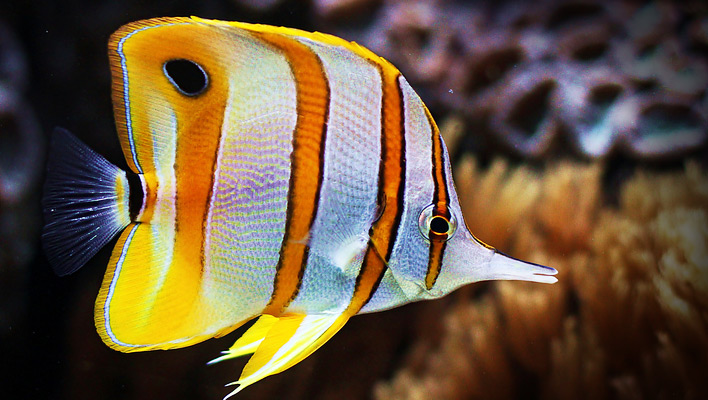
The Copperband Butterflyfish has bright yellow and white bands. These vertical stripes cover its body evenly. The yellow bands are vivid and eye-catching. Thin black lines run along the edges of the stripes. This pattern gives the fish a shiny, copper-like glow. The fish’s face also has a long, narrow snout with a black spot near the tail.
Distinctive Features
This fish has a long, pointed snout perfect for reaching small prey. A black spot near the back fin looks like an eye, confusing predators. Its dorsal fin has sharp spines for protection. The body is flat and thin, helping it move easily through coral reefs. The bright bands and unique snout make it stand out in the ocean.
Size And Shape
The Copperband Butterflyfish grows up to 8 inches long. Its body is oval and laterally compressed. This shape allows the fish to swim through narrow reef spaces. The fins are delicate but strong, aiding in precise movements. Its slim, flat body helps it hide in coral crevices quickly.

Credit: www.tfhmagazine.com
Natural Habitat
The Copperband Butterflyfish thrives in specific natural habitats. Its environment plays a key role in its survival and behavior. Understanding these habitats helps appreciate this fish’s unique life.
This fish prefers certain places in the ocean. Its natural home provides food and shelter. Let’s explore where exactly the Copperband Butterflyfish lives and what conditions it prefers.
Geographic Range
The Copperband Butterflyfish lives mainly in the Indo-Pacific region. It is found from Australia to Japan and the Philippines. These waters offer the ideal temperature and food sources.
Its range also includes parts of the Indian Ocean. This wide area shows the fish’s adaptability to different marine zones.
Preferred Environments
This fish favors coral reefs and rocky areas. These spots provide plenty of hiding places and food. The coral offers protection from predators and strong currents.
The Copperband Butterflyfish often stays near coral heads and reef edges. These areas are rich in small invertebrates, its main diet.
Depth Range
The Copperband Butterflyfish usually lives between 1 and 25 meters deep. It stays mostly in shallow waters where sunlight reaches easily. Sunlight helps the coral grow, supporting the fish’s environment.
It rarely goes deeper because food and shelter become scarce. Staying in this depth range keeps the fish safe and well-fed.
Behavior And Social Life
The Copperband Butterflyfish shows unique behavior and social traits. This fish is active and curious. It moves gracefully in coral reefs. Its behavior helps it survive and find food.
Socially, it prefers certain company and keeps clear of others. This fish’s way of living is interesting to watch. It shows both independence and interaction.
Feeding Habits
The Copperband Butterflyfish feeds mainly on small animals. It eats worms, small crustaceans, and coral polyps. The fish uses its long snout to reach food in tight spots. It searches carefully among rocks and corals. Feeding is a daily activity that keeps it strong.
Territorial Nature
This fish can be quite territorial. It guards its space from other fish. The Copperband Butterflyfish marks a specific area to live and feed. It uses displays and quick movements to warn intruders. Territorial behavior helps protect its food and safety.
Interactions With Other Species
The Copperband Butterflyfish interacts with many reef creatures. It usually stays peaceful with non-threatening fish. Sometimes, it cleans parasites from other fish’s bodies. This mutual relationship benefits both. The fish avoids aggressive species to stay safe. Its interactions show balance in reef life.

Credit: en.wikipedia.org
Diet And Nutrition
The Copperband Butterflyfish has a special diet that keeps it healthy and active. This fish lives in coral reefs and eats specific foods found there. Understanding its diet helps in caring for it, especially in aquariums.
Its nutrition needs must match what it eats in the wild. This section explains what the fish eats and how it finds food.
Primary Food Sources
Copperband Butterflyfish mainly eat small animals on coral reefs. They feed on tiny crustaceans, worms, and coral polyps. These foods provide proteins and nutrients essential for growth and energy.
They also eat small snails and other invertebrates. Their diet helps keep coral reefs healthy by controlling some animal populations.
Feeding Techniques
This fish uses its long snout to reach food inside coral crevices. It picks small prey carefully from tight spaces. This feeding style helps it access food that many fish cannot reach.
The Copperband Butterflyfish moves slowly and looks closely for prey. It uses quick bites to catch food without damaging coral.
Diet In Captivity
In home aquariums, feeding Copperband Butterflyfish can be tricky. They need varied diets that mimic their natural food. Offer frozen or live brine shrimp, mysis shrimp, and finely chopped seafood.
Some fish accept prepared foods like flakes or pellets, but many prefer live food. Feeding small amounts several times a day works best. Keep the tank clean to prevent leftover food from harming fish health.
Breeding And Life Cycle
The Copperband Butterflyfish has a fascinating breeding and life cycle. Understanding this helps us appreciate their nature better. Their reproduction involves specific behaviors and stages that ensure the survival of their young.
Mating Rituals
Copperband Butterflyfish form pairs before breeding. They swim close together, showing gentle movements. This bonding helps strengthen their connection. The male and female perform synchronized swimming around coral reefs. This dance signals readiness to mate.
Spawning Process
The female releases eggs into the water. The male follows by releasing sperm to fertilize the eggs. Spawning usually happens at dusk or dawn. This timing helps protect eggs from predators. The fertilized eggs float freely in the ocean currents.
Development Stages
Eggs hatch into tiny larvae within a few days. The larvae drift in open water, feeding on plankton. After several weeks, they settle near coral reefs. They grow into juveniles, showing the bright bands and colors. Adults maintain these patterns as they mature fully.
Care In Aquariums
The Copperband Butterflyfish is a beautiful addition to many home aquariums. Caring for this fish requires attention to its natural needs. It thrives best in environments that mimic its ocean home. Understanding its care helps keep it healthy and vibrant.
Each aspect of its tank setup impacts the fish’s well-being. From tank size to water quality, every detail matters. Proper care ensures this fish lives a long and active life.
Tank Requirements
A tank of at least 75 gallons suits the Copperband Butterflyfish. It needs plenty of space to swim freely. Include live rock for hiding and grazing. The tank should have a secure lid. This fish can jump when startled.
Water Conditions
Maintain water temperature between 72°F and 78°F. The pH level should stay near 8.1 to 8.4. Keep salinity between 1.020 and 1.025 specific gravity. Regular water changes help keep the environment clean. Stable water conditions reduce stress and disease.
Compatibility With Other Fish
The Copperband Butterflyfish is peaceful but shy. It does well with other non-aggressive fish. Avoid housing it with large, aggressive species. It may hide or become stressed. Keep similar-sized fish for better harmony in the tank.
Common Health Issues
The Copperband Butterflyfish is a beautiful and delicate fish. It needs good care to stay healthy. Common health issues can affect this fish, making it weak or sick. Knowing these problems helps keep your fish safe and happy.
Signs Of Stress
Stress in Copperband Butterflyfish shows in many ways. The fish may stop eating or swim oddly. You might see faded colors or clamped fins. Stress can come from poor water quality or sudden changes. Watch your fish closely for these warning signs.
Diseases And Treatments
Common diseases include ich and bacterial infections. Ich causes white spots on the fish’s body. Bacterial infections can cause sores or redness. Treat these with proper medicine from pet stores. Quarantine sick fish to stop disease spread.
Preventative Care
Good water quality is key to prevention. Test water regularly and keep it clean. Feed a balanced diet to boost the fish’s immune system. Avoid overcrowding to reduce stress and disease risk. Regular tank maintenance helps your fish stay healthy.
Conservation Status
The Copperband Butterflyfish is not currently at risk of extinction. Its population is stable in many coral reef areas. Conservation efforts help protect its natural habitat.
Population Trends
The Copperband Butterflyfish population is mostly stable in many areas. Some regions show small declines due to habitat changes. Scientists watch these trends closely to understand their health. Population numbers vary by location and environmental conditions.
Threats In The Wild
Habitat loss is a major threat to this fish species. Coral reef damage reduces their homes and food sources. Pollution and climate change also harm their environment. Overfishing and the aquarium trade can lower their numbers locally.
Protection Efforts
Marine protected areas help preserve their natural habitats. Conservation programs focus on reducing reef damage and pollution. Educating communities about sustainable fishing supports population health. Research on their biology guides future protection plans.
How Smart Pets Lover Can Help You with Copperband Butterflyfish
Learning from the Copperband Butterflyfish: A Practical Approach
Understanding the Copperband Butterflyfish’s natural habitat and social behavior opens up wonderful practical learning opportunities for any fish enthusiast. Observing how this delicate species interacts in its coral reef environment can deepen your appreciation for the delicate balance needed in aquarium care. Knowing their diet and nutrition needs, for example, helps you replicate a healthy feeding routine that supports their well-being and vibrant colors.
At Smart Pets Lover, we believe that every pet story is a journey of discovery. Whether you’re a seasoned aquarist or just beginning to explore marine life, taking the time to study the Copperband Butterflyfish’s breeding habits and common health issues can guide you in creating a nurturing, stress-free environment. Remember, being informed builds confidence and strengthens the bond between you and your aquatic companion.
- Observe their social interactions to better mimic natural conditions.
- Research diet specifics to ensure balanced nutrition.
- Stay vigilant for common health signs to maintain vitality.
For more insights or personalized advice, connecting with marine biologists or experienced hobbyists can be invaluable. Smart Pets Lover is here to help you navigate these learning curves with warmth and trust—because every fin, flutter, and swim tells a story worth cherishing.
Frequently Asked Questions
What Is A Copperband Butterflyfish?
The Copperband Butterflyfish is a tropical marine fish known for its bright yellow and white bands. It inhabits coral reefs and is popular in saltwater aquariums.
How Big Do Copperband Butterflyfish Grow?
Copperband Butterflyfish typically grow up to 8 inches (20 cm) in length. Their size makes them suitable for medium to large marine tanks.
What Do Copperband Butterflyfish Eat?
They mainly eat small invertebrates, coral polyps, and worms. In captivity, they accept frozen or live foods like brine shrimp.
Are Copperband Butterflyfish Reef Safe?
Copperband Butterflyfish are generally reef safe but may nip at coral polyps. Caution is advised when keeping them with delicate corals.
Conclusion
Copperband Butterflyfish stands out with its bright colors and unique shape. It lives mostly in coral reefs and loves clean water. This fish feeds on small animals, making it fun to watch. Taking care of it needs patience and the right tank setup.
Many fish lovers enjoy its beauty and calm nature. Learning about this fish helps protect ocean life too. Watching Copperband Butterflyfish adds joy to any aquarium. Simple care and respect keep it healthy and happy. A small treasure from the sea, worth knowing and admiring.